
Exaform Dropper Posts
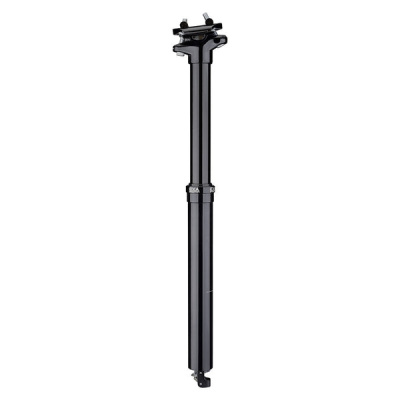
ExaForm dropper posts sit in a genuinely useful corner of the market - solid, no-fuss saddle-height adjustment that won't leave your wallet gasping. Made by KS Suspension, a brand with deep roots in dropper development, ExaForm takes proven sealed-cartridge internals and packages them at a price that makes sense for budget builds, older hardtails, and riders who simply want the job done without a course in hydraulic engineering.
The range covers the three most common seatpost diameters - 27.2mm, 30.9mm, and 31.6mm - so whether you're running a classic steel hardtail or a modern alloy trail bike, there's likely a fit. Routing options span fully cabled remote setups through to the cable-free under-seat lever on the Speed Up series, which is a genuine godsend if your frame has no internal routing whatsoever.
These posts don't chase grams or chase premium price tags. What they offer instead is durability, straightforward installation, and self-contained cartridge reliability that holds up across muddy Welsh winter rides and gritty Peak District days alike. Compare current UK prices on ExaForm droppers in the grid below and find the right spec for your frame.
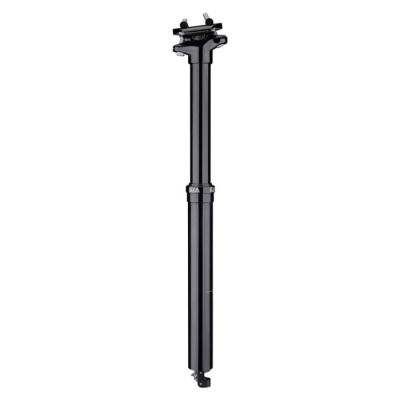

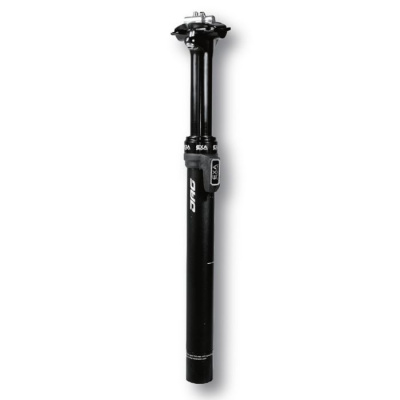
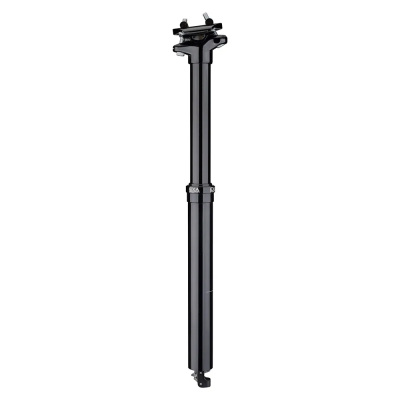
Prices and availability can change quickly. Delivery charges are not always included in listed prices.
Final price, stock status and delivery terms are set by retailer. We may receive a commission on purchases made.
Will It Fit? Getting Compatibility Right Before You Buy
Getting the wrong dropper post is the kind of mistake you only make once - usually when you're standing in the garage with a post that won't go in and a ride in an hour. Before you buy any ExaForm dropper, you need three numbers: your frame's seatpost diameter, your usable insertion depth, and your preferred travel.
Diameter first. ExaForm covers 27.2mm - the size you'll find on many gravel bikes, older XC hardtails, and steel frames - as well as 30.9mm and 31.6mm, which dominate modern trail and enduro geometry. Check the spec sheet or measure your existing post with calipers; guessing rarely ends well.
Insertion depth is the one riders most commonly overlook. This is the minimum amount of post your frame needs inside the seat tube to be safe - but it works the other way too. Measure from the top of your seat tube collar down to where any internal obstructions sit (pivot bolts, bottle cage bosses, or a sloping top tube). A post that bottoms out on a pivot bolt mid-descent is not a fun discovery on the Afan trails. ExaForm lists insertion depths clearly per model, so cross-reference before you click buy.
Routing is the third variable. Frames with internal routing (a dedicated cable port through the down tube or seat tube) suit the Jagi and KSP series with their traditional remote lever setup. Frames without any internal port - plenty of older hardtails and budget alloy bikes fall here - are where the Speed Up's under-seat lever actuation becomes genuinely clever rather than just a cost-cutting move. No cable, no housing, no frame modification needed. Worth knowing before you assume you need a new frame to run a dropper.
Speed Up, Jagi, KSP: Picking the Right ExaForm for How You Ride
ExaForm's lineup isn't enormous, which actually makes choosing easier. There are three distinct directions, each solving a slightly different problem.
The Speed Up series is the one to know about if you're running an older bike or simply hate cable routing. The under-seat lever sits just below the saddle rails and operates the post directly - press it, shift your weight, done. No remote lever on the bar, no cable to route, no housing to replace when it gets gritty and stiff after a Scottish winter. It's a mechanical solution that's almost elegantly low-tech, and the self-contained sealed alloy air/oil cartridge means the internals stay protected regardless. If your bike lives outside or sees more mud than a Peak District bridleway in November, the reduced cable maintenance alone justifies it. Travel options are stepped rather than infinite, so you're dropping to a fixed lower position - that suits most trail riders who just want saddle up for climbing and saddle slammed for descents without fuss.
The Jagi and KSP series follow a more conventional layout with a remote lever on the bar and a cable run to the post - either through internal routing for a clean cockpit look, or external routing for frames that need it. Both use the same sealed cartridge platform as the Speed Up, so reliability is consistent across the range. The remote lever gives you quicker, more instinctive actuation mid-trail, which riders who've come from PNW Components or Brand X droppers will appreciate. These aren't posts with infinite micro-adjustability - you won't find a smooth hydraulic infinite-position system at this price - but for riders who drop it fully and push it back up, the simple mechanical lockout delivers consistent, repeatable performance without the complexity that can send a £300 post to the workshop.
The honest trade-off across the whole ExaForm range: they're heavier than premium options, and the stepped or fixed-position actuation won't satisfy riders who need millimetre-perfect saddle height for technical seated climbing. If that sounds like you, the price jump to something like a KS Suspension mid-tier post might be worth it. For everyone else getting into droppers for the first time, or keeping an older bike relevant without overspending, ExaForm makes a compelling case.
Keeping an ExaForm Running Through UK Winter
A sealed cartridge is only as good as the wiper seal protecting it, and UK riding will test that seal regularly. Mud, grit, and standing water from a Quantocks bridleway or a soggy Surrey Hills descent all work their way toward the stanchion - and once grit gets past the wiper, it starts accelerating wear on the internals.
The fix is simple and takes thirty seconds. After every wet or muddy ride, wipe down the exposed stanchion with a clean cloth before you put the bike away. Then apply a light coat of silicone-based suspension spray - not a wet lubricant, which attracts more grit - to keep the action smooth and the seal supple. Do this consistently and a budget post will outlast one that's been ignored in a damp garage all winter.
One thing worth flagging for cold-weather riding: air pressure inside budget cartridges can drop in low temperatures, which sometimes shows up as a sluggish return speed. If your post is rising slowly on cold mornings, give it a few cycles to warm up before you worry. It's a known characteristic of entry-level air cartridges, not a sign of failure.
Pressure washing is where things go wrong fast. Directing a jet wash at the seatpost collar or directly at the wiper seal forces water and grit past the seal regardless of how good the cartridge is. Rinse the area gently by hand or use a low-pressure hose aimed away from the seal. The external routing cable and housing on the Jagi and KSP models also needs a seasonal check - UK winters saturate housing quickly and a stiff cable is the most common reason a dropper feels unresponsive. Fresh housing costs next to nothing and makes an immediate difference.
Exaform Dropper Posts FAQs
Are ExaForm dropper posts any good?
For the price, genuinely yes. The sealed cartridge internals are reliable and low-maintenance, and the Speed Up's cable-free setup removes one of the most common dropper headaches entirely. They're heavier than premium posts and lack infinite adjustability, but for trail riding and budget builds, they do the job consistently without drama.
Can I put an ExaForm dropper on a bike without internal routing?
Absolutely. The ExaForm Speed Up series uses an under-seat lever that operates the post directly - no cable, no remote lever, no frame modifications required. It's the straightforward way to add a dropper to an older hardtail or any frame without a dedicated cable port.
How do I know what size ExaForm dropper to buy?
Start with your seat tube diameter - measure your current post with calipers or check your frame spec for 27.2mm, 30.9mm, or 31.6mm. Then measure your maximum insertion depth: from the collar down to any internal obstruction. Cross-reference that with ExaForm's listed insertion depth for the model you're considering, and you're good.