
ENVE Dropper Posts
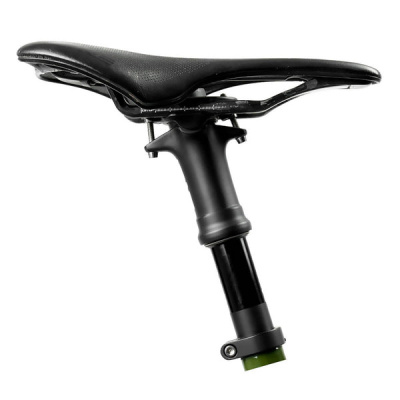
The Enve dropper post is one of the few pieces of kit that genuinely changes how a gravel or cross-country bike handles on steep, loose descents - and it does it without the weight penalty you'd normally accept. Built around a proprietary inverted design, the G-Series keeps the stanchion tucked away at the bottom, which means less muck fouling the wiper seal and more clearance for a saddle bag above. That last point matters more than you'd think if you're bikepacking or running a frame with tight tolerances around the seat tube junction.
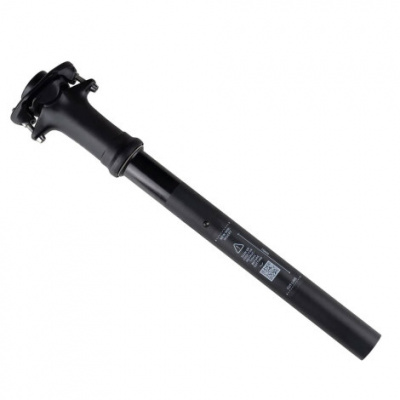
Travel is fixed at 40mm. That's deliberate. It's enough to get the saddle clear of your thigh on a chunky descent without adding the stack height of a full-travel MTB post or creating clearance headaches with your luggage. The carbon lower tube is trimmable, so you can cut the post to your exact insertion depth and claw back a few more grams - useful on a build where you're already counting every component. Actuation is fully mechanical and cable-driven, which keeps things simple and dependable across a wide range of conditions. Compare current UK prices below to find the right spec for your build.
Prices and availability can change quickly. Delivery charges are not always included in listed prices.
Final price, stock status and delivery terms are set by retailer. We may receive a commission on purchases made.
Fitment, Standards, and What the G-Series Actually Fits
Before anything else: the Enve G Series dropper post is a 27.2mm diameter post. That's the most common gravel and road-adjacent seat tube size, but it rules out most dedicated trail and enduro frames running 30.9mm or 34.9mm. Check your frame's seat tube internal diameter before you go any further - 27.2mm is slimmer than you might expect if you're coming from an MTB background.
Internal cable routing is non-negotiable here. The G-Series is designed specifically for frames with a dedicated dropper port; there's no clean way to run the cable externally without it looking like an afterthought and catching every bramble on a bridleway. Minimum insertion depth is strict too - Enve publishes this clearly, and it's the figure you work from when you're deciding how much of the trimmable lower tube you can actually remove. Get that measurement wrong and you're voiding any warranty claim before you've turned a pedal.
Saddle clamp compatibility covers both 7x7mm alloy rails and 7x9mm oval carbon rails, so you're not forced into a specific saddle choice. That said, if you're running a particularly wide or unusual rail profile, check Enve's clamp spec sheet first. The saddle clamp is tidy and low-profile, which helps keep stack height down - a genuine consideration on a gravel bike where your fit can be precise to the millimetre.
On the trimming process: a mechanic measures from the bottom of the clamp to the minimum insertion mark, subtracts any stack height allowance, then cuts the carbon lower tube with a carbon-specific hacksaw blade and a proper mitre block. Take your time, score a line with tape first, and don't rush it. You only get one cut.
What the 40mm Travel Actually Gives You
Forty millimetres sounds modest next to the 150mm or 200mm figures you see on trail and enduro posts from RockShox or Fox. On a gravel bike, though, 40mm is the right number. Drop the saddle and it moves clear of your leg on a steep pitch, lets you shift your weight back over the rear wheel, and snaps back up quickly for the pedalling section that follows. Any more travel and you're adding post length, increasing the chance of clashing with a saddle bag, and carrying weight that simply doesn't earn its keep on gravel or cross-country riding.
The inverted design is where the G-Series genuinely diverges from conventional dropper architecture. A standard post has the stanchion at the top, sliding into the lower tube. Flip that arrangement and the stanchion sits at the bottom, inside the frame, with the outer tube moving over it. The upshot is that the wiper seal - the part most vulnerable to grit and water ingress - faces downward and away from the rooster tail of spray off your rear wheel. On a wet October ride across the South Downs or a gritty January loop in the Peak District, that design choice quietly saves you a rebuild.
The fully mechanical cartridge uses cable actuation throughout - no hydraulic fluid, no bleed ports, no internal pressure to worry about. Squeeze the lever and a mechanical release drops the saddle; release and it springs back. It's a system that works the same in July as it does in February, which matters when you're deep into a winter brevet and the temperature has dropped below freezing. Hydraulic systems can thicken and become sluggish in genuine cold; this one doesn't.
If you're weighing up the Enve G Series dropper post against something like a PNW Components or OneUp post, the honest trade-off is this: the Enve is lighter and more specifically engineered for gravel and XC use, but it's a premium product at a premium price. If you're building a fast, weight-conscious rig and the 27.2mm fitment works for your frame, it's a compelling choice. If you want more travel or a simpler budget option, the alternatives are worth a look.
The trimmable carbon lower tube and internal routing also mean the G-Series suits bikepacking builds well - provided your frame has the routing ports. Keep the saddle bag positioned correctly and the 40mm drop clears it without drama.
How It Holds Up in UK Conditions
British riding is hard on components. Not in a dramatic, rock-strike way - more in the relentless, wet-grit-and-spray way that wears seals and clogs mechanisms over months rather than one big hit. The inverted design addresses this directly: because the stanchion sits below the wiper seal rather than sliding through it from above, the seal isn't sitting in the direct firing line of rear-wheel spray. It's a small structural decision that pays dividends across a wet winter's worth of riding.
The mechanical cartridge keeps maintenance straightforward. There's no hydraulic fluid to degrade, no bleed kit required, and no pressure that varies with altitude or temperature. If the action becomes notchy or the return spring feels weak, the cartridge is serviceable - but for replacement cartridges, shims, and seals, head over to our Enve Seatpost Spares page where we list available parts and current UK prices.
One practical note: cable-actuated systems are only as reliable as the cable and housing. Keep the outer housing clean, replace the inner cable annually if you're riding through winter regularly, and make sure the barrel adjuster is accessible - gravel bikes with integrated cockpits can bury this in an awkward spot. A fresh cable costs almost nothing and keeps the action crisp.
If you're putting together a complete Enve build, it's worth considering Enve gravel wheels and Enve handlebars alongside the post - the system weight savings stack up, and you're working with consistent carbon quality throughout.
ENVE Dropper Posts FAQs
Can you cut the Enve G Series dropper post?
Yes. The carbon lower tube is designed to be trimmed to your required insertion depth. Use a carbon-specific hacksaw blade, score the cut line with masking tape first, and follow Enve's published minimum insertion guidelines precisely. Measure twice, cut once - there's no undoing a short cut on a carbon tube.
What is the travel on an Enve dropper post?
The Enve G Series offers 40mm of travel. It's a deliberate choice for gravel and cross-country use - enough to clear the saddle from your leg on steep descents and shift your weight back, but short enough to stay compatible with saddle bags and keep the overall post length manageable.
Does the Enve dropper post require bleeding?
No. The G Series runs a fully mechanical, cable-actuated cartridge with no hydraulic fluid involved. There's nothing to bleed, no pressure to maintain, and no fluid that can thicken in cold weather. If it needs attention, the fix is usually a fresh inner cable or a cartridge swap - both straightforward jobs.