
Elite Saddle Bags
Elite saddle bags give you a clean, secure way to carry your ride-saving kit without bolting a brick to your seatpost. Tucked neatly beneath your saddle rails, these seat packs are shaped around an aerodynamic wedge profile that keeps drag to a minimum and the bag from flapping around on fast descents. The materials do the heavy lifting too - high-denier ripstop nylon resists the kind of abrasive road spray that eats through cheaper bags within a season, while weather-sealed zippers with anti-rattle pullers keep moisture and vibration out of your tools.
For UK riders, that combination matters. Winter roads throw a relentless mix of grit, standing water, and general misery at anything mounted behind the rear axle. A bag that soaks through on the A272 or starts buzzing like a trapped wasp on cobbled climbs is a bag you'll leave at home - and then you're the one roadside with a flat and no levers. Elite's range runs from micro-wedge packs sized for a single road tube and CO2 cartridge up to roomier options that swallow an MTB tube, patch kit, and a full multi-tool without breaking a sweat. Find the right one for your setup below.
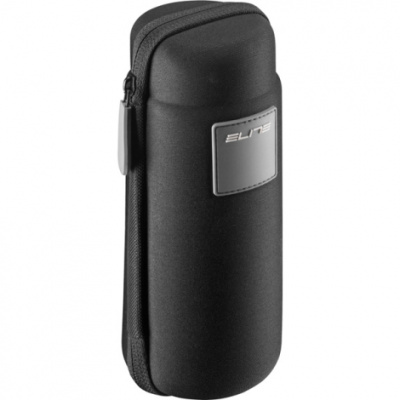
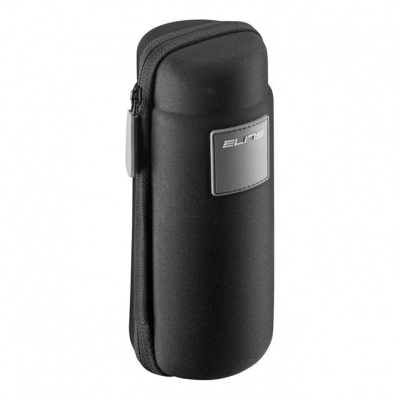
Prices and availability can change quickly. Delivery charges are not always included in listed prices.
Final price, stock status and delivery terms are set by retailer. We may receive a commission on purchases made.
Will It Actually Fit Your Bike?
Before anything else, check your seatpost situation. Most Elite saddle bags attach via Velcro straps - one looping over the saddle rails, one cinching around the seatpost - and that system works perfectly well on a standard round seatpost with conventional 44mm-spaced saddle rails. If you're running an aero seatpost with an integrated clamp or a seat mast, the geometry changes fast. The strap may not sit flush, which means the bag shifts under load rather than holding firm.
Dropper posts are a separate conversation. The lower seatpost strap can foul the dropper's travel if you run it close to minimum insertion, and in the worst case it interferes with actuation. Worth checking clearance before you head out - drop the post fully, confirm the bag doesn't bind anywhere. If you're building a gravel or MTB setup and you're unsure about storage options beyond a saddle bag, Elite holdalls or Elite bike flight bags and boxes might suit your longer-distance needs better. Carbon oversized rails need a strap with enough flex to conform without pinching - check the product spec for strap material and width before you commit.
Choosing the Right Size for What You Carry
Compact bags in the 0.3L to 0.5L range are strictly for road riding where you know exactly what's going in: one folded road inner tube, a pair of tyre levers, a CO2 inflator, and ideally nothing else. That's it. Try to squeeze a chunky multi-tool in alongside and the zip starts to protest. These smaller packs use the aerodynamic wedge profiling to best effect - narrow at the front, tapering cleanly toward the rear so they don't act as a sail when the crosswind picks up on exposed moorland roads.
Step up to 0.7L and above and the picture changes considerably. You can fit a thicker gravel or MTB tube, a multi-tool with a chain breaker, a patch kit, and a couple of tyre plugs without having to roll everything into a tight cylinder first. The trade-off is weight and presence - a fuller bag is more visible behind the saddle, though Elite's reflective detailing on the larger packs does turn that extra surface area into a visibility asset on dark winter commutes. For what it's worth, Apidura saddle bags are the benchmark most people reach for at the larger capacity end, with fully taped seams and roll-top closures, but they're meaningfully pricier. Lezyne saddle bags sit in a similar bracket to Elite and are worth comparing directly if you're after that mid-range balance of durability and capacity. At the top of Elite's own range, expect fully waterproof taped seams rather than just water-resistant nylon - that distinction is worth paying for if you ride through autumn and winter regularly.
A compact 0.5L bag handles a single road inner tube, tyre levers, a CO2 inflator, and a small multi-tool cleanly. If you're running larger mountain bike tubes or gravel setups, look for 0.8L or more - don't try to make a small bag work for a job it wasn't designed for.
Keeping Everything Working in UK Conditions
Rear-wheel spray is the enemy here. Every time you roll through a puddle, a jet of gritty water blasts the underside of your saddle bag - specifically the zipper. Over a season of British riding, that abrasive mix of road grit and water works into the zip teeth and starts to stiffen them up. Left long enough, the zip seizes. Give the zipper a going-over with a stiff brush every few rides to clear the grit out, then apply a dry lube sparingly along the teeth. Wet lube attracts more dirt and makes things worse, so keep it dry.
The ripstop nylon outer does a solid job of shedding spray, but condensation inside the bag is a separate problem - warm air from your gear meeting cold fabric, especially on long winter efforts. Multi-tools rust from the inside out when they sit in damp conditions repeatedly. Wrapping your Elite tools in a small rag or a re-used plastic bag before they go in the pack stops that happening and reduces the metallic rattling you sometimes get on rough road surfaces. A bit of foam or a cut-down cable tie around the multi-tool works too. It takes thirty seconds and saves you a corroded chain breaker mid-ride.
The weather-sealed zippers with anti-rattle pullers that Elite spec across the range help considerably with both noise and moisture ingress, but they're not a substitute for basic upkeep. In genuinely foul conditions - think a soaked Peak District descent - even a sealed zip benefits from a quick wipe down afterwards. Carradice saddle bags use waxed cotton for moisture management in a very different way, and it's worth understanding that trade-off if you're considering alternatives. For spare parts and replacement straps should anything wear out, Elite spare parts are worth bookmarking. Low-light winter riding is another reason the reflective detailing on Elite's bags earns its keep - even a small strip of reflective material on a moving object makes a genuine difference to how visible you are from behind.
Elite Saddle Bags FAQs
How do you attach an Elite saddle bag securely?
Thread the top straps over your saddle rails and pull them tight, then fasten the lower strap firmly around the seatpost. Every strap needs to be properly taut - a loose strap is what causes the bag to sway and rattle on rough roads. Check everything before you roll out and give it a quick tug after the first kilometre to confirm nothing has shifted.
What size saddle bag do I need for a spare tube and multi-tool?
A 0.5L bag handles a single road inner tube, tyre levers, a CO2 inflator, and a compact multi-tool. If you're running gravel or MTB tubes, or you carry a multi-tool with a chain breaker, go for 0.8L or above - trying to force oversized kit into an undersized bag puts unnecessary stress on the zip and the seams.
Will a saddle bag strap scratch my carbon seatpost?
Grit trapped between the strap and the post is the real culprit - it acts like sandpaper on the clear coat over time. Apply a strip of helicopter tape (clear paint protection film) exactly where the strap contacts the post before you fit the bag. It's cheap, nearly invisible, and keeps the post in good condition for years.