
Electra Pannier Racks
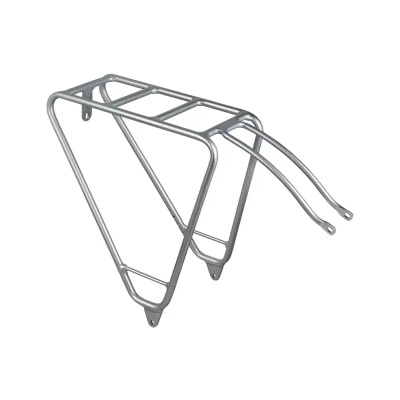
Electra pannier racks are built around one straightforward idea: a rack that actually fits the bike it's meant for. Electra's frames use a relaxed, swept-back geometry - the Flat Foot Technology design that lets you put both feet down at traffic lights - and that geometry makes standard aftermarket racks awkward. The strut angles are wrong, the deck sits crooked, and suddenly your heel is clipping the pannier on every pedal stroke. Electra's own racks solve that before you've even tightened the first bolt.
Most current models feature the MIK (Mounting is Key) deck system, which lets compatible bags and baskets click in and lock down in seconds. No faffing with bungees. The integrated rear light and reflector mounting points mean your lighting stays tidy and legal without zip-ties or improvised brackets.
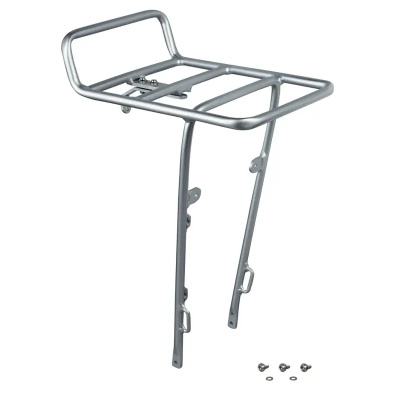
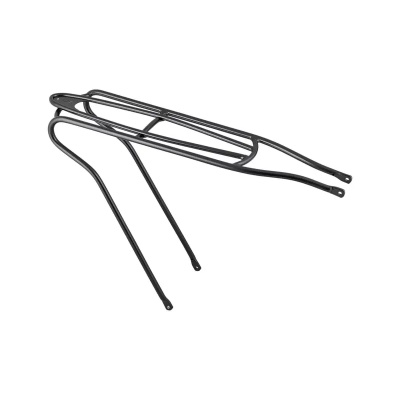
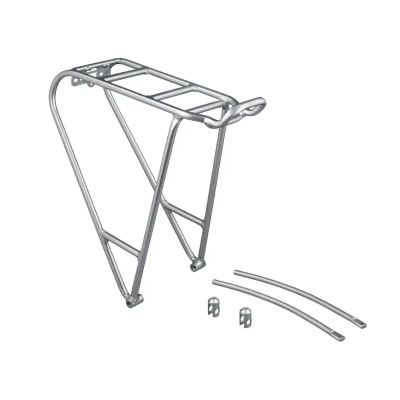
Payload capacity runs to 25kg on standard alloy rear carriers, which is enough for a full week of commuting kit, a D-lock, and whatever the weather throws at your bag. If you're running a Townie Go! or another Electra e-bike, there are heavier-duty options rated higher. Front porteur racks are also in the range for lighter, more accessible loads. Check wheel size and brake type before you buy - 26-inch and 700c frames have different requirements, and disc brake clearance matters.
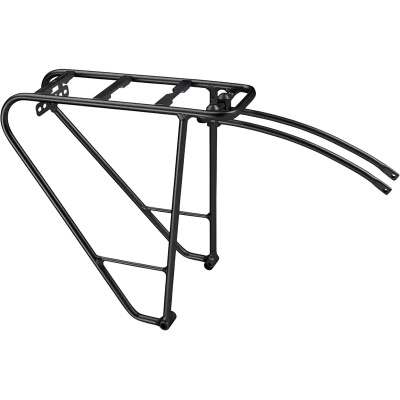
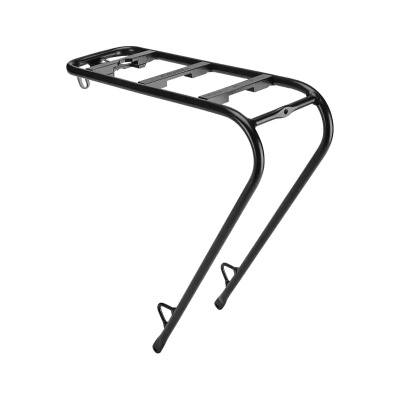
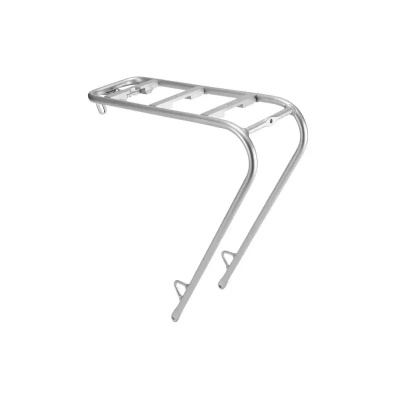
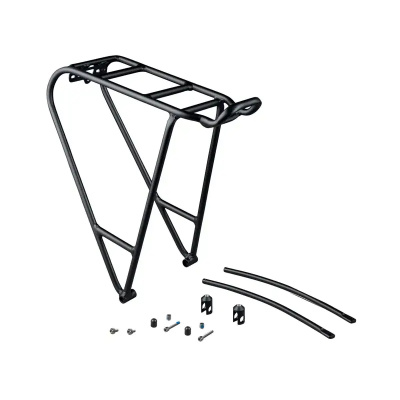
Prices and availability can change quickly. Delivery charges are not always included in listed prices.
Final price, stock status and delivery terms are set by retailer. We may receive a commission on purchases made.
Getting the Fit Right: Frame Compatibility and the MIK System
Electra's relaxed frame geometry isn't just a style choice - it changes the maths on rack fitment in ways that catch people out. The chainstay length, the seat tube angle, and the position of the frame eyelets all differ from a standard road or hybrid frame. That's why a rack designed around Electra's own dimensions will sit level where a generic alloy rear carrier often tilts, leaving you with a sloped deck and a pannier that swings inward toward your heel.
Before you order, confirm your wheel size. Electra Townies run on both 26-inch and 700c wheels depending on the model, and the rack strut geometry is specific to each. Brake type matters too - disc brake clearance on the rear triangle means disc-compatible racks use different lower mounting points. Get this wrong and you'll either foul the rotor or find the struts won't reach the mounting hardware at all.
The MIK (Mounting is Key) system is worth understanding if you're new to it. The rack's top deck has a recessed interface plate. Compatible bags and baskets from Electra - including their Electra baskets range - drop onto it and lock with a quarter-turn of the MIK release key. That key also prevents casual removal, which is useful if you're leaving a loaded rack outside a shop. It's not a substitute for a lock, but it stops opportunistic lifting. If you're looking at aftermarket MIK-compatible luggage from other brands, check for the MIK adapter plate - not all bags include it.
If you need replacement struts, bolts, or mounting arms rather than a complete rack, that's a different job. Our pannier rack spares section is the place to start rather than buying a whole new carrier.
Front vs. Rear, Standard vs. E-Bike: Picking the Right Rack
The rear rack is where most riders start, and for good reason - it puts the weight low and central over the rear axle, which is stable and predictable. Standard Electra alloy rear carriers are rated to 25kg payload capacity. That's substantial. A 15-litre pannier packed with commuting kit, a heavy D-lock, wet weather gear, and a change of shoes will come in well under that limit for most people.
The Townie Go! and other Electra e-bikes change the equation. The frame integration and battery position shift the bike's balance, and the motor adds mechanical complexity around the rear dropout. Electra's e-bike-rated racks account for this - the payload rating steps up to 27kg on some models, and the mounting geometry is adjusted to work around the motor system. If you're fitting a child seat, always check the specific rack's stamped weight limit rather than assuming the standard figure applies.
Front racks suit a different kind of load. Porteur-style front carriers keep lighter, frequently accessed items - a bag, a jacket, a small crate - where you can reach them without dismounting. The trade-off is handling sensitivity: a loaded front rack makes steering feel heavier and slows the response of the bike, which is more noticeable in traffic. Keep front loads light and well secured, and it's a genuinely useful setup for urban shopping runs.
If you're comparing across brands, Blackburn pannier racks offer a broad range of alloy rear carriers with solid payload ratings, and Basil pannier racks are worth a look if you want MIK-compatible options that cross over with Electra's luggage ecosystem. That said, neither is designed around Electra's specific Flat Foot Technology frame dimensions, so fitment is less predictable.
Pairing your rack with Electra mudguards is worth considering at the same time - the mounting points interact, and fitting both together is simpler than retrofitting one after the other.
Keeping It Solid Through UK Winters
British roads in November are essentially a rack durability test. Road salt, wet grit, and an unending sequence of potholes combine to work against any bolted-on component. The vibration from broken tarmac is the quiet enemy here - it works rack bolts loose over weeks, not miles, and by the time you notice the rack flexing it's already worn the eyelet thread.
Apply medium-strength threadlocker (blue Loctite, not the permanent red) to all frame mounting bolts before you fit the rack. It's ten seconds of effort that saves you a loose rack and a potentially expensive frame repair if a bolt backs out completely mid-ride. Check the bolts every couple of months through winter regardless.
Alloy tubing handles corrosion better than steel, but the weld points and the plastic MIK interface are worth attention. Salt and grit collect there. A rinse with clean water after wet rides - particularly after anything involving salted roads - keeps the corrosion at bay and stops the MIK mechanism gumming up. Dry the interface before snapping luggage back on if you can.
The integrated rear light and reflector mounting brackets on Electra racks are a practical detail that earns its keep in UK conditions. A dedicated mount keeps your rear light aligned and secure rather than wobbling on an improvised clip, which matters when you're riding in the dark on a wet commute. Pair the rack with proper Electra lights and the whole setup stays cohesive. If you're running an Electra e-bike and want to see the full range of what's available for it, the Electra e-bikes section gives useful context on which racks are compatible with specific models.
SKS pannier racks are a decent alternative if you're after a brand with strong corrosion-resistance credentials, though again, Electra frame fitment isn't guaranteed without careful measurement.
Electra Pannier Racks FAQs
Do universal pannier racks fit Electra bikes?
Some will physically bolt on, but Electra's relaxed frame geometry means a generic rack often sits at an awkward angle. The deck tilts, heel clearance suffers, and the whole thing looks wrong. Electra-specific racks are designed around the Flat Foot Technology frame dimensions, so the deck sits level and your foot has room to move freely through the pedal stroke.
What is the MIK system on Electra racks?
MIK stands for Mounting is Key. It's an integrated click interface on the rack's top deck. Compatible bags and baskets lock onto it with a quarter-turn of the MIK release key, which also prevents casual removal. It's quicker than bungees and tidier than straps - useful if you're swapping luggage between bikes or leaving a loaded rack outside briefly.
How much weight can an Electra rear rack hold?
Most standard Electra alloy rear racks are rated to 25kg payload capacity. E-bike-specific models step that up to 27kg on some versions. Always check the stamped limit on the actual rack before fitting a child seat or carrying unusually heavy loads - the figure on the spec sheet is the one that counts.