
Eassun Sunglasses
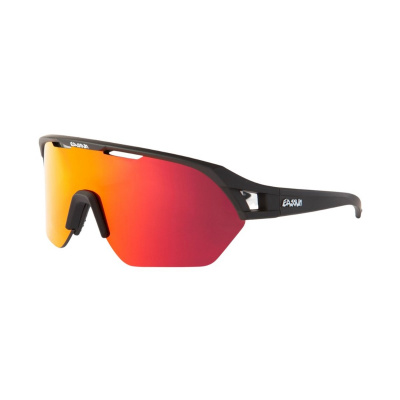
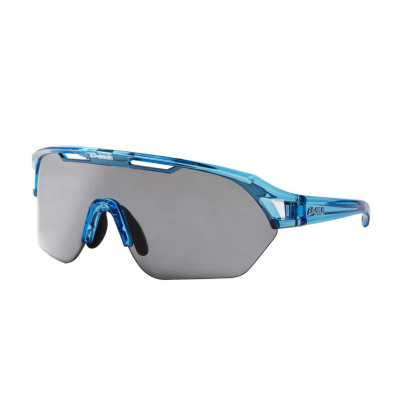
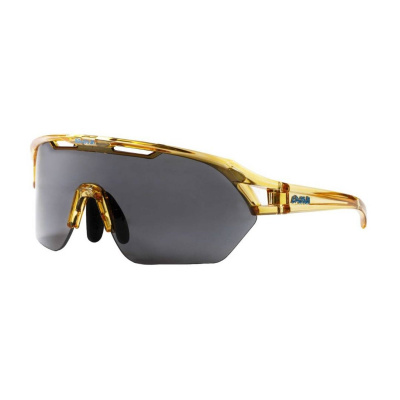
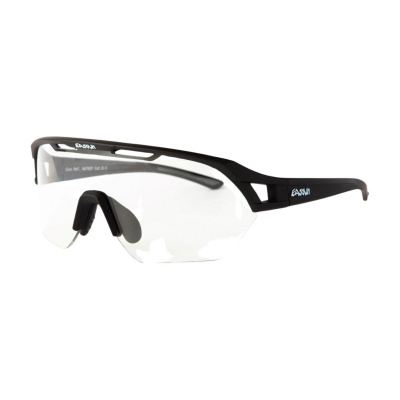
Eassun cycling sunglasses have carved out a serious following among riders who want eyewear they can genuinely forget they're wearing. Most models clock in below the sub-20g mark - that's lighter than a gel wrapper - thanks to flexible Grilamid TR-90 frames and polycarbonate lenses that are both shatterproof and optically sharp. The wrap-around geometry sits close to the face without pressing on your temples, so four hours into a sportive your head still feels like your own.
For UK riders, there's a more specific reason Eassun stands out. British conditions don't stay still: you can roll out of a Peak District car park into bright autumn glare and be under heavy cloud before the first climb's done. Eassun's photochromic lenses respond quickly to those swings, while their Airflow ventilation technology keeps condensation off the lens when your heart rate spikes on a damp, steep drag. Add UV400 protection, an adjustable nose bridge for a dialled fit, and compatibility with most modern helmet designs, and you've got eyewear that's genuinely built around the realities of riding in this country rather than a Californian brochure shoot.
Prices and availability can change quickly. Delivery charges are not always included in listed prices.
Final price, stock status and delivery terms are set by retailer. We may receive a commission on purchases made.
Lens Technology and UK Weather Performance
Eassun's lens range splits broadly into fixed-tint and photochromic options, and for most UK riding the photochromic route makes the stronger case. Eassun photochromic sunglasses use lenses that darken and lighten in response to UV intensity - useful when you drop into a wooded section of the South Downs Way and the light halves in three seconds flat. The transition is quick enough that you're not squinting through a lens that hasn't caught up with the conditions yet, which is a real gripe with slower-reacting photochromic tech from some competitors.
Fixed-tint models typically come in Category 2 or Category 3 lenses, with Category 2 covering the kind of overcast-but-bright days that make up the bulk of British summer riding, and Category 3 suited to full sunshine or long Alpine-style days in the saddle. Polycarbonate lenses run throughout the range - they're impact-resistant and shrug road debris far better than mineral glass, which matters on gritty winter lanes or loose gravel descents. Water-repellent coatings on several models bead off road spray quickly, so a puddle splash doesn't cost you visibility mid-corner. Compared to something like Bliz sunglasses, Eassun tends to prioritise a slimmer, more road-oriented profile, whereas Bliz leans into broader lens coverage for trail and Nordic use.
Frame Design and the Ultra-Lightweight Advantage
The Grilamid TR-90 frame is the foundation of what makes Eassun feel different in the hand - and on the face. TR-90 is a nylon-based polymer that's notably more flexible than standard plastics, so the frame flexes slightly rather than cracking if you sit on them in your jersey pocket (it happens). That flexibility also means the fit adapts a little to different face shapes without losing its wrap-around geometry.
At sub-20g, the weight saving over a heavier pair isn't something you'll notice on a ten-minute spin, but over a long road ride or a multi-hour gravel day it genuinely adds up - less temple pressure, no nose-bridge indent by the time you get back to the car. The adjustable nose bridge is a practical detail that often gets overlooked: a few millimetres of adjustment means you can position the lens correctly relative to your eyebrow, which affects both coverage and ventilation. The wrap-around fit also serves a secondary job beyond optics - it blocks wind effectively at pace, which reduces eye fatigue and stops your eyes drying out on fast descents. If you're weighing up similarly lightweight options, Alba Optics sunglasses and KOO sunglasses sit in comparable territory, though KOO tends to offer a wider lens format and Alba leans harder into the lifestyle-meets-performance crossover.
Helmet integration is clean across the range. The slim arms slot into standard helmet retention systems without fouling the straps, which sounds minor until you've spent a wet Welsh climb fiddling with glasses that won't sit properly under your lid.
Airflow Technology: Beating the Fog
Fogging is the problem nobody talks about until it's happening to them at 10% gradient in the Brecon Beacons with visibility dropping to zero behind their own lens. Eassun's Airflow technology addresses this directly through strategic venting cut into the frame and, in some models, the lens itself. The idea is straightforward: create a consistent channel of moving air across the inside lens surface to dissipate heat and moisture before condensation has a chance to form.
This matters most for Eassun running and cycling glasses users who push hard efforts - the temperature differential between your face and the air outside spikes when you're working, and that's when conventional glasses fog fastest. The Airflow vents are sized to move enough air to prevent that build-up without creating a wind-tunnel effect that dries your eyes out over a long ride. It's a balance that some brands - particularly those with fully sealed lens designs - don't always get right. For damp, high-humidity conditions typical of Scottish or Welsh riding, the venting approach is more reliable than anti-fog coatings alone, which degrade with cleaning over time.
If your lenses do start to mist, the fix is usually simpler than people think: make sure the glasses sit a few millimetres off your brow rather than flush against it, and keep the lens surface clean - oils and product residue restrict airflow across the lens. A microfibre cloth before every ride takes thirty seconds and makes a meaningful difference. Riders who want a broader comparison across the anti-fog spectrum will find 100% sunglasses and Oakley sunglasses use different venting architectures - 100% in particular takes an aggressive open-lens approach that works well for MTB pace but can feel draughty on steady road riding.
One thing worth knowing: Eassun also offer Eassun prescription cycling glasses options through selected retailers, using insert systems that sit behind the main lens. It's not as optically seamless as a full prescription lens, but it's a practical route if you need correction and don't want to ride in contacts.
Eassun Sunglasses FAQs
Are Eassun sunglasses good for cycling?
Yes - Eassun specialises in cycling-specific eyewear with most models coming in under 20 grams. The wrap-around fit, anti-fog Airflow ventilation, and shatterproof polycarbonate lenses make them a solid choice for both road and off-road riding, particularly on longer efforts where weight and comfort start to matter.
Do Eassun cycling glasses come with photochromic lenses?
Many Eassun models do offer photochromic lenses that adjust automatically to shifting UV levels. For UK riding - where you can go from sharp morning sun to flat grey cloud inside a mile - that reactivity is genuinely useful. Check individual model listings, as fixed-tint Category 2 and 3 options are also available if you prefer a dedicated tint.
How do I stop my Eassun sunglasses from fogging up?
Eassun's built-in Airflow technology handles most of this through strategic venting in the frame and lens. You can help it along by making sure the glasses sit slightly away from your brow rather than flush against it, and by keeping the lens clean with a microfibre cloth before riding - oils and residue restrict the airflow that prevents condensation.