
Alba Optics Sunglasses
Alba Optics sunglasses arrive from a distinctly Italian lineage - thick acetate-influenced shapes, bold colour-ways, and a design language that nods hard to late-80s and early-90s racing eyewear. But this isn't nostalgia for nostalgia's sake. Behind the retro silhouettes sits genuinely modern optics, and that combination is exactly why they've built a loyal following among road and gravel riders who want something sharper than the usual mainstream offerings.
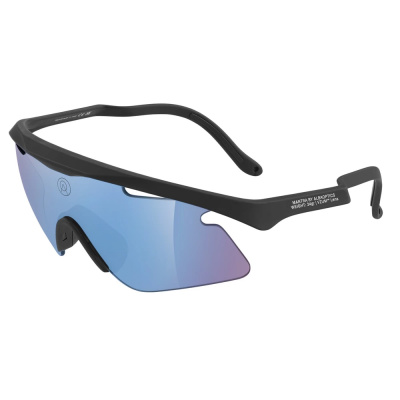
The frames are built from Tr90, a memory-polymer material that's featherlight, flexible enough to survive a jersey pocket, and grippy enough to stay put when the road gets rough. Pair that with proprietary VZUM™ lens technology - designed to boost colour saturation and contrast so you're reading the road surface rather than just looking at it - and you've got glasses that earn their place on a proper ride, not just on Instagram.
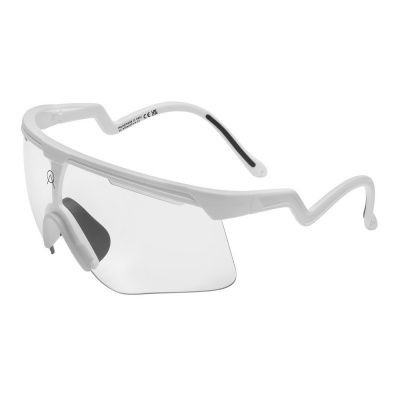
For UK riders specifically, the F-LENS photochromic option deserves attention. British light does what it wants: full sun one minute, flat grey the next. A lens that adapts without you having to stop and swap is less of a luxury and more of a practical necessity out here. Whether you're threading through Peak District grit roads or grinding up a Dartmoor lane in October drizzle, the core Alba Optics range has the coverage to match.
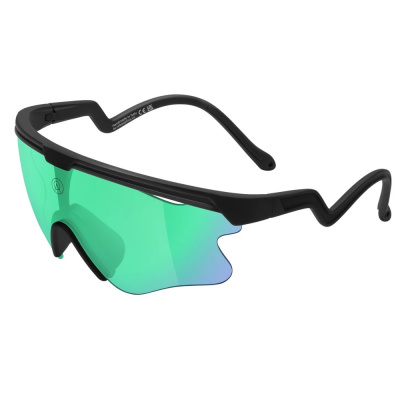
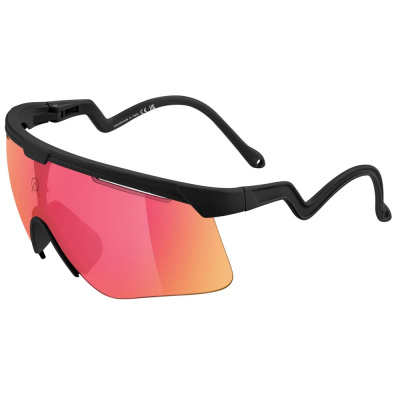
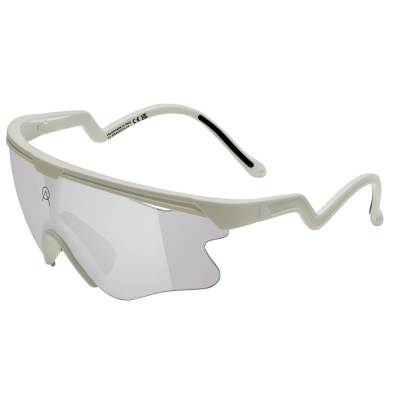
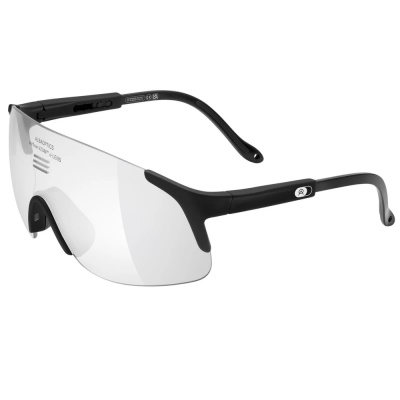
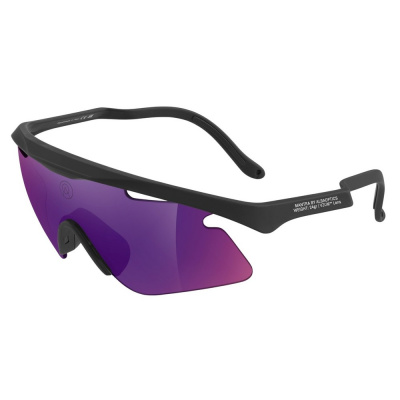
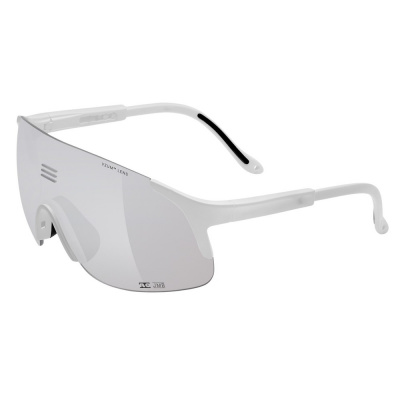
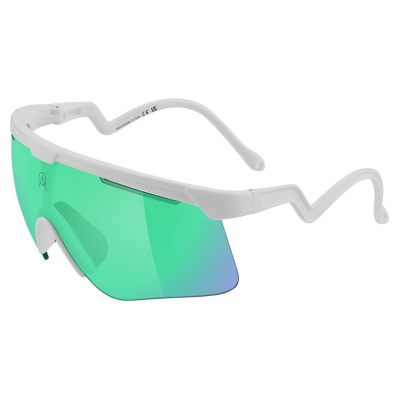
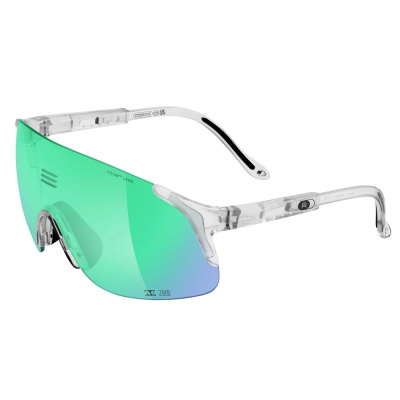
Prices and availability can change quickly. Delivery charges are not always included in listed prices.
Final price, stock status and delivery terms are set by retailer. We may receive a commission on purchases made.
Lens Tech and Weather Performance: The VZUM Advantage
VZUM™ is Alba Optics' own lens platform, and it's worth understanding what it actually does rather than just taking the marketing at face value. The technology works by increasing colour saturation and balancing visual contrast across the lens - the practical effect is that surface texture becomes more readable. Pot-holes, gravel patches, wet tarmac joins: they all register faster because the lens separates tones that a standard tint would flatten out. On a fast descent, that fraction of extra processing time matters.
The F-LENS photochromic variant takes this further by adapting its tint level in response to ambient light. It's not instant - no photochromic lens is - but the transition is quick enough to handle the kind of light shifts you get riding in and out of tree cover on a mixed-surface route. For autumn and winter riding in the UK, where you can go from bright low sun to deep shadow inside thirty seconds, it removes the faff of carrying spare lenses entirely. Stick a pair on at the car park and they'll handle whatever the day throws at you.
Fogging is the other thing worth addressing directly. Slow, humid climbs - the kind you get grinding up anything steep in Wales or the Lake District in damp air - are where lesser glasses mist over completely. Alba Optics build strategic venting into the lens geometry to keep air moving across the inner surface. It won't perform miracles if you stop dead at a junction mid-climb, but for sustained low-speed efforts it does the job. The Stratos in particular, with its wider field of vision and more open frame, benefits most from this. UV400 protection is standard across the range, so long days in full summer sun are covered without compromise.
Getting the Fit Right Across the Range
Alba Optics run three main shapes worth knowing about, and they suit quite different riders. The Delta is the one that turns heads - chunky, full-rim, with that wide retro wrap that references classic Italian race eyewear without being a costume. It's a bold look, and the optical coverage is substantial. If you're on road bikes and want a talking point as much as a functional lens, the Delta is the model.
The Stratos goes the other direction. Rimless construction, a wider field of vision, and a cleaner silhouette that sits closer to contemporary cycling eyewear. It's the better call for gravel and mixed-surface riding where peripheral awareness matters - spotting a rogue line or a gate post at the edge of your vision is genuinely useful. The open frame design also works with the ventilation system more effectively, which makes it the stronger choice for high-humidity conditions.
The Mantra sits in the range for riders who want an aggressive, aero-oriented fit - closer to the face, less gap around the edges, shaped to minimise wind noise and intrusion at speed. It's the race-day option if that's your priority, though the tighter fit means ventilation is more dependent on forward motion than the Stratos.
Across all three, the Tr90 frame material does consistent work. It's a memory polymer, which means it flexes under pressure and returns to shape rather than deforming or snapping. Practically, this matters when you're jamming glasses onto your helmet strap or cramming them into a jersey pocket mid-ride. It also means the temples conform slightly to your head shape over time without losing their structure - important for helmet compatibility, particularly with retention systems that leave less clearance at the temples. Compared to something like Oakley sunglasses or 100% sunglasses, the Tr90 construction gives Alba Optics a noticeably lighter feel in hand and on face.
Interchangeable lenses are available across most of the range. Worth picking up a spare tint if you're buying the Delta or Mantra in a fixed lens version - having a light-tint option for overcast days and a darker mirrored lens for peak summer gives you genuine versatility without buying a second pair. KOO sunglasses take a similar approach to interchangeability if you want to compare the system side by side, and MAAP sunglasses are worth a look if the style direction appeals but you want to explore the broader field.
Keeping VZUM Lenses Clean and Choosing the Right Tint
Mirror coatings on VZUM lenses are durable, but they're not indestructible - and the main thing that damages them isn't use, it's poor cleaning habits. After a wet ride with road spray or grit thrown up by a following wheel, rinse the lenses with clean water before you touch them with anything. Wiping grit across a mirror coating dry is how you end up with fine scratches that scatter light and kill optical clarity. Rinse first, then use a soft microfibre cloth. That's the whole routine.
Winter road salt is a specific concern in the UK. It's abrasive and chemically aggressive - leave it sitting on a lens overnight and you're asking for trouble with both the coating and any rubber components on the frame. A quick rinse after every winter ride takes seconds and keeps the glasses performing properly through the season.
On tint choice: for the UK's October-to-March window, lighter tints in the 15 - 35% visible light transmission range are the practical option. You need light gathering rather than light blocking on the average British winter day. The F-LENS photochromic is the cleanest solution here because it handles the full spectrum from flat overcast to low winter sun without you having to decide. From late spring through summer, go darker - a mirrored lens in the 10 - 15% VLT range handles long days in the Surrey Hills or open moorland without washing out. Optical clarity at both ends of the tint range is where VZUM technology earns its place; the colour separation stays consistent regardless of how much the lens is blocking.
Alba Optics Sunglasses FAQs
Are Alba Optics sunglasses good for cycling?
They're purpose-built for it. The lightweight Tr90 frames are designed to sit cleanly under helmet retention systems without pressure points, and VZUM lens technology actively improves contrast and depth perception - so you're reading road surfaces and spotting hazards faster than you would through a standard tint. They work across road and gravel riding without compromise.
What is the VZUM lens on Alba Optics?
VZUM is Alba Optics' proprietary lens technology that increases colour saturation and balances visual contrast. In plain terms, it makes surface texture more readable - tarmac joins, gravel patches, wet roots all register more clearly. It's not a gimmick; the difference is noticeable on varied surfaces where a standard tint flattens everything out.
Do Alba Optics lenses fog up on humid rides?
Most models, including the Stratos and Delta, use strategic lens venting to maintain airflow across the inner surface. During sustained climbing in damp conditions - the sort of long, slow efforts you get in the Brecon Beacons or on a wet Yorkshire moor - fogging is well controlled. If you stop completely in humid air, some condensation is possible, but it clears quickly once you're moving.