
DMR Goggles
DMR Goggles have built a solid reputation in the dirt jump and freeride world, and that same no-nonsense approach carries straight into their MTB eyewear lineup. If you're throwing yourself down a bike park black or picking through rocky Welsh trail centre chutes, you need goggles that keep your vision clean and your focus where it matters. DMR delivers that.
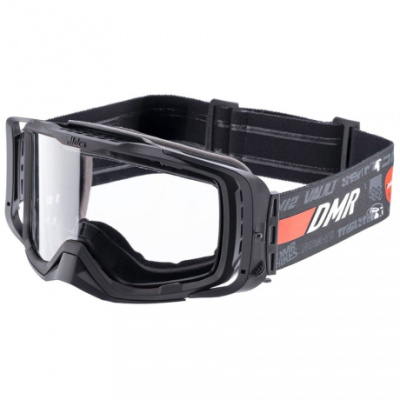
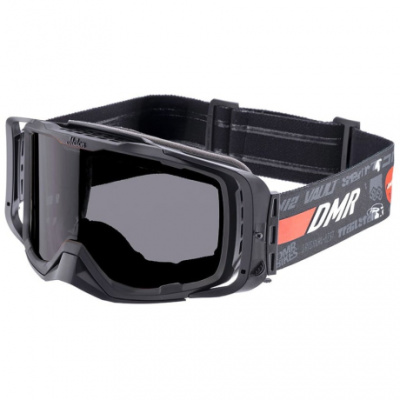
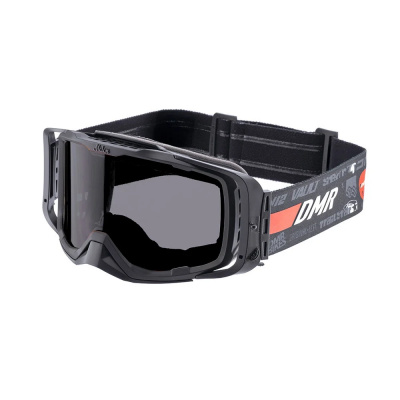
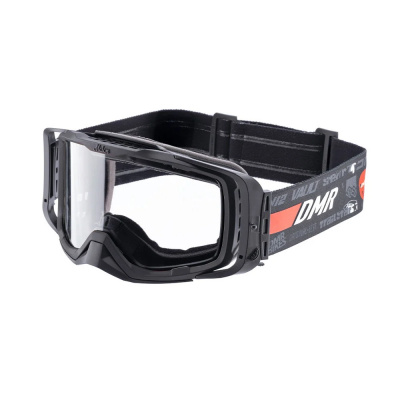
The flagship DMR Zone goggle is the one most riders gravitate towards - a wide-frame design that gives you a genuinely generous field of vision, factory anti-fog lens coatings that hold up when the climbs get sweaty, and a frame built to sit flush inside a full-face helmet without that annoying forehead gap. The silicone-backed strap grips your helmet foam rather than riding up at the worst possible moment.
British riding throws everything at your face - horizontal rain on the Pennines, low-light canopy on Surrey singletrack, deep orange mud on a Quantocks winter descent. DMR MTB goggles address all of that with tear-off pin integration for race days and easily swappable lenses so you're not squinting through a tinted lens at 4pm in November. Practical, well-built, and priced to compete with the likes of Fox goggles - that's the DMR pitch.
Prices and availability can change quickly. Delivery charges are not always included in listed prices.
Final price, stock status and delivery terms are set by retailer. We may receive a commission on purchases made.
Lens Tech and What It Means on Trail
DMR uses high-impact polycarbonate lenses across the range. Polycarbonate is the right call here - it flexes on impact rather than shattering, which matters if a rock gets flicked into your face at speed. The lenses are treated with factory anti-fog coatings on the inner surface, and the wide-frame design isn't just aesthetic; it pulls in noticeably more peripheral vision than narrower goggle frames, which helps when you're reading a fast, rooted line and need to clock the next feature early.
Tear-off pin integration is a feature that some riders overlook until they actually need it. On a wet Lakeland enduro stage or a muddy Scottish uplift day, being able to strip a film of muck away mid-run keeps your vision sharp without compromising the anti-fog coating underneath. You'll need to pick up tear-offs separately, but the pins are built into the lens frame so the option's always there. If you're comparing options, 100% goggles and Smith Optics goggles also offer tear-off compatibility at a similar level, so it comes down to fit and frame preference.
Lens swaps are straightforward. Pull the frame, unclip the lens, drop the new one in. Running a clear lens for dark woodland descents in winter and switching to a mirrored or tinted option for bright summer days is exactly how you should be using these - and DMR's system makes that swap quick enough to do in the car park before a ride.
Frame Fit, Face Foam, and Getting It Right With Your Helmet
The frame geometry on DMR's goggles is cut to work with modern full-face downhill and enduro helmets. That means the strap outriggers - the little wings that anchor the strap at either side - sit in the right position to centre the goggle on your face without pulling down or riding up. It sounds minor. It's not, especially mid-descent when you don't want to be fussing with your kit.
The triple-layer face foam is worth talking about properly. The outer layer handles the bulk of moisture wicking, the middle layer adds cushioning to absorb vibration and reduce pressure across your nose and cheekbones, and the inner layer is the soft fleece-feel material that sits against your skin. Over a long enduro day, that layering genuinely reduces the sweaty, compressed feeling you get from cheaper single-foam goggles. It also creates a better seal against wind and debris without clamping down uncomfortably tight.
The wide silicone-backed strap does two things: it stops the goggle slipping on smooth helmet shells, and the width distributes load so you're not getting a ridge across the back of your head after a few hours. If you're running a helmet without a dedicated goggle channel, the silicone grip is what keeps everything in place. Worth checking your helmet fits well with the goggle before you commit - most modern full-face helmets work fine, but some older half-shell designs with lower rear profiles can cause the strap to sit awkwardly. Leatt goggles are worth a look if you're running a Leatt helmet system and want a guaranteed pairing, but DMR's frame shape is broadly compatible across the main brands.
Riding UK Conditions and Keeping Your Lenses Clean
If you ride in Britain year-round, anti-fog performance isn't a nice-to-have - it's the thing that decides whether a goggle earns its place in your kit bag. The problem is usually slow, boggy climbs on a cold morning where your breathing is heavy and airflow through the vents is minimal. DMR's ventilated frame helps push warm air away from the lens surface, but the factory anti-fog coating is the real workhorse. Keep it intact and it does its job well.
Here's where a lot of riders quietly destroy their goggles: wiping the inside of a wet lens. Don't. The inner surface is where the anti-fog coating lives, and rubbing it - even with a soft cloth - gradually degrades it. If the lens is wet inside, shake the water off, let the goggle air dry face-down with the strap loose, and store them somewhere dry. That's genuinely all you need to do to keep the coating effective long-term.
For the outside, a soft microfibre and a bit of patience is the approach. In deep mud - the kind you get on a Peak District winter ride - rinse with clean water first before wiping, or you'll grind grit across the outer coating. Running tear-offs on particularly mucky descents means you can keep the outer surface protected and just pull the film when your vision goes. It's fiddly the first time you set it up, but once you've got the hang of it, it's quick.
Swapping to a clear lens for low-light riding is something a lot of riders put off until they're actually squinting. On wooded singletrack in late afternoon, a tinted lens cuts more light than you realise. Keep a clear lens in your kit bag - it takes two minutes to swap and makes a real difference. If you want to round out your setup, DMR tools and DMR chainsets and cranks are worth browsing if you're already invested in the brand across your build.
DMR Goggles FAQs
Do DMR goggles fit with full-face MTB helmets?
Yes. DMR goggles are designed with a wide silicone-backed strap and outrigger positioning that integrates well with most modern full-face and aggressive enduro half-shell helmets. The frame shape sits flush without creating a gap at the forehead. It's worth checking the pairing with older or lower-profile half-shell designs before you buy, as fit can vary.
Are DMR goggle lenses interchangeable?
They are. The lens swap system is designed to be done quickly - unclip the lens from the frame, drop the new one in, done. Most riders keep a clear lens for dark woodland or winter riding and switch to a tinted or mirrored option when the sun's actually out. Carrying a spare lens is worth the minimal weight.
How do I stop my MTB goggles from fogging up?
DMR's ventilated frames and factory anti-fog coatings handle most situations, but the biggest thing you can do is protect that inner coating. Never wipe the inside of the lens when it's wet - shake off excess water and air dry instead. On slow, sweaty climbs where airflow drops, some riders briefly lift the bottom of the goggle away from their face to flush warm air out.