
Diamant E-Bikes
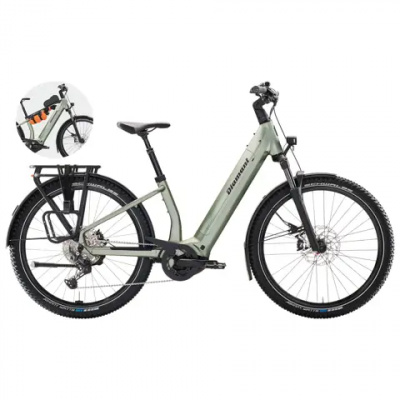
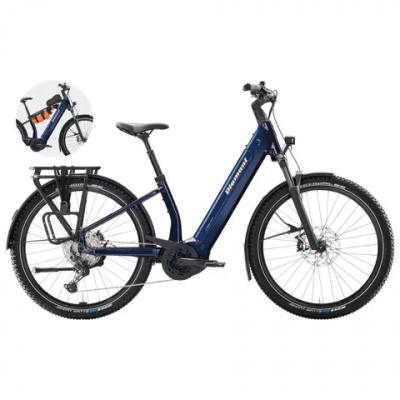
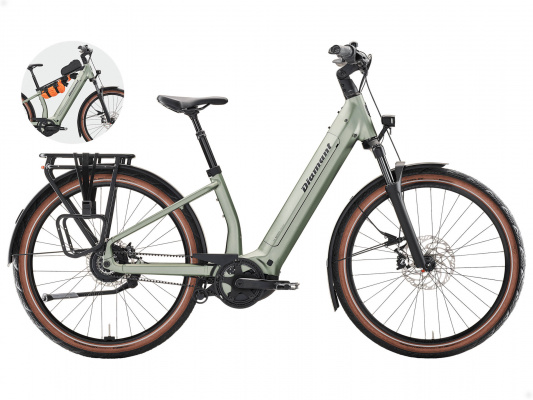
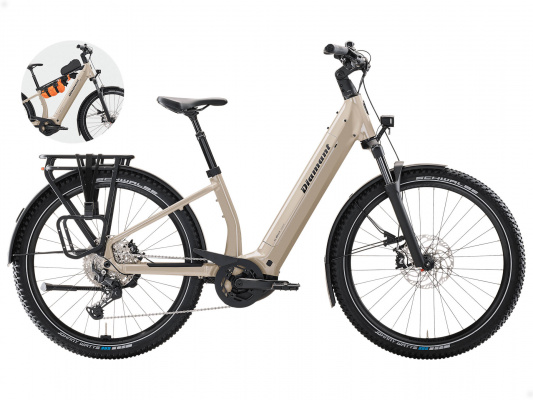
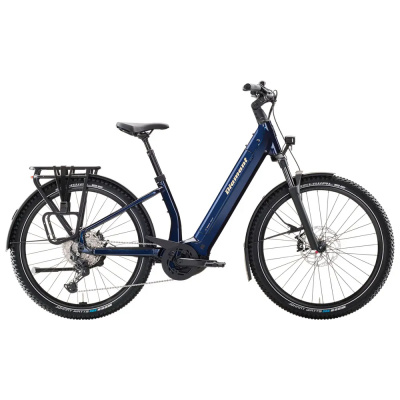
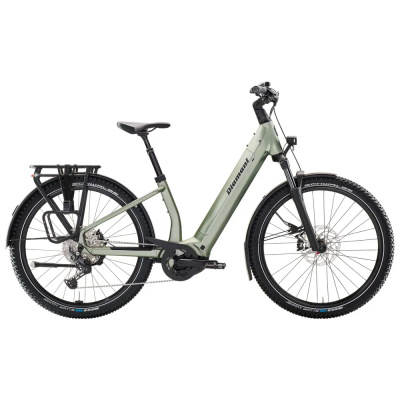
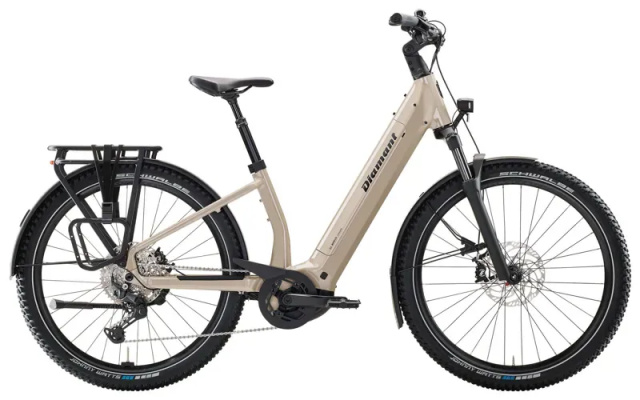
Diamant E-Bikes sit in a rare position in the market: over 130 years of German manufacturing behind them, and the full engineering weight of Trek pushing them forward. That combination matters. You're not buying into a brand that bolts a motor onto an existing frame and calls it a day - Diamant builds electric bikes from the ground up with commuting, touring, and everyday reliability as the brief.
The range focuses squarely on riders who want a bike that genuinely replaces short car journeys. Think year-round commuters, weekend tourers, and anyone who needs to arrive somewhere without arriving sweaty. Bosch motor systems sit at the heart of every model, matched to Diamant's own frame architecture and finished with the kind of spec - mudguards, integrated lights, rack mounts - that most competitors charge extra for.
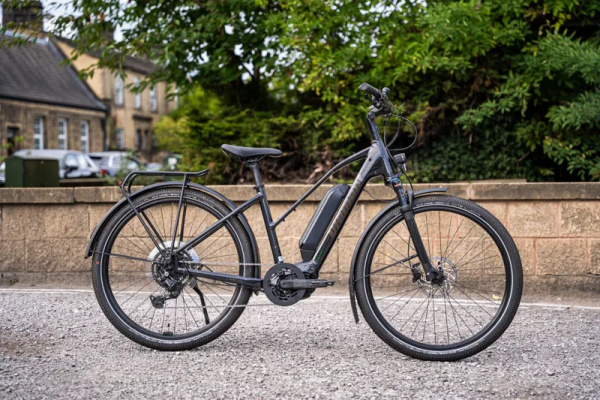
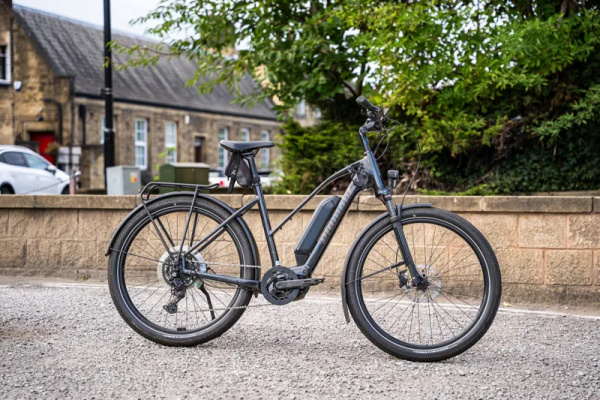
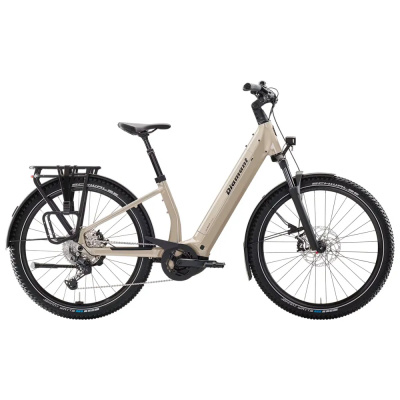
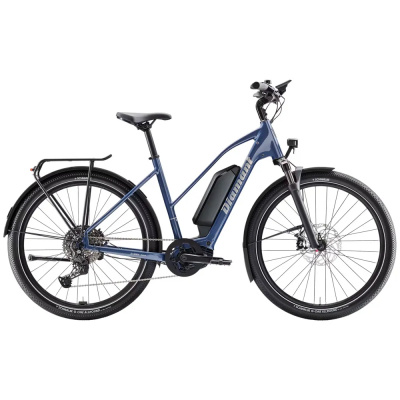
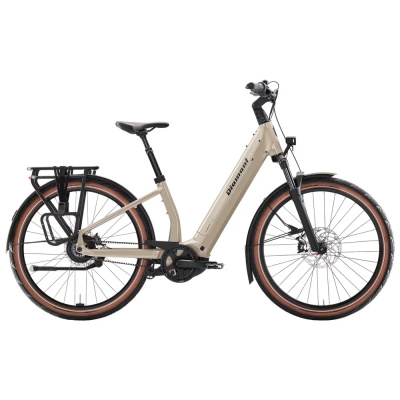
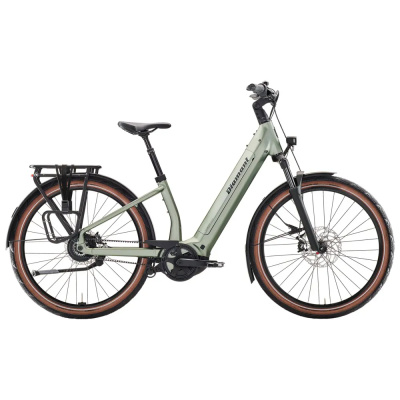
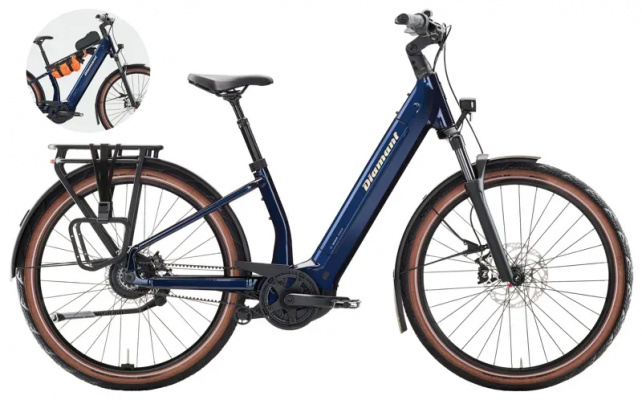
Step-through frame options run across the lineup, making mounting and dismounting in traffic straightforward. The battery integrates cleanly into the downtube, keeping the silhouette tidy without making charging a faff. If you're comparing Cube e-bikes or Bergamont e-bikes at a similar price point, Diamant's factory-fitted accessories and Bosch integration give it a strong argument right out of the box.
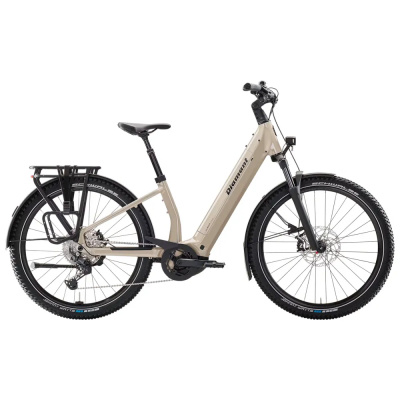
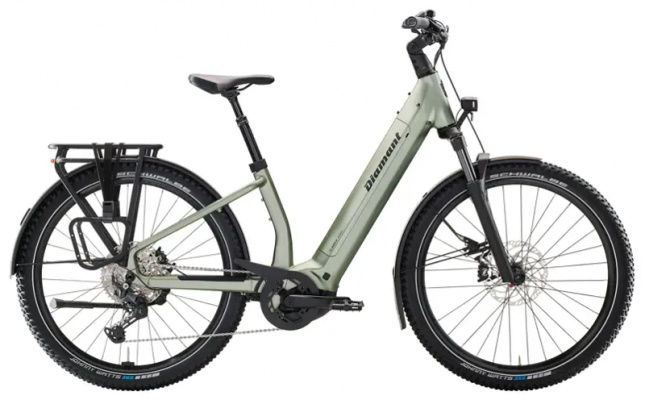
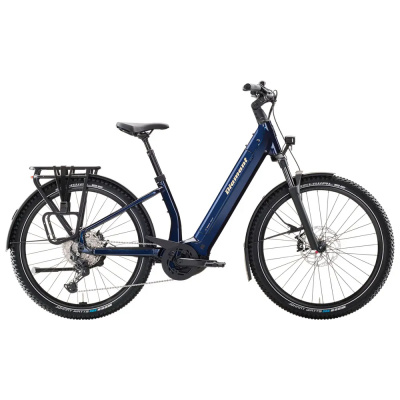
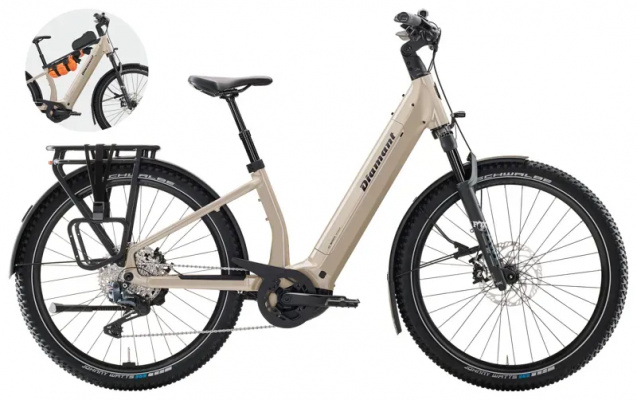
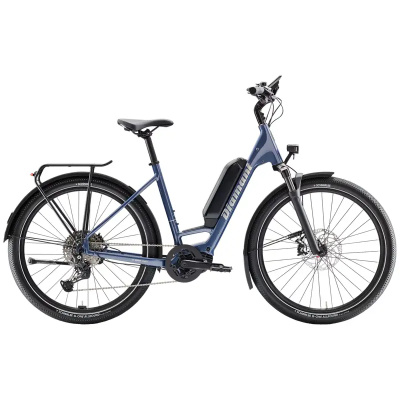
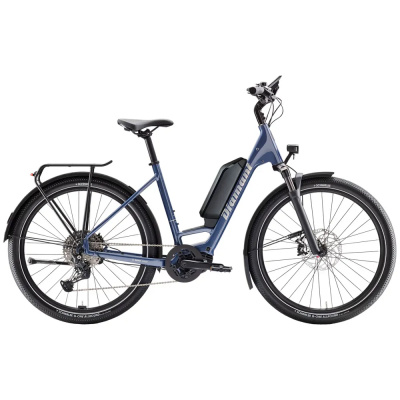
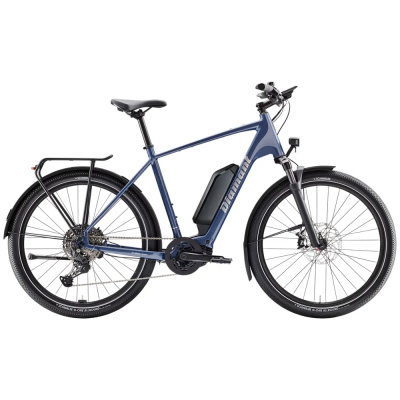
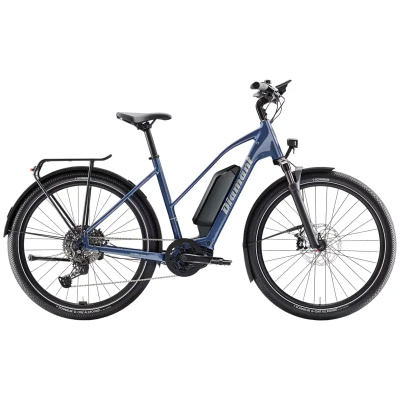
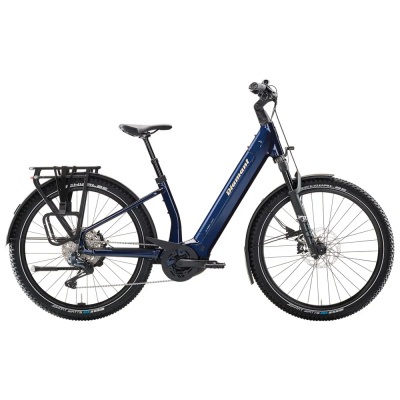
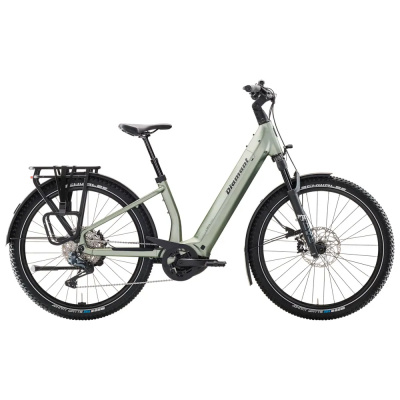
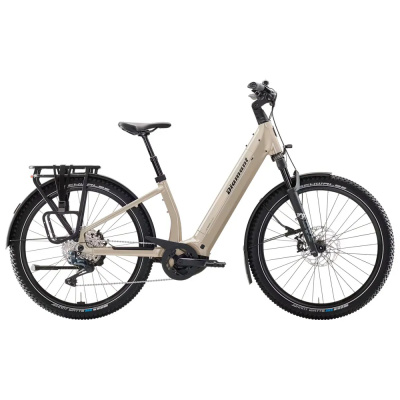
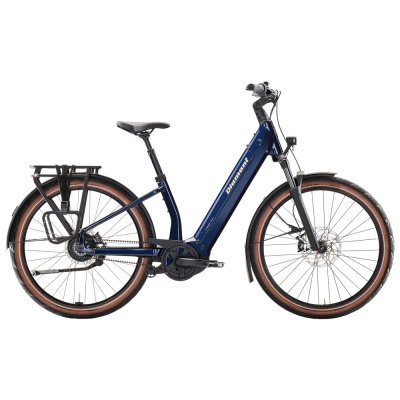
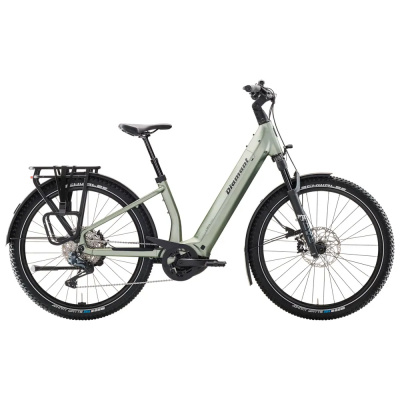
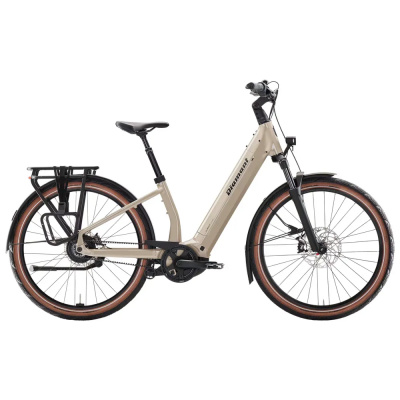
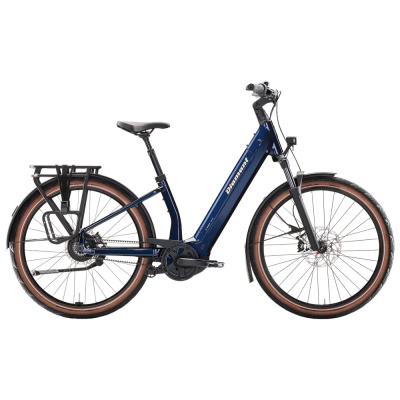
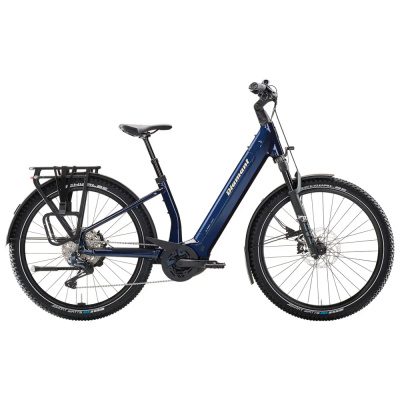
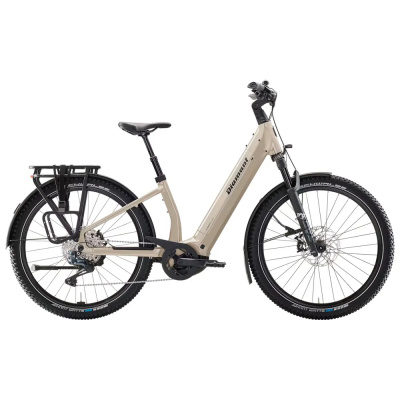
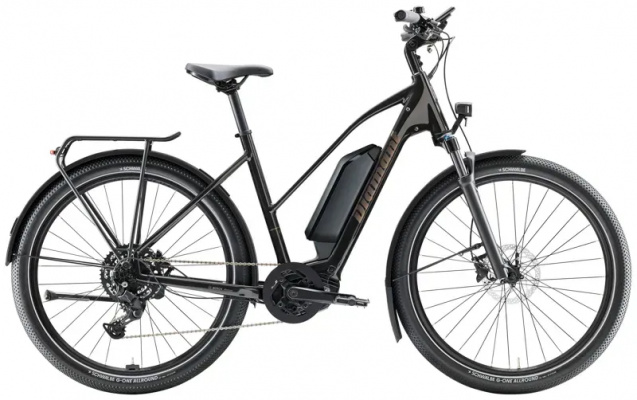
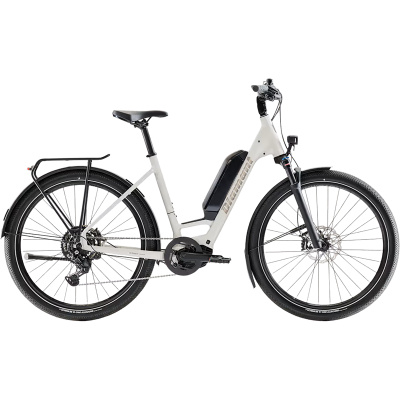
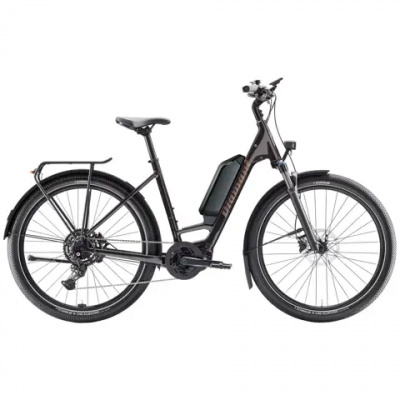
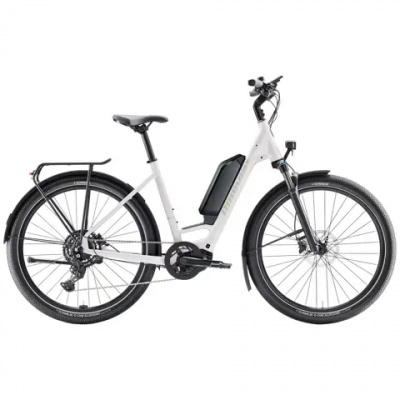
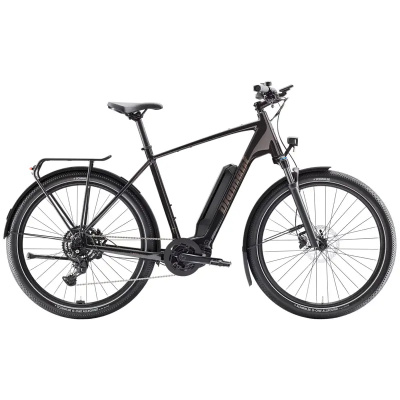
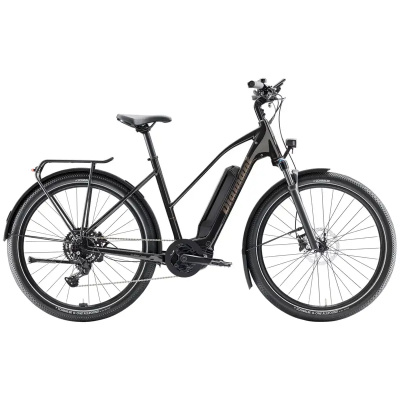
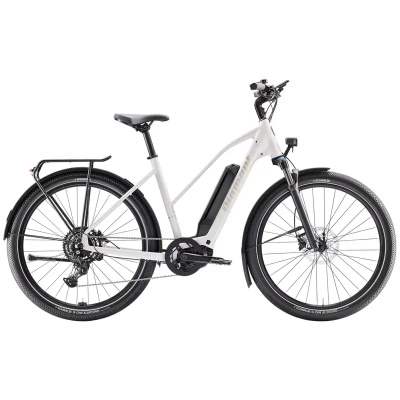
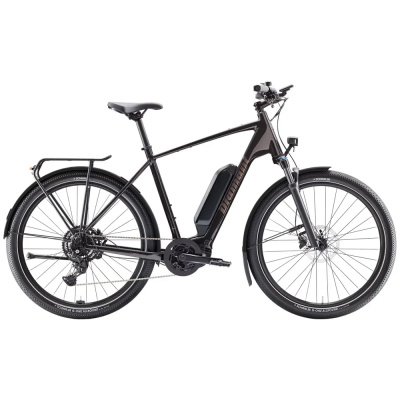
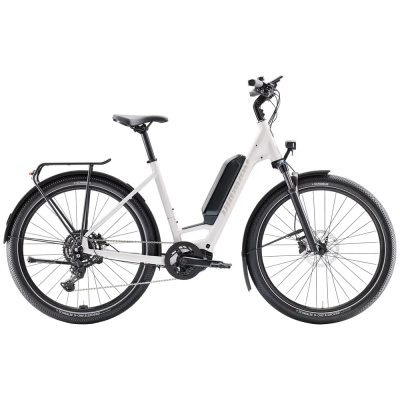
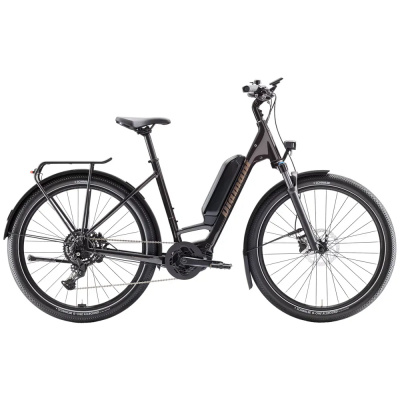
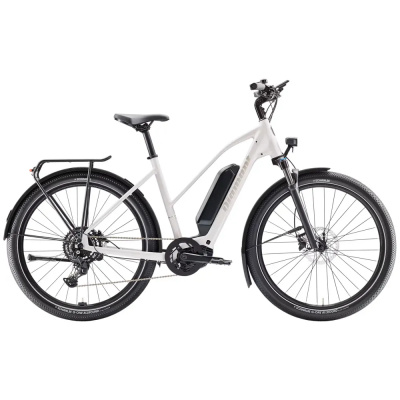
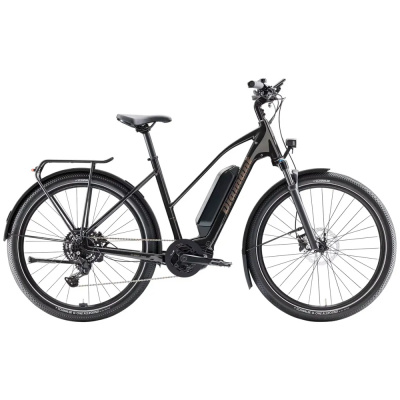
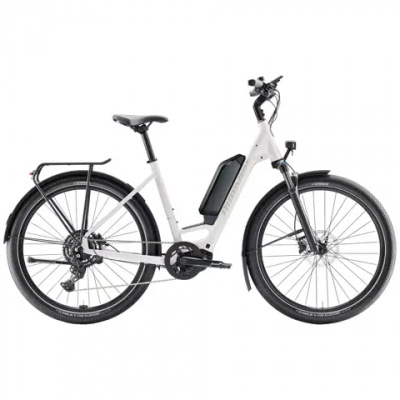
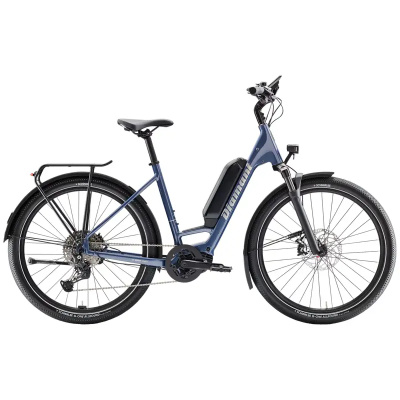
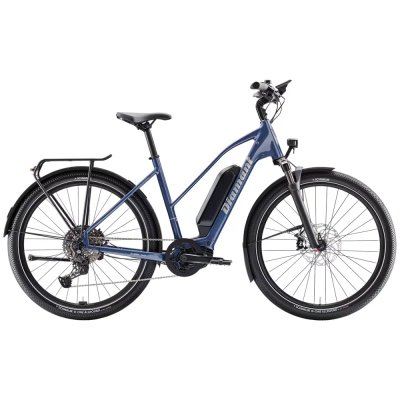
Prices and availability can change quickly. Delivery charges are not always included in listed prices.
Final price, stock status and delivery terms are set by retailer. We may receive a commission on purchases made.
Decoding the Diamant E-Bike Lineup
Three families cover most of what Diamant does, and the differences between them are meaningful rather than cosmetic. The Zouma+ is the fast end of the range - rigid fork, road-oriented geometry, built for smooth tarmac commutes where you want efficiency over cushioning. It's the one to pick if your route is mostly well-surfaced roads and you're covering distance daily. The Mandara+ broadens the brief considerably. A suspension fork up front absorbs the kind of chip-and-patch road surfaces that cover most of the UK outside major city centres, and the geometry is more relaxed - better for longer days in the saddle on mixed surfaces. If you've ever ridden a rigid bike across a potholed B-road on a wet Tuesday morning, you'll understand immediately why that fork matters. The Beryll+ takes things further still toward comfort, with a more upright riding position that prioritises ease and visibility over speed. It's a city bike in the truest sense - approachable, practical, unfussy.
The + suffix across the range simply denotes the electric model. Straightforward, once you know it. Diamant's non-assisted hybrid bikes use the same naming convention without the plus, so keep that in mind when you're comparing models on the grid.
The Tech That Makes These Bikes Work
Diamant's relationship with Bosch isn't just a parts-bin decision - it runs through the whole design process. The Bosch Smart System integrates motor management, ride tracking, and navigation through a single connected platform, accessible via the Kiox or Purion display depending on the model. You can tune assist levels, monitor battery state, and connect to the eBike Flow app without needing a separate computer. For daily commuters, that connectivity is genuinely useful rather than a feature for the brochure.
The motor itself varies by model. City-focused bikes typically run the Bosch Active Line Plus, which is quieter and smoother at lower cadences - well-suited to stop-start urban riding. The more capable models in the Mandara+ range step up to the Bosch Performance Line CX, which delivers considerably more torque and responds faster to pedalling input. The CX is the motor you want if your commute involves any meaningful gradient or if you're loading the bike with panniers.
Battery management is handled through Diamant's Removable Integrated Battery system - shared architecture with parent company Trek. The power pack lives inside the downtube, keeping the frame looking clean, but slides out without tools for indoor charging. That matters more than it sounds. Leaving a lithium battery in a cold garage all winter degrades it faster than most people realise; being able to bring it inside easily extends its working life considerably.
The frames themselves use Hydroformed Alpha Aluminum - a process that shapes the tubing under internal pressure to produce profiles that are stiffer where stiffness helps and lighter where it doesn't. It's the same material approach Trek uses across its own range, which tells you something about the standard Diamant is held to. Motor Armor protection shields cover the motor unit on relevant models, guarding against the kind of debris and kerb strikes that urban riding throws at drivetrain components regularly.
Living with a Diamant on UK Roads
Britain's roads are an acquired taste. Pot holes, drain covers, patchy resurfacing, and six months of wet weather - none of that is kind to a bike, electric or otherwise. Diamant builds its bikes with that reality accounted for rather than ignored.
Factory-fitted mudguards are standard across the range. That sounds like a small thing until you've spent a winter commute arriving with a stripe of road grime up your back because someone fitted a bike without them. Integrated front and rear lighting, also standard, means you're legal and visible without spending extra on accessories before your first ride. For a Diamant trekking electric bike doing year-round mileage, these aren't optional extras - they're the point.
The suspension fork on the Mandara+ earns its weight on the kind of roads you find outside the M25. Yes, a suspension fork adds a kilogram or so compared to a rigid alternative, and it introduces a small amount of energy loss through compression on smooth surfaces. That's the trade-off. But on a 45-minute commute across uneven tarmac, the difference in comfort and control is significant. Riders covering longer distances or carrying weight in a front bag will feel the benefit most.
Cold snaps are where the RIB system proves its worth in a practical sense. Lithium cells perform notably worse below five degrees and degrade faster if stored cold long-term. Being able to slide the battery out in seconds and keep it somewhere warmer overnight is a real advantage through a British winter - no faff, no excuses for not doing it. If you want to protect the frame itself from winter grime and salt, Diamant frame protection is worth a look before the weather turns.
Riders wanting to personalise their setup beyond the factory spec have options. Diamant saddles cover a range of widths and padding levels for riders who find the stock saddle isn't quite right after a few weeks, and Diamant mudguards are available if you're building out a non-standard frame or replacing worn originals. Considering a non-electric Diamant as well? Diamant gravel bikes use a similar frame philosophy without the motor for riders who want to go lighter.
Worth knowing on the Diamant Zouma vs Mandara question: if your commute is mostly smooth city roads, the Zouma+'s rigid fork and more forward geometry will feel snappier and more direct. If there's any real roughness in your route, or you're planning weekend touring on top of daily commuting, the Mandara+ is the more versatile choice. It's not a dramatic performance difference - it's a comfort and confidence difference over time.
Related searches:
Diamant E-Bikes FAQs
Are Diamant e-bikes good quality?
Diamant builds to a high standard. The brand is owned by Trek and shares the same quality control and material standards - Hydroformed Alpha Aluminum frames, Bosch drive systems, and component specs that are chosen for durability over budget. These are bikes designed for daily use over years, not months. The long-standing German manufacturing heritage adds further reassurance on build consistency.
Where are Diamant electric bikes made?
Diamant bikes are designed in Germany and produced at their historic Hartmannsdorf facility - the same site the brand has operated from for well over a century. Being part of Trek means they benefit from global R&D resources and strict production standards, but the manufacturing base remains in Germany rather than being outsourced.
What motor do Diamant e-bikes use?
All Diamant e-bikes run Bosch motor systems. City-focused models typically use the Bosch Active Line Plus, which is quieter and well-suited to flat urban commuting. More capable trekking models step up to the Bosch Performance Line CX, which delivers higher torque and faster pedal response - more useful on hilly routes or when carrying luggage.