
Diamant Gravel Bikes
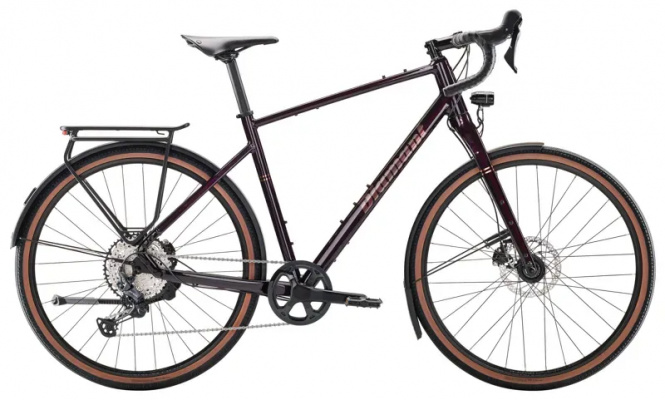
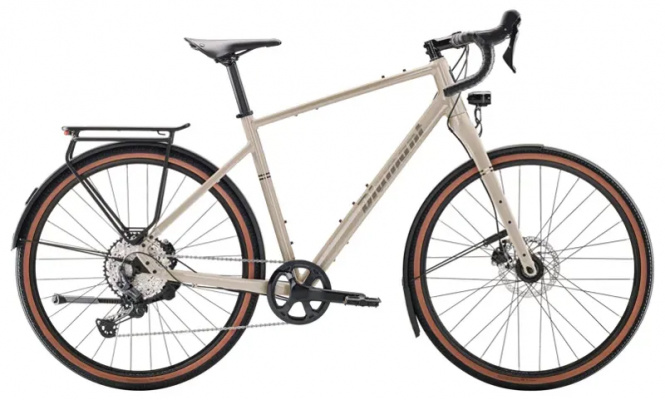
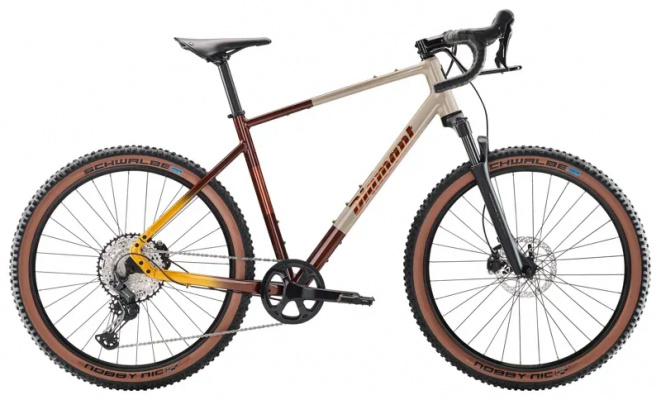
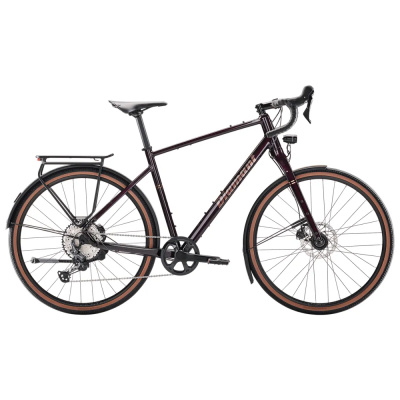
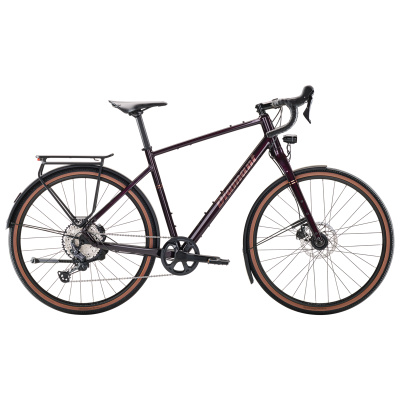
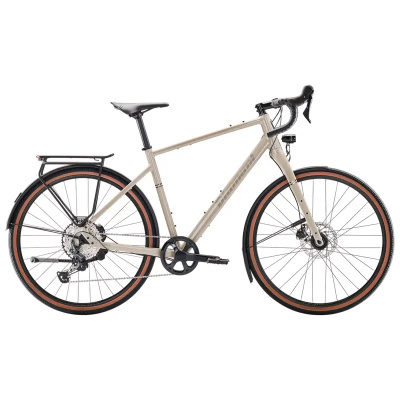
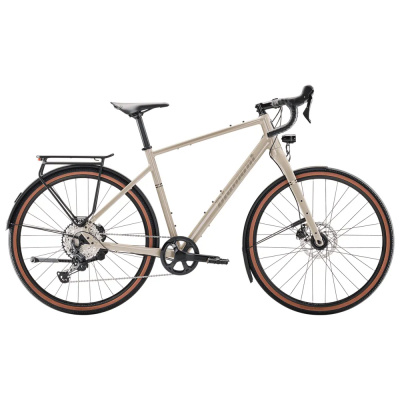
Diamant Gravel Bikes sit in an interesting corner of the market - over 135 years of German cycling pedigree, now backed by Trek's engineering clout, producing gravel bikes that are quietly serious about covering ground. The Nhoma is the headline act: a pragmatic all-roader that doesn't fuss about whether you're grinding through potholed Shropshire lanes or threading bridleways in the Brecon Beacons. Alpha Aluminum frames keep weight honest and stiffness where it counts, while the carbon fork quietly soaks up the buzz from chipped tarmac and loose stone tracks. Geometry is progressive - longer wheelbase, measured head angle - so the bike sits steady when the surface goes unpredictable beneath you. Tyre clearance is generous enough for proper all-season rubber, and the mounting points mean you're never short of somewhere to bolt a bag or cage. These aren't bikes chasing race podiums. They're built around the reality of UK riding: variable weather, mixed surfaces, and the occasional decision to just keep going until dark. If you want confidence-inspiring reliability without paying for carbon you may never fully exploit, Diamant is worth serious consideration.
Prices and availability can change quickly. Delivery charges are not always included in listed prices.
Final price, stock status and delivery terms are set by retailer. We may receive a commission on purchases made.
Decoding the Diamant Gravel Lineup
The Diamant Nhoma gravel bike is where the range lives, and it covers a clear patch of ground - versatile all-road capability at a price point that doesn't require a long conversation with your bank manager. Build tiers split broadly between Shimano GRX and SRAM Apex groupsets. GRX is the more proven choice for UK mixed-surface use; it's designed specifically around gravel and rough-road riding, with ergonomics and shifting behaviour tuned for when your hands are cold and your gloves are damp. SRAM Apex builds bring 1x drivetrain simplicity - fewer decisions, less to catch mud, and a wide enough cassette range to haul yourself up sustained climbs without embarrassment. The choice between them usually comes down to familiarity and budget rather than outright performance difference at this level. Both are serviceable, widely supported, and won't leave you stranded waiting for obscure parts. If you want to explore Diamant's electrically-assisted options alongside the gravel range, our Diamant E-Bikes hub covers those separately. Worth knowing if longer loaded tours are on the agenda and you'd rather not arrive at camp completely cooked. For gravel riding that leans further toward the road end of the spectrum, it's also worth comparing notes with Boardman Gravel Bikes, which pitch themselves at a similar all-road audience.
The Engineering Behind the Frame
Diamant is owned by Trek Bicycle Corporation, and that relationship matters more than a badge swap. Trek's R&D filters directly into Diamant's frame construction - the Alpha Aluminum used on the Nhoma is the same material grade Trek applies across its own alloy gravel and road bikes. It's hydroformed and butted to reduce weight at low-stress sections while keeping material where the frame actually needs it. The result is a frame that feels taut and responsive under power, not the dead-legged sensation you sometimes get from cheaper alloy construction. Paired with a carbon fork, the whole package manages vibration sensibly. The fork is doing the work on the technical stuff - absorbing the constant chatter of loose gravel or broken tarmac - while the alloy rear delivers the accuracy you want when you're putting out watts. Progressive endurance gravel geometry means a longer wheelbase and a slightly slacker head tube angle than you'd find on a race-focused machine. In practice, that translates to a bike that tracks straight on loose descents and doesn't demand constant micro-corrections. Stack is on the taller side for the category, which suits longer days in the saddle rather than an aggressive position that punishes you by mile forty. Mounting points are plentiful - integrated hidden rack and fender mounts are built into the frame rather than bolted on as an afterthought, which keeps lines clean and means the bike works as a practical daily machine as readily as a weekend adventure rig. Compared to something like Cube Gravel Bikes at a similar price, Diamant's frame spec holds up well - particularly the quality of the fork and the thoughtfulness of the mounting arrangement.
Running a Diamant Through a UK Year
If you're going to ride this bike in Britain rather than a brochure, the details that matter most are tyre clearance, mudguard compatibility, and how well the frame survives contact with the rough stuff. Most Nhoma frames clear up to 45mm tyres - that's the right number for UK all-season use. Run 40mm in summer when the tracks are dry and speed is appealing; switch to something chunkier and more compliant in winter when Welsh bridleways turn to peanut butter. The clearance between tyre and frame stays workable even with a loaded mudguard sitting over the wheel. Speaking of which - fit guards. It's not optional if you're riding from October through March. The integrated hidden rack and fender mounts mean full-length mudguards attach cleanly without adapters or awkward P-clips, and the geometry accommodates the extra visual bulk without looking bodged. Check out Diamant Mudguards for compatible options that actually fit the Nhoma properly rather than guessing from a generic size chart. Down tube and chainstay protection is worth thinking about too - Alpha Aluminum is tough, but repeated flint strikes and grit blasting the underside of the frame will mark it up over time. A few strips of Diamant Frame Protection applied to the vulnerable sections keeps things looking sharp and adds a small but real layer of defence. On the saddle front, longer gravel days tend to expose mismatches in saddle shape fairly quickly - if you find the stock seat isn't working for you after a few rides, Diamant Saddles are worth browsing as a direct-fit upgrade. One note on the drivetrain: a 1x GRX setup is clean and capable, but if your regular routes involve extended steep climbing - think the longer ascents in the Dales or anywhere in the Scottish Borders - check the cassette range before you commit. Most builds ship with enough low-end gearing, but it's worth confirming against your usual climb gradients rather than finding out mid-ride. For another take on how Diamant stacks up against broader gravel competition, Canyon Gravel Bikes offer a useful direct-order comparison at overlapping price points.
Related searches:
Diamant Gravel Bikes FAQs
Are Diamant gravel bikes made by Trek?
Diamant is owned by Trek Bicycle Corporation, so yes - the connection is direct. Gravel frames benefit from Trek's R&D pipeline, including shared Alpha Aluminum grades, geometry development, and manufacturing processes. It's not a licensing arrangement; it's the same engineering house working on both brands.
What is the maximum tyre clearance on a Diamant gravel bike?
The Nhoma clears up to 45mm tyres comfortably. That gives you genuine flexibility - run something faster and lighter in dry conditions, then swap to a wider, grippier tyre for winter mud without the frame becoming the limiting factor. Mudguard clearance holds up well at that width too.
Are Diamant bikes good for bikepacking?
They're well set up for it. Integrated frame mounts cover racks, extra bottle cages, and handlebar or top tube bag anchor points - so you're not improvising storage solutions. The progressive geometry keeps the bike stable under load, which matters more than most people expect once you're carrying three days of kit.