
Decathlon Pannier Bags
Decathlon pannier bags span two distinct sub-brands - Elops for urban riding and Riverside for touring - and between them they cover more ground than you might expect from a single manufacturer at this price point. Whether you're threading through city traffic with a laptop on your back wheel or grinding a loaded multi-day route through the Cairngorms, there's a bag in this range built for the job. The higher-tier models lean on high-frequency welded PVC and polyester construction, roll-top closures, and IPX4 to IPX6 waterproof ratings that take persistent UK rain seriously rather than just tolerating a light shower. Adjustable mounting hooks accommodate standard rack tube diameters across the board, and several models integrate Vioo Clip light mounts directly into the bag body - handy when the days get short and the roads get grim. The entry-level 100-series keeps things simple and affordable; step up to the 500 or 900-series and you're getting welded seams and genuine weather protection. If you need something to carry off the bike too, our Decathlon rucksacks are worth a look alongside. For on-frame storage options, browse our dedicated frame bags category as an alternative approach to bike packing.
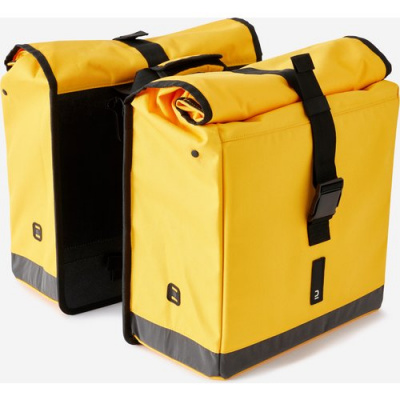
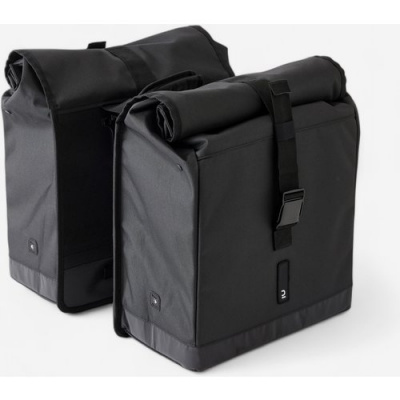
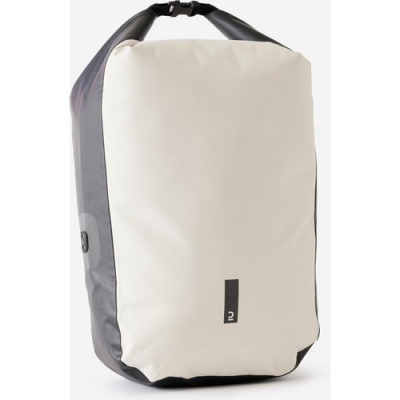
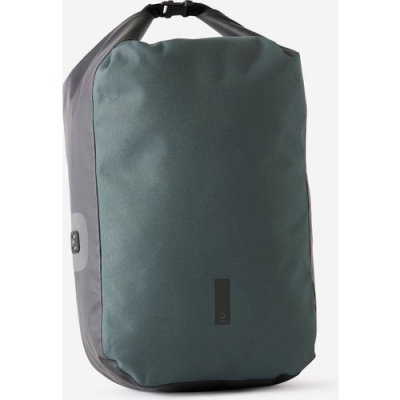
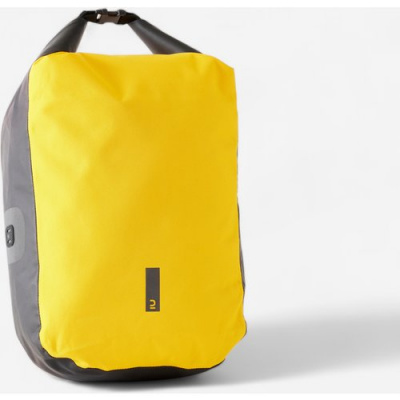
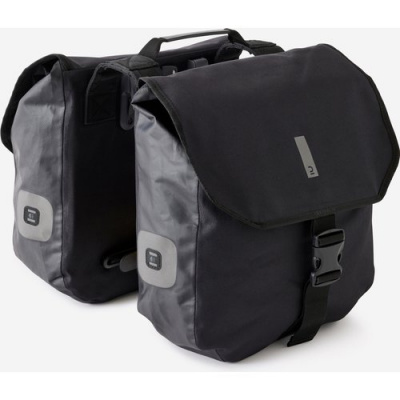
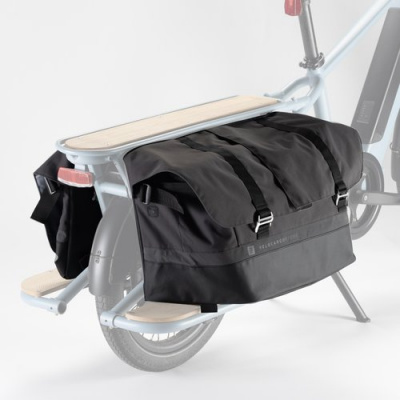
Prices and availability can change quickly. Delivery charges are not always included in listed prices.
Final price, stock status and delivery terms are set by retailer. We may receive a commission on purchases made.
Getting the Fit Right: Rack Compatibility and Heel Clearance
Most Decathlon panniers use adjustable top hooks designed to grip rack tubing anywhere between 8mm and 16mm in diameter - which covers the vast majority of aluminium and steel racks you're likely to be running. That said, rack compatibility isn't just about whether the hooks grip. The fore-and-aft position of the bag on the rack matters just as much. Set the bag too far back and it's dragging on your rear wheel; mount it too far forward and your heel clips the bag on every pedal stroke, which gets old fast on a longer commute. Adjust until you've got clean heel clearance with your foot at the bottom of the stroke, then lock it in. It takes two minutes in the car park and saves a lot of irritation on the road.
If you don't yet have the hardware to hang these bags from, check out our Decathlon lights page while you're here, or head straight to a dedicated pannier racks category to find something that pairs up cleanly. The Vioo Clip light attachment integration built into several Decathlon pannier models means your rear light clips directly to the bag rather than the seatpost - worth factoring in when you're speccing the full setup.
Elops vs. Riverside: Which Range Actually Suits You
Decathlon organises its pannier bags into a clear hierarchy, and understanding it saves you from overspending on features you don't need - or underspending on protection you do. The 100-series sits at the base: water-resistant rather than waterproof, functional for dry-weather commuting or light errands, but not something you'd trust through a proper Scottish soaking. Think of it as a fair-weather bag with the Decathlon price advantage doing most of the heavy lifting.
The Elops range is optimised for city use. You'll find laptop sleeves, removable shoulder straps, and more considered internal organisation - the kind of details that matter when you're going from bike to desk and back again. Waterproofing steps up through the 500-series, where welded seams start appearing and the IPX4 rating means sustained rain splashing from all directions won't get through. The 900-series pushes that to IPX6, which is genuinely robust - high-pressure water resistance that handles the kind of Welsh coastal squall that laughs at a standard seam-stitched bag.
The Riverside range drops the commuter niceties and focuses on volume and durability for touring. Roll-top closures replace zips at the higher tiers, load capacity litres increase, and the construction prioritises weather resistance over urban organisation. If you're loading up for a week on the road rather than a week at the office, Riverside is where to look. Compared to something like Ortlieb panniers, Decathlon's touring bags represent a significant saving in outlay for broadly similar waterproofing principles - though Ortlieb's German-built construction and lifetime repair support are hard to argue with if longevity is the priority. Altura panniers sit somewhere in between: UK-market focused, mid-range pricing, with a strong commuter presence of their own.
Keeping Them Working Through a UK Winter
The weak point on any budget pannier isn't the fabric - it's the mounting hardware. Spring-loaded hooks are exposed to everything the road throws up: salt, grit, road spray, and the general misery of a British January. If you leave them unchecked, the springs start to corrode and the release mechanism gets stiff or seizes altogether. That's annoying when you're trying to unload quickly at the end of a commute in the dark.
The fix is straightforward. Rinse the whole bag down after wet rides, paying attention to the hook area where grit accumulates. A wipe with warm soapy water handles the PVC and polyester outers without degrading the material - avoid anything solvent-based or harsh, since aggressive degreasers can strip the welded seam bonds over time. Once it's dry, put a single drop of dry PTFE lube on the hook spring mechanism and work it through the movement a few times. Not wet lube - that attracts more grit and defeats the point. Dry lube, minimal application, done. Do it monthly through winter and the hooks stay snapping back cleanly rather than gumming up on you.
The high-frequency welded PVC construction on the upper-tier bags is genuinely low-maintenance compared to stitched alternatives, since there are no thread lines for water to wick through. But a regular check of any external seams and attachment points keeps small issues from becoming bigger ones mid-tour. If you're commuting year-round, Elops pannier bags in the 500-series and above represent the most practical starting point - the waterproofing is meaningful rather than nominal, and the mounting system is refined enough to handle daily on-off cycles without wearing prematurely. For riders weighing up the full Decathlon ecosystem, BTwin pannier bags are also worth comparing - they share similar construction principles and occasionally offer alternative sizing or colour options within the same price bracket.
Decathlon Pannier Bags FAQs
Are Decathlon pannier bags fully waterproof?
The 500 and 900-series bags carry IPX4 to IPX6 ratings, backed by welded seams and roll-top closures - that's genuine waterproofing, not just water resistance. The entry-level 100-series is water-resistant only, so in heavy UK downpours you'd want a separate rain cover or to step up the range.
Will a Decathlon pannier fit my existing bike rack?
Most Decathlon panniers use adjustable top hooks that fit standard rack tube diameters from 8mm up to 16mm, which covers the majority of racks on the market. Check your rack's tube gauge first, then adjust the bag's fore-and-aft position to make sure you've got adequate heel clearance before heading out.
How do I clean and maintain my pannier bag?
Wipe down PVC or polyester fabric with warm soapy water - avoid solvents or harsh cleaners that can damage welded seams. Focus on the spring-loaded mounting hooks, where road grit and salt accumulate over winter. A drop of dry PTFE lube on the hook springs, applied monthly, keeps the release mechanism working cleanly.