
Cube MTB Baggy Shorts
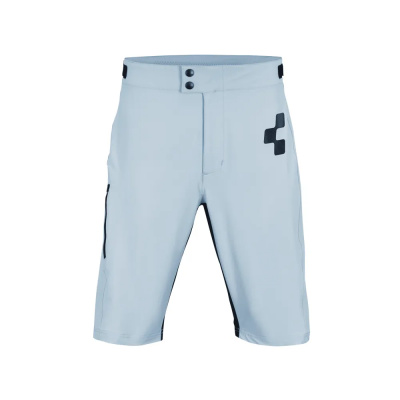
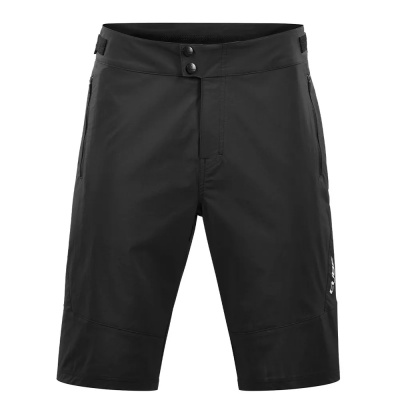
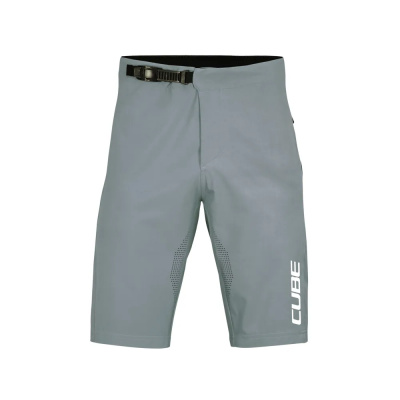
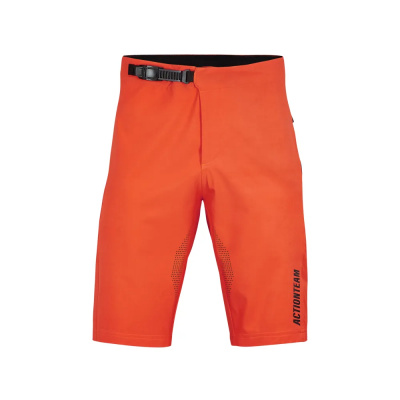
Cube MTB baggy shorts sit at the practical end of the range - no-nonsense trail kit built around durability, mobility, and enough weather resistance to handle whatever a British riding day throws at you. Ripstop nylon construction means gorse snagging and bramble-whipping don't chew through the fabric after a few runs, while 4-way stretch panels keep your pedal stroke free and unhindered whether you're grinding up a Welsh forest climb or attacking a rooty descent in the Peaks.
DWR coating is the quiet workhorse here. It won't turn rear-wheel spray into a paddling pool situation, and it buys you time on those rides where the weather turns mid-loop. Laser-cut ventilation keeps things from getting oppressive on muggy summer climbs in dense woodland - the kind of air you could almost chew. Zipped pockets secure your phone and lift pass without flapping about, and the adjustable waist tabs mean the shorts stay put on rough ground, not riding up or slipping down at awkward moments.
The inseam length is cut deliberately to sit just over the top of knee pads - no bare shin gap, no bunching. Whether you're an enduro racer or a weekend singletrack regular, the range offers a fit profile that works with protection rather than fighting it.
Prices and availability can change quickly. Delivery charges are not always included in listed prices.
Final price, stock status and delivery terms are set by retailer. We may receive a commission on purchases made.
Fabric Tech and How It Handles UK Weather
The foundation of Cube's baggy shorts is ripstop fabric - a tight grid-weave construction that stops small tears from spreading. On overgrown singletrack where brambles are basically barbed wire and gorse is doing its best impression of a cheese grater, that matters. You're not treating these as disposable kit after one bad line choice.
Layered on top of that durability is 4-way stretch, which is where the riding performance lives. A fabric that resists tearing but won't give you any movement is just armour. The stretch panels in Cube's trail and enduro shorts allow full hip and knee flexion through the pedal stroke - crucial on technical climbs where body position shifts constantly. Stiff shorts fight you. These don't.
The DWR (Durable Water Repellent) coating handles the persistent reality of UK riding: it's rarely a downpour, more often a constant mist, puddle spray off the rear wheel, and wet vegetation slapping your legs. DWR beads that off rather than letting it soak through. It's not waterproofing - don't mistake it for that - but it handles the low-level wet that makes up 80% of soggy British rides. When the coating starts to wet out after heavy use, it can be revived (more on that below).
Laser-cut ventilation perforations deal with the other end of the spectrum: humid, close summer days in dense woodland where there's no airflow and you're generating serious heat on the climbs. The perforations are precise enough not to compromise the fabric's integrity while still moving air where it's needed most.
Fit, Range, and Getting the Sizing Right
Cube mountain bike shorts come in trail and enduro-oriented cuts, and the distinction is worth understanding before you buy. Trail-focused options tend to sit slightly slimmer through the thigh - tidier for riders who mix technical singletrack with longer pedalling sections. Enduro cuts run more relaxed, giving extra room for armoured knee pads and more dynamic body movement on aggressive descents.
The adjustable hook-and-loop waist tabs are genuinely useful, not just a marketing checkbox. On a rough descent where you're out of the saddle and moving around the bike, a waistband that's even slightly loose will migrate. The tabs let you dial the fit at the start of a ride - snug enough to stay put, not so tight it's restrictive when you're breathing hard on a climb.
Inseam length is probably the most overlooked spec when buying baggy shorts. Too short and you get the gap between the hem and the top of your knee pad - exposed skin that takes the full force of any contact with a rock or root. Cube's inseam lengths are cut to land just over the knee pad's upper edge, keeping that gap closed without the hem bunching awkwardly against the pad. If you're between sizes, sizing up on inseam rather than waist is usually the better call when wearing pads.
Looking for under-short padding or road-style lycra? Check out our dedicated liner shorts or bib shorts collections for the right foundation layer.
If you're comparing across brands, Fox MTB baggy shorts lean into a similar enduro-oriented construction, while Endura's baggy range tends to prioritise weather protection slightly more aggressively - useful context if DWR performance is your primary concern.
Layering, Kit Pairing, and Looking After the Shorts
Cube baggy shorts work best as part of a system rather than in isolation. Pair them with a fitted knee pad underneath - something slim-profile if you're on trail-focused shorts, a burlier option if you're in the enduro cut. The moisture-wicking properties of the inner fabric help here; they keep the contact layer between you and the pad from getting swampy on longer rides. A Cube hip pack complements the zipped pockets well for longer days where you need more than a phone and a gel.
If the weather turns properly grim, a short waterproof jacket over your jersey completes the picture. The DWR on the shorts handles the lower body; a breathable shell deals with the top. You don't need full waterproof trousers unless you're riding in sustained heavy rain - and if you are, fitting a Cube mudguard to your fork will reduce how much spray the shorts have to deal with in the first place.
On washing: don't let abrasive trail grit sit in the fabric between rides. It acts like sandpaper in the weave and accelerates wear faster than any crash would. Rinse the shorts promptly after muddy sessions, then wash on a gentle cycle. The critical point - skip the fabric softener entirely. It coats the fibres and destroys the DWR's ability to bead water. Use a technical wash like Nikwax Tech Wash instead. Once the DWR starts wetting out despite clean fabric, a dedicated DWR re-proofer (spray-on or wash-in, applied after cleaning) restores the coating. It takes ten minutes and adds significant life to the shorts.
For riders who spend time at trail centres with uplift, the zipped security pockets are genuinely worth having - a lift pass or locker key that stays put across multiple runs is a small thing that makes a real difference. Madison's baggy shorts offer a comparable pocket layout if you're weighing options, though Cube's waist adjustment system tends to feel more precise on the bike.
Rounding out the kit, pairing shorts with a Cube e-bike for longer days means you're covering more ground - which makes durable, well-fitting shorts even more relevant when you're putting in bigger days in the saddle.
Cube MTB Baggy Shorts FAQs
Do Cube MTB baggy shorts include a padded liner?
It varies by model - some Cube baggy shorts come with a removable padded liner built in, others are sold as a shell only. Always check the individual product listing before buying, or pair a shell-only option with dedicated liner shorts for saddle comfort on longer rides.
How should Cube mountain bike shorts fit?
Secure at the waist using the adjustable tabs, relaxed through the thigh for free movement, and long enough in the hem to sit just over the top of your knee pads - no exposed skin between pad and shorts. If you're in between sizes and wearing knee pads regularly, the larger size is usually the right call.
Are baggy shorts better for mountain biking?
For most off-road riding, yes. Baggy shorts offer far better abrasion resistance against rocks, roots, and trail debris than lycra, and the relaxed cut accommodates knee pads properly. They're also more comfortable on long descents where you're moving around the bike constantly.