
Cube MTB & Gravel Shoes
Cube MTB and gravel shoes are built around a straightforward idea: your feet take as much punishment as any other contact point on the bike, so the footwear needs to keep up. Whether you're threading singletrack in the Tweed Valley or grinding out a long gravel loop across the Peaks, Cube's off-road range covers the full spectrum from race-tight XC slippers to relaxed all-mountain kicks.
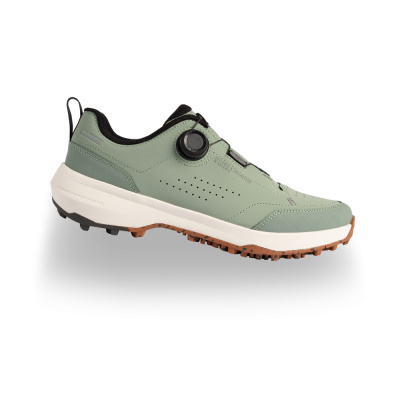
The headline technology is CUBE Natural Fit - an ergonomic last developed with medical input that gives your toes a little more room to breathe compared with traditional Italian-last shoes. That matters on a three-hour ride when your feet swell and the usual suspects start pinching. Pair that with fiberglass or carbon-reinforced outsoles for real power transfer, aggressive rubber lugs that actually shed UK mud rather than just wearing it as a badge, and BOA® Fit System dials that you can micro-adjust on the fly with cold, gloved fingers - and you've got footwear that's thought through properly.
Polyurethane uppers resist the kind of bramble-and-grit abuse that eats through cheaper materials, while breathable mesh panels stop your feet cooking on a humid August climb. SPD-compatible across the range means there's no faff with cleat standards, either.
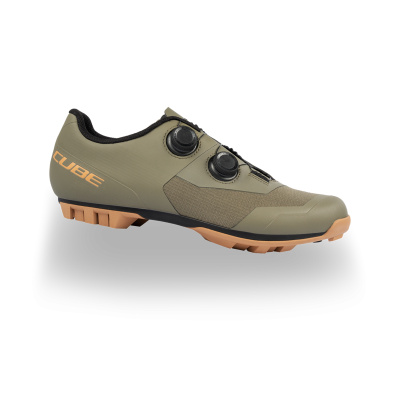
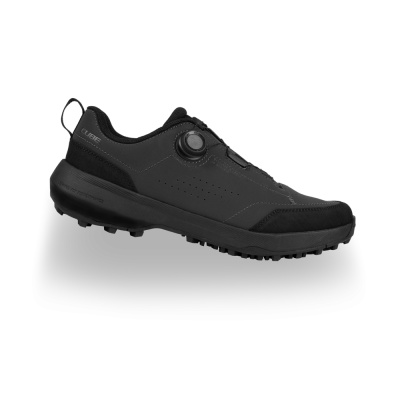
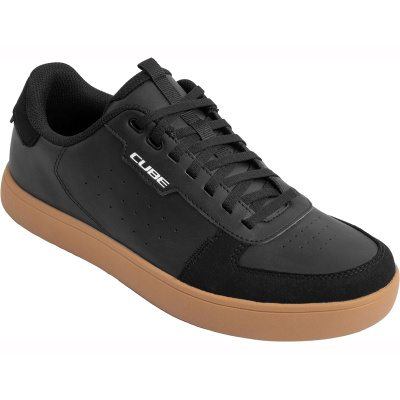
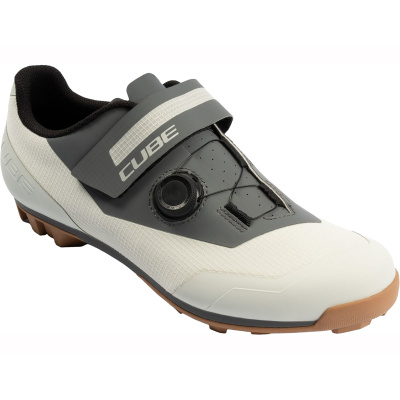
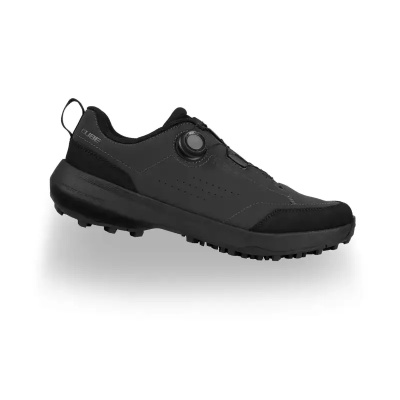
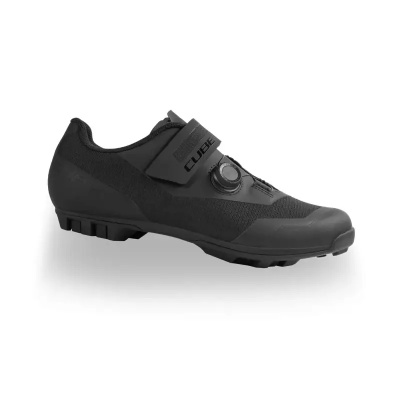
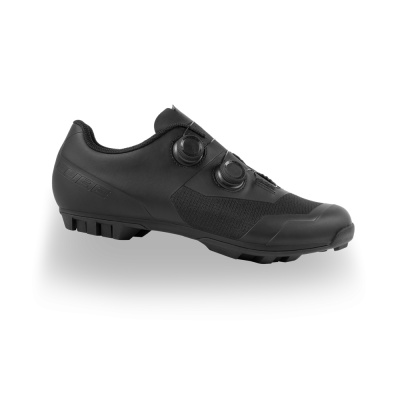
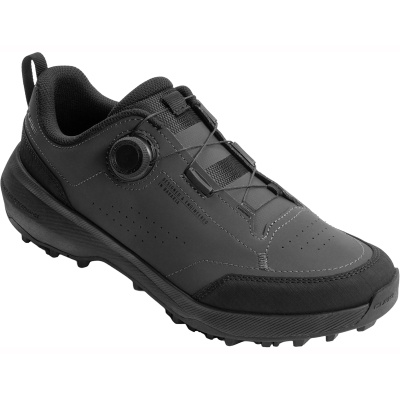
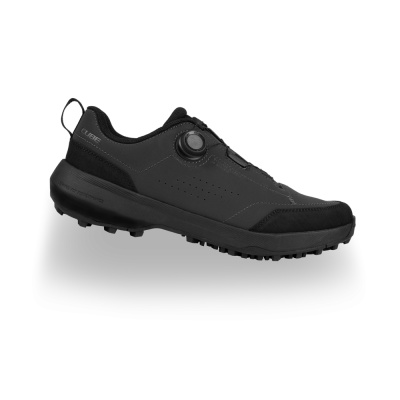
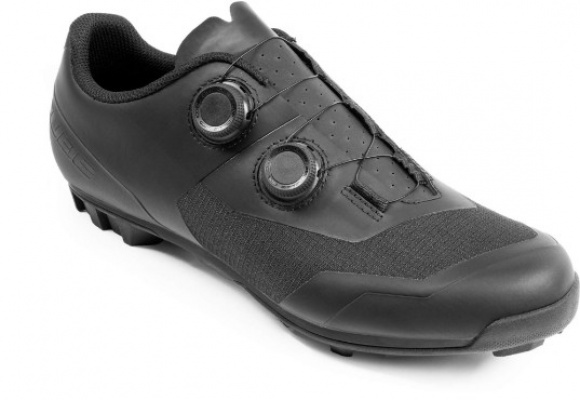
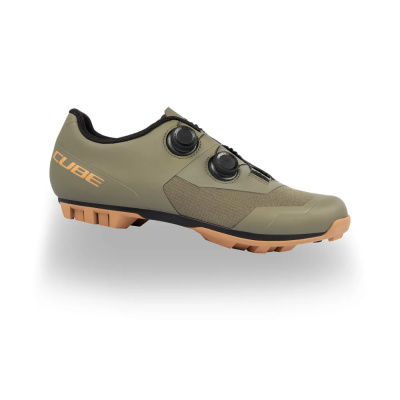
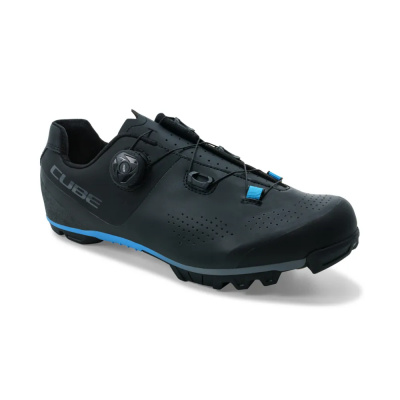
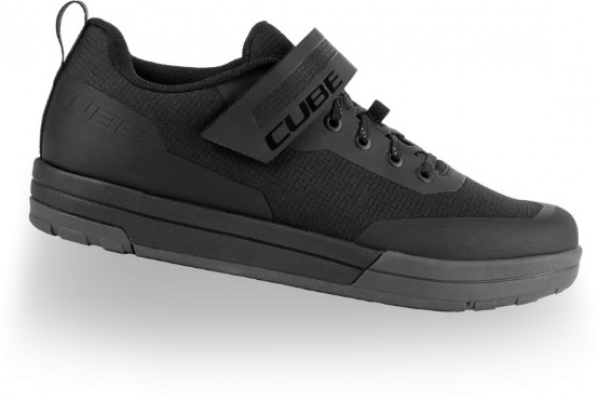
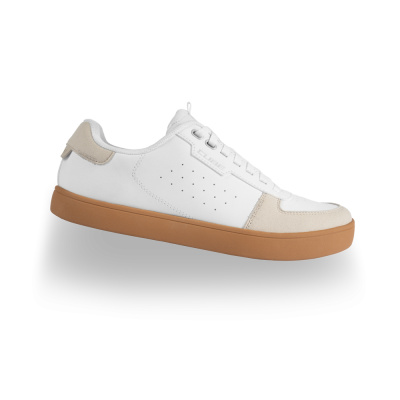
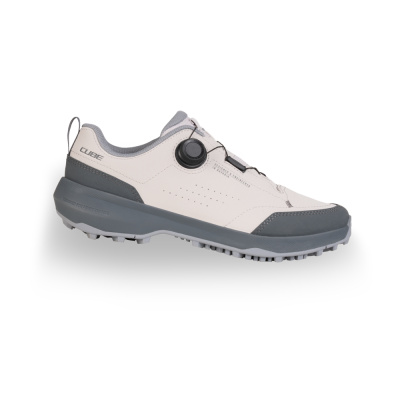
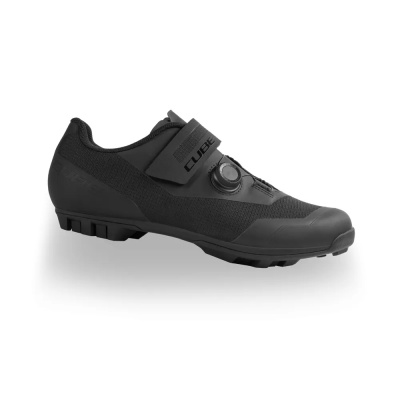
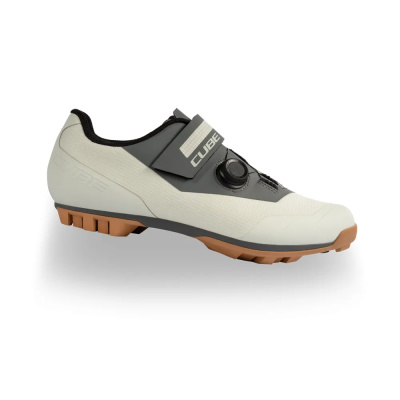
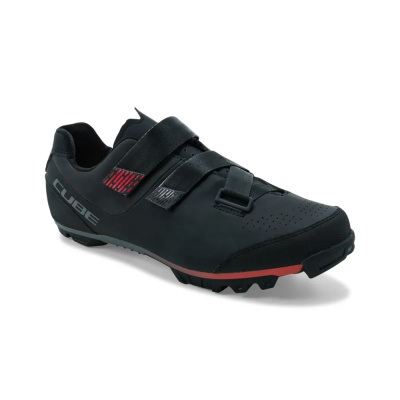
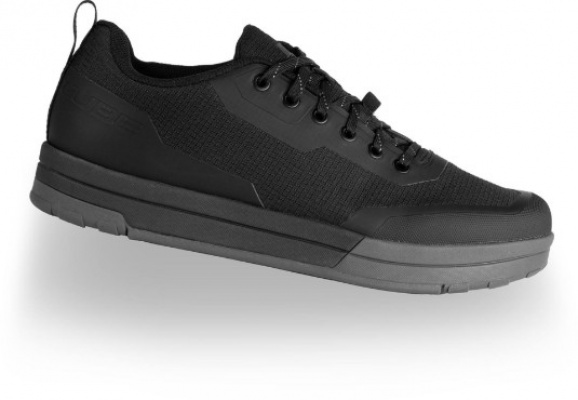
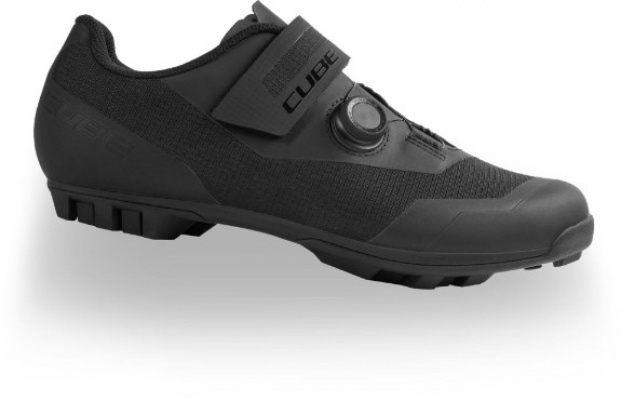
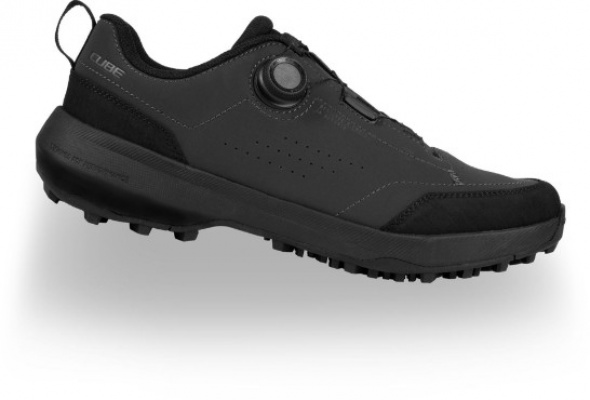
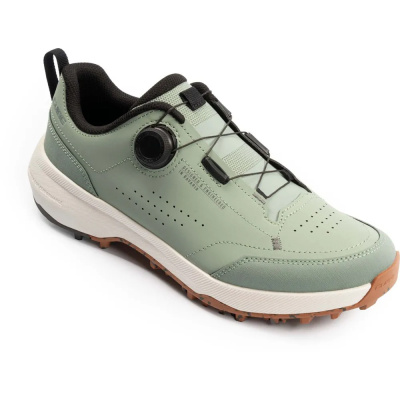
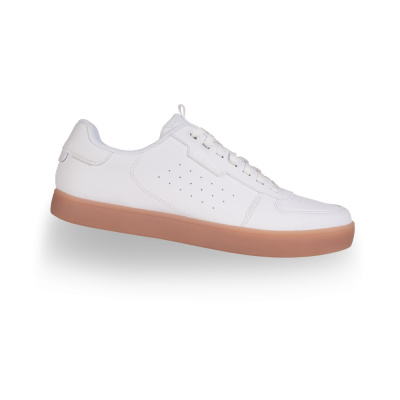
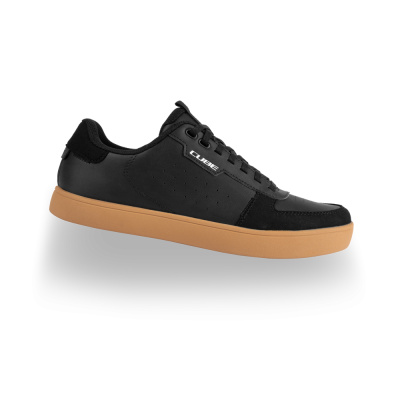
Prices and availability can change quickly. Delivery charges are not always included in listed prices.
Final price, stock status and delivery terms are set by retailer. We may receive a commission on purchases made.
Outsoles, Stiffness, and Wet-Weather Grip
Cube structures its outsoles around a stiffness index that roughly tracks discipline. XC and gravel-oriented shoes sit at the stiffer end - fiberglass or full carbon sole construction that locks in your foot position and channels every pedal stroke efficiently. Trail and all-mountain models step back from that rigidity deliberately, giving you enough flex underfoot to walk technical sections without hobbling like you've borrowed someone else's clogs.
The anti-slip rubber treads are the part that matters most for UK riding. A shoe that grips tarmac beautifully but polishes over a wet root is useless from October through April, which is most of the riding year if you're honest about it. Cube's lugged outsole patterns are deep enough to clear mud between steps - useful when you're pushing up a greasy Dartmoor climb and need purchase on every footfall. The lug geometry varies across the range; XC shoes keep it shallower for lower weight and better cleat clearance, while trail-focused models go chunkier for confident footing off the bike.
Upper materials do a lot of work here too. Polyurethane over the toe box and heel resists abrasion from rocks and undergrowth without absorbing water the way textile-only uppers can. Breathable mesh panels sit where airflow matters most - the forefoot - so summer rides don't turn into a sauna. It's a sensible balance rather than a single-material compromise.
How the Range Fits Together
The Cube shoe range splits into two clear camps, and picking the wrong one is the most common mistake riders make when buying off-road shoes.
At the XC and gravel end, you're looking at a snugger fit, higher stiffness index, and closure systems that lean on BOA® Fit System dials - sometimes a single dial, sometimes a dual-dial setup on higher-spec models. These are shoes optimised for time in the saddle. The gravel riding context is worth noting: Cube's XC-profile shoes work brilliantly with a gravel bike because the SPD cleat sits recessed enough to walk café stops or gate fastenings without embarrassing yourself. The stiffer sole pays back on long days where fatigue creeps into your pedalling efficiency.
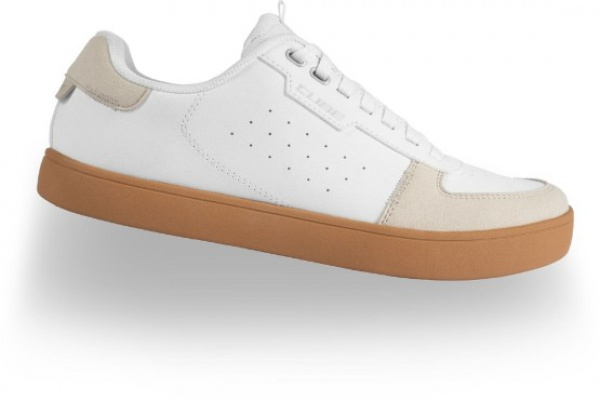
Trail and all-mountain shoes take a different approach. The last is broader across the toe box - that's the Natural Fit philosophy in practice - and the sole is flatter to work with flat or clipless platform pedals. Lace or Velcro closure combos appear here, which some riders prefer for their simplicity and ease of field repair if a BOA cable ever snaps mid-ride. The trade-off is slightly less micro-adjustability on the move. If your riding involves regular hike-a-bike sections on a Cube mountain bike, this profile is the more practical choice.
One thing worth flagging: if your riding is primarily on tarmac, this range isn't aimed at you. Road cycling shoes use a three-bolt cleat standard and a completely different sole geometry - check the road shoe category instead. These are genuinely off-road tools.
For comparison, Five Ten MTB shoes offer a strong flat-pedal alternative if you're not clipped in, while Giro MTB shoes and Fizik MTB shoes provide comparable clipless options at similar price points - though neither uses Natural Fit's specific ergonomic last, which is where Cube differentiates itself for riders who struggle with foot numbness or wide feet.
Looking After Your Shoes Through a UK Winter
Cube mountain bike shoes will take a battering across a British riding season, but a little routine care stretches their life considerably. The BOA dial is the part most riders neglect. Mud works into the mechanism over time and increases cable friction until the dial feels gritty and imprecise - an old toothbrush and a rinse under cold running water sorts it. Do this after muddy rides rather than waiting for it to become a problem.
Never dry your shoes on a radiator or near direct heat. It sounds obvious, but it's the single most common way polyurethane uppers crack and delaminate ahead of time. Stuff them loosely with newspaper and let them dry at room temperature. Slow and boring, but your shoes will thank you come January when you're not buying replacements.
On the subject of winter riding: pairing your shoes with decent Cube mudguards genuinely reduces the amount of filth that hits your feet in the first place. Less ingress means less cleaning and less wear on the upper mesh. Worth doing.
For cleat setup, Cube's off-road range is SPD compatible throughout - standard two-bolt Shimano-pattern cleats, widely available and easy to replace. Set your cleat position with your foot slightly external of centre if you're prone to knee discomfort; it's a small adjustment that most riders never think about until something starts hurting. Check cleat bolt torque periodically - trail vibration works them loose over time, and a shifting cleat mid-climb is deeply annoying.
If you're running Cube shoes into winter alongside winter-weight socks, be aware the Natural Fit last's generous toe box handles the extra sock volume well. Lake MTB shoes are worth a look if you specifically want a wide-fit winter option, but Cube's sizing accommodation means most riders don't need to go that far.
Cube MTB & Gravel Shoes FAQs
Are Cube MTB shoes true to size?
Generally yes - Cube shoes run true to size, but the Natural Fit last is slightly wider across the toe box than traditional Italian brands, so narrow-footed riders may want to try before committing. If you're planning to wear thick waterproof socks for winter riding, going half a size up is sensible.
Can I use Cube MTB shoes for gravel riding?
Absolutely. Cube's XC and trail shoes use standard two-bolt SPD cleat compatibility, which works perfectly with gravel bike pedal setups. The stiffer carbon or fiberglass soles give you solid power transfer on long gravel days, and the recessed cleat design means walking is manageable when you leave the bike.
What is Cube Natural Fit technology?
It's Cube's ergonomic design system developed with medical specialists to reduce foot numbness and hot spots on long rides. In practice, it means a last shape that aligns your foot more naturally through the pedal stroke, with arch support and toe box volume that suit wider feet better than many competitors.