
Condor Headwear
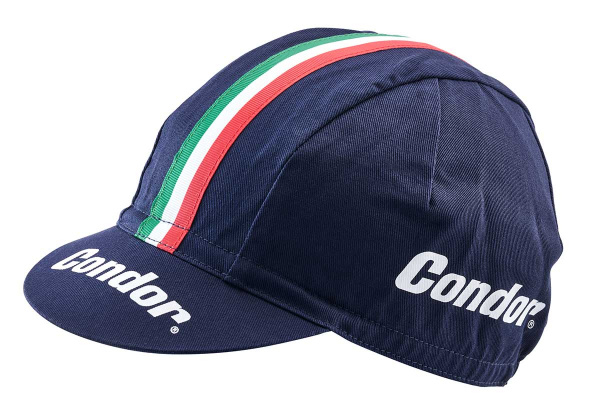
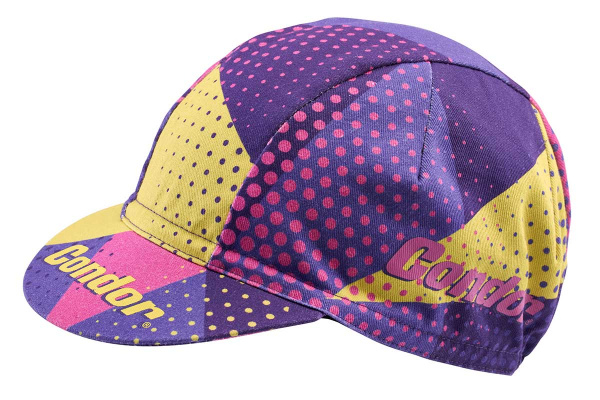
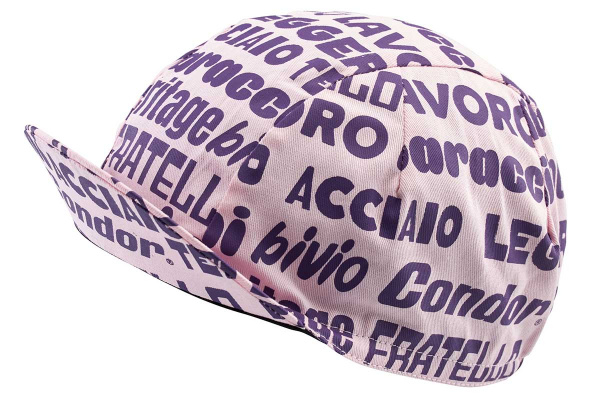
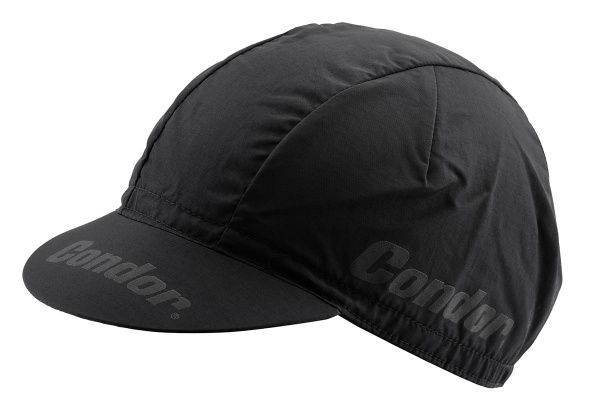
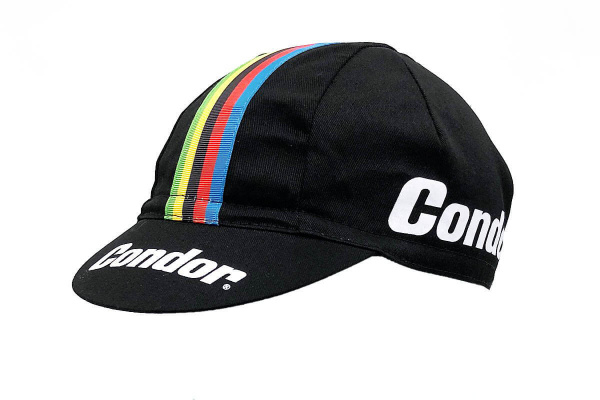
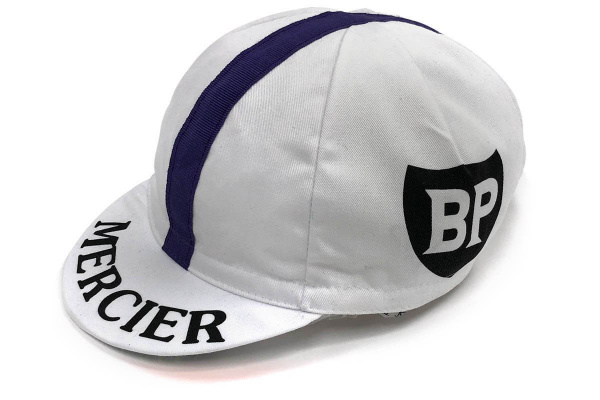
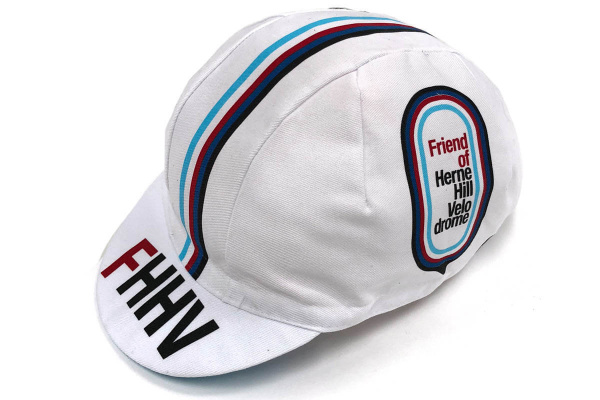
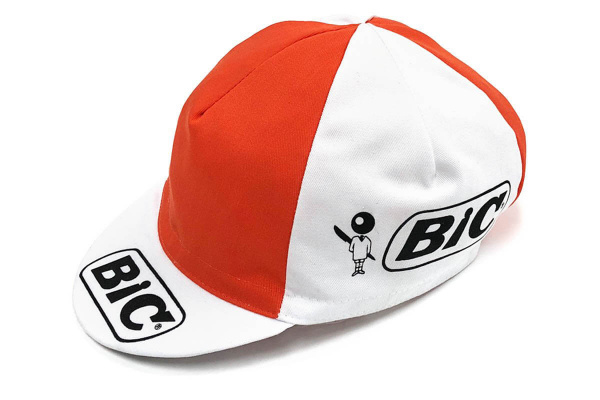
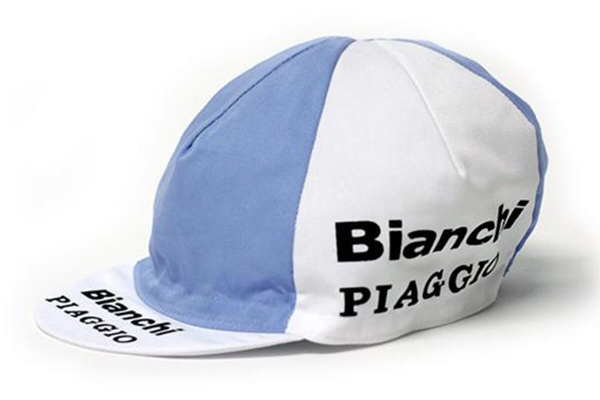
Condor cycling headwear covers the full calendar - a cotton casquette for sticky August climbs, a windproof merino skull cap for February's bite, a neck warmer to plug the gap at your collar when the temperature drops hard. These aren't afterthoughts bolted onto a jersey range. Condor has been making headwear with the same attention to detail as its London-made clothing for years, and the pieces reflect that: considered fabrics, low-profile construction, and fits that work under a modern helmet rather than fighting it.
UK riding demands a lot from a cycling cap. One minute you're sweating on a drag out of the valley, the next you're catching cold air on the descent. The peak that keeps gritty road spray out of your eyes on a wet Wednesday commute is the same one you flip down on a bright autumn sportive. Condor's range is built around that kind of versatility - moisture-wicking liners, thermal layers that don't bulk out your helmet fit, and merino blends that manage odour across multi-day efforts. Whether you're after a classic casquette or a proper winter helmet liner, there's something here worth looking at.
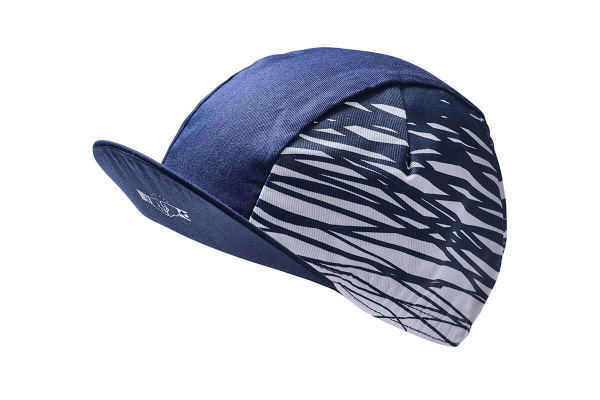
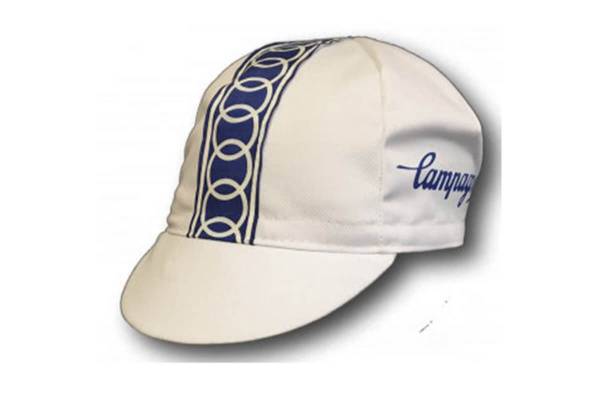
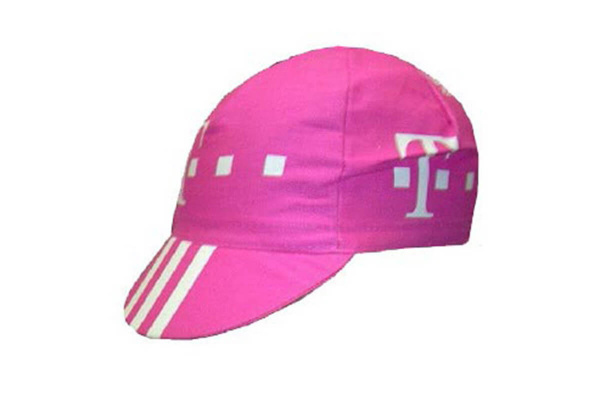
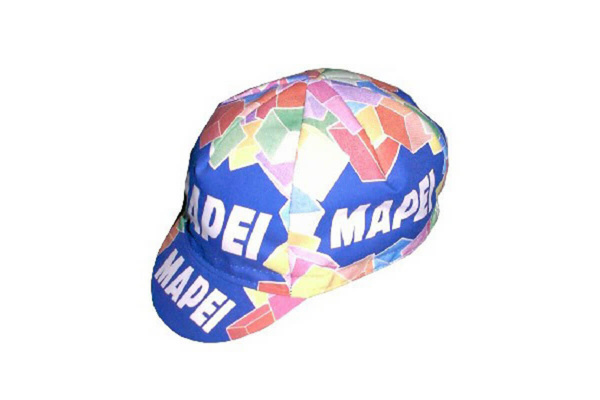
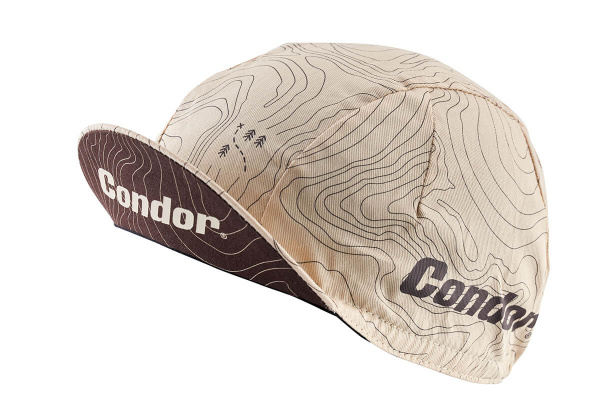
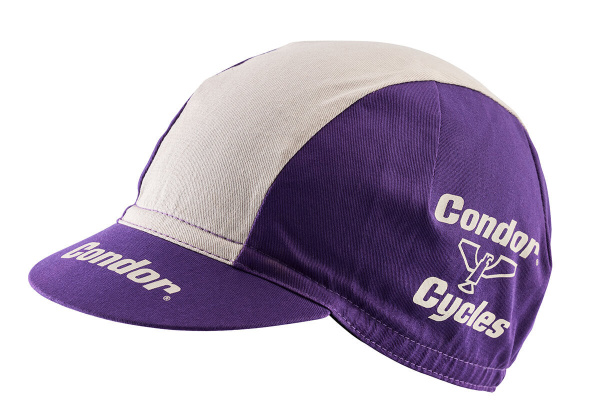
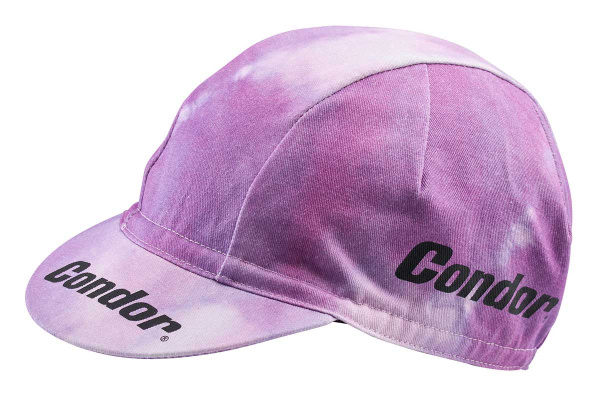
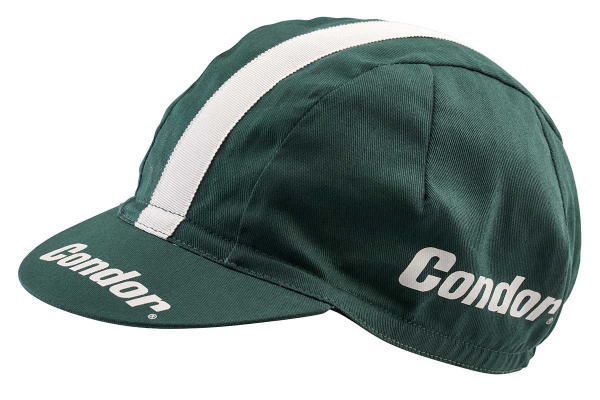
Prices and availability can change quickly. Delivery charges are not always included in listed prices.
Final price, stock status and delivery terms are set by retailer. We may receive a commission on purchases made.
Fabric Tech and What It Does in Real Conditions
The summer caps use cotton twill - traditional, yes, but genuinely effective. Cotton breathes well on humid climbs, absorbs sweat rather than channelling it straight into your eyes, and holds its structure across a season's worth of riding. It's not flashy, but on a muggy day in the saddle it does the job better than synthetic alternatives that can feel clammy. The internal sweatbands are treated with moisture-wicking, antibacterial properties, so the cap stays fresher for longer and doesn't sting when the road tilts upward.
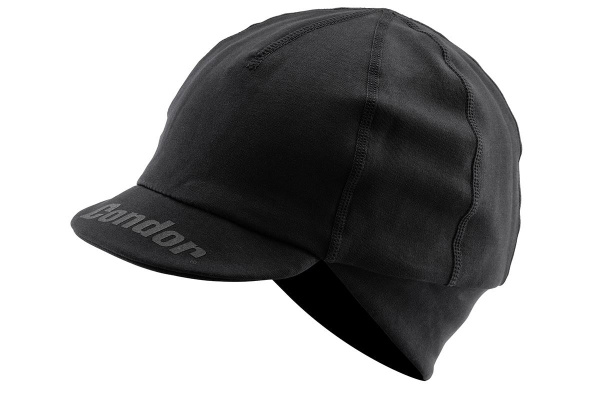
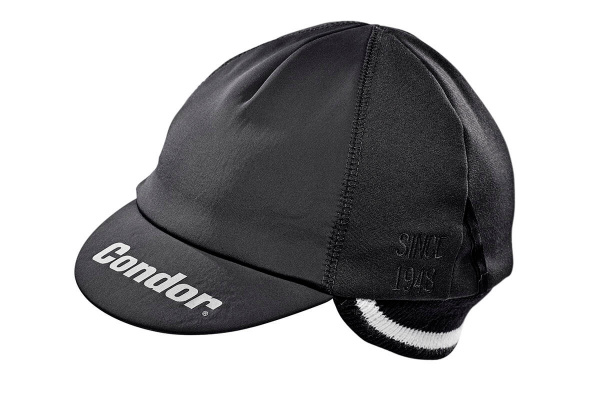
Move into the winter range and the fabric logic shifts. Merino wool blends handle the cold-to-mild transitions that UK riding throws at you constantly - naturally insulating when it's freezing, less suffocating when you warm up. Merino also resists odour without needing a wash after every single outing, which matters if you're commuting daily and don't want kit piling up. The windproof thermal skull caps go further, blocking the sharp, exposed-road wind that cuts across open moorland or coastal routes where there's nothing to shelter behind. Ear coverage is part of that - biting wind on your ears is what turns a hard ride into a miserable one, and a proper thermal cap with ear warmers sorts that without adding bulk.
Condor's neck warmers work on the same principle: seal the draft at your jacket collar and you retain a surprising amount of warmth through the torso. It's a small piece of kit with a disproportionate effect on comfort. Compared to brands like Castelli or GripGrab, Condor leans toward a cleaner aesthetic with comparable functional fabric choices - less logo-heavy, more in keeping with the classic road cycling look.
How the Fit Works Across the Range
The multi-panel construction across Condor's caps is what makes them genuinely usable under a helmet rather than just theoretically compatible. More panels mean the fabric can follow the shape of your head without bunching at the seams - that matters when you're wearing a well-fitted aero or heavily vented road helmet where internal pressure points become a real issue on longer rides. A cap that creates a ridge under your retention system will give you a headache before you've hit the halfway mark.
Most pieces run on a one-size-fits-most approach, with an elasticated rear band doing the adjustment work. Done well, this avoids the pressure-point problem without needing a complicated sizing system. The band should feel secure without gripping - if it's leaving a mark after an hour, something's off. The skull caps and helmet liners sit closer and lower than summer caps, designed to stay put under your helmet without riding up or creasing. Flexible, shatter-resistant peaks on the summer caps can be curved to preference and worn either up or down depending on conditions - more on that below.
If you're used to Rapha or Cinelli caps, Condor sits in similar territory for fit - road-specific, compact profile, not borrowed from a lifestyle brand. Worth pairing with Condor socks if you're building a coordinated kit.
Layering Smartly and Looking After Your Cap
A cotton casquette under your helmet on a summer ride is straightforward - peak down shields your eyes from sun glare and keeps road spray off your glasses or out of your face on wet days. Peak up when you're grinding a long climb and need airflow. The peak on Condor's caps is flexible enough to flip without losing its shape, which isn't always the case with cheaper alternatives where the internal structure collapses after a few uses.
In winter, the layering question is more considered. A merino skull cap worn as a helmet liner adds meaningful warmth without compromising your helmet's retention system. Pair it with a neck warmer tucked into your jersey collar and you've blocked the two biggest cold-air entry points - head and neck - without a balaclava that fogs your glasses. On shoulder-season days when you're not sure how cold it's going to be, a lightweight merino cap is easier to stow in a jersey pocket than most other options if you warm up faster than expected.
Care is where people often go wrong. Cotton caps should be hand-washed in cool water with a mild detergent - machine washing distorts the peak's internal structure and causes shrinkage, and once the peak has warped it rarely recovers. Reshape it by hand while damp and leave it to air dry naturally, ideally over something rounded to hold the form. Merino items need a wool-safe detergent and a gentle, cool wash - hot water damages the fibres and strips the natural oils that give merino its softness and odour resistance. Never tumble dry either. It takes a bit more care than bunging everything in a 40-degree cycle, but these pieces last considerably longer for it. Check out Condor's jersey and shirt range for pieces that follow the same care logic and complement the headwear across seasons.
Condor Headwear FAQs
Do you wear a Condor cycling cap under a helmet?
Yes, and they're designed for it. The multi-panel construction keeps seams flat so there's no bunching under your helmet's retention system. Wear the peak down to block sun or rain, or flip it up on climbs when you want more airflow. Either way, the cap sits close enough to not interfere with your helmet fit.
How should I wash my Condor cycling cap?
Hand wash cotton caps in cool water with a mild detergent - machine washing warps the peak and causes shrinkage. Reshape while damp and air dry naturally. For merino skull caps and neck warmers, use a wool-safe detergent on a gentle cool cycle. Never tumble dry either. It's a bit more effort, but the cap will hold its shape and properties far longer.
What is the best cycling headwear for winter?
For UK winters, you want a windproof thermal skull cap with ear coverage - exposed roads and open moorland make ear warmers non-negotiable when it's cold. Merino blends are worth prioritising for their thermal regulation and natural odour resistance. A neck warmer alongside it seals the collar gap and makes a noticeable difference to overall warmth without adding bulk under your helmet.