
Campagnolo Jackets
Campagnolo cycling jackets sit at the sharper end of road outerwear - precisely cut, technically considered, and built around the kind of riding where half-measures cost you. The range spans lightweight packable windproofs through to heavy-duty thermal softshells, so whether you're descending off a Welsh peak or grinding out January base miles into a Pennine headwind, there's a jacket matched to the job.
The fabrics do real work here. 3-layer thermal softshell constructions block wind at the front while shedding excess heat from the back - a meaningful detail when you're climbing hard in cold air. DWR coatings and thermo-taped seams handle the unpredictable stuff: the shower that appears from nowhere on a spring ride, the persistent drizzle that's neither heavy enough to turn back for nor light enough to ignore. And the ergonomic raglan sleeves are cut for riders actually leaning over a road bike, not standing upright in a car park.
One thing worth knowing before you buy: the fit is Italian. Close, aerodynamic, and not especially forgiving if you're planning on a thick mid-layer underneath. We'll get into sizing properly below, but go in with that expectation and you'll make the right call first time.
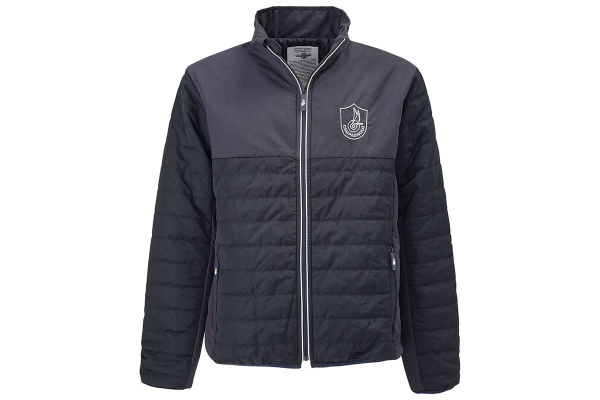
Prices and availability can change quickly. Delivery charges are not always included in listed prices.
Final price, stock status and delivery terms are set by retailer. We may receive a commission on purchases made.
Fabric Tech & Weather Performance
Campagnolo's outerwear doesn't chase a single weather scenario - it's tiered, with each jacket addressing a specific balance of protection and breathability. At the heavier end, the 3-layer thermal softshell fabrics do what a decent softshell should: a wind-blocking face, an insulating mid-layer, and an inner that pulls moisture away rather than holding it against your skin. The front panel stops freezing headwinds cold (quite literally), while the more breathable back construction lets heat climb out when you're pushing on an ascent. That asymmetric approach matters. A fully sealed jacket that blocks wind everywhere is a sweat box on anything longer than a flat sprint.
For rain protection, DWR treatments bead water off the outer fabric before it can saturate the weave - keeping the jacket light and moveable rather than waterlogged. Thermo-taped seams close off the stitching lines that DWR alone can't cover, the spots where sustained downpours will eventually find a way through on lesser kit. Together, they handle the kind of persistent, soaking rain you get riding in the Lake District or on the exposed flats of East Anglia without forcing you to choose between staying dry and overheating on the climbs. That's the tension most outerwear struggles to resolve, and Campagnolo's layered approach addresses it without over-engineering the solution.
The lighter shells prioritise packability and wind resistance over absolute waterproofing - an honest trade-off. If your ride is mostly dry but you want insurance for a surprise shower or a cold descent, those work well. If you're heading out into prolonged rain, step up to the dedicated winter jacket with taped seams. Knowing which tool fits the ride is half the job done before you've turned a pedal.
If you're comparing options at this level, Castelli jackets and Assos jackets occupy similar territory - Italian-influenced fits, high-spec fabrics, serious price points. Campagnolo holds its own technically and offers a distinct aesthetic if you're already running Campagnolo kit.
Understanding the Campagnolo Fit & Range
The fit is the first conversation to have. Campagnolo cuts its apparel to an Italian race fit - close through the shoulders, snug across the chest, with a drop tail that sits correctly when you're bent over the bars rather than standing up. On a road bike in an aggressive position, it's clean and efficient. Standing in a changing room, it might feel a size too small.
For most UK riders, sizing up one size is the sensible move. Go up two if you're planning to run a thicker thermal base layer underneath for deep winter riding - you need the jacket to close cleanly over the layer without pulling across the back or restricting your arms through the bars. The raglan sleeve construction helps here, reducing bunching at the shoulder when you're stretched forward, but there's no substitute for getting the size right from the start.
The range itself splits fairly cleanly. Lightweight packable shells are the emergency layer - thin, compressible, fine for stashing in a back pocket before a long descent or when the forecast looks uncertain. The softshell options sit in the middle ground: more substantial, more insulating, better suited to sustained riding in cold and damp conditions. Then there are the dedicated winter jackets, which add thermal mass and more serious seam sealing for extended rides in genuinely miserable weather.
Pair any of these with the right base and legs and they work considerably better - have a look at Campagnolo jerseys and Campagnolo bib tights to build a coherent system rather than mixing and matching fits from different brands. And if you want off-bike warmth without the technical outerwear pricing, the Campagnolo hoodies and sweatshirts are worth a look for the commute or the café stop.
For riders who find the Campagnolo cut too close, Endura jackets and Alé jackets offer slightly more relaxed interpretations at comparable technical levels - worth knowing if fit is the sticking point.
Layering & Care for UK Riding
A Campagnolo winter jacket paired with a lightweight merino or synthetic base layer handles most of what a UK winter throws at you down to around freezing. Below that, a thin thermal gilet or an extra mid-layer under the jacket gets you further without bulk - the raglan sleeves keep things moving even when you've added a layer. For spring and autumn riding, a packable shell over a standard jersey is usually enough; the key is keeping the shell accessible rather than buried in a bag, because the weather will change and it will change quickly.
Don't leave the packable shell at home on long summer rides either. A cold descent after a big climb in the Peak District or the Brecon Beacons can strip heat faster than you'd expect, and a jacket that fits in your back pocket weighs almost nothing to carry.
Care is straightforward but specific. Wash at 30 degrees, use a technical wash detergent, and skip the fabric softener entirely - it clogs the DWR coating and kills water repellency faster than anything else. After several washes, the DWR will need refreshing regardless; a spray-on reproofer (tumble dry on low after application) restores beading performance without damaging the fabric. Store the jacket uncompressed when you're not using it - keeping a packable shell permanently stuffed into its own pocket weakens the fabric over time.
Campagnolo Jackets FAQs
Are Campagnolo cycling jackets true to size?
Not by UK standards, no. The cut is a close Italian race fit, designed for riders in an aggressive position on the bike. Most UK riders find sizing up one size gives a better result, and if you're layering heavily underneath for winter riding, two sizes up is worth considering. Check the size guide and go from there.
How waterproof are Campagnolo winter jackets?
The dedicated winter and rain jackets use DWR coatings combined with thermo-taped seams, which makes them highly resistant to sustained heavy rain. Thermal softshells are more focused on windproofing and breathability - they'll handle light showers and damp air well, but they're not built for riding through a downpour. Pick the right jacket for the expected conditions.
Can you pack a Campagnolo wind jacket into a jersey pocket?
Yes. The lightweight windproof and emergency rain shells are designed specifically to compress down small enough to fit in a standard rear jersey pocket. They're the ones to grab for unpredictable spring days or whenever a long descent is on the route and you want a layer to hand without committing to carrying it all ride.