
Box 8 Speed Cassettes
Box 8 Speed Cassettes make a compelling case for stripping your drivetrain back to something that actually survives a British winter. Built around the Box Four ecosystem, these cassettes bring genuinely modern wide-range gearing - up to an 11-42T spread - to the time-tested 8-speed format. That's a big gear range in a package that uses thicker stamped steel cogs and a burlier chain, rather than the tissue-thin componentry you get chasing lower weight at 11 or 12 speed.
For UK riders, that trade-off makes real sense. Gritty winter roads, muddy climbs, heavy commuter miles - all of it chews through modern high-speed cassettes at a rate that gets expensive fast. The 8-speed format resists that grinding-paste effect considerably better, and replacement parts cost a fraction of what you'd spend keeping a 12-speed drivetrain healthy through November to February.
They're also a serious option for e-bike owners. Mid-drive motors produce torque that punishes thin cogs, and Box's thicker steel construction handles that stress without the accelerated wear you'd see on a lighter cassette. Whether you're building a no-nonsense hack bike, a heavy-duty commuter, or a reliable e-MTB drivetrain, Box 8 speed cassettes deserve a close look. Compare prices across UK retailers below.
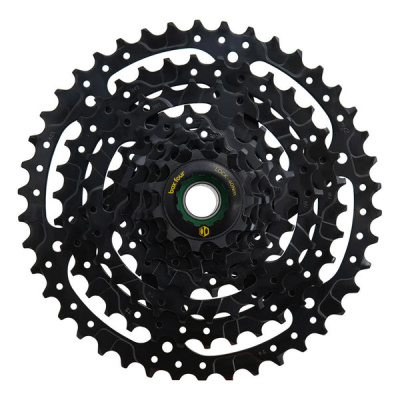
Prices and availability can change quickly. Delivery charges are not always included in listed prices.
Final price, stock status and delivery terms are set by retailer. We may receive a commission on purchases made.
Fitment, Freehub Standards and What Works With What
Box 8-speed cassettes mount to the standard Shimano HG splined freehub body - the same interface that's been on the majority of wheels sold in the UK for the last two decades. That means they'll drop straight onto most existing hubs without any adaptor faff. What they won't fit is a SRAM XD or XDR freehub, or Shimano's newer Micro Spline body. Check your hub before you buy, particularly if you're running a recent trail or enduro wheel.
The cog spacing itself follows standard 8-speed pitch, so your existing 8-speed shifters will index correctly. However - and this is where it gets important - a standard short-cage Shimano 8-speed derailleur simply won't clear a 42T low gear. The geometry isn't there. If you're running a tight 11-28T or 11-32T cassette currently and you want to move up to the full wide-range 11-42T setup, you need a derailleur with the cage length and capacity to match. The Box Four rear derailleur is designed specifically for this, and it's the cleanest pairing. A clutch mechanism helps too, keeping chain tension consistent across those big gear jumps.
One more thing: don't run a 9-speed or narrower chain on these cassettes. The cog width is sized for an 8-speed chain, and using a narrower one creates poor engagement and accelerates wear on both parts. Stick to the correct chain spec and the drivetrain will reward you with a long service life. If you're weighing up alternatives from other brands, Shimano 8 speed cassettes and SunRace 8 speed cassettes cover similar HG-compatible ground, though neither is built around a dedicated 1x wide-range ecosystem in quite the same way.
Where Box Four Sits in the Box Lineup
Box Components structures its range across four tiers, and Box Four is the dedicated 8-speed level - the most robust and cost-effective entry point into the system. The design priority here is durability and reliability over marginal weight savings or micro-precise gear steps. For riders who want a tough, low-fuss drivetrain that handles load and abuse, that's exactly the right set of priorities.
The flip side is gear step size. An 8-speed 11-42T cassette produces larger jumps between gears than a 9, 10, or 11-speed equivalent covering the same range. On steep, loose climbs - the kind you find on Welsh trail centres or the longer drag climbs in the Peaks - you'll feel those steps more noticeably than on a closer-ratio cassette. If that bothers you, or your riding involves sustained efforts where cadence consistency matters, Box's nine-speed tier is worth considering. The Box 9 speed cassettes and the broader Box groupsets range take you up the hierarchy with tighter steps while keeping the brand's durability-first ethos. There's also a matched Box 9 speed rear derailleur if you want to build that system from scratch.
For many riders, though, Box Four at 8-speed is the destination, not a stepping stone. Budget-conscious builds, heavy e-bikes, winter hack bikes - all of them benefit more from the durability than they'd ever gain from an extra cog or two. MicroShift 8 speed cassettes offer a comparable budget-robust approach, and are worth a look if you're comparing options at this end of the market.
Running Box 8-Speed Through a UK Winter
Any mechanic who's stripped a 12-speed cassette after a winter of Peak District riding will tell you the same thing: modern thin-cog drivetrains and UK grit are a terrible combination. Fine abrasive particles bond with chain lube to form a grinding compound that eats through alloy and thin steel cogs surprisingly fast. Box Four's thicker stamped steel cogs are measurably more resistant to this. They don't eliminate wear, but they slow it down significantly - and when replacement time does come, the cost is far more palatable than a high-end 12-speed cassette.
For e-bike riders specifically, the Box 8 speed e-bike cassette case is even clearer. Mid-drive motors - particularly in hilly areas like the Lake District or the Brecon Beacons - apply torque loads that accelerate cog wear on thinner drivetrains dramatically. The robust steel construction and wider chain engagement geometry of an 8-speed setup handles that stress far better. It's not glamorous engineering, but it's practical and it works.
On the maintenance side, keep it simple. Degrease the cassette regularly - every few rides in winter, not every few months. Check the lockring torque periodically; it should be sitting at 40Nm, and vibration from rough riding can back it off over time. Most importantly, replace your 8-speed chain when it hits 0.75% wear on a chain checker. That's the point at which chain stretch starts transferring stress unevenly across the cogs. Catch it there and the cassette will last considerably longer. Let it go to 1% and you'll be replacing both parts together. A basic chain wear indicator costs a few pounds and saves you from that conversation with your wallet. For alternatives from other brands, SRAM 8 speed cassettes are worth a glance if you're already deep in a SRAM-compatible setup.
Box 8 Speed Cassettes FAQs
Is a Box 8-speed cassette compatible with Shimano derailleurs?
The cog spacing is standard 8-speed, so Shimano 8-speed shifters will index it correctly. The problem is cage length - most older Shimano 8-speed derailleurs can't physically clear a 42T low cog. For a wide-range 11-42T setup, you'll want the Box Four rear derailleur or another long-cage unit rated for that capacity. Standard short-cage Shimano derailleurs won't do the job cleanly.
What freehub do I need for a Box 8 speed cassette?
You need a standard Shimano HG splined freehub body - the traditional splined interface that's been common on most hubs for years. Box 8-speed cassettes won't fit SRAM XD or XDR freehubs, and they're not compatible with Shimano's Micro Spline body either. If your wheel runs any of those standards, you'd need a new freehub or a different cassette entirely.
Are Box 8 speed cassettes good for e-bikes?
Very much so. Mid-drive motors produce torque that rapidly destroys thinner 11 and 12-speed cogs, particularly on hilly routes. Box's thicker stamped steel cogs and the inherently burlier 8-speed chain handle that load considerably better, meaning longer service intervals and lower running costs - both of which matter on an e-bike that's racking up serious mileage.