
BMC Dropper Posts
BMC dropper posts sit at the sharper end of XC seatpost engineering - and if you're running a Fourstroke or looking to upgrade a BMC rig, the options here are genuinely worth understanding before you buy. BMC's dropper lineup isn't just rebranded off-the-shelf hardware. The brand has developed proprietary systems - including the RAD integrated oval profile and the Autodrop technology - that reflect what World Cup XC racing actually demands: minimal weight, instant actuation, and nothing that gets in the way when you're trying to stay fast. The Autodrop system in particular changes how you interact with a dropper mid-race, and the RAD oval format is frame-specific enough that getting compatibility wrong is an easy and expensive mistake. Before you click purchase, check your seat tube shape, internal routing provision, and stack height clearance - especially on newer Fourstrokes where the oval profile makes standard round posts a non-starter. If you're after a rigid seatpost rather than a dropper, our BMC seatposts category is the better starting point. For everyone else, here's what you need to know.
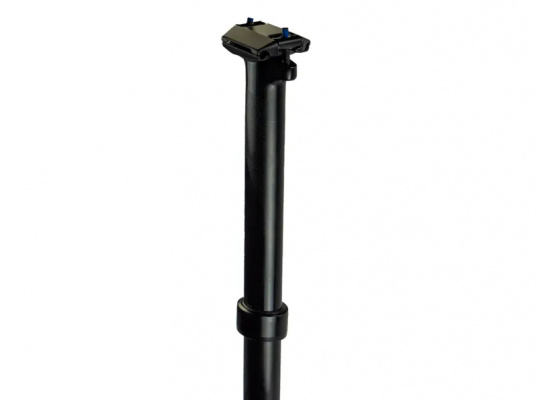
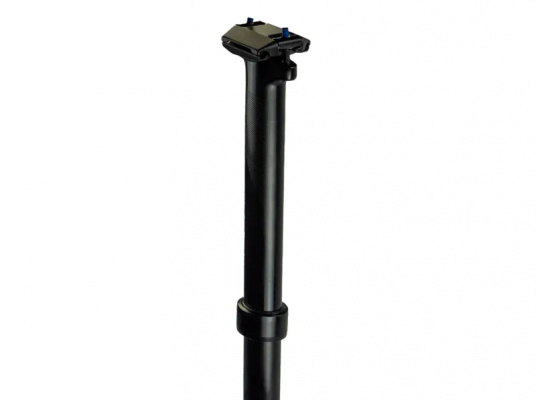
Prices and availability can change quickly. Delivery charges are not always included in listed prices.
Final price, stock status and delivery terms are set by retailer. We may receive a commission on purchases made.
Compatibility: What Fits Your Frame
Getting the right BMC dropper post starts with knowing exactly what your frame accepts - and the gap between older and newer Fourstroke models is wider than most riders expect. Older BMC frames with a standard round seat tube take conventional 27.2mm or 31.6mm internally routed dropper posts, so you've got flexibility to shop across brands like RockShox or OneUp if the BMC-spec post isn't available or doesn't suit your budget.
Newer Fourstroke frames are a different situation entirely. BMC's RAD (Race Application Drop) system uses a proprietary oval seat tube profile - meaning standard round posts simply won't insert, full stop. If you're not certain which generation of frame you have, check the seat tube opening before ordering anything. Stack height is another dimension worth checking: XC frames often run tighter clearances than trail bikes, and a post with a tall stack can limit saddle height range in ways that only become obvious once you're trying to set your fit. Internal cable routing is assumed on current BMC frames, so any dropper you run needs to be spec'd accordingly - an externally routed post will look wrong and likely foul the frame. If a standard rigid seatpost is what you're after rather than a dropper, take a look at our BMC seatposts page instead.
BMC's Proprietary Dropper Tech Explained
BMC's two headline dropper technologies solve different problems, and understanding what each one actually does helps you decide whether the premium is justified for how you ride.
The RAD system - Race Application Drop - is built around the oval cross-section of the seat tube on current Fourstroke frames. That oval shape isn't just a manufacturing quirk; it allows BMC to produce a post that's stiffer laterally than an equivalent round post without adding material, which means the weight savings are real rather than achieved by thinning walls to a worrying degree. For XC racing, where every gram at the saddle end matters and you're sprinting out of the saddle repeatedly, that combination of low weight and torsional rigidity is genuinely useful. It's purpose-built for the Fourstroke's architecture - not a system you'll find transplanted to other frames.
The BMC Autodrop technology is the more striking development. Most dropper posts require the rider to unweight the saddle - physically shifting weight forward - before the post will drop. Autodrop sidesteps that entirely by using a compressed air tank integrated into the frame. Press the remote lever, and the saddle drops without you needing to squat or shift position. In a race context, that's a meaningful tactical gain: you're not breaking your pedalling rhythm or wasting energy on the weight transfer before a technical section. The air cartridge mechanism is also part of what keeps actuation consistent - there's no hydraulic fluid to heat-cycle or bleed, just a well-sealed air spring that responds the same way on the first press as the fiftieth.
If you're comparing the Autodrop system against external options - Fox droppers or KS Suspension posts, for instance - the honest trade-off is that BMC's integrated systems tie you to the brand's ecosystem. You get optimised weight and integration, but aftermarket cartridge swaps and servicing are more specialist than they'd be with a widely-distributed third-party post. Worth factoring in before you commit.
Keeping a BMC Dropper Running Through a UK Winter
British riding conditions are hard on any dropper post - and BMC's systems aren't exempt from that. The specific problems are grit ingress accelerating wiper seal wear, and wet-weather friction building up in internally routed cables until actuation gets sticky and imprecise. Neither is catastrophic if you stay ahead of it, but both will cause damage if you ignore them.
After any muddy ride - the kind where you come back with the Peak District's finest coating the underside of the saddle - clean the stanchion and wiper seal area before the grit has a chance to dry and harden. A damp cloth and a pass with a light dropper-specific lubricant is enough; you're not trying to degrease, just stop abrasive particles from being dragged past the seal on the next drop cycle. Scored stanchions are expensive to fix and entirely avoidable with thirty seconds of attention. For replacement seals, cartridges, and air spring components, check what's available through seatpost spares suppliers before committing to a service.
Cable maintenance is the other pressure point. Internally routed cables in UK conditions - particularly through winter - pick up moisture and fine grit that creates friction before you can see any problem at the lever. Replace inner cables more frequently than you think you need to; every season is a reasonable baseline if you're riding through winter. Outers should be checked for kinks at routing ports, where they tend to fray first. Fresh cables make more difference to dropper feel than most riders expect. For cable replacement options, our BMC frames page can help you cross-reference routing specs if you're unsure about inner diameter or port sizing on your specific model.
For a full air cartridge and air spring service on an Autodrop system, this is a job best left to a mechanic familiar with the system - or sent back to a BMC-authorised dealer - rather than a home strip-down, at least until you've seen it done once. The service interval in typical UK use is around every 150 - 200 hours of riding.
BMC Dropper Posts FAQs
Can I fit a standard dropper post to a BMC Fourstroke?
It depends on the model year. Older Fourstrokes with a round seat tube accept standard 27.2mm or 31.6mm internally routed posts, so you've got options there. Newer Fourstrokes use the proprietary oval RAD seat tube profile, which is not compatible with standard round posts - you'll need the BMC-specific RAD dropper for those frames.
How does the BMC Autodrop technology work?
Autodrop uses a compressed air tank integrated into the frame to lower the saddle when you press the remote lever. Unlike conventional droppers, it doesn't require the rider to shift weight off the saddle first - the air pressure does the work. In XC racing that means faster transitions and less energy spent on the weight shift before a technical descent.
How often should I service my BMC dropper post?
In typical UK conditions, clean and re-grease the wiper seals every 50 hours of riding - more frequently if you're riding in heavy mud. A full cartridge and air spring service is recommended every 150 - 200 hours to keep actuation consistent and prevent grit from scoring the stanchion. Don't skip the cable replacement either; wet-weather friction builds faster than most riders expect.