
Ashmei Gloves
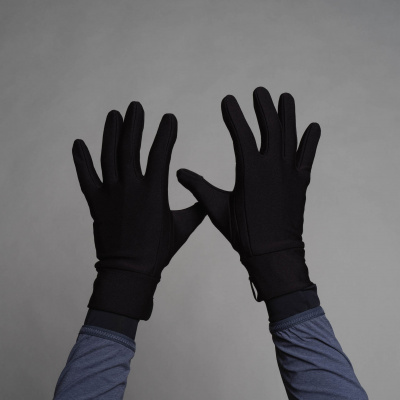
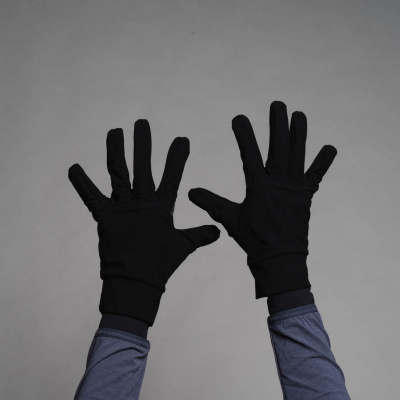
Ashmei cycling gloves are built around a simple but effective idea: your hands should stay warm, dry, and in full control of the bike without wearing something that feels like oven mitts. The foundation is a premium merino wool blend lining that manages heat and moisture naturally - it insulates when you're grinding into a headwind and breathes when the climb has your heart rate climbing too. That natural thermoregulation is hard to replicate with synthetics alone.
Over that merino inner, a windproof outer shell does the heavy lifting against the kind of biting cold you get on exposed descents in November. A DWR coating handles road spray and the light, persistent drizzle that characterises so much UK riding - not a substitute for full waterproofing, but genuinely effective for most conditions short of a proper downpour. Touchscreen-compatible fingertips mean you're not pulling gloves off every time you need to dismiss a Garmin notification or adjust your route.
The result is a glove that keeps the bulk down and the brake feel sharp. If you've ever fumbled a gear shift mid-corner because your winter gloves were too thick, you'll understand exactly what Ashmei are trying to solve here.
Prices and availability can change quickly. Delivery charges are not always included in listed prices.
Final price, stock status and delivery terms are set by retailer. We may receive a commission on purchases made.
The Merino-and-Shell Combination Explained
Most cycling gloves make a choice: synthetic insulation for warmth, or a thin liner for feel. Ashmei's approach is to layer the two disciplines properly. The merino wool blend lining sits against your skin and does what merino does best - it traps warmth without trapping moisture, so the clamminess you get climbing a long drag in cheaper gloves largely disappears. Merino fibres have a natural crimp that creates tiny air pockets, giving you a solid warmth-to-weight ratio without the padding that deadens brake and shift feedback.
The windproof outer shell is where the thermal protection gets serious. Windchill is the real enemy on a fast descent - the kind of exposed run-out you get on the North Yorkshire Moors or any dual carriageway slog in January. A wind-blocking softshell layer stops that cold air from stripping heat through the glove, which is a different job entirely from insulation. Together, the two layers handle both problems without needing to be unnecessarily thick. The DWR coating adds a further line of defence against road spray and the sort of drizzle that soaks into an untreated fabric within minutes. It's not a membrane - sustained heavy rain will eventually find its way through - but for the majority of UK winter miles, it performs well. Compared to gloves from Gore Bike Wear that use full membrane construction, the Ashmei approach trades some wet-weather robustness for better breathability and a more natural feel at the bar.
The conductive fingertips - typically threading on the index finger and thumb - let you operate a GPS head unit or phone without baring your hands to the cold. A small detail, but a genuinely useful one when you're trying to cancel a wrong turn notification at 30mph.
Fit, Shape, and What's on the Palm
Ashmei cut their gloves for a close, articulated fit - the kind that follows the natural curve of a hand wrapped around a bar rather than lying flat. That matters because a glove with excess fabric in the palm creates pressure points and reduces feel, and after two hours on rough roads it becomes distracting. The articulated construction means the glove sits where your hand naturally positions itself on the hoods or drops, without bunching.
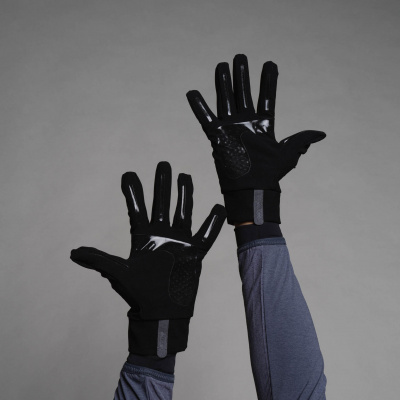
Silicone grip patterns on the palm provide traction on wet bar tape or rubber hoods. It's not dramatic - more a gentle textured surface than aggressive rubber patches - but it keeps the glove planted when your hands are wet and you're braking hard. The elongated cuff is worth noting too: it's designed to overlap with a jacket sleeve and create a proper seal at the wrist. Pull it up under the cuff of an Ashmei jacket and you close off the cold gap that shorter gloves leave exposed. That gap, when wind gets into it, can make an otherwise warm kit feel completely inadequate.
Touchscreen compatibility sits on the fingertip of at least the index finger and thumb in most models. The conductive threading works reliably on capacitive screens - phones, Wahoo units, Garmin devices - without needing a firm press. Riders shopping alternatives like Castelli gloves or GripGrab gloves will find similar features across the mid-to-premium range, though the merino lining remains a distinguishing detail for Ashmei specifically. The microfibre sweat wipe panel on the thumb backs is a small but practical touch - exactly the kind of addition that makes sense after a few wet rides when you need to clear your glasses without smearing them.
Layering Logic and Looking After the Merino
Getting the most from these gloves is partly about where they sit in your kit stack. In mild autumn conditions, they work as a standalone layer. As temperatures drop properly, the key move is that cuff overlap - glove cuff underneath the jacket sleeve, not over it. Water runs down the jacket and off the glove rather than channelling into your wrist. It's the kind of thing that sounds obvious but makes a measurable difference on a two-hour ride in the wet. Pairing them with an Ashmei base layer that manages moisture from the core outward means the merino in the glove doesn't have to work against a sweat-saturated system - the whole kit breathes together.
Care is where merino gloves get written off prematurely. Wash at 30°C on a gentle or wool cycle, using a non-biological detergent. Biological detergents contain enzymes that break down protein fibres - merino is a protein fibre, so the damage is real and permanent. Fabric softener is equally destructive: it coats the fibres and collapses the DWR treatment, leaving you with a glove that wets out immediately and loses its loft. Air dry flat, away from radiators or direct sunlight. Tumble drying will shrink them. None of this is complicated, but skipping any of it shortens the lifespan considerably. Treat them properly and the merino holds its performance for a long time - it's a more durable material than its softness suggests.
If you're building out a full cold-weather setup, the Ashmei jersey range uses the same merino philosophy and layers well with these gloves as part of a consistent thermal system.
Ashmei Gloves FAQs
Are merino cycling gloves warm enough for UK winters?
Yes, for most UK winter riding. The merino wool blend traps heat effectively while the windproof outer shell blocks the windchill that does the real damage on cold descents. You're not looking at extreme mountaineering warmth, but for road and gravel riding through a British winter, the combination handles it well without the bulk that kills brake feel.
How should I wash my Ashmei merino cycling gloves?
Use a cool, gentle cycle at 30°C with a non-biological detergent - biological detergents contain enzymes that degrade merino fibres over time. Skip the fabric softener entirely; it ruins both the merino loft and the DWR treatment. Air dry flat, away from heat sources. No tumble drying - it will shrink them.
Are Ashmei cycling gloves touchscreen compatible?
Most Ashmei winter and mid-season gloves feature conductive threading on the index finger and thumb, which works reliably with capacitive touchscreens - GPS head units, phones, the lot. You won't need to pull them off to cancel a route notification or adjust your Garmin mid-ride.