
Argon 18 Gravel Bikes
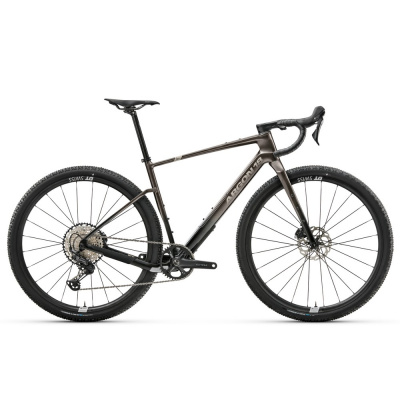
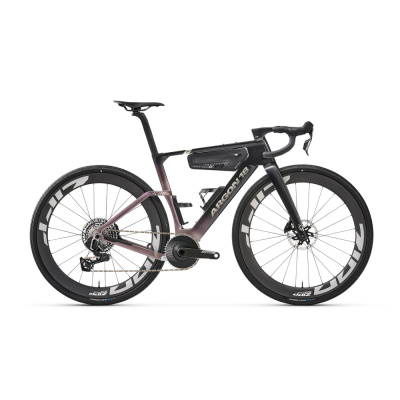
Argon 18 gravel bikes arrive with a sharper focus than most: this is a brand that spent decades obsessing over marginal gains on road and triathlon circuits, and it shows in how deliberately the gravel range has been constructed. Two platforms, two very different jobs. The Dark Matter is the carbon race tool - aggressive geometry, aero-conscious tube shapes, built to go fast on mixed surfaces without turning into a bucking bronco. The Grey Matter is the aluminium workhorse - same core geometry DNA, but heavier-duty, loaded with mounts, and designed to haul kit across multi-day routes without complaint. Both bikes run wide tyre clearances and carry Argon 18's proprietary frame technologies, which we'll get into below. Build kits span Shimano GRX mechanical through to SRAM Rival AXS wireless, so there's a spec level for most budgets. If you're planning a custom build rather than a complete bike, our Argon 18 frames page is a better starting point. Otherwise, read on - we'll break down exactly which model suits which kind of riding.
Prices and availability can change quickly. Delivery charges are not always included in listed prices.
Final price, stock status and delivery terms are set by retailer. We may receive a commission on purchases made.
Decoding the Argon 18 Gravel Lineup
The Dark Matter is Argon 18's carbon gravel bike, and it's pitched squarely at riders who want to go fast on rough roads and gravel tracks without buying a road bike that pretends to handle dirt. The geometry sits on the racier end of the gravel spectrum - lower front end, shorter wheelbase than a pure adventure rig - which means it rewards confident riding rather than cautious plodding. Think fast club rides that spill off the tarmac onto bridleways, or gravel sportives where you actually want to keep pace with the group. Build kits on the Dark Matter typically pair the frame with Shimano GRX mechanical or electronic groupsets, with higher-spec variants running SRAM Force AXS or Rival AXS wireless drivetrains. The 1x and 2x options both make sense here depending on how hilly your regular routes are - a 2x setup gives you finer range on long climbs, while 1x simplifies things if your riding stays on the less extreme end.
The Grey Matter is a different animal. Alloy construction keeps costs accessible, and Argon 18 hasn't treated it as an afterthought - the frame carries multiple bottle cage mounts, frame bag attachment points, and a geometry that's a touch more relaxed through the front end for loaded stability. If you're planning to strap bags to it for a long weekend on the kind of mixed-surface route that switches between lanes, gravel tracks, and the odd muddy field path, the Grey Matter handles that brief properly. Compared to peers like Cervélo gravel bikes at a similar price, the Grey Matter leans harder into practicality than outright speed - a deliberate choice, not a compromise.
What Argon 18's Frame Tech Actually Does
Argon 18 builds three proprietary systems into the gravel range, and each one addresses a specific problem rather than existing purely for marketing purposes. Worth understanding what you're actually paying for.
The 3D Headtube System is the most immediately practical. Standard builds use headset spacers to adjust stack height, but stacking spacers can introduce flex into the front end - not ideal when you're descending a rutted bridleway at speed and want the steering to feel locked-in. Argon 18's approach integrates stack adjustment directly into the headtube design, so you can dial in your bar height without sacrificing front-end stiffness. Riders who've come off road bikes and find gravel positions too upright will appreciate having that adjustability without the handling penalty.
The Topological Compliance System - TCS - is how Argon 18 manages the comfort-versus-performance tension in the Dark Matter's carbon layup. Rather than building a uniformly stiff frame and hoping the tyres absorb everything, they've engineered specific flex characteristics into the fork and rear triangle. The dropped chainstays are a key part of this: lower chainstay placement shifts where the frame flexes, absorbing high-frequency chatter from gritty surfaces while keeping the bottom bracket area stiff enough for proper power transfer. It's the difference between a frame that smooths out flinty southern bridleways and one that transmits every pebble straight into your palms. On a long day across the South Downs, that distinction matters.
The Argon Fit System (AFS) ensures the geometry scales proportionally across sizes rather than just stretching the same shape. Smaller frames get shorter reach and adjusted stack - not just a shrunken version of the large. If you're between sizes or typically find bike fit inconsistent across the range, this proportional approach is worth factoring in. It's the same thinking Argon 18 applies across its time trial and triathlon bikes, where fit precision is non-negotiable.
Running an Argon 18 on UK Roads and Tracks
The Dark Matter clears up to 700x45c or 650bx47c tyres. The Grey Matter pushes slightly further, handling up to 700x47c. In practice, that's enough for most UK conditions - Welsh winter bridleways running with standing water, the flinty chalk-and-flint mix of South Downs bridleways, or the compressed grit of northern forest trails. If your local routes regularly throw deep, clinging mud at you, going for a chunkier 45mm+ tyre on the Dark Matter or maxing out the Grey Matter's clearance with a 47mm option gives you the float and grip to stay moving rather than grinding to a halt.
Tyre choice matters here more than on road bikes. A 700x40c fast-rolling slick is fine for gravel sportives and hardpack tracks; if you're heading somewhere wetter, a 700x45c with proper tread is worth the rolling resistance penalty. The 650b option on the Dark Matter suits shorter riders or anyone who wants a bigger air volume at a given diameter - useful if you're running tubeless and want extra cushion without going full 47mm.
One thing to stay on top of with either bike in UK conditions: the headset bearings. Wet, gritty riding - particularly on anything resembling a green lane - works bearing surfaces hard. It's not a flaw specific to Argon 18, it's just the physics of exposed bearings meeting British weather. Pull the headset apart for a clean and regrease a couple of times a year if you're riding through winter regularly. Ignore it and you'll feel the looseness in the steering before long.
For Grey Matter owners using it as a bikepacking rig: use frame protection wrap anywhere a bag strap contacts the tubes, particularly around the top tube and down tube. Alloy frames handle abrasion differently to carbon, but repeated bag movement still marks the finish over time. It's a five-minute job that saves the frame's looks for longer. Brands like 3T and Canyon take a similar platform approach to gravel - separate race and adventure models - but Argon 18's tech integration at this price point is notably specific rather than generic.
Argon 18 Gravel Bikes FAQs
Is the Argon 18 Dark Matter a good gravel bike?
It's a genuinely capable carbon gravel bike, particularly for riders who want pace on mixed surfaces rather than a loaded tourer. The Topological Compliance System does real work absorbing trail vibration without blunting power transfer, and the geometry suits confident, faster riding. It's not the most relaxed gravel bike out there - that's intentional, not a shortcoming.
What is the max tyre clearance on Argon 18 gravel bikes?
The carbon Dark Matter accepts up to 700x45c or 650bx47c tyres. The alloy Grey Matter clears up to 700x47c, giving you a little more room for chunky rubber on muddier or looser surfaces. Both are more than adequate for most UK gravel and bridleway riding year-round.
What is the difference between the Argon 18 Dark Matter and Grey Matter?
The Dark Matter is a lightweight carbon frame built for speed and race-oriented gravel riding. The Grey Matter uses aluminium construction and adds extra bikepacking mounts and a touch more front-end relaxation for loaded adventure riding. Same core geometry philosophy, different jobs - pick based on whether you're chasing pace or carrying kit.