
Ale Knee Warmers
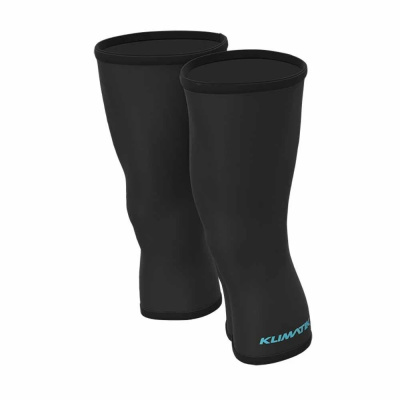
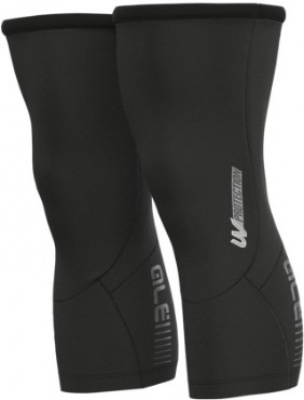
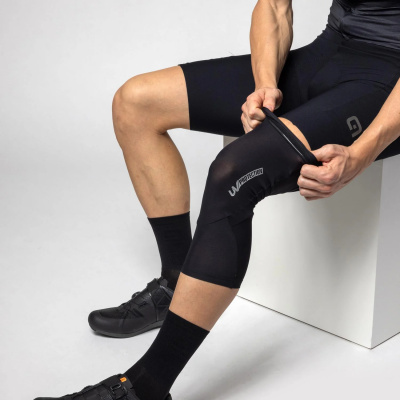
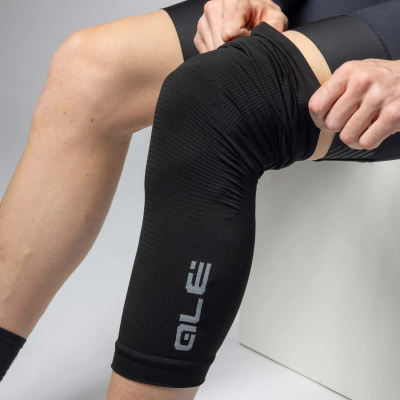
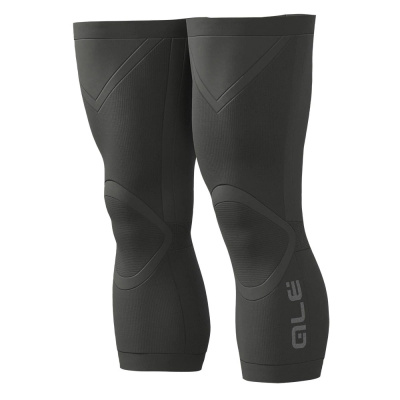
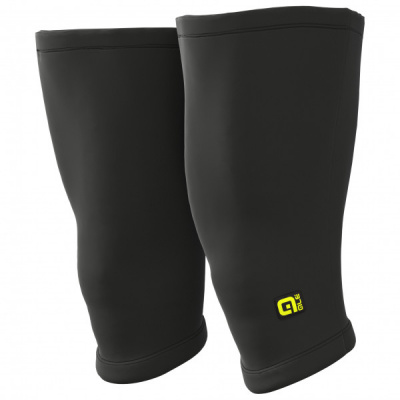
Alé Knee Warmers turn your summer shorts into a three-season workhorse without the bulk of full tights. When the forecast hovers between chilly dawn starts and warmer afternoons, these Italian-cut warmers pack down into a jersey pocket and deploy in seconds, giving you thermal insurance for those unpredictable spring and autumn rides across the Chilterns or the North Downs. The anatomic fit follows the pedal stroke rather than fighting it, while silicone grippers stay put under your Alé bib shorts without cutting off circulation or rolling down mid-climb. Superroubaix fabric delivers that brushed-fleece warmth where it counts - around the knee joint - keeping synovial fluid supple and reducing injury risk when temperatures drop. You get the aerodynamic snugness of a race fit with enough stretch to forget you're wearing them. Packability matters. Chuck them in a pocket at the café stop, pull them on when the wind picks up on the return leg. Simple.
Prices and availability can change quickly. Delivery charges are not always included in listed prices.
Final price, stock status and delivery terms are set by retailer. We may receive a commission on purchases made.
Fabric Tech: Superroubaix and Klimatik Explained
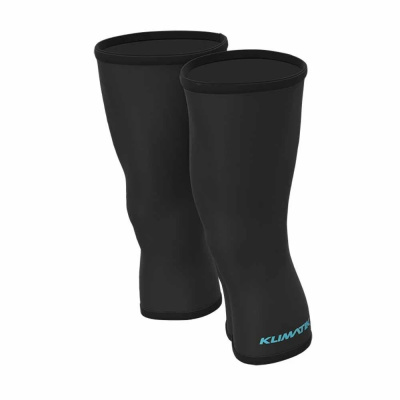
Alé's standard thermal knee warmers use Superroubaix, a brushed polyamide-elastane blend with a plush inner fleece that traps a micro-layer of warm air against your skin while wicking moisture outward. It's the go-to for dry cold - think crisp October mornings in the Peak District when the sun's low but the air's still sharp. The fabric breathes well enough that you won't overheat on climbs, yet insulates effectively on descents when windchill bites. For wetter conditions, the Klimatik K-Atmo range steps in with a DWR treatment that sheds road spray and light drizzle, common on Scottish or Welsh rides where the weather can't make up its mind. That water-repellent finish doesn't make them waterproof, but it buys you time before saturation sets in. The brushed inner stays warm even when damp, a key trait when you're grinding through a soggy Pennine loop. Flatlock stitching throughout minimises chafing, and the fabric's four-way stretch means no restriction through the pedal stroke. You'll notice the difference on high-cadence efforts where cheaper warmers bunch or bind.
Fit and Gripper Stability
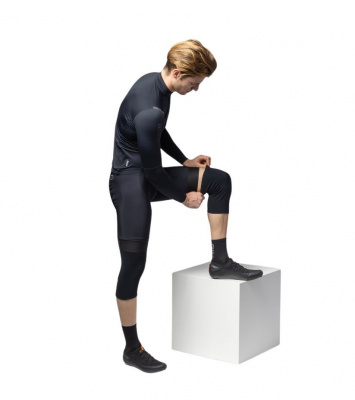
Alé cuts these warmers left and right specific, contouring the fabric to match the natural bend of your leg when you're on the drops. That anatomic shaping prevents the dreaded bunching behind the knee that plagues generic tube designs. The silicone grippers sit high on the thigh - hypoallergenic bands that grip without irritation - and they're designed to nestle under the leg gripper of your shorts rather than compete with it. Worn correctly, knee warmers go under your bib short grippers, not over. This layering keeps them anchored during sprints or out-of-the-saddle efforts and stops rain running down into the top of the warmer. The compression is firm but not tourniquet-tight; you want muscle support and stability, not restricted blood flow. If you're between sizes, match your Alé bib tights size - the Italian race fit runs snug by design. Some riders find the length generous, which works well if you prefer overlap with shorts, but shorter-legged cyclists might see a bit of excess fabric. A quick roll at the top sorts that.
When to Wear Them: Temperature and Timing
Thermal knee warmers cycling gear hits its sweet spot between 8°C and 15°C, the zone where bare knees feel the chill but full tights turn you into a sweatbox. Your knee joint relies on synovial fluid to stay lubricated and supple; cold thickens that fluid, increasing stiffness and injury risk, especially on longer rides. Keeping the joint warm isn't just comfort - it's injury prevention. Pair Alé Klimatik knee warmers with summer bibs for early spring reliability training, or layer them under Alé gilets for variable days when you're chasing segments on Box Hill. They're also brilliant for winter commutes when you want road cycling knee protection without the faff of changing into tights at the office. On transitional season gear days - those March mornings when frost lingers in the shadows but midday sun warms the tarmac - you can strip them off at a café stop and stash them in a pocket. That packability gives you options. If you're heading out in single-digit temps with rain forecast, the Klimatik range's DWR treatment adds a buffer, though it won't replace proper waterproofs in a downpour.
Verona Roots and Pro Pedigree
Alé's factory sits in Verona, northern Italy, where they've been stitching kit since the 1990s. They've supplied WorldTour teams for years, which means the tech that filters down to consumer products has been tested in the pro peloton - bunch sprints, Alpine descents, Classics cobbles. That heritage shows in the details: bonded technology on some models eliminates seams entirely, reducing drag and chafe, while Security Reflex strips on the back of the leg boost visibility when you're filtering through traffic on a dim November commute. Alé's known for vibrant fluo colours even in accessories, so if you want to be seen on a grey Welsh morning, they've got you covered. The brand's tagline - 'The End of the Ordinary' - isn't just marketing; it's a commitment to Italian tailoring and bold design choices that stand out in a peloton of black and grey. You're getting race-proven construction without the WorldTour price tag.
Comparisons and Trade-Offs
How do seamless knee warmers from Alé stack up against the competition? Castelli knee warmers offer similar Thermoflex fabric and a race fit, often with a slightly lower price point, while Assos knee warmers bring a plusher feel and more forgiving compression, though at a premium. Endura knee warmers lean toward durability and value, ideal if you're logging high mileage through winter training blocks. Alé sits in the middle: Italian fit precision, pro-level fabrics, and bold styling. The anatomic cut is more aggressive than Endura's relaxed shaping but less compressive than Assos's second-skin approach. If you prefer a snug, aero fit and don't mind the Italian sizing quirks, Alé delivers. The trade-off? The race fit won't suit riders who prefer a looser, more casual feel, and the length can be generous for shorter legs. DWR treatments fade over time and repeated washing, so expect to reapply a spray-on repellent after a season of heavy use. Pair them with Alé socks and Alé jackets for a cohesive layering system that works across the shoulder seasons.