
Albion Overtrousers
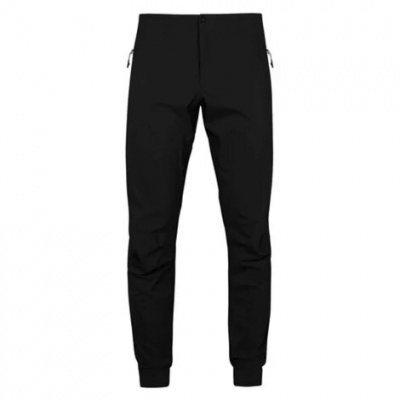
Albion overtrousers are what you reach for when the sky turns that particular shade of grey that means business. Built by a British brand that knows UK riding conditions aren't just damp - they're relentlessly, creatively wet - these are packable waterproof cycling trousers designed to live in your bar bag or jersey pocket until the moment you genuinely need them. And when you do need them, you want fabric that actually works.
The core of Albion's wet-weather trouser range is Pertex Shield, a 3-layer waterproof fabric that balances a serious hydrostatic head rating against real breathability. That matters on a long drag out of a Welsh valley or grinding up a moorland climb in the Lakes - you don't want to arrive soaked from the outside only to end up soaked from the inside. Fully taped seams close off every potential entry point during sustained downpours, while a PFC-free DWR coating sheds lighter rain before it even tests the membrane.
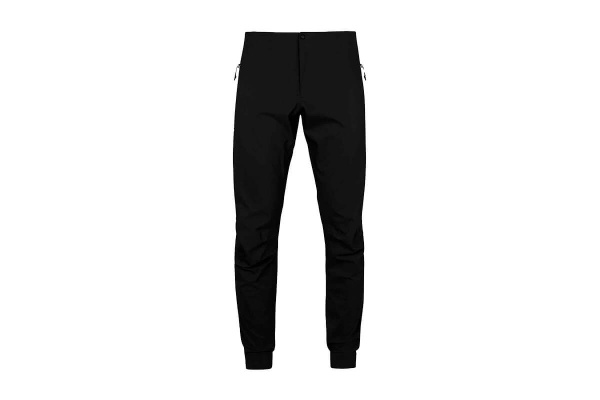
The articulated cut keeps pedalling efficient without bunching behind the knee, and adjustable cuffs stop fabric catching your drivetrain. Whether you're bikepacking, grinding gravel, or commuting in November, Albion rain pants are a practical, well-engineered answer to the British weather problem.
Prices and availability can change quickly. Delivery charges are not always included in listed prices.
Final price, stock status and delivery terms are set by retailer. We may receive a commission on purchases made.
Fabric Tech and Weather Performance
The headline material across Albion's waterproof cycling trousers is Pertex Shield, and it earns its place. Pertex Shield is a 3-layer waterproof fabric - meaning the outer face, membrane, and inner liner are bonded together rather than loosely layered - which gives you a cleaner, more reliable barrier against water ingress and a more packable result when you stuff them away. The hydrostatic head rating (the measure of how much water pressure the fabric resists before leaking) is high enough to handle a full day in the Peaks rather than just a quick shower on the commute home.
What separates a proper cycling overtrouser from a glorified bin bag is breathability. Pertex Shield's moisture vapour transmission rate lets sweat escape as vapour during hard efforts, so you're not just trading wet-from-rain for wet-from-sweat on a long climb. That breathability is the difference between feeling protected and feeling like you've wrapped yourself in cling film. On a mild, drizzly day in the Cotswolds it's less critical; on a steep, sweaty haul in the Scottish Borders it's the thing you'll notice most.
Fully taped seams mean every stitch line is sealed with waterproof tape - critical because fabric can be waterproof while the seams leak freely. On Albion overtrousers, that's not a compromise you have to make. The PFC-free DWR coating adds a first line of defence, causing light rain to bead and roll off the outer face rather than saturating it and degrading the membrane's breathability over time. When DWR starts to fail - you'll notice water soaking into the fabric rather than beading - a low-heat tumble dry or a reproofing spray brings it back. It's not a permanent fix, but it's a five-minute one.
If you're comparing the waterproofing approach to what you'd get from Endura overtrousers or Rab overtrousers, Albion sits confidently at the technical end - prioritising breathable membrane performance over simply throwing a thick, heavy coating at the problem.
Understanding the Albion Fit and Range
Albion waterproof cycling trousers are cut with an articulated, cycling-specific fit. That means the knees are shaped for a bent-leg position - so fabric isn't pulling tight through the pedal stroke or bunching behind the knee when you're grinding out the miles. It's a small detail that makes a significant difference on anything longer than a 30-minute commute.
The fit is designed to go over standard bib tights or cycling shorts. You generally don't need to size up for that - the relaxed cut accommodates a base layer underneath without going baggy in the wrong places or flapping at speed. Sizing up is only worth considering if you're planning to wear them over heavier casual trousers for commuting or touring in everyday clothes. For riding over bib tights, go with your normal size.
Adjustable cuffs at the ankle are worth paying attention to. A cuff that's too loose will catch on your chainring or waft into the drivetrain on every pedal stroke - annoying at best, damaging at worst. Albion's cuffs cinch down to keep the fabric clear. Worth doing up properly before you set off rather than fiddling with it three miles in.
The integrated stuff sack design on packable Albion rain pants means the trousers compress into their own pocket - small enough to drop into a handlebar bag or sit in a jersey back pocket as a genuine emergency layer rather than something you leave at home because it's too bulky. That packability is the whole point of carrying them at all. The Albion jackets range takes the same approach, so you can build a matching waterproof system that packs down together without one item undoing the other's convenience.
For riders considering alternatives, Patagonia overtrousers offer a strong sustainability angle with similar technical credentials, though the cycling-specific articulation in Albion's cut is notably purposeful if riding performance is the priority.
Layering and Care for UK Riding
Albion overtrousers work best as the outer shell of a system rather than a standalone solution. Underneath, Albion bib tights are the natural pairing - either a lightweight thermal tight for colder days or a standard unpadded tight if you're using a separate chamois. The overtrousers don't replace insulation; they block wind and rain while the base layer manages warmth and moisture from your legs. On a mild but soaking wet day, a single thin tight underneath is often enough - the overtrouser keeps the wet out, and your legs generate enough heat when you're moving.
On the upper body, pairing these with the Albion jacket range makes sense - consistent DWR treatment and compatible packability means both pieces work to the same standard. If your jacket is losing its beading while the trousers are fine (or vice versa), it's worth reproofing both at the same time. Grab a pair of Albion socks while you're at it - waterproof overtrousers with soaking wet feet undermine the whole effort.
Care is straightforward but specific. Wash at 30 degrees using a dedicated technical apparel wash - nothing biological, no fabric softener, both of which degrade the DWR coating faster than anything else. Tumble dry on a low heat after washing; the heat is what reactivates the DWR and keeps water beading properly. If you're only getting the trousers lightly muddy between washes, a cool rinse and low-heat dry is enough to keep the DWR functional. When water stops beading and starts soaking in, a reproofing spray (applied to clean, damp fabric) restores the coating without needing a full factory refresh.
Albion Overtrousers FAQs
Are Albion overtrousers fully waterproof?
Yes. Albion overtrousers use 3-layer fabrics including Pertex Shield, with fully taped seams and a PFC-free DWR coating. That combination keeps you dry through heavy, sustained rain - not just light showers - while the membrane maintains enough breathability to stay comfortable on hard efforts.
Should I size up when buying cycling overtrousers?
Not if you're wearing them over standard bib tights or shorts - Albion's articulated cut already accommodates a base layer underneath at your normal size. Only consider sizing up if you plan to wear them over bulkier casual trousers for commuting. Going too large just adds unwanted fabric movement at speed.
How do I wash and maintain the DWR coating on my overtrousers?
Wash at 30 degrees with a technical apparel cleaner - avoid biological detergents and fabric softeners, which strip DWR fast. Tumble dry on low heat after every wash; that's what reactivates the coating. When water stops beading on the surface, apply a reproofing spray to clean, damp fabric and let it dry thoroughly before riding.