
Adidas Sunglasses
Adidas cycling sunglasses are built around a straightforward idea: clear vision, secure fit, no distractions. Spot the pothole before you're in it. See the gravel patch before your front wheel finds it. That's the practical case for good optics on a bike, and Adidas makes it with a range that draws on decades of sports eyewear development.
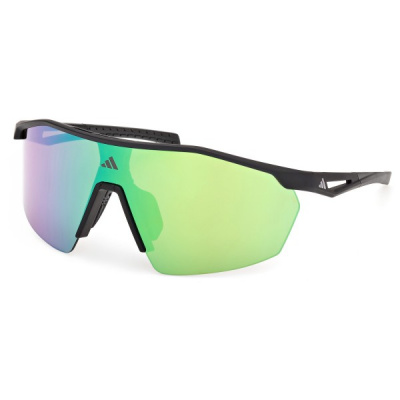
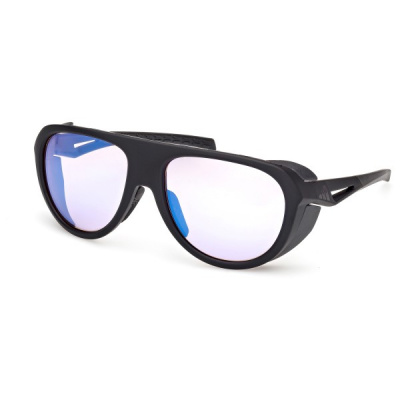
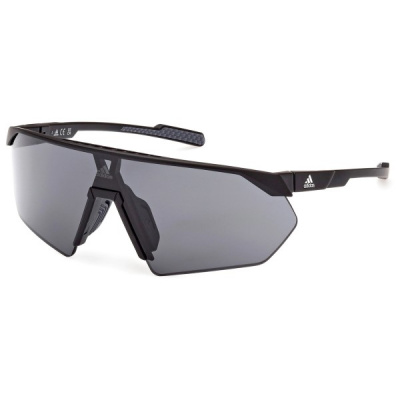
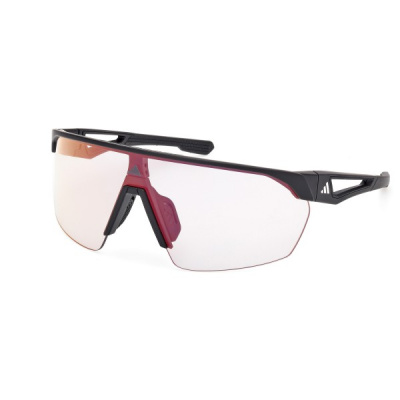
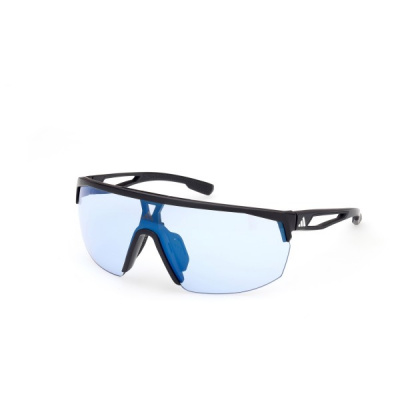
The frames use TR90, a lightweight thermoplastic that flexes rather than snapping under pressure, wrapped around an aerodynamic profile that sits close to your face without creating a greenhouse effect. Kolor Up™ lens technology sharpens contrast on overcast days - the kind of flat, grey light that turns a wet B-road into a guessing game of shadows and surface changes. For riders who spend time in shifting UK conditions, the photochromic options in the range adapt as light drops or breaks, so you're not swapping lenses at the side of the road in a drizzle.
UV400 protection is standard across the range, and the adjustable rubber nose pads mean you can dial the fit before you clip in rather than nudging them back up mid-climb. Helmet integration is clean, the temples are slim enough to sit under most road and MTB lids without pressure points, and the ventilation ports do real work in damp, humid air. A focused range. Precise enough to matter.
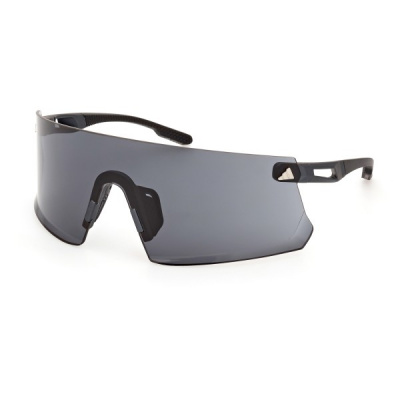
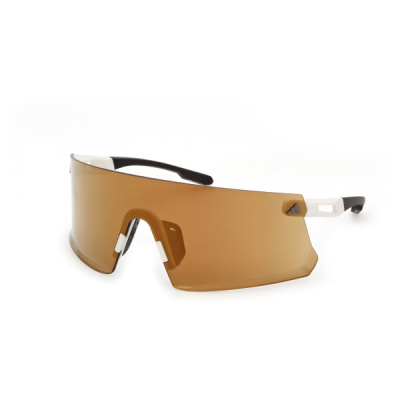
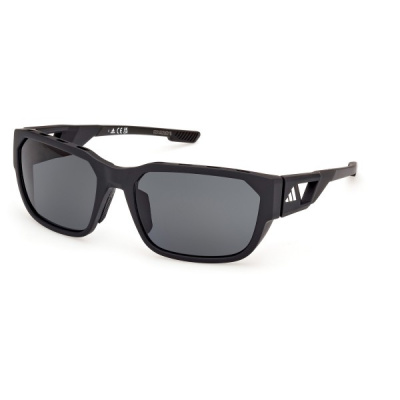
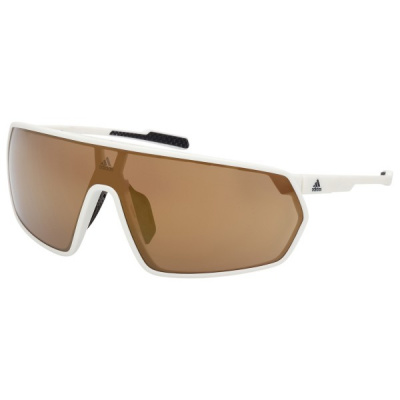
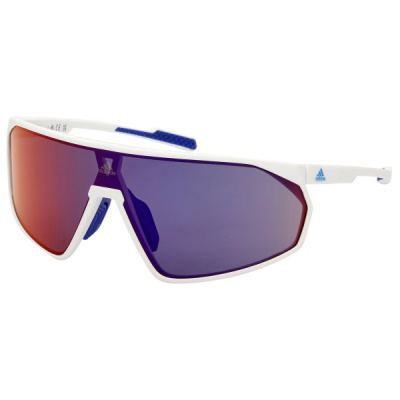
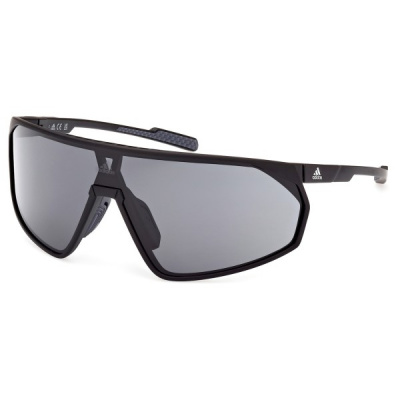
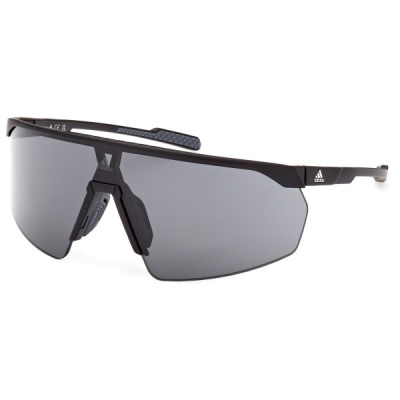
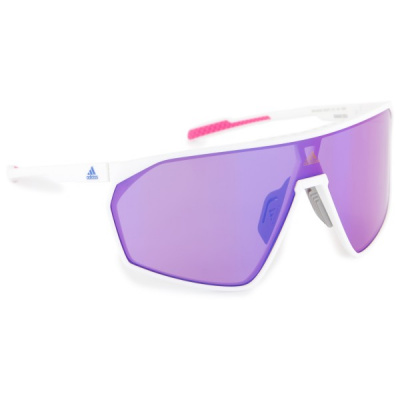
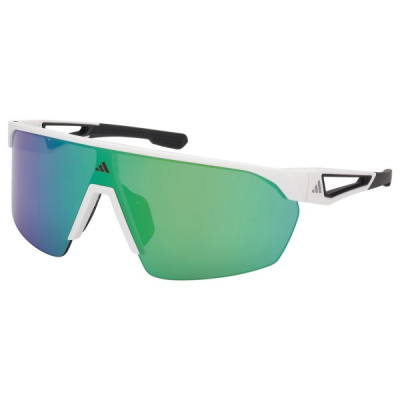
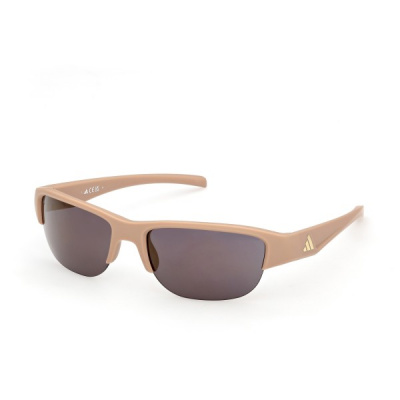
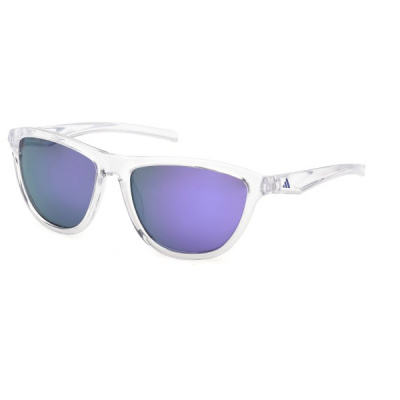
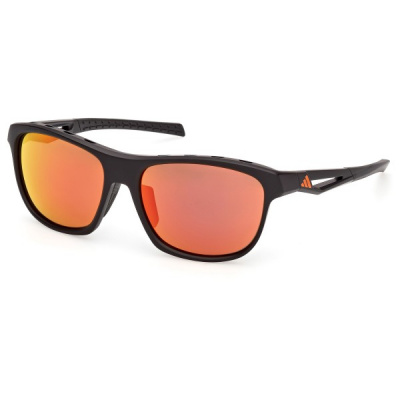
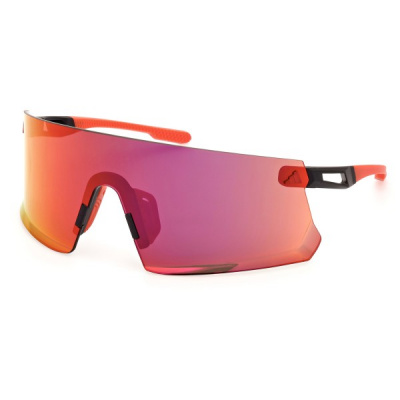
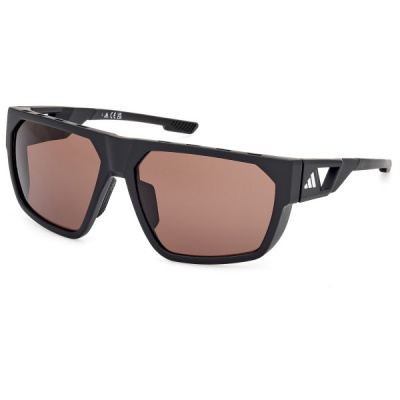
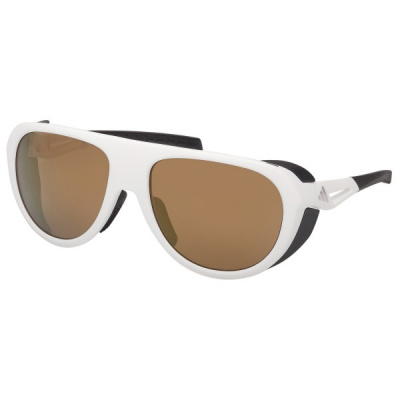
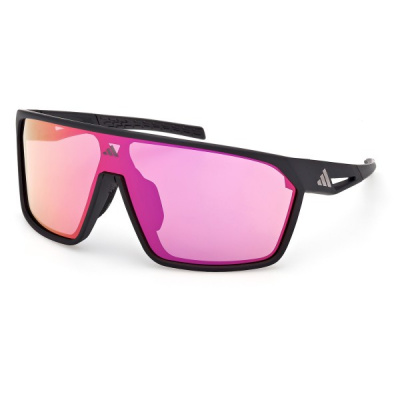
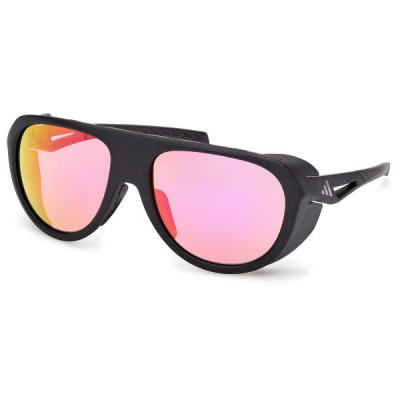
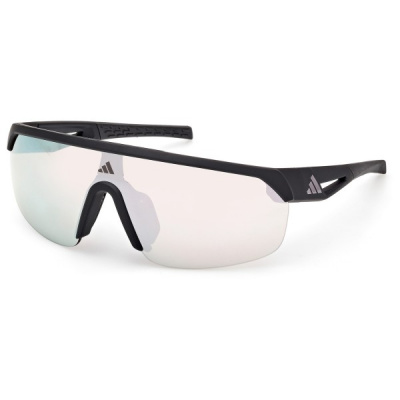
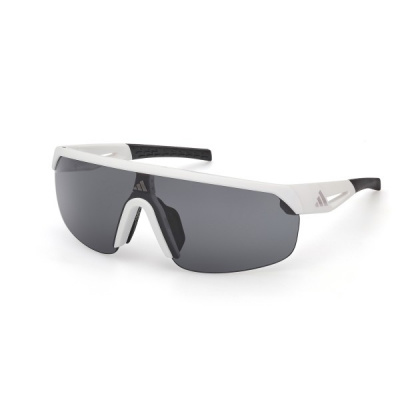
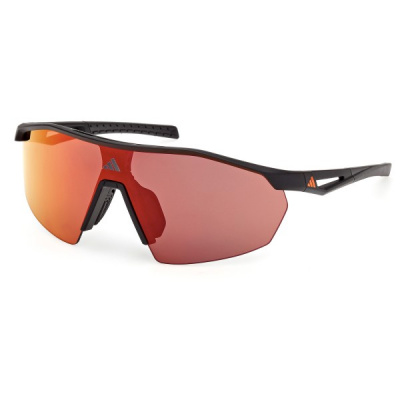
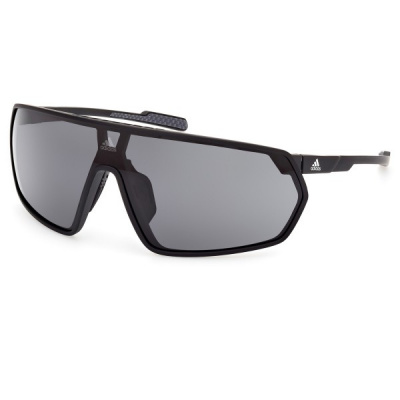
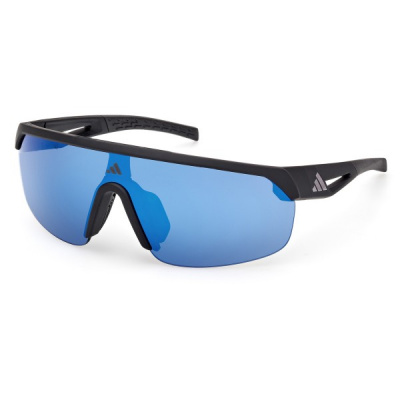
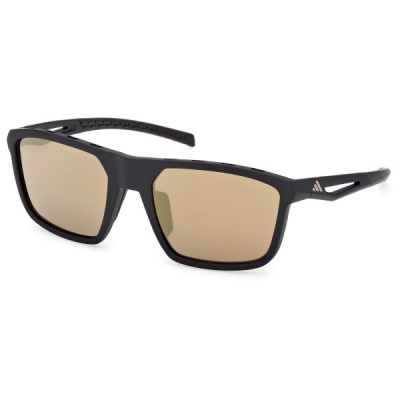
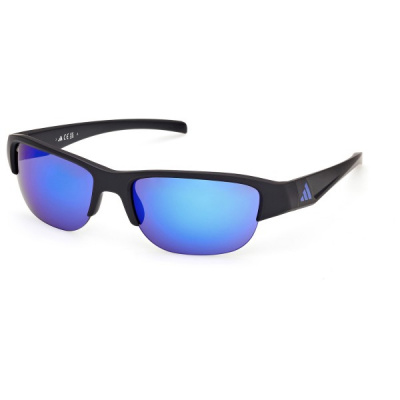
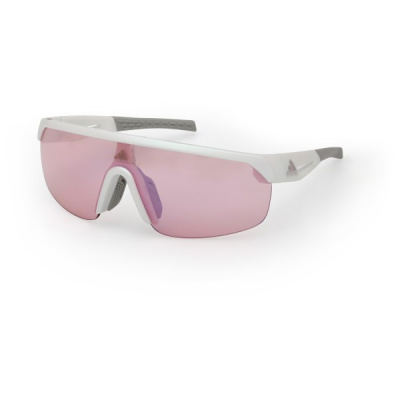
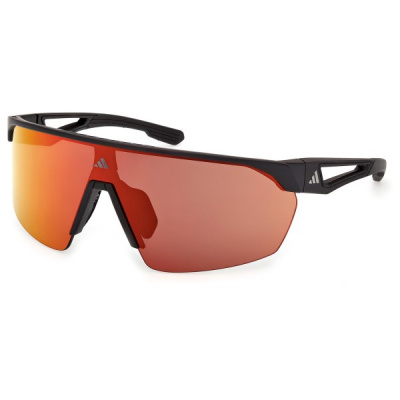
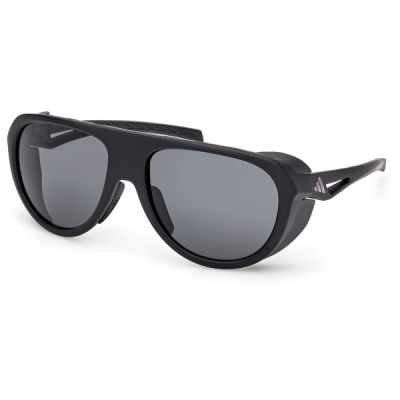
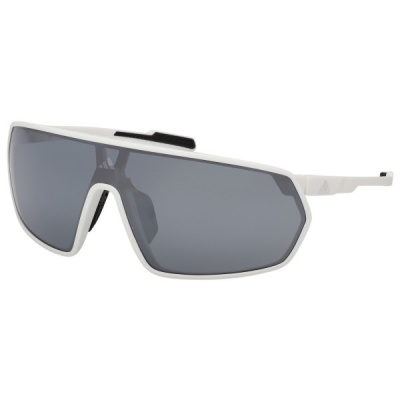
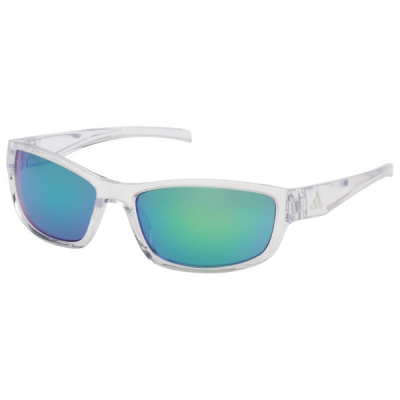
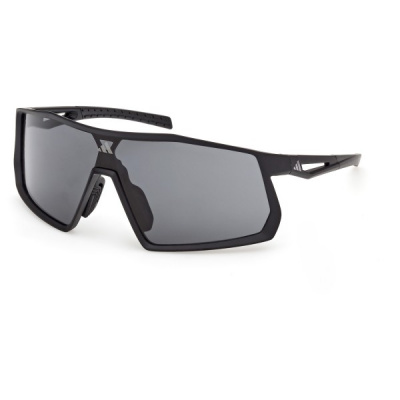
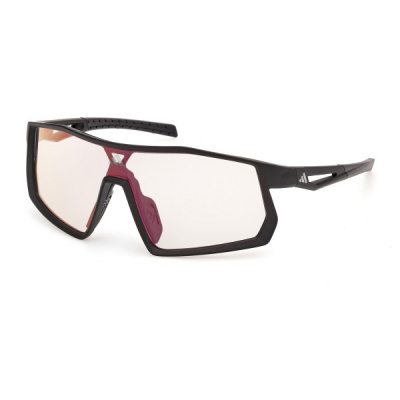
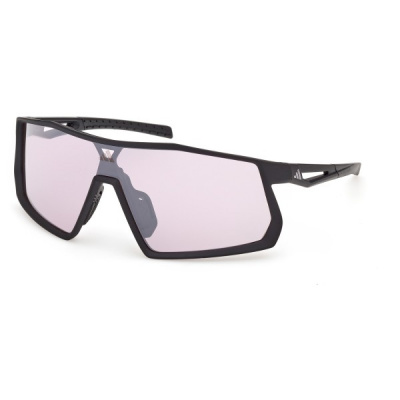
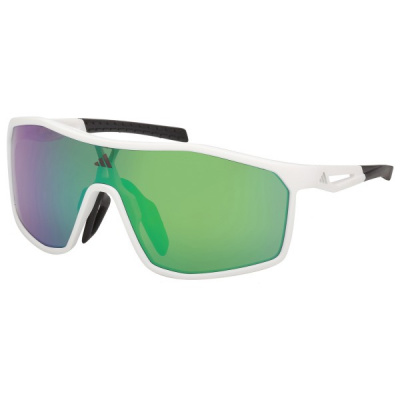
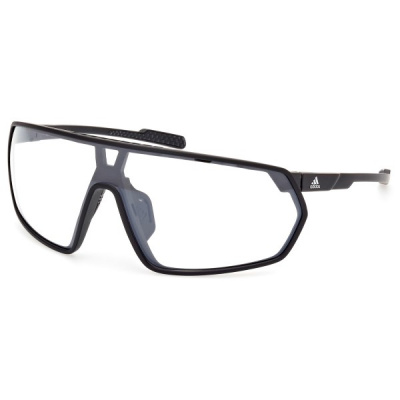
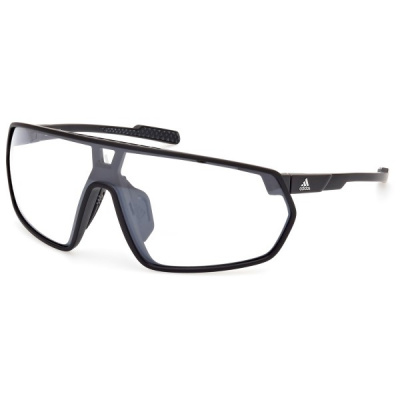
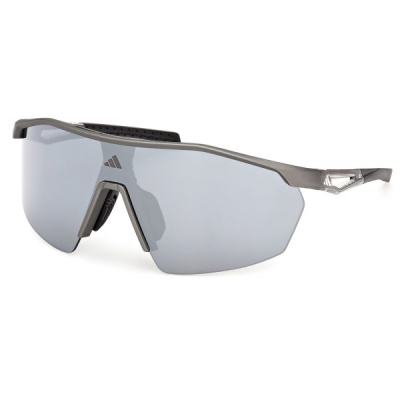
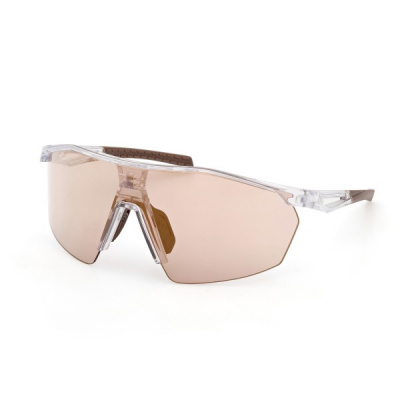
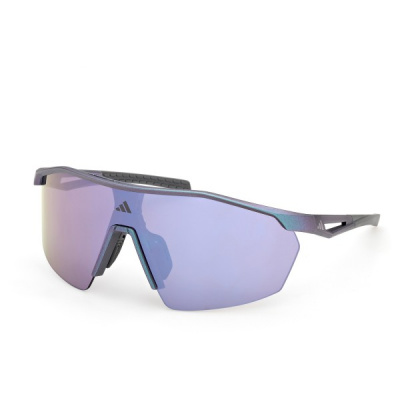
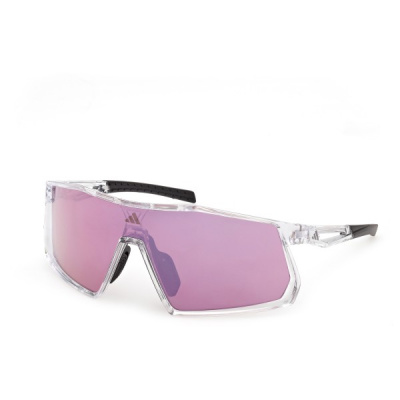
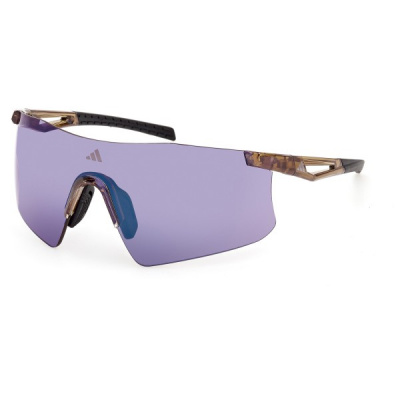
Prices and availability can change quickly. Delivery charges are not always included in listed prices.
Final price, stock status and delivery terms are set by retailer. We may receive a commission on purchases made.
Lens Tech and Weather Performance
Adidas cycling sunglasses lean heavily on Kolor Up™ technology as their optical centrepiece. In plain terms, it's a lens treatment that selectively filters wavelengths to boost contrast and depth perception - useful when you're reading road surfaces at speed. On a dull October morning in the Peaks, where the tarmac, sky and dry stone walls blur into the same shade of grey, that contrast enhancement genuinely helps you pick out surface texture and debris before you're committed to a line.
The lenses themselves are lightweight polycarbonate, which offers solid impact resistance without the weight penalty of glass. Polycarbonate is the standard choice for cycling optics at this level, and for good reason - it handles road grit and the occasional low branch far better than mineral glass. UV400 protection is present across the range, blocking the full UVA and UVB spectrum. Worth noting that UV exposure is real even on overcast UK days; the cloud scatters rather than blocks.
Photochromic options within the range are worth considering if your rides regularly cross multiple light conditions - a Surrey Hills loop that starts in valley mist and finishes on an exposed ridge in patchy sun, for instance. The lens darkens and lightens in response to UV intensity, removing the need to carry a spare set. The trade-off is that photochromic lenses react slower in cold temperatures, so on a bitter January morning the transition takes longer. Not a deal-breaker, but worth knowing. If your riding is mostly in consistent conditions, a fixed-tint lens with interchangeable lenses as backup is often the sharper choice. Compared to something like Oakley's cycling range, Adidas keeps the lens swap system accessible and straightforward rather than proprietary-complex.
Frame Architecture and How the Fit Works
The TR90 wrap-around fit is the structural backbone of most Adidas cycling frames. TR90 is a nylon-based thermoplastic - it's light, it flexes under stress rather than cracking, and it holds its shape over time without becoming brittle in cold weather. You'll notice it on rides where frames made from cheaper materials start to creak or distort. The wrap-around geometry keeps the lens close to your face, which reduces peripheral light bleed and blocks more road spray on wet lanes.
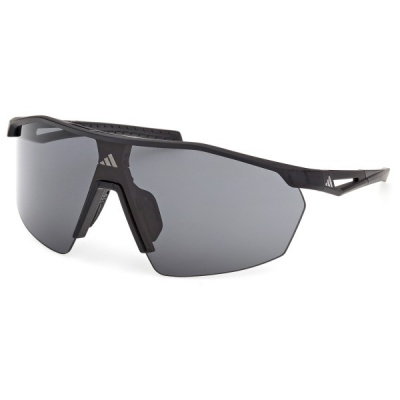
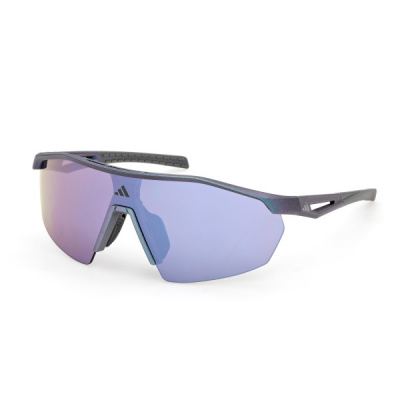
Half-rim and full-rim shield options sit in the range, and the choice mostly comes down to ventilation versus coverage. Full shields give broader protection from wind and debris - better for fast road riding or exposed coastal routes. Half-rim designs let more air move across the lens, which helps in warmer conditions or on long climbs where heat builds quickly. Neither is universally better; it depends on your typical riding.
The adjustable nose pads are a detail that actually matters. Most riders have different nose bridge widths and heights, and a fixed pad forces a compromise fit. With adjustable pads, you set the glasses at a height that keeps them clear of your cheekbones and stops them sliding forward when you drop your head into an aero position. The non-slip temple tips work alongside this - they grip behind the ear without clamping, so you're not pulling the glasses off when you remove your helmet.
On helmet compatibility: the temples are slim and low-profile by design. They sit cleanly under most road helmets and trail lids without creating pressure points against the strap anchor points. Route the arms over the helmet straps rather than under them - it takes a second to form the habit and keeps everything stable when you're moving fast. If you're comparing options at this price point, KOO's cycling sunglasses and 100% eyewear are the other names worth checking for fit and frame geometry - all three approach helmet integration differently.
Pairing your glasses with the rest of your kit makes sense here too. Adidas's cycling jerseys and bib shorts are cut with eyewear in mind - the jersey collar sits low enough that the temple tips don't snag when you're pulling it on. Small thing, but you notice it.
Keeping Your Lenses Clear in UK Conditions
Fogging is the persistent problem with cycling eyewear in Britain, and it comes down to a simple physics mismatch: warm, moist air from your face hits a cooler lens surface and condenses. The anti-fog ventilation ports built into Adidas frames are positioned to keep air moving across the inside of the lens, disrupting that condensation cycle. They work well when you're moving, but at low speeds - a slow grind up a steep Welsh climb, or a standing start in cold air - the airflow drops and fogging can creep in.
Keeping the ventilation ports clear is the first practical step. Mud and grit from road spray can partially block them; a quick wipe with a clean cloth before a ride takes ten seconds and makes a real difference. A cycling-specific anti-fog spray applied to the inner lens surface adds a further layer of protection. Avoid anything with alcohol-based solvents - they strip lens coatings over time.
Cleaning polycarbonate lenses without scratching them requires a bit of care. Don't use a dry cloth on a dusty lens - grit acts like sandpaper. Rinse with clean water first to float the debris off the surface, then use the microfibre cloth that comes with the glasses. For storage, the hard case matters. Tossing them loose into a jersey pocket with keys and gels is how scratches happen. The case keeps the lenses isolated; use it, especially between rides.
If you're riding in particularly heavy road spray - think wet lanes in the Brecon Beacons or a saturated cross-country course - a full shield lens gives better coverage than a half-rim frame. It won't stop everything, but it reduces how much grit reaches your eyes. Bliz and Adidas both make good cases for full-shield designs in exactly these conditions. Your road shoes will dry out eventually; lens scratches don't fix themselves.
Adidas Sunglasses FAQs
Are Adidas sunglasses good for cycling?
Yes. Adidas cycling sunglasses use lightweight TR90 frames and wrap-around designs that stay put during hard efforts. The Kolor Up™ lens technology boosts contrast in flat light, making road debris and surface changes easier to read at speed. They're a solid choice across road, gravel and trail riding.
Do Adidas cycling glasses fit under a helmet?
They do. Adidas designs the temples to be slim and low-profile so they sit cleanly under road and MTB helmets without creating pressure points. Route the arms over your helmet straps rather than under them - it keeps the glasses stable and makes them easier to remove at a stop.
How do I stop my cycling sunglasses from fogging up?
Adidas frames include ventilation ports to keep air moving across the lens, which is your first line of defence. Keep those ports clear of mud and grit. A cycling-specific anti-fog spray on the inner lens surface helps on slow climbs or cold mornings when airflow drops. Avoid alcohol-based cleaners - they damage lens coatings over time.