
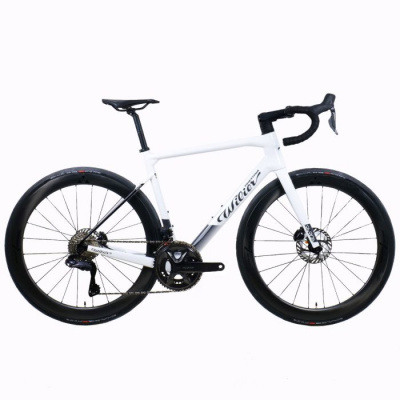
Wilier Garda
Smooth, stable carbon endurance that rewards long miles with comfort, practicality, and clean integrated lines.
- NH-MOD carbon frame: stiff where you need it, forgiving where you don't
- Full internal cable routing for clean lines and easy maintenance
- Up to 32mm tyre clearance on disc builds for proper comfort
- Endurance geometry: all-day comfort without sacrificing responsiveness
- Shimano 105 Di2 or mechanical: reliable shifting across the range
- 8.7 kg complete weight balances performance and practicality
Wilier Garda Deals
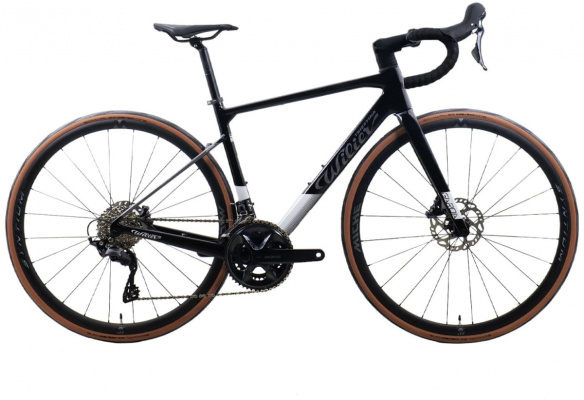
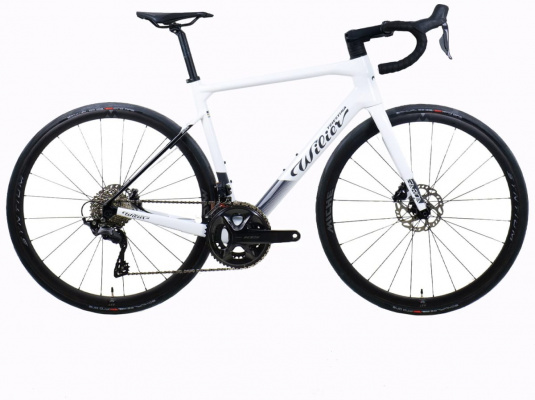
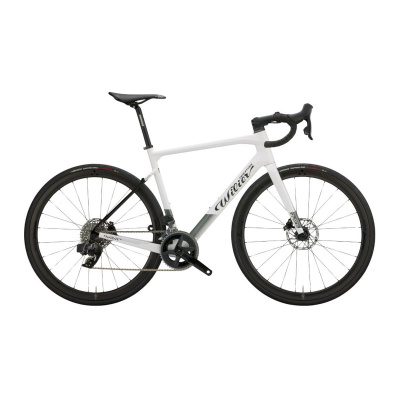
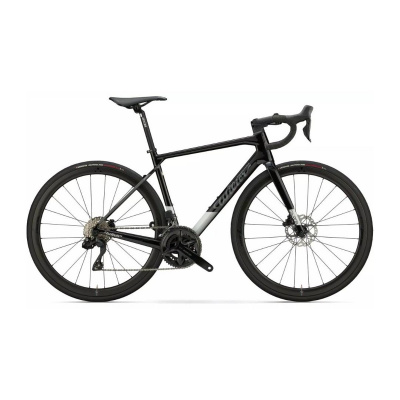

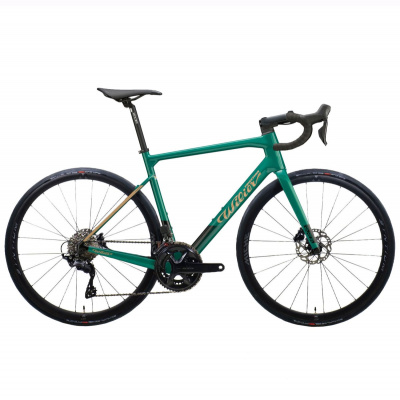
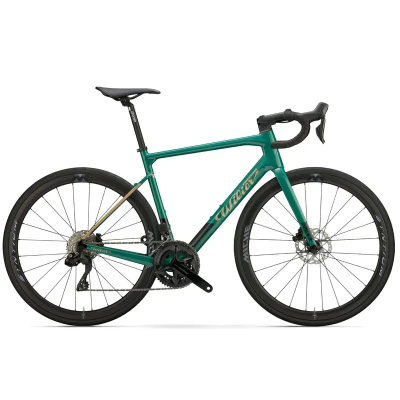
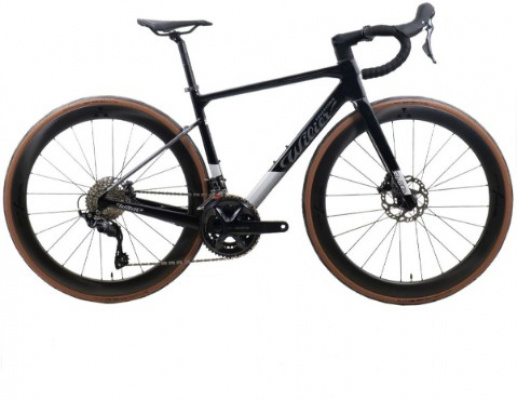
Prices and availability can change quickly. Delivery charges are not always included in listed prices.
Final price, stock status and delivery terms are set by retailer. We may receive a commission on purchases made.
Bikesy's Verdict
The Wilier Garda is a thoroughly modern carbon endurance bike that refuses to compromise on the details that matter for real-world riding. Full internal cable routing, generous tyre clearance, and a compliant yet responsive frame add up to a package that's comfortable enough for all-day sportives but lively enough to keep faster club runs engaging. It's not the lightest bike in its class, and it won't win you any sprints, but it will reward you with a smooth, stable, confidence-inspiring ride that makes long miles feel shorter.
If you're after a bike that balances performance with practicality, looks clean and integrated, and doesn't demand a second mortgage, the Garda deserves serious consideration. It's honest, well-specced, and built to handle the kind of riding most of us actually do: long days on mixed-quality tarmac, the occasional gravel byway, and plenty of miles where comfort and reliability trump outright speed. That's a recipe worth respecting.
Pros
- Comfortable endurance geometry and compliant carbon frame for all-day riding
- Full internal cable routing keeps lines clean and maintenance simple
- Generous 32mm tyre clearance on disc builds for versatility and comfort
- Stable, predictable handling on descents and rough roads
- Sensible pricing for a modern carbon bike with integrated features
Cons
- Frame weight is higher than race-focused bikes if you're chasing KOMs
- Stock tyres are adequate but not exceptional - worth upgrading for better grip and comfort
- Endurance geometry favours smooth efforts over explosive sprinting or aggressive racing
About the Wilier Garda
The Wilier Garda is what happens when an Italian brand with a century of racing pedigree decides to build a carbon endurance bike that doesn't cost the earth. It's not trying to win you over with flashy aero claims or featherweight bragging rights - instead, it offers a thoroughly modern package wrapped in clean, integrated lines and priced to make sense. The NH-MOD carbon monocoque blends 24-ton and 30-ton fibres for a frame that's stiff enough to respond when you lean on the pedals but compliant enough to smooth out the chatter from rough tarmac. You'll find full internal cable routing through the frame and headset, clearance for 32mm rubber on disc builds, and a geometry that keeps you comfortable whether you're three hours into a sportive or chasing mates down a twisty descent.
Wilier positions the Garda above the entry-level GTR Team and below the race-focused Cento10 SL, carving out a niche for riders who want a bike that can handle club runs, long sportives, and the occasional gravel byway without needing a second mortgage. The frame weighs around 1150 grams for a painted size medium - not feathery, but honest for the price - and the complete bike comes in at roughly 8.7 kilograms depending on spec. You're looking at builds ranging from Shimano 105 mechanical through to Di2 electronic shifting, with the occasional SRAM Rival AXS or Campagnolo Chorus option thrown in for good measure. The aesthetic is understated: no wild paint schemes, just elegant lines and the kind of integrated cockpit that makes post-ride cleaning a doddle.
What really sets the Garda apart is its refusal to compromise on the details that matter for real-world riding. The generous tyre clearance means you can run proper 30mm or 32mm rubber for comfort and grip on less-than-perfect surfaces, while the endurance geometry keeps your position relaxed enough for all-day efforts without feeling sluggish when the pace lifts. It's a bike that rewards patience rather than punishing ambition, and it does so with a level of finish and integration that used to be reserved for bikes costing considerably more.
Wilier Garda geometry
The Garda's geometry is pitched firmly in endurance territory, which means you're sitting a touch more upright than you would on a race bike, with a longer head tube and a slightly slacker head angle to calm the steering. The result is a front end that feels stable and predictable, especially when you're descending or navigating tight corners at speed. Reach and stack are balanced to keep your weight centred over the bike without forcing you into an aggressive tuck, so you can hold a comfortable position for hours without your lower back staging a protest.
The longer wheelbase and moderate chainstay length give the Garda a planted, confidence-inspiring feel on fast descents and rough roads. It's not twitchy or nervous - when you point it downhill, it tracks straight and holds its line through corners without needing constant input. That same stability translates to climbing: the bike doesn't dance under you like a lightweight race machine, but it doesn't wallow either. You'll find a rhythm and stick to it, with the geometry encouraging a smooth, seated pedalling style rather than explosive out-of-the-saddle efforts.
The slightly taller stack means you're not folded over the bars, which is a blessing on long rides when comfort trumps aerodynamics. Your shoulders and neck stay relaxed, and you can shift your position on the hoods or drops without feeling cramped. The trade-off is a fractionally less aggressive silhouette, but if you're chasing KOMs on every climb, you're probably looking at the wrong bike anyway. For everything else - sportives, club runs, long solo miles - the Garda's geometry hits the sweet spot between performance and practicality.
Component choices & upgrades
The stock builds on the Garda are sensibly specced, with Shimano 105 mechanical or Di2 forming the backbone of most configurations. The 105 groupset - whether you opt for cables or electrons - delivers crisp, reliable shifting and plenty of range with a typical 50-34T compact crankset paired to an 11-34T cassette. That's enough gearing to tackle steep climbs without grinding to a halt, and the hydraulic disc brakes (usually Shimano 105 callipers with 160mm front and 140mm rear rotors) offer consistent, powerful stopping in all conditions. The wheels vary by build but often include Miche or Vision alloy hoops, which are sturdy and dependable if not particularly light. Tyres are typically Vittoria Zaffiro Pro or Schwalbe One in 28mm, which do the job but leave room for improvement if you're chasing comfort or grip.
If you're planning to keep the Garda for the long haul or you're already riding at a level where the stock kit feels limiting, there are a few sensible upgrade paths. Swapping the tyres for something like a Schwalbe Pro One or Continental GP5000 in 30mm or 32mm will transform the ride quality, soaking up more vibration and offering better grip on wet or rough surfaces. The wheels are the next logical step: a set of lighter, wider alloy hoops or even mid-range carbon wheels (think DT Swiss or similar) will sharpen acceleration and make the bike feel more responsive without breaking the bank. If you're on the mechanical 105 build and you find yourself riding in all weathers or doing a lot of night miles, upgrading to Di2 later is straightforward thanks to the internal routing - though it's worth considering whether the extra cost justifies the convenience for your riding style.
The cockpit is another area where personal preference matters. The stock Wilier Barra S handlebar and Stemma S stem are designed to work with the integrated cable routing, so swapping them out isn't as simple as bolting on a different bar. If you do want to change the fit, it's worth consulting a bike fitter first to make sure you're not chasing marginal gains at the expense of comfort. The saddle - often a Selle Italia Model X or Prologo Kappa RS - is subjective, so budget for a swap if it doesn't suit your sit bones. The good news is that the stock build is already well-sorted for most riders, so you can ride it as-is for a season or two before deciding where to invest.
Where the Wilier Garda excels
The Garda is outstanding at long-distance endurance riding where comfort, stability, and versatility matter more than outright speed. If your weekends involve sportives, club runs that stretch past the three-hour mark, or solo miles on mixed-quality tarmac, this bike will reward you with a ride that's smooth, predictable, and easy on the body. The generous tyre clearance and compliant carbon frame mean you can tackle rough lanes, chipseal, and even light gravel without feeling beaten up, while the endurance geometry keeps you fresh enough to enjoy the final miles rather than grimacing through them.
It's also a strong choice for riders who value practicality and low maintenance. The full internal cable routing not only looks clean but also protects cables from the elements, reducing wear and making post-ride cleaning less of a chore. The hydraulic disc brakes deliver consistent stopping power in all conditions, which is a confidence boost on wet descents or when you're riding in a group. The bike's stable handling makes it forgiving for less experienced riders, but it's responsive enough that seasoned cyclists won't feel held back on faster club runs or when the pace lifts on a sportive.
Where the Garda is less ideal is in situations that demand explosive acceleration or featherweight climbing performance. The frame weight is higher than top-tier race bikes, so if you're chasing KOMs on steep climbs or racing crits where every gram counts, you'll notice the difference. It's also not the bike for aggressive, out-of-the-saddle sprinting - the endurance geometry and slightly longer wheelbase favour smooth, seated efforts over punchy attacks. And while the 32mm tyre clearance opens up light gravel riding, this isn't a dedicated gravel bike: the geometry and gearing are optimised for tarmac, so proper off-road adventures are better left to something with wider clearances and lower gearing.
Wilier Garda FAQs
What is the weight of the Wilier Garda?
The complete bike weighs approximately 8.7 kilograms, depending on the specific build and component choices. The frame itself comes in at around 1150 grams for a painted size medium, with a tolerance of plus or minus five per cent. That's not featherweight territory, but it's honest for a carbon endurance bike at this price point, and the ride quality more than compensates for the extra grams.
What is the maximum tyre clearance for the Wilier Garda?
The disc brake versions of the Garda accommodate tyres up to 32mm wide, which is generous for an endurance road bike and opens up options for improved comfort and grip on rough or mixed surfaces. If you're looking at a rim brake model, clearance drops to 28mm. The wider clearance on disc builds is one of the bike's standout features, allowing you to tailor the ride feel to your terrain and preferences.
Is the Wilier Garda suitable for long-distance riding?
Absolutely. The Garda is designed with long days in the saddle in mind, thanks to its endurance geometry, compliant carbon frame, and generous tyre clearance. The slightly more upright position reduces strain on your back and shoulders, while the frame's vibration-dampening characteristics keep you comfortable over rough tarmac. It's an excellent choice for sportives, audax rides, or any scenario where you're prioritising comfort and consistency over outright speed.
What groupset options are available for the Wilier Garda?
The Garda is offered with a range of groupsets to suit different budgets and preferences. Shimano 105 mechanical and Di2 are the most common options, offering reliable 12-speed shifting and hydraulic disc brakes. You'll also find builds with SRAM Rival AXS for wireless electronic shifting, and the occasional Campagnolo Chorus configuration for riders who prefer Italian componentry. The variety means you can choose the level of performance and convenience that suits your riding style and budget.
How does the Wilier Garda compare to other endurance road bikes?
The Garda sits in a competitive space alongside bikes like the Specialized Roubaix, Trek Domane, and Cannondale Synapse. It offers similar endurance geometry and comfort features but distinguishes itself with full internal cable routing and a slightly lower price point for comparable spec. It's not as light as some race-oriented endurance bikes like the Specialized Aethos, but it's more practical and versatile for real-world riding. The Garda's strength is its balance: it's comfortable enough for long sportives but responsive enough for faster club runs.
What are the key features of the Wilier Garda's frame?
The frame is built from NH-MOD carbon, a blend of 24-ton and 30-ton fibres that balances stiffness, strength, and compliance. Full internal cable routing through the frame and headset keeps the aesthetic clean and protects cables from the elements. The disc brake versions offer clearance for up to 32mm tyres, while the endurance geometry prioritises comfort and stability over aggressive positioning. The frame weighs around 1150 grams for a size medium, and it's available in six sizes from XS to XXL.
Can I fit wider tyres on the Wilier Garda disc brake version?
Yes, the disc brake versions of the Garda accommodate tyres up to 32mm wide, which is plenty for most road and light gravel riding. Running wider rubber - say, 30mm or 32mm - will improve comfort, grip, and confidence on rough or wet surfaces without sacrificing too much speed. If you're planning to explore unpaved byways or tackle particularly rough tarmac, the extra clearance is a real asset. Just make sure you're choosing tyres that suit your intended terrain and riding style.
Key Features & Benefits
- NH-MOD carbon monocoque frame: Balances stiffness for efficient power transfer with compliance to smooth out rough roads, keeping you comfortable on long rides.
- Full internal cable routing through frame and headset: Protects cables from dirt and weather, reduces maintenance, and delivers a clean, integrated aesthetic.
- Up to 32mm tyre clearance on disc brake builds: Allows wider rubber for improved comfort, grip, and confidence on rough tarmac or light gravel without sacrificing road performance.
- Endurance-focused geometry with longer wheelbase: Provides stable, predictable handling and a relaxed riding position that reduces fatigue on all-day rides and sportives.
- Shimano 105 hydraulic disc brakes: Delivers consistent, powerful stopping in all conditions, boosting confidence on wet descents and in group riding.
Wilier Garda 2025, 2024 & 2023 differences
The Garda has remained largely consistent across recent model years, with the core frame design, geometry, and key features - NH-MOD carbon construction, full internal cable routing, and generous tyre clearance - carrying over from 2023 through to 2026. The most notable changes have been in component specifications rather than frame updates. The 2025 and 2026 models have increasingly featured Shimano 105 Di2 as a standard build option, reflecting the broader industry shift towards electronic shifting at more accessible price points. Earlier 2024 and 2023 models were more commonly specced with Shimano 105 mechanical, SRAM Rival AXS, or Campagnolo Chorus, offering a wider range of groupset choices depending on regional availability and retailer preferences.
Wheelset and tyre specifications have also varied slightly between years, with 2023 and 2024 models often featuring Miche or Vision alloy wheels and Vittoria Zaffiro Pro tyres, while 2025 and 2026 builds have occasionally included upgraded options like DT Swiss or FFWD carbon wheels on higher-spec configurations. The frame weight and geometry have remained stable across all years, with the 1150-gram figure for a size medium frame holding true from launch. Disc and rim brake versions were both available in 2023 and 2024, though disc brake models have become the dominant option by 2025 and 2026 as the industry has moved away from rim brakes. Overall, the Garda's evolution has been incremental, focusing on refining component choices and keeping pace with groupset updates rather than overhauling the frame or geometry.
Alternatives to Consider
Within Wilier's own range, the GTR Team sits below the Garda as a more budget-conscious option with similar endurance intentions but typically alloy construction or a less refined carbon layup. If you're after more race-focused performance and can stretch the budget, the Cento10 SL offers a stiffer, lighter frame with sharper handling, though you'll sacrifice some of the Garda's all-day comfort and practicality. For riders who want the integrated aesthetic and endurance comfort but with a bit more Italian flair, the Cento1 Air is worth a look, blending aero touches with endurance geometry.
Cross-brand, the Specialized Roubaix is the obvious comparison: it shares the Garda's endurance focus and offers Future Shock suspension for extra compliance, though it typically commands a higher price for similar spec. The Trek Domane is another direct rival, with IsoSpeed decoupling for comfort and a slightly more relaxed geometry; it's a strong choice if you prioritise smoothness over outright responsiveness. The Cannondale Synapse offers similar endurance geometry and tyre clearance, often with a slightly lighter frame and sharper handling if you prefer a more spirited ride. For riders who want a more race-oriented feel without abandoning comfort, the Orbea Orca strikes a balance between stiffness and compliance, while the Specialized Tarmac SL7 leans harder into performance but sacrifices some of the Garda's practicality and tyre clearance. Each of these bikes has its own character, but the Garda's strength is its honest balance of comfort, integration, and value.
Reviews
Integrated cable routing and generous tyre clearance define the Garda's appeal from the first glance. The NH-MOD carbon frame strikes a sensible balance between stiffness and compliance, delivering enough responsiveness to keep the bike lively on climbs without punishing you over rough tarmac. When the road surface deteriorates - chipseal, patched lanes, gravel byways - the frame's vibration-dampening characteristics and the option to run 32mm rubber combine to smooth out the worst of it, keeping your hands and lower back fresh even after several hours in the saddle.
Stable geometry and a longer wheelbase bring poise to descents and fast corners. The front end tracks predictably through sweeping bends, and the bike holds its line without needing constant correction, which inspires confidence when you're pushing the pace downhill or riding in a tight group. Climbing isn't explosive - the frame weight and endurance geometry favour seated, steady efforts over punchy attacks - but the gearing is well-judged for varied terrain, and the bike rewards patience rather than penalising it. Because the position is relaxed without being upright, you can settle into a rhythm and maintain it for long stretches without feeling cramped or fatigued.
Hydraulic disc brakes deliver consistent, powerful stopping in all conditions, which is reassuring on wet descents or when the pace lifts unexpectedly. The internal cable routing not only looks clean but also simplifies maintenance, protecting cables from the elements and reducing wear over time. Stock tyres are adequate but not exceptional - swapping them for something like a Schwalbe Pro One or Continental GP5000 in 30mm or 32mm transforms the ride quality, adding grip and comfort without sacrificing speed. We find the Garda most rewarding on long sportives, club runs, and mixed-surface rides where comfort, stability, and practicality matter more than outright speed or featherweight climbing performance.
Full Specification
| Spec | Value |
|---|---|
| Frame Material | NH-MOD Carbon Monocoque (24-ton and 30-ton carbon fibres) |
| Frame Construction | Modern carbon monocoque |
| Frame Features | Internal cable routing through frame and headset |
| Tyre Clearance | 32 mm (disc brake versions); 28 mm (rim brake versions) |
| Frame Weight (Size M) | 1150 g ±5% |
| Available Sizes | XS, S, M, L, XL, XXL |
| Bottom Bracket Standard | PressFit |
| Front Axle | Thru-axle 12×125 mm |
| Rear Axle | Thru-axle 12×171 mm |
| Drivetrain Options | Shimano 105 2×12-speed; SRAM Rival AXS; Campagnolo Chorus 2×11-speed |
| Shifters (example) | Shimano 105 Di2 ST-R7170; Shimano 105 ST-R7120; Campagnolo Chorus ErgoPower; SRAM Rival AXS |
| Rear Derailleur (example) | Shimano 105 Di2 RD-R7150 12-speed; Campagnolo Chorus RD20-CH12 |
| Front Derailleur (example) | Shimano 105 Di2 FD-R7150 12-speed; Campagnolo Chorus FD20-CH12B |
| Crankset (example) | Shimano 105 FC-R7100 50 - 34T; Campagnolo Chorus UT TI CARBON FC20-CH12 50 - 34T |
| Cassette (example) | Shimano 105 12S CS-R7100 11 - 34T; Campagnolo Chorus CS20-CH1212 11 - 32T |
| Chain (example) | Shimano CN-M7100 12S; Campagnolo Chorus CN20-CH1214 |
| Brake Type | Hydraulic Disc Brakes; Rim brakes available on some models |
| Brake Calipers (example) | Shimano 105 Di2 BR-R7170; Shimano 105 BR-R7170; Campagnolo BRAKE SYSTEM EP20-CHD12 |
| Rotor Size | 160 mm (front); 140 mm (rear) |
| Rims (example) | Miche SWR EVO 40; Miche Reflex DX; Vision Team 30; Wilier RX 26; Wilier NDR38 KC; FFWD Ryot44; DT Swiss P1850; Shimano RS100; Shimano RS171 |
| Tyres (example) | Vittoria Zaffiro Pro 4 700×28; Schwalbe One Performance 700×28c; Schwalbe G-One 700×30c |
| Handlebar (example) | Wilier Barra S; Ritchey | Wilier Barra Alloy; Deda Superzero Rs Carbon Aero 31.7 mm clamp 42 cm |
| Stem (example) | Wilier Stemma S; Ritchey | Wilier Stemma Alloy |
| Bar Tape (example) | Guee Sio Dura Silicon; Guee SL Dual |
| Headset (example) | Wilier Custom Bearings Superslim; FSA Custom Bearings MR137 |
| Seatpost (example) | Ritchey 2-Bolt Alloy; Deda Mud Cross 27.2 mm diameter 400 mm; Element Carbon 0 Offset |
| Saddle (example) | Selle Italia Model X; Prologo Kappa RS STN; Brooks C17 Carved |
| Approximate Weight | 8.7 kg to 8.80 kg (±5%) |