
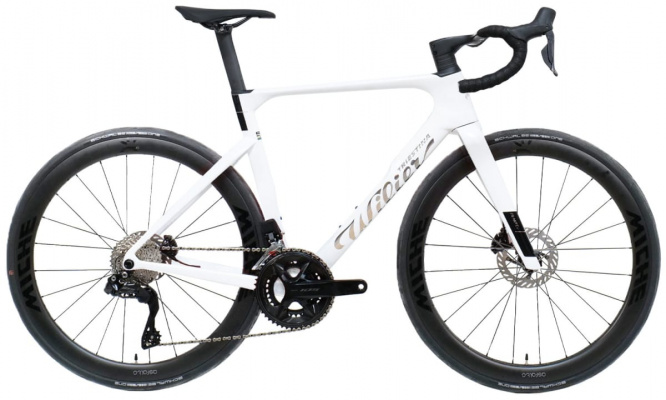
Wilier Filante SL
Race-proven aero speed and sharp handling at a price that rewards ambition without punishing your wallet.
- World Tour aero shaping at a friendlier price
- Ultegra Di2 or 105 Di2 electronic shifting
- Slightly softer carbon layup than the SLR flagship
- Hydraulic disc brakes with 160/140mm rotors
- Clearance for 30mm tyres, race-ready geometry
- Integrated cable routing for clean aerodynamics
Wilier Filante SL Deals
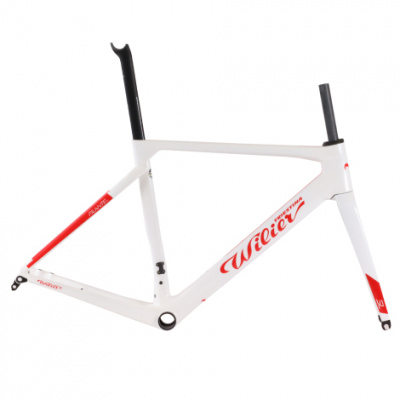
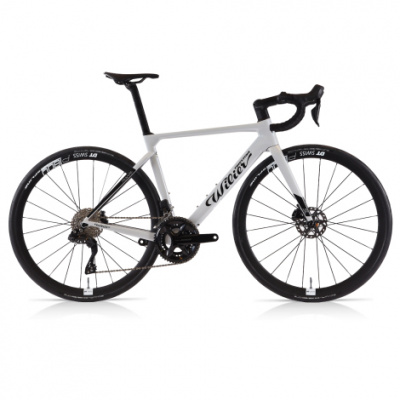
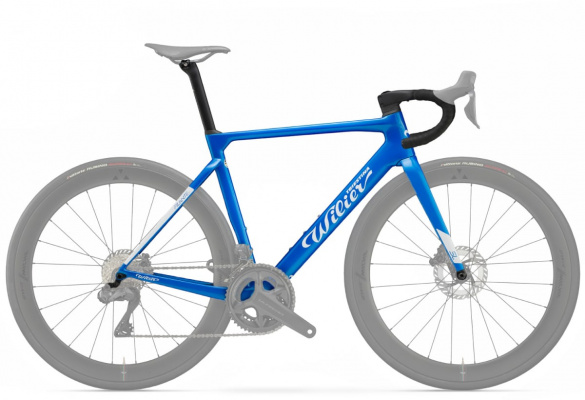
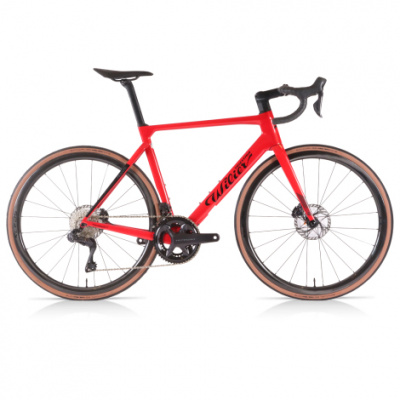
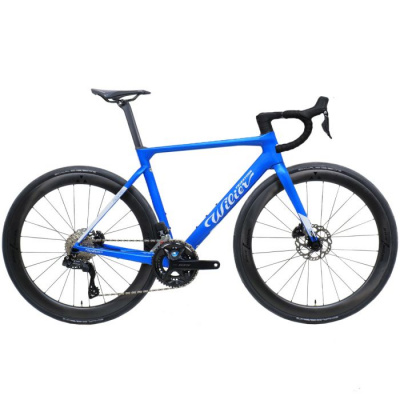
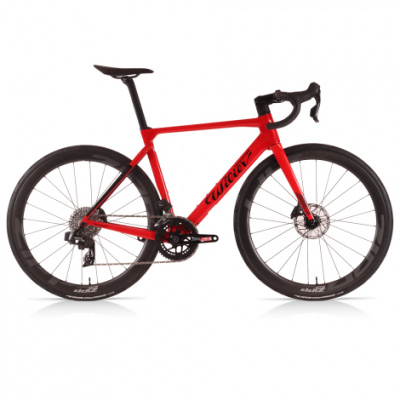
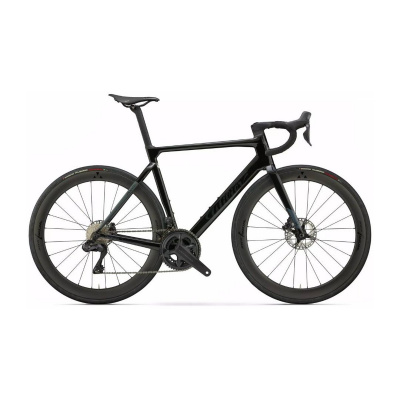
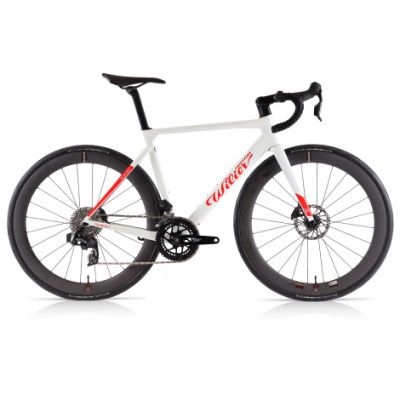
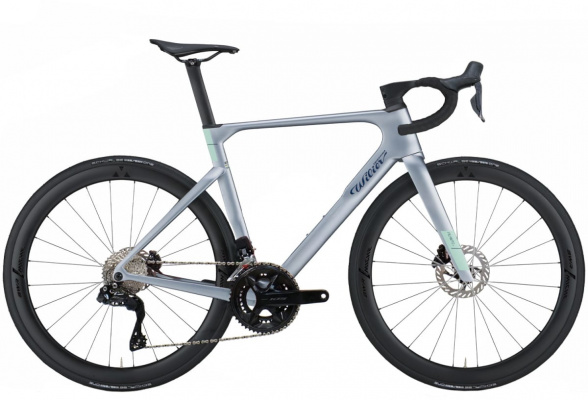

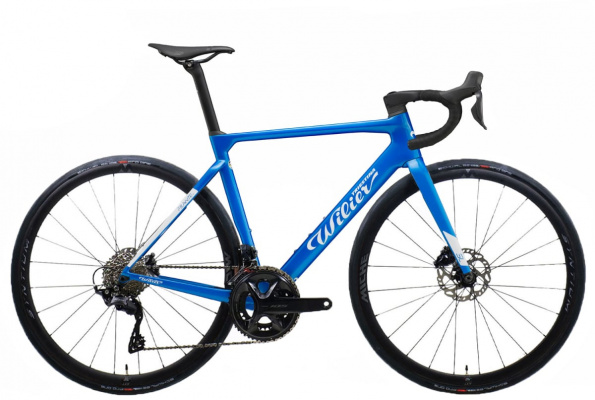
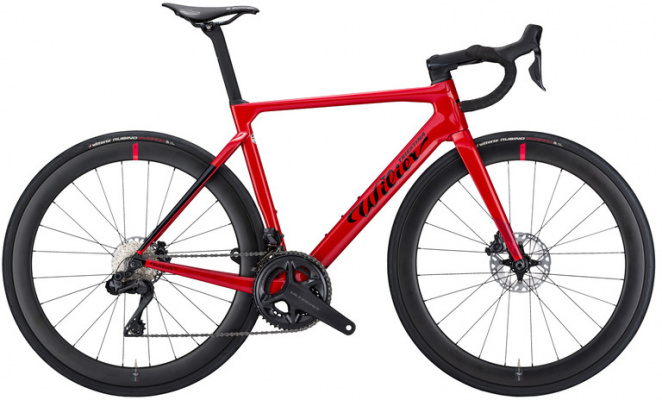
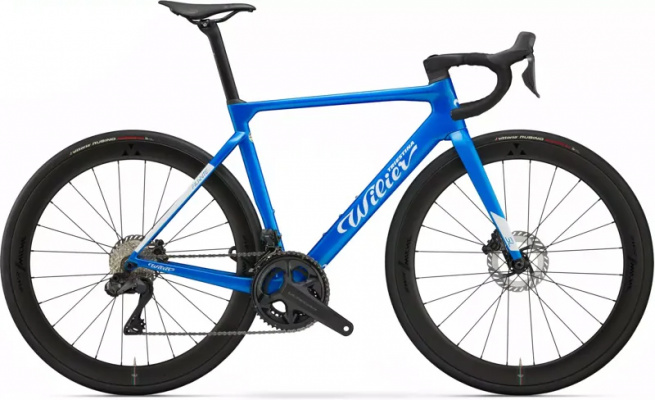
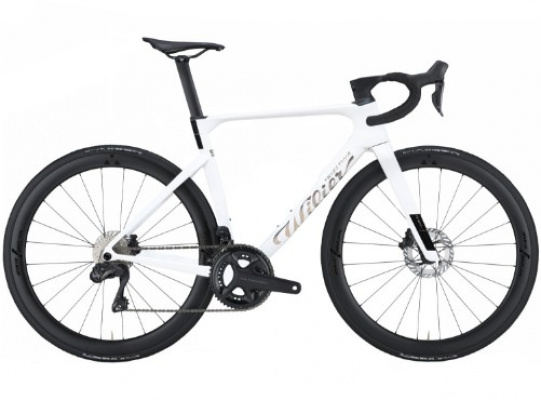
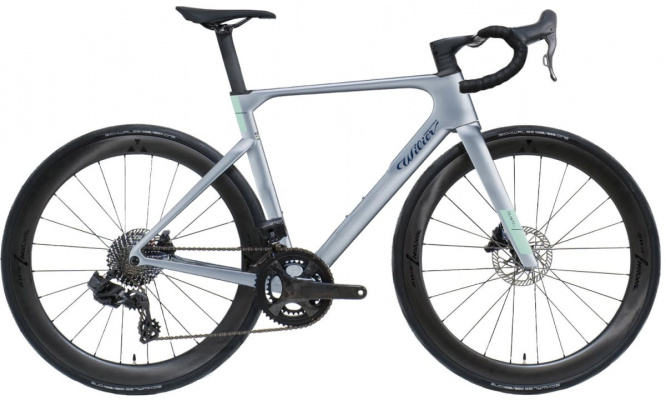
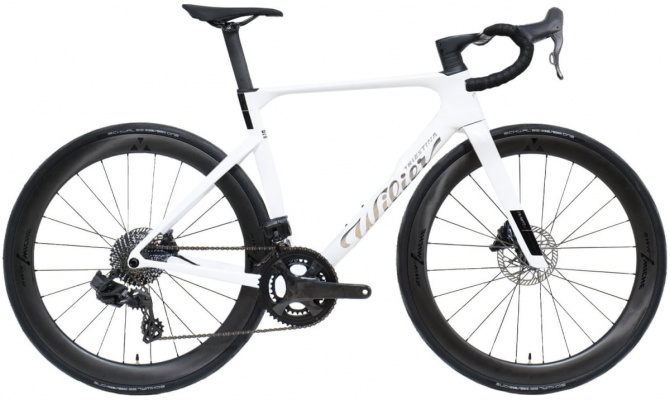
Prices and availability can change quickly. Delivery charges are not always included in listed prices.
Final price, stock status and delivery terms are set by retailer. We may receive a commission on purchases made.
Bikesy's Verdict
The Filante SL is a proper race bike that doesn't demand a pro contract to own. Wilier's taken the aerodynamics and geometry that work at World Tour level, wrapped them in a slightly softer carbon layup, and delivered a package that's fast, responsive, and comfortable enough for real-world riding. You're getting sharp handling, efficient power transfer, and wind-tunnel-proven speed at a price that undercuts many of its rivals. It's not the lightest bike you'll find, and the aggressive geometry won't suit everyone, but if you want to go fast on tarmac - whether that's racing, training, or chasing personal bests - the Filante SL has the performance to back up its looks.
The stock build is sensible and well judged, with Ultegra Di2 or 105 Di2 shifting, hydraulic discs, and carbon wheels that strike a good balance between weight, aerodynamics, and durability. There's room to upgrade if your riding demands it, but the bike works brilliantly as it arrives. It's a bike that rewards skill and effort, punishes laziness, and makes you want to ride harder. If that sounds like your kind of machine, the Filante SL is worth every penny.
Pros
- World Tour aerodynamics at a more accessible price than the SLR
- Sharp, precise handling that rewards aggressive riding
- Comfortable enough for long sportives despite race geometry
- Ultegra Di2 or 105 Di2 electronic shifting as standard
- Stiff bottom bracket and head tube for efficient power transfer
Cons
- Stiff front end transmits road impacts directly if you prefer a softer ride
- Aggressive geometry demands flexibility for extended time in the drops
- Limited 30mm tyre clearance if you want to venture onto rougher surfaces
About the Wilier Filante SL
The Filante SL sits in that sweet spot where race-proven aerodynamics meet a price tag that won't require a second mortgage. Wilier's taken the wind-tunnel-honed tube profiles and cam-tail silhouette of the flagship SLR, then wrapped them around a carbon layup that's a touch less extreme - around 150 grams heavier for the frame, but noticeably more forgiving when the road turns nasty. You're still looking at a bike that's been shaped by World Tour demands, but one that acknowledges you might actually want to ride it for more than three hours without needing a sports massage.
The 2025 model continues Wilier's 'Smart Line' philosophy: deliver the performance, skip the unnecessary exotica. That means electronic shifting only - Ultegra Di2 or 105 Di2 depending on spec - and hydraulic discs as standard. The frame is built exclusively around those technologies, so there's no bodge-job compatibility with mechanical kit. Hidden cables snake through the bars and frame, the wide-stance fork cuts turbulence, and the whole package weighs in around 7.95 kilograms for a medium with Ultegra. It's not the lightest thing you'll throw a leg over, but it's quick enough to make you forget the number on the scales once you're rolling.
This is a bike for riders who want to go fast - properly fast - without needing to justify the expense of a halo model. If your weekends involve chaingangs, crits, or sportives where you're chasing personal bests rather than admiring the scenery, the Filante SL speaks your language. It's sharp, it's stiff where it counts, and it'll reward every watt you can muster. But it's also comfortable enough that you won't be cursing Wilier's engineers when you hit hour four on a lumpy gran fondo.
Wilier Filante SL geometry
The Filante SL's geometry is pure race bike: low front end, longish reach, and a head angle that steepens as you move up the size range. On a medium you're looking at a 72-degree head angle and a reach that puts you stretched out over the front wheel, weight forward, ready to drive through corners or punch up a climb. The stack isn't punishingly low - this isn't a pursuit bike - but you'll need reasonable flexibility to hold the drops comfortably for extended periods. If you've spent years on endurance frames, the Filante will feel like a different animal: more urgent, more committed, less forgiving of sloppy positioning.
Chainstays are a consistent 409 millimetres across the size range, which keeps the rear end tight and responsive. You'll feel that when you stamp on the pedals out of a corner or kick for a village sign - the bike snaps forward rather than flexing away your effort. The wheelbase grows as you size up, but even the XXL stays composed and nimble rather than turning into a barge. Bottom bracket drop varies slightly by size, sitting around 70 millimetres for the middle sizes, which plants you low enough for stability without making the bike feel sluggish through tight technical sections.
What this all adds up to is a bike that wants to be ridden hard. The front end is precise - some would say unforgiving - and you'll know about every pothole and expansion joint. But that same stiffness means the bike goes exactly where you point it, holds a line through fast descents, and doesn't wander when you're out of the saddle grinding up a steep pitch. It's a geometry that rewards skill and punishes laziness, which is exactly what you'd expect from a frame that's been shaped by racing.
Component choices & upgrades
The stock build on the Filante SL is already well sorted. Shimano's Ultegra Di2 or 105 Di2 groupsets deliver crisp, reliable shifts, and the hydraulic disc brakes - 160mm front, 140mm rear - offer plenty of stopping power without adding unnecessary weight. The Miche SWR EVO 50 carbon wheels are a sensible choice: deep enough to offer an aero benefit, light enough not to feel sluggish on climbs, and robust enough to handle the occasional pothole without folding. Vittoria Rubino or Schwalbe One tyres in 28 millimetres strike a decent balance between speed and comfort, though you've got clearance for 30s if you want a bit more cushion.
If you're chasing marginal gains or your riding demands more, there are a few sensible upgrade paths. Lighter wheels - something in the 1,400-gram range with a similar depth - will sharpen acceleration and make the bike feel more eager on punchy climbs. A wider, more supple tyre can improve comfort and grip without sacrificing much speed; 30-millimetre rubber at lower pressures will smooth out rough tarmac and give you more confidence in the wet. The saddle is always a personal choice, so if the San Marco doesn't suit your sit bones, swapping it out is an easy win.
Beyond that, you're into diminishing returns. The Ultegra Di2 groupset is already excellent, and unless you're a weight-obsessed racer, the jump to Dura-Ace won't transform your riding. The carbon seatpost and integrated bar/stem setup (on some builds) are already light and stiff, so replacing them is more about fit tweaks than performance gains. The frame itself is the star here, and the stock components are chosen to complement it rather than hold it back. Spend your money on better tyres, a professional bike fit, or just more miles in the saddle.
Where the Wilier Filante SL excels
The Filante SL is outstanding at one thing above all: going fast on tarmac. If you're racing crits, hammering chaingangs, or chasing KOMs on your local climbs, this bike will deliver. The aerodynamic shaping cuts through the air, the stiff frame translates every watt into forward motion, and the sharp handling lets you carve through corners with confidence. It's a bike that rewards aggression and punishes hesitation, which makes it perfect for competitive riders who want to push their limits.
It also handles longer, faster rides surprisingly well. The slightly softer carbon layup compared to the SLR means it's not a bone-shaker, and while it's not an endurance bike, it's comfortable enough for a four-hour sportive or a solo training loop. The 30-millimetre tyre clearance gives you room to add a bit more cushion if you're tackling rougher roads, and the disc brakes inspire confidence in all conditions. If your idea of a good weekend involves big miles at a brisk pace, the Filante SL won't let you down.
Where it's less ideal is anywhere that demands comfort over speed. The aggressive geometry and stiff front end make it a poor choice for leisurely café rides or multi-day tours where you're carrying luggage. There are no mudguard mounts, no rack eyelets, and the race-focused position will leave you aching if you're not used to it. It's also not a gravel bike - despite the 30-millimetre clearance, the frame and geometry are optimised for smooth tarmac, and you'll be fighting the bike on loose or technical surfaces. If you want one bike to do everything, look elsewhere. But if you want a bike that excels at going fast on the road, the Filante SL is hard to beat.
Wilier Filante SL FAQs
What is the difference between Wilier Filante SL and SLR?
The SLR uses a more advanced carbon layup that's lighter and stiffer, shaving around 150 grams off the frame weight. The SL adopts the same aerodynamic shaping and design but with a slightly softer carbon construction, which makes it more comfortable and more affordable. Both bikes share the same race-proven geometry and wind-tunnel-tested tube profiles, so the performance gap is smaller than the price difference suggests.
Is the Wilier Filante SL a good bike for racing?
Absolutely. The Filante SL is built for racing, with World Tour-inspired aerodynamics, a stiff and responsive frame, and sharp handling that rewards aggressive riding. It's been designed around electronic shifting and disc brakes, so it's ready for modern race conditions. Whether you're contesting crits, road races, or fast sportives, the Filante SL has the performance to keep you competitive.
What is the maximum tyre clearance on the Wilier Filante SL?
The frame will accommodate tyres up to 30 millimetres wide. That's enough to add a bit of comfort and grip without compromising the bike's aero credentials, though it's not generous enough for serious gravel or rough off-road use.
How much does the Wilier Filante SL weigh?
A medium-sized frame with Ultegra Di2 weighs around 7.95 kilograms. The painted frame alone comes in at approximately 1,010 grams. It's not the lightest bike in its class, but the weight is well distributed and doesn't hold the bike back on climbs or accelerations.
What kind of bottom bracket does the Wilier Filante SL use?
The Filante SL uses a PressFit bottom bracket, typically a Shimano BB-RS500-PB or similar. It's a standard that's widely supported and easy to service, though some riders prefer threaded bottom brackets for their simplicity and lack of creaking issues.
Is the Wilier Filante SL comfortable for long rides?
It's more comfortable than the SLR thanks to its softer carbon layup, and it's capable of handling four-hour sportives or long training rides without beating you up. That said, it's still a race bike with an aggressive geometry and a stiff front end, so it's not as forgiving as a dedicated endurance frame. If you're flexible and used to race positions, you'll be fine. If you prefer a more upright, relaxed posture, you might find it demanding over very long distances.
What are the best alternative aero road bikes to the Wilier Filante SL?
The Specialized Tarmac SL8 is a direct competitor, offering a similar blend of aerodynamics and light weight with a slightly more refined ride. The Merida Reacto 9000 is another strong option, often praised for its value and aero performance. The Orbea Orca Aero M120i LTD and Giant TCR Advanced Pro 0 AXS are also worth considering if you want a bike that balances speed with versatility. Within Wilier's own range, the Filante SLR is the obvious step up if you want the lightest, stiffest option, while the Garda or Granturismo lines offer more affordable or endurance-focused alternatives.
Key Features & Benefits
- Aero-optimised carbon frame with cam-tail tube profiles: Cuts through the air efficiently, saving watts on fast flats and long drags without sacrificing stiffness or handling precision
- Softer carbon layup than the SLR flagship: Adds a degree of compliance for longer rides and rougher tarmac, making the bike more versatile without losing race-ready responsiveness
- Shimano Ultegra Di2 or 105 Di2 electronic shifting: Delivers crisp, reliable shifts under load and in all conditions, with integrated cable routing for clean aerodynamics and easy maintenance
- Hydraulic disc brakes with 160mm front / 140mm rear rotors: Provides confident, controllable stopping power in wet or dry conditions, with less hand effort and more modulation than rim brakes
- Clearance for 30mm tyres and consistent 409mm chainstays: Lets you add comfort and grip with wider rubber while keeping the rear end tight and responsive for quick accelerations and sharp cornering
Wilier Filante SL 2024 and 2023 differences
The 2025 Filante SL carries over the core frame design, geometry, and aerodynamic shaping from the 2024 model year, with specifications remaining largely consistent. Both years feature the same carbon monocoque construction, 30mm tyre clearance, and integrated cable routing, along with builds centred around Shimano Ultegra Di2 or 105 Di2 groupsets and Miche SWR EVO 50 carbon wheels. The 2023 model year also shares these fundamental characteristics, with the Filante SL having been available since at least that year. Any differences between 2023, 2024, and 2025 are minor and likely limited to component spec updates - such as shifts in stock tyre models or minor finishing kit changes - rather than frame or geometry revisions. The Filante SL has remained a stable platform across these model years, offering consistent performance and value without significant year-on-year overhauls.
Alternatives to Consider
Within Wilier's own stable, the Filante SLR is the obvious step up: it uses a more advanced carbon layup that's around 150 grams lighter and slightly stiffer, though you'll pay a premium for those marginal gains. If you're after something more affordable or versatile, the Wilier Garda offers entry-level aero performance with a more relaxed geometry, while the Wilier Granturismo leans into endurance territory with greater comfort and clearance for wider tyres.
Cross-brand, the Specialized Tarmac SL8 is the Filante SL's closest rival: it blends aerodynamics with light weight and a slightly more refined ride, though it often commands a higher price. The Merida Reacto 9000 is another strong contender, frequently praised for its aero efficiency and competitive pricing, making it a direct peer in the value-for-performance stakes. The Orbea Orca Aero M120i LTD offers similar race-focused geometry and aero shaping, while the Giant TCR Advanced Pro 0 AXS balances lightweight construction with aero features, appealing to riders who want a bike that climbs as well as it descends. The Scott Foil RC is worth considering if you want a slightly more aggressive aero profile with modern integration, though it can feel harsher on rough roads. Each of these bikes trades blows with the Filante SL depending on your priorities - whether that's outright weight, ride quality, or spec-for-money - but the Wilier holds its own with a compelling mix of speed, comfort, and value.
Reviews
Aerodynamic performance punches well above the price point, with the cam-tail tube profiles and wide-stance fork delivering measurable speed gains on fast flats and rolling terrain. The frame's stiffness around the bottom bracket and head tube translates power cleanly, making accelerations feel immediate and climbs efficient despite the bike's weight sitting around 7.95 kilograms. Handling is sharp and confidence-inspiring, particularly at speed or through technical descents, where the precise steering and stable wheelbase let you carve lines with minimal input.
Comfort surprises for a race-focused frame. The softer carbon layup compared to the SLR absorbs enough road chatter to make four-hour sportives manageable, though the stiff front end still transmits impacts directly on broken tarmac. When you're out of the saddle grinding a steep pitch, the bike doesn't flex or wander - it just drives forward. Descending reveals the same composure, with the low bottom bracket and tight rear end keeping the bike planted even when you're pushing hard into corners.
Electronic shifting - whether Ultegra Di2 or 105 Di2 - performs flawlessly, with crisp shifts under load and intuitive ergonomics. Hydraulic disc brakes offer strong, modulated stopping power in all conditions, though the 160mm front and 140mm rear rotors are adequate rather than overpowering. The Miche carbon wheels are a sensible choice: deep enough to offer an aero benefit without feeling sluggish on climbs, and robust enough to handle typical road abuse. Tyre clearance maxes out at 30 millimetres, which is enough to add comfort with wider rubber but limits the bike's versatility on rougher surfaces.
Aggressive geometry demands flexibility and fitness. The low stack and long reach put you stretched out over the front wheel, which is ideal for racing but less forgiving on leisurely rides or multi-day tours. We appreciate the bike's honesty - it's built to go fast, and it doesn't pretend to be anything else. The integrated cable routing keeps the aesthetics clean and the aerodynamics sharp, though it can complicate maintenance for home mechanics. Overall, the Filante SL delivers race-proven performance at a price that's hard to argue with, making it a compelling choice for riders who prioritise speed and value over outright luxury.
Full Specification
| Spec | Value |
|---|---|
| Frame | Carbon Monocoque NHU MOD + High Impact Strength |
| Frame Construction | Aero-optimized with cam-tail tube profile and wide-stance fork |
| Frame Features | Hidden cable routing, electronic shifting and disc brakes only, integrated aero bottle mounts |
| Tyre Clearance | 30mm maximum |
| Standards (Bottom Bracket) | PressFit (Shimano BB-RS500-PB or Shimano Ultegra Press Fit SM-BB72) |
| Standards (Rear Axle) | Speed Release thru-axle |
| Drivetrain | 2x12 speed electronic |
| Shifters | Shimano Ultegra Di2 ST-R8170 12-speed or Shimano 105 Di2 ST-R7170 12-speed |
| Rear Derailleur | Shimano Ultegra Di2 RD-R8150 12-speed or Shimano 105 Di2 RD-R7150 12-speed |
| Front Derailleur | Shimano Ultegra Di2 FD-R8150 or Shimano 105 Di2 FD-R7150 |
| Crankset | Shimano Ultegra FC-R8100 or Shimano 105 FC-R7100, 50-34T |
| Cassette | Shimano 105 12-speed CS-R7100 11-34T or Shimano Ultegra 12-speed 11-30T or 11-34T |
| Chain | Shimano M7100 12-speed |
| Brakes | Hydraulic Disc |
| Brake Levers | Shimano Ultegra BR-R8170 or Shimano 105 BR-R7170 |
| Rotors (Front) | Shimano Ultegra RT-MT800 or Shimano 105 RT70, Center Lock, 160mm |
| Rotors (Rear) | Shimano Ultegra RT-MT800 or Shimano 105 RT70, Center Lock, 140mm |
| Wheels | Miche SWR EVO 50 KC Carbon or similar carbon aero wheels |
| Tyres (Front) | Vittoria Rubino 700x28c or Schwalbe One Performance 28mm |
| Tyres (Rear) | Vittoria Rubino 700x28c or Schwalbe One Performance 28mm |
| Handlebar | Barra SL (alloy) or integrated carbon bar, aero profile |
| Stem | Stemma SL (alloy) or integrated stem |
| Headset | Wilier Custom Bearings Superslim 1-1/8" |
| Seatpost | Filante SLR carbon |
| Saddle | San Marco Shortfit Startup or similar |
| Mounts | Integrated aero bottle mounts |
| Weight (Approx) | 7.95 kg (medium size with Ultegra Di2) |
| Frame Weight (Approx) | 1010 g (size M, painted) |
| Available Sizes | XS, S, M, L, XL, XXL |