
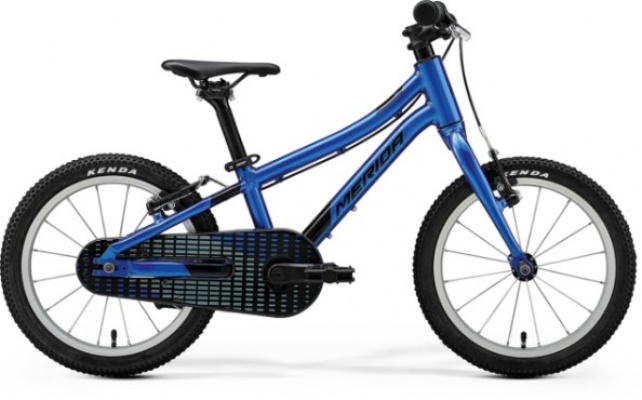
Merida MATTS J16
Give your child a lightweight, confidence-building first bike that's genuinely easy to control and safe.
- Lightweight aluminium frame: easier for small hands to steer
- Short-reach Tektro V-brakes: built for little fingers
- Enclosed chain guard: keeps clothes clean, fingers safe
- Single-speed simplicity: no gears to confuse or maintain
- Optional stabilisers: confidence from day one
- Just 7.8 kg: light enough for a four-year-old to manage
Merida MATTS J16 Deals


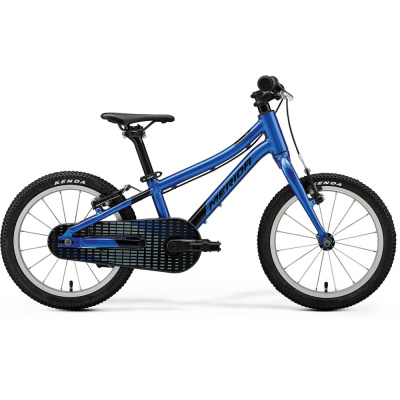
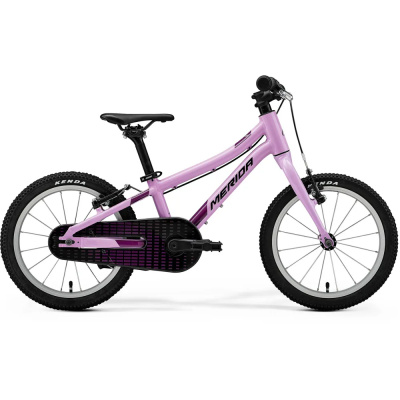
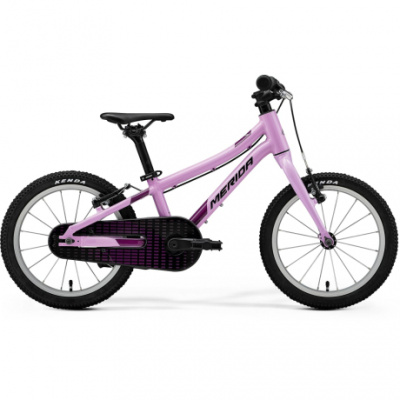
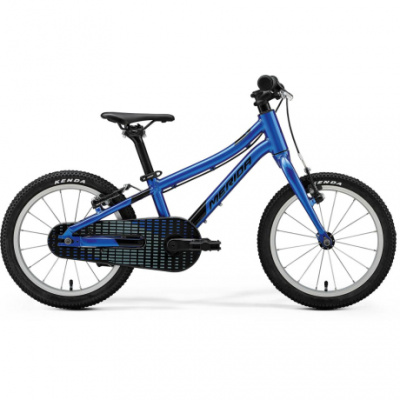
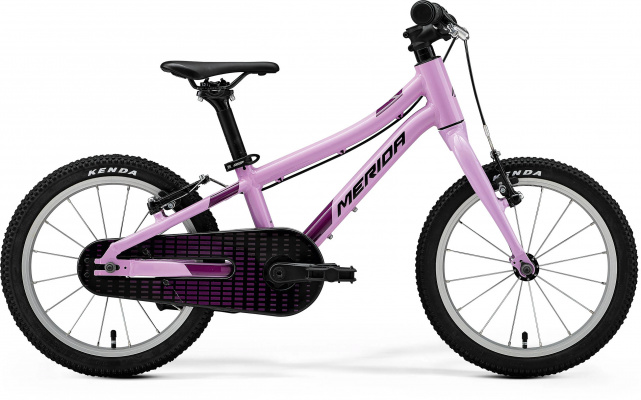
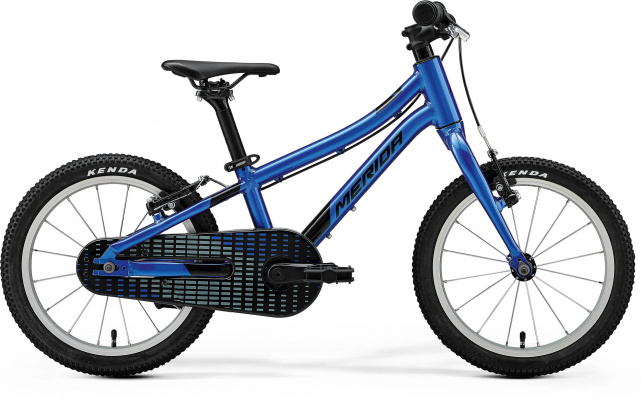
Prices and availability can change quickly. Delivery charges are not always included in listed prices.
Final price, stock status and delivery terms are set by retailer. We may receive a commission on purchases made.
Bikesy's Verdict
The Merida MATTS J16 does exactly what a first bike should: it gets out of the way and lets your child learn. The lightweight aluminium frame, child-sized brake levers, and single-speed simplicity combine to create a machine that responds predictably, stops reliably, and doesn't demand constant fettling. It's not flashy, it's not packed with features, and it won't last forever - but it will turn hesitant pushes into confident pedalling, and that's worth more than any component upgrade.
If your child is in the 92 - 109 cm height range and ready for their first proper bike, this is a smart, well-judged choice that prioritises the things that actually matter: weight, fit, and ease of use. The enclosed chain guard and optional stabilisers are thoughtful touches that make life easier for both rider and parent. It's a bike that builds confidence rather than testing patience, and that's exactly what you need when you're three feet tall and the world is enormous.
Pros
- Lightweight 7.8 kg aluminium frame makes handling and control genuinely easier for small riders
- Short-reach Tektro V-brakes and levers sized for little hands that can actually squeeze them
- Enclosed chain guard keeps fingers safe and clothes clean without adding faff
- Single-speed simplicity means nothing to shift, nothing to break, nothing to confuse
- Optional stabilisers give confidence from day one, then remove cleanly when balance arrives
Cons
- Single-speed gearing limits versatility if your local routes include hills or varied terrain
- Rigid fork offers no cushioning on bumpy surfaces, though that's typical and sensible for this age group
- One-size frame means fit depends entirely on your child's height falling within the 92 - 109 cm range
About the Merida MATTS J16
The Merida MATTS J16 is a proper first bike, not a toy dressed up as one. Built around a lightweight aluminium frame that tips the scales at just 7.8 kg, it's designed for children roughly 92 - 109 cm tall - typically three to six years old - who are ready to discover what two wheels can do. Merida's approach here is refreshingly straightforward: strip away the complexity, keep the weight down, and fit components that actually work for small riders. The result is a bike that doesn't fight back when a wobbly beginner tries to steer it, and doesn't demand Herculean effort to pedal up the slightest incline.
You'll notice the details quickly. The Tektro V-brakes wear short-reach levers sized for tiny hands, so your child can actually squeeze them with confidence rather than flapping uselessly at adult-sized levers. The chain runs inside a full enclosure, keeping fingers, shoelaces, and trouser hems out of harm's way while also shielding the drivetrain from playground grit. Single-speed gearing means there's nothing to shift, nothing to confuse, and nothing to go wrong - just pedal, roll, and grin. Optional stabilisers bolt on when needed, then come off the moment balance clicks.
This isn't a bike that'll last a decade, but it's not meant to. It's the foundation for every ride that follows, the machine that turns hesitant pushes into confident pedalling, and the reason your child will ask to go to the park again tomorrow.
Merida MATTS J16 geometry
Geometry on a kids' bike isn't about slack head angles or reach figures - it's about whether a child can touch the ground when they panic, and whether the bars feel close enough to steer without stretching. Merida's kept the standover height low, so even shorter riders in the 92 cm range can plant both feet flat when they stop. That's the difference between a confident rider and one who's perpetually nervous.
The 500 mm handlebar width is generous without being unwieldy, giving enough leverage for steering without the bars feeling like they're in a different postcode. The 60 mm stem keeps the cockpit compact, so your child isn't reaching forward like they're piloting a cargo ship. Combined with the 30 mm bar rise, the overall position is upright and reassuring - head up, eyes forward, ready to spot the next puddle or friend.
The rigid alloy fork keeps things simple and predictable. There's no suspension to compress unexpectedly or add weight, just a straight line from axle to headset that responds exactly as a new rider expects. When you're learning to balance, predictability trumps plushness every time.
Component choices & upgrades
The stock build on the MATTS J16 is already well-judged for its audience. The Tektro RX1F front brake and 837AL rear are reliable, easy to maintain, and crucially, they work with the VL219D short-reach levers that small hands can actually operate. The Prowheel A10B crankset with its 28T chainring and 89 mm arms is sized correctly for short legs, and the KMC S1 single-speed chain is tough enough to survive being ignored for months at a time.
Upgrades? Honestly, there's little point. If your child outgrows the 16-inch wheels, it's time for the next size up, not a component swap. The one sensible tweak is tyres: the stock 16×1.50-inch rubber is fast-rolling and grippy enough for most surfaces, but if your local park is particularly muddy or gravelly, a knobbier tread pattern might add confidence. Beyond that, save your money for the next bike.
The optional stabilisers are worth fitting if your child is brand new to pedalling. They're not a sign of failure - they're scaffolding. Once balance arrives, whip them off and watch the transformation.
Where the Merida MATTS J16 excels
This bike is outstanding at one thing: being a first bike. It's light enough for a small child to pick up after a tumble, simple enough that there's nothing to break or misconfigure, and safe enough that you're not constantly hovering with your hand on the saddle. Park paths, pavements, quiet cul-de-sacs, playground loops - anywhere smooth and relatively flat is its natural habitat.
It also does well on short grass and light gravel, thanks to the aluminium frame's stiffness and the tyres' decent grip. The enclosed chain guard means you're not constantly wiping oil off trousers or extracting sticks from the drivetrain. For neighbourhood exploration and weekend park rides, it's spot on.
Where it's not ideal: anywhere genuinely rough or hilly. The rigid fork and single-speed gearing mean bumpy bridleways or steep climbs will test a young rider's patience. This isn't a mini mountain bike - it's a confidence-builder for smooth surfaces. If your child is already a confident rider tackling roots and rocks, they've probably outgrown this bike anyway.
Merida MATTS J16 FAQs
What is the best first bike for a four-year-old?
The best first bike is lightweight, simple, and fits properly. The Merida MATTS J16 ticks all three boxes for most four-year-olds, with its 7.8 kg aluminium frame, single-speed drivetrain, and child-specific brake levers. If your child is particularly tall or short for their age, check the 92 - 109 cm height range carefully.
How much does the Merida MATTS J16 weigh?
It weighs 7.8 kg complete. That's light enough for a young child to manoeuvre and control without struggling, and crucially, light enough for you to carry home when they inevitably get tired halfway round the park.
What size bike does a three-year-old need?
Most three-year-olds will fit a 12-inch wheel bike better than a 16-inch, unless they're particularly tall. The MATTS J16 is designed for riders from about 92 cm upwards, which typically means older threes or confident fours. Merida's MATTS J12 is the better starting point for smaller riders.
Are rigid forks okay for kids' bikes?
Absolutely. Rigid forks are lighter, simpler, and more predictable than suspension, which matters enormously when you're learning to balance and steer. Suspension adds weight, complexity, and maintenance - none of which a beginner needs. Save the squish for later.
What are the benefits of a single-speed bike for a child?
Single-speed means no gears to shift, no derailleurs to knock out of alignment, and no confusion about which lever does what. Your child just pedals, and the bike goes. It's mechanically simpler, lighter, and far less likely to go wrong. When they're ready for gears, they'll tell you.
How do I adjust the stabilisers on a Merida MATTS J16?
The stabilisers bolt to the rear axle with standard nuts. Loosen them, adjust the height so both wheels touch the ground evenly, then tighten firmly. As your child gains confidence, you can raise them slightly so they engage less often, then remove them entirely once balance clicks.
What is the standover height of the Merida MATTS J16?
Merida doesn't publish a specific standover figure, but the frame is designed for riders 92 - 109 cm tall with a low step-over. In practice, most children in that height range can stand flat-footed over the top tube with clearance to spare, which is exactly what you want for confidence and safety.
Key Features & Benefits
- Lightweight aluminium frame (7.8 kg): Small riders can steer, balance, and control the bike without fighting its weight, building confidence faster.
- Tektro V-brakes with short-reach levers: Designed for little hands, so your child can actually stop the bike reliably and safely without stretching.
- Enclosed chain guard: Keeps fingers, shoelaces, and clothing away from the chain while shielding the drivetrain from dirt and damage.
- Single-speed drivetrain: Eliminates confusion and mechanical complexity, letting your child focus entirely on pedalling and steering.
- Optional stabilisers: Provide initial support for wobbly beginners, then remove cleanly once balance and confidence develop.
Merida MATTS J16 2025 and earlier differences
The 2025 model shared the same core specification as the 2026 release: lightweight aluminium frame, Tektro rim brakes with short-reach levers, single-speed drivetrain, and enclosed chain guard. Component choices and geometry remained consistent, with the focus on child-specific sizing and simplicity. The 2026 iteration refines the frame slightly for improved durability and maintains the proven formula without major changes.
Earlier models from 2022 and 2019 featured Tektro coaster brakes rather than V-brakes, offering a different braking experience that some parents preferred for very young riders. The 2017 version used a rigid steel fork instead of aluminium, adding a bit of weight but maintaining the same rigid, predictable handling. Across all years, the MATTS J16 has remained true to its mission: a lightweight, simple, confidence-building first bike for children learning to ride.
Alternatives to Consider
Within Merida's junior range, the MATTS J12 is the natural step down for smaller or younger riders, with 12-inch wheels and a lower standover suited to children under 92 cm. If your child is ready for more, the MATTS J20 offers 20-inch wheels, a slightly more capable frame, and often multi-speed gearing for riders who've outgrown the 16-inch platform.
Cross-brand, the Islabikes Cnoc 16 is a direct peer, renowned for its obsessive attention to child-specific geometry and component sizing, though it typically commands a premium. The Woom Original 16 is another lightweight contender with a similarly thoughtful approach to brake levers and frame proportions. The Specialized Jett 16 offers a slightly sportier aesthetic and robust build quality, while the Trek Precaliber 16 is a solid, widely available option with a focus on durability and ease of use. The Giant XTC Jr 16 rounds out the field with a value-oriented package that doesn't skimp on the essentials. All share the same 16-inch wheel platform and single-speed simplicity, so your choice often comes down to availability, fit, and whether you prefer Merida's straightforward spec or a rival's specific design tweaks.
Reviews
Aluminium construction keeps the weight down to a level where a four-year-old can actually wrestle the bike upright after a tumble, rather than lying pinned beneath it like a cartoon character. That 7.8 kg figure translates directly into confidence: the bike responds to steering inputs without lag, and doesn't demand heroic effort to get rolling. Short riders find the low standover reassuring, and the upright cockpit keeps heads up and eyes forward rather than staring at the front tyre in terror.
Braking inspires trust. The Tektro V-brakes aren't fancy, but they're predictable and powerful enough for a child's weight, and crucially, the short-reach levers mean small hands can squeeze them properly rather than flapping uselessly at adult-sized hardware. We've seen too many kids' bikes fitted with levers that might as well be decorative. These work.
Single-speed gearing strips away distraction. There's no fumbling with shifters, no chain slap from a missed shift, no confusion about which gear to use. Pedal, roll, stop, repeat. The enclosed chain guard is a quiet hero: it keeps the drivetrain cleaner, prevents the inevitable trouser-leg tangle, and means you're not constantly wiping oil off small fingers. When you're teaching a child to ride, every source of frustration you can eliminate matters.
Tyres strike a sensible balance between speed and grip. They're not aggressive knobbies, but they're not slicks either - fast enough on tarmac to keep momentum, grippy enough on dry grass or light gravel to avoid sudden slides. The rigid fork keeps things predictable, which is exactly what a new rider needs. Suspension would add weight, complexity, and unpredictable behaviour under braking. None of those help a beginner.
Durability holds up well to the inevitable crashes, kerb strikes, and general abuse that comes with learning. The aluminium frame shrugs off minor impacts, and the simple mechanical spec means there's little to go wrong. When something does need attention - a brake pad, a chain clean - it's straightforward enough for a home mechanic to sort in minutes. Worth it if you want a first bike that'll survive one child and hand down to the next without major surgery.
Full Specification
| Spec | Value |
|---|---|
| Frame Material | Aluminum |
| Frame Size | 8.5" |
| Frame Features | Enclosed chain guard; optional stabilisers |
| Bottom Bracket | FSA TH-7420ST, 68-113, BMX standard |
| Rear Axle | 112x9/100x9, nutted |
| Fork | Rigid alloy |
| Drivetrain | Single speed (1x1) |
| Crankset | Prowheel A10B, 28T |
| Crank Length | 89 - 90mm |
| Cassette | 16T single |
| Chain | KMC S1 |
| Brakes | Tektro rim brakes (V-brake type) |
| Brake Levers | VL219D alloy, short-reach |
| Calipers | Tektro RX1F (front); Tektro 837AL (rear) |
| Rims | MERIDA JR 16, aluminum |
| Hubs | Kid steel-flange nut (front and rear) |
| Spokes | Steel UCP |
| Tyres | 16×1.50", wire bead |
| Handlebar | MERIDA KID aluminum, 500mm width, 30mm rise |
| Stem | MERIDA KID aluminum, 31.8mm clamp, 60mm extension, 7° rise |
| Grips | Kraton short, 102mm with plug |
| Headset | FSA NO.10 |
| Seatpost | MERIDA EXPERT, steel, 27.2mm diameter |
| Saddle | MERIDA COMP JR |
| Pedals | VP-225 |
| Weight (Approx) | 7.8 kg |