
Trek Regular Shorts
Trek regular cycling shorts give you a proper performance chamois without the faff of bib straps - and that's a more useful thing than it might sound. Whether you're grinding through a Zwift session in January, spinning out to work under a pair of waterproof trousers, or just chasing a warm Saturday loop before the clouds come in, a well-made waist short covers a surprising amount of ground.
Trek's approach centres on their inForm BioDynamic chamois - a dual-density pad developed to reduce soft-tissue pressure at the contact points that matter most. Pair that with compressive four-way stretch Lycra and a wide, yoga-style waistband that sits flat in the riding position, and you've got shorts that don't feel like a compromise for ditching the braces. The moisture-wicking fabrics pull sweat away quickly, which makes a real difference on the turbo or on those muggy August rides where bibs just trap heat.
If you're new to Trek's kit range, they sit alongside Bontrager across the Trek family - well-engineered, properly sized, and built with the same ergonomic thinking as their Trek saddles. That coherence shows in how the chamois and saddle geometry are developed together.
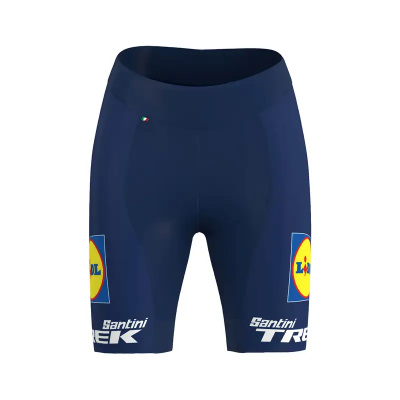
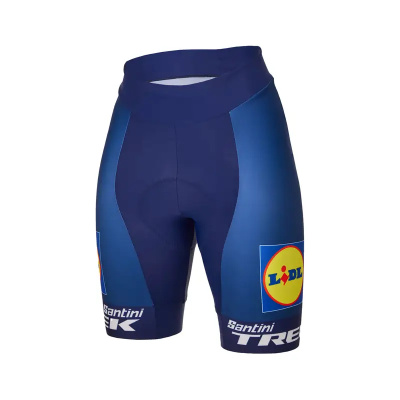
Prices and availability can change quickly. Delivery charges are not always included in listed prices.
Final price, stock status and delivery terms are set by retailer. We may receive a commission on purchases made.
Fabric Tech and Saddle Comfort: The inForm Chamois
The centrepiece of Trek's short range is the inForm BioDynamic chamois. It's a dual-density foam pad - firmer where you need structure, softer where pressure builds at the sit bones and perineum. That density variation isn't cosmetic. On longer rides, a single-density pad gradually stops doing its job as foam compresses uniformly; the inForm design keeps working by distributing load more intelligently across the contact zone.
The compressive Lycra used across Trek's waist shorts isn't just about a snug look - compression reduces muscle oscillation on the bike, which adds up to less fatigue on sustained efforts. The four-way stretch construction means the fabric moves with you rather than pulling against your position when you drop into the drops or push over a climb. And the moisture-wicking properties are genuinely useful: sweat cleared from the chamois interface dries faster and reduces the friction that causes hot spots on longer sessions.
The waistband design is worth calling out specifically. Trek uses a wider, flat elastic cut - closer to what you'd find on good performance base layers than a traditional cycling short. In the riding position, there's no roll, no dig, no ridge pressing into your stomach when you're tucked. Stand up out of the saddle on a climb and it stays exactly where it should. It's a small detail, but a badly designed waistband can ruin an otherwise decent short on anything over an hour.
Raw-cut edges with silicone leg grippers keep the hem low-profile and the leg in place. No bunching under the thigh, no pressure marks - just a clean hold that lets the inseam length do its job.
Understanding the Trek Shorts Range: Fit and Function
Trek's non-bib Lycra shorts follow a close, form-fitting cut - aerodynamic without being restrictive, designed for road riding and indoor training rather than trail use. The proportions assume you're in a fairly aggressive riding position, so the chamois placement and leg length are optimised for that contact geometry. If you're more upright - commuting, touring, casual riding - the fit still works, but you'll notice the chamois is placed for a dropped-bar position.
Inseam length varies across the range. Shorter inseams suit warmer conditions and indoor sessions where ventilation matters; longer cuts give more thigh coverage and tend to feel more secure on the bike. Check the product spec carefully - it's one of those things that makes a noticeable difference to comfort and grip-band placement.
Worth being clear on scope here: if you want over-the-shoulder support for long road miles, our Trek bib shorts pages cover that. After something looser for the trails? Trek's MTB baggy shorts are a different category entirely. This page is strictly about non-bib, close-fitting Lycra waist shorts - the versatile middle ground that suits everything from the turbo to the Tuesday chain gang.
Compared to similarly priced options from Endura or Castelli, Trek's shorts tend to prioritise chamois quality and waistband comfort over outright aerodynamic panel construction. That's a fair trade-off for most riders who aren't racing crits at the weekend.
Layering and Care for Year-Round UK Riding
The waist short format genuinely earns its place in a UK rider's kit drawer across the whole year - not just summer. Come November, when you're commuting through the dark on wet roads, these shorts layer cleanly under waterproof trousers without the bulk and heat retention of a bib. The absence of shoulder straps means no trapped warmth through the core, and no awkward undressing faff at the office. Pair them with a set of mudguards and you've got a commuter setup that actually works.
For indoor training, the waist short is probably the most practical option going. On the turbo or a smart trainer, body heat builds fast and there's nowhere for it to go. The lighter upper-body profile of a waist short keeps things cooler during hard Zwift sessions, and the moisture-wicking fabrics cope well with the volume of sweat a solid turbo block generates.
On showery summer rides - the kind of day where it's warm enough for shorts but the weather's doing its typical British thing - quick-drying fabrics mean you're not sitting in a wet chamois for the second half of the ride. The four-way stretch construction also recovers well after repeated wetting and drying cycles, which matters over a full season.
On care: wash at 30 degrees, always. Hot water degrades the chamois foam and kills the elasticity in the Lycra faster than anything else. Skip fabric softener entirely - it coats the fibres and wrecks both the moisture-wicking performance and the compression. Air dry rather than tumble dry, and the shorts will hold their shape and chamois structure for a good few seasons. It's not complicated, but it's the sort of thing that separates a short that lasts from one that goes flat and saggy after six months. Assos say the same about their pads; Trek's inForm foam responds the same way to heat and softener abuse.
Trek Regular Shorts FAQs
Are regular cycling shorts better than bib shorts?
It depends on the ride. Waist shorts win for indoor training - less heat, easier bathroom stops, and no bother layering under commuter kit. For long road rides, bibs are generally more comfortable because there's no waistband to roll or dig in over time. For anything under a few hours, a well-made waist short is absolutely fine.
How should Trek cycling shorts fit?
They should sit close to the skin with the chamois pad snug against your body - no sagging, no bunching. The compressive Lycra should feel supportive without being tight enough to restrict movement. The silicone leg grippers need to hold the hem in place without leaving marks; if they're pinching, size up.
Do you wear underwear with Trek padded shorts?
No - and this applies to all padded cycling shorts, not just Trek's. The inForm chamois is designed to sit directly against your skin, wicking moisture and preventing friction. Add underwear and you introduce seams, trapped moisture, and extra layers at exactly the wrong place. Go without, every time.