
Sundry Balance Bikes
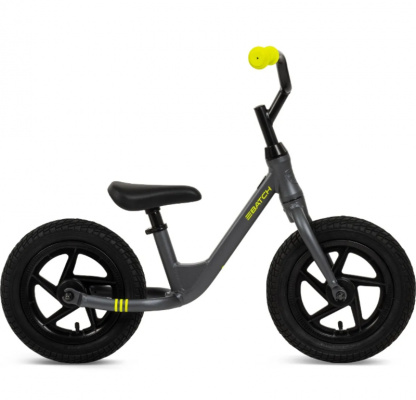
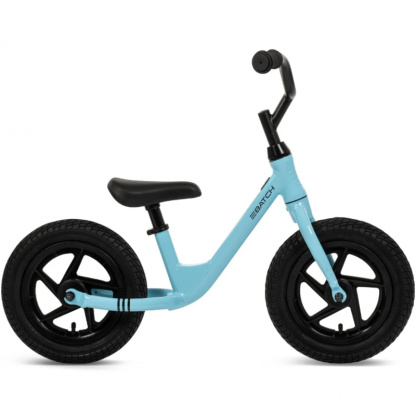
Sundry balance bikes are built around one idea: get small riders moving confidently on two wheels before the pedals ever arrive. The geometry starts low - genuinely low - with a standover height that lets toddlers plant both feet flat without stretching or tiptoeing. That single detail changes everything about how quickly a child finds their balance. Pair it with a lightweight alloy frame that even a tired three-year-old can drag across a car park, and you have a bike that works with kids rather than against them.
The range splits broadly by wheel size. Smaller wheels suit early walkers who are just finding their stride, while the Sundry balance bike 12 inch models give taller toddlers room to grow without swamping them in bulk. Across both, you get child-specific geometry - narrow rear stays, compact reach, micro-reach grips - designed around toddler ergonomics rather than scaled-down adult proportions. For UK families doing laps of the local park on damp Saturday mornings, that practicality matters. Quick seat adjustments, sensible weight, and a steering limiter that stops the front wheel spinning wild and pitching your child forward. It is a considered package, and the pricing sits in a competitive bracket against some well-known names in the sector.
Prices and availability can change quickly. Delivery charges are not always included in listed prices.
Final price, stock status and delivery terms are set by retailer. We may receive a commission on purchases made.
Mapping the Sundry Range: Wheel Sizes and Tyre Choices
The first decision is wheel size, and it is more straightforward than it sounds. The smaller 10-inch models are aimed at early walkers - children who are just past the wobbling-on-the-spot stage and need a bike they can literally step over without assistance. The Sundry balance bike 12 inch steps up for toddlers with longer legs who would otherwise be hunched over a smaller frame within a few months. Neither size is dramatically heavier than the other, which matters when you are lifting it in and out of a boot twice a day.
Tyre choice is where things get more nuanced. Sundry offers models specced with EVA foam tyres and others running pneumatic wheels, and the difference is real. EVA foam tyres are puncture-proof, weigh almost nothing, and need zero maintenance - ideal if your child mostly rides smooth pavements or the kitchen floor. Pneumatic tyres grip better on grass, damp paths, and the sort of rough park surfaces that are standard fare across most of the UK. They do need occasional pressure checks, but the traction improvement on anything other than flat tarmac is noticeable. If you are regularly heading to a park with gravel paths or muddy edges, the air-filled option is the smarter pick. Worth noting: tyre clearance on both versions handles the odd puddle fine, though neither is designed for serious mud-plugging.
Compared to something like a Frog balance bike, Sundry sits in a similar lightweight bracket but with slightly more focus on early-stage geometry. Ridgeback balance bikes are another solid comparison point - robust and well-regarded - though Sundry's standover figures tend to run a touch lower for the youngest riders.
What the Geometry Actually Does for Your Child
Sundry's design brief is legible once you know what to look for. The ultra-low standover geometry is the headline feature, but the detail that makes it work in practice is the low centre of gravity that comes with it. When a toddler loses their balance - and they will - a low centre of gravity means a slow, manageable tip rather than a sudden drop. That predictability builds confidence faster than any coaching tip.
The narrow rear stays are less talked-about but genuinely useful. Wider stays cause heel clipping during the striding motion, which throws off rhythm and frustrates kids quickly. Sundry's geometry keeps the rear end slim enough that small feet stride through cleanly. It sounds like a small thing. It is not.
The restricted steering headset - Sundry's steering limiter - deserves particular credit. A balance bike with unrestricted steering can jackknife sharply when a toddler overcorrects, which usually ends in a face-plant. The limiter caps the steering arc so the front wheel can't spin past a safe angle. It does not make the steering feel wooden; it just removes the worst-case scenario. For nervous parents watching from the side of the path, it is quietly reassuring.
Grip design gets overlooked in balance bike reviews, but the child-specific micro-grips with flared safety ends on Sundry models are worth flagging. The flared ends stop small hands sliding off the bar ends, and the narrower diameter suits toddler hand size rather than a default grip that's too fat to hold properly. Small detail, but you notice the difference when your child can actually grip the bars with control rather than just hanging on.
If you are also comparing options from Specialized balance bikes or exploring the broader market through brands like Squish, Sundry's geometry focus is a genuine differentiator at the younger end of the age range.
Keeping a Sundry Running Through a British Winter
A balance bike in the UK spends a lot of time getting rained on. That is just the reality. Most Sundry frames are alloy, so corrosion on the main tubes is not a major concern, but the headset and wheel bearings are worth keeping an eye on - particularly if the bike lives in a damp shed or gets hosed down after a muddy park session. Sealed bearings are standard on better-specced models; if yours has them, a quick wipe-down after wet rides and an occasional check that nothing feels gritty when you spin the wheel is all the maintenance you need.
Adjusting the adjustable seatpost is simple on most Sundry models - a quick-release clamp means you can reset the height without tools while standing in the car park. Set it so your child's feet sit flat on the ground with a slight bend in the knee. Too low and they cannot generate any stride momentum; too high and they are tiptoeing, which defeats the whole point. Check the height every couple of months because kids grow faster than you expect.
For pneumatic-tyred models, tyre pressure matters more than people think. Drop it a little for wet grass and soft ground - it widens the contact patch and helps with grip. Pump it back up for pavement riding. A track pump with a gauge makes this two-minute job rather than a guessing game. If your child rides predominantly through winter parks in the north of England or Scotland where paths stay soft for months, the pneumatic option with slightly lower pressures will serve them far better than foam tyres.
Brands like Hornit and Wild Bikes are worth a look alongside Sundry if you want to compare how different brands handle UK-specific durability. Each takes a slightly different approach to bearing sealing and frame finish, and it is worth checking the spec sheet before buying.
Sundry Balance Bikes FAQs
What age is best for a Sundry balance bike?
Most Sundry balance bikes suit toddlers from around 18 months up to four years, depending on wheel size. Age is less important than leg length - your child's inner leg measurement should be at least 2cm longer than the bike's minimum saddle height, so feet sit flat on the ground with a slight knee bend.
Do Sundry balance bikes come with pneumatic or foam tyres?
Both options exist across the range. EVA foam tyres are puncture-proof and need no maintenance, making them solid for pavements and smooth surfaces. Pneumatic air-filled tyres grip better on grass, gravel, and damp park paths - the more practical choice if your child rides on anything other than flat tarmac regularly.
How do I adjust the seat height on a Sundry balance bike?
Most Sundry models use a quick-release seat clamp, so no tools needed. Open the lever, slide the seatpost to the right height - feet flat on the ground, slight bend in the knee - then clamp it shut. Worth rechecking every couple of months as children grow quickly and the fit drifts without you noticing.