
Speedplay Pedals
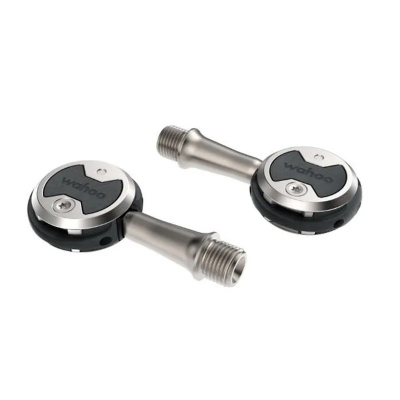
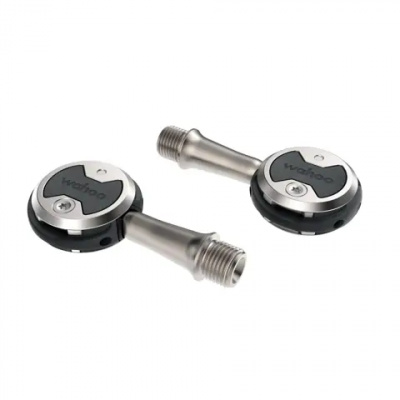
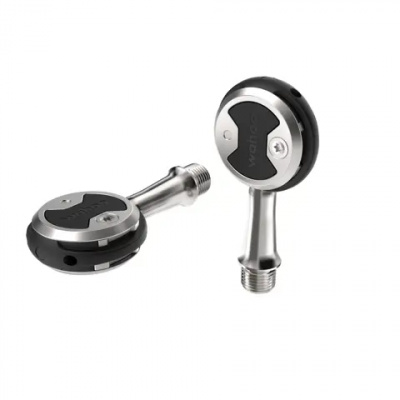
Speedplay pedals have long occupied a peculiar corner of the road cycling world - instantly recognisable, quietly obsessive about the details that actually matter to your knees and your lap time. Now under Wahoo's ownership, the range has been tidied up and properly supported, which makes now a solid moment to take stock of what's on offer. The signature lollipop design gives you dual-sided entry, so you clip in without looking down - useful when you're rolling away from a café stop on a slippery November morning. Stack height is genuinely low, keeping your foot closer to the axle and putting more of your effort into the drivetrain rather than flex in the system. Float is micro-adjustable across a 0 - 15 degree range, independently of your release angle, which is a meaningful distinction if you've ever fought knee pain through a long sportive. The aero profile is measurable rather than theoretical, and the range now stretches from a budget-friendly chromoly option right up to an integrated power meter. Whether you're chasing a club 10 or just want a pedal that plays nicely with your biomechanics across a full British winter, there's a Speedplay configuration that fits the brief.
Prices and availability can change quickly. Delivery charges are not always included in listed prices.
Final price, stock status and delivery terms are set by retailer. We may receive a commission on purchases made.
Shoes, Spindles, and Getting the Fit Right
Speedplay's cleat system uses a 4-hole mounting pattern as its native standard, and if your shoes support it, that's the route to the lowest possible stack height. Most riders, though, are running 3-hole road shoes - and that's fine, because every current Wahoo Speedplay pedal ships with a 3-hole base plate adapter in the box. You lose a marginal amount of stack height with the adapter, but it's a small compromise and it makes the system compatible with virtually any road shoe on the market.
Q-factor is worth thinking about before you buy. The standard spindle length sits at 53mm, which suits most road geometries, but extended spindle options are available for riders who need a wider stance - relevant if you've got broad hips or have been prescribed a specific cleat offset by a fitter. Getting this wrong and then trying to correct it with cleat position alone is a frustrating loop, so it's worth confirming your preference upfront.
On the cleat side itself, we'd rather point you somewhere more detailed than try to cram it in here. Looking for replacement cleats or walkable covers? Head over to our dedicated Speedplay Cleats page to find the exact match for your pedal system.
The Wahoo Speedplay Lineup, From Workhorse to Weight Weenie
Four road pedals and a power meter variant - that's the current hierarchy, and each step up the range has a clear rationale rather than just a shinier finish.
The Wahoo Speedplay Comp is the entry point, built around a chromoly steel spindle. It's heavier than the pedals above it, but the core Speedplay geometry - dual-sided entry, adjustable float, low stack - is identical. If you're new to the system or simply not bothered about grams, this is a sensible place to start.
The Wahoo Speedplay Zero steps up to a stainless steel spindle and is arguably the range's backbone. It's the pedal most riders settle on once they've decided Speedplay is their system of choice: durable, mid-weight, and with nothing obviously missing. Compare it to Look pedals at a similar price point and the Speedplay's float adjustability and dual-sided entry are the clear differentiators.
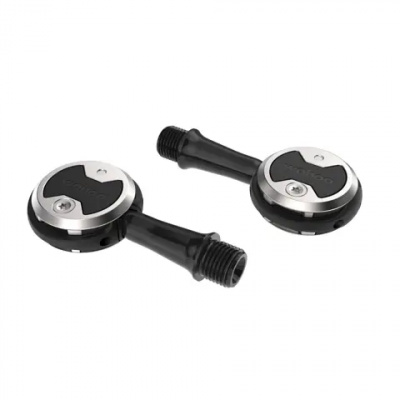
The Wahoo Speedplay Nano is for riders who've already optimised everything else and are now scrutinising pedal weight. A titanium spindle and carbon body bring the mass down significantly. The platform feel is the same, but you're paying a meaningful premium for those saved grams - worth it for some, unnecessary for most.
The Wahoo Speedplay Aero breaks the pattern slightly. It's a single-sided pedal with a dimpled surface, designed specifically for time trial and triathlon use where aerodynamics take priority and you're clipping in from a standing start in transition rather than on the move. It's purpose-built enough that it probably doesn't belong on your Sunday club ride bike.
Then there's the Wahoo Powrlink Zero. This integrates dual-sided power measurement directly into the pedal body, giving you left/right power balance alongside the standard wattage figure. The accuracy claims are strong, and the dual-sided measurement is a genuine advantage over single-sided options. If you're already considering Garmin power meter pedals as an alternative, the Powrlink Zero is a direct comparison worth making - both take a similar approach, but the Speedplay's float adjustability may tip the decision for riders with knee sensitivity.
The retention mechanism across the whole road range sits in the cleat rather than the pedal body. That's an unusual inversion, but it means the pedal itself is a robust, simple piece of metal - there's very little to go wrong with it mechanically. The cleat does more work and wears accordingly, which is worth factoring into your running costs. Crank Brothers pedals take a similarly cleat-heavy wear approach, so if you've run those before, the maintenance logic will feel familiar.
Keeping Speedplay Pedals Alive Through a British Winter
The UK doesn't do mild winters. Grit, standing water, and salt-laced B-roads will find every weakness in a pedal system, and Speedplay's design has a couple of specific vulnerabilities you need to manage actively rather than hoping for the best.
The bearings are the main concern. Wahoo builds a grease port directly into the pedal body - a small, practical detail that makes a big difference. Every 2,000 miles or so, or after a particularly brutal wet stretch, inject fresh waterproof grease through the port using a compatible grease gun. This flushes out contaminated water and grit before it starts eating the bearing surfaces. Skip this and the bearings will feel notchy well before they should. It takes five minutes and costs almost nothing.
The cleat mechanism is the other area that needs attention. Because the retention system lives in the cleat, road grit accumulates there rather than in the pedal. A regular application of dry lube keeps engagement snappy and prevents the mechanism from seizing in cold, wet conditions. Don't use wet lube here - it attracts more grit than it repels.
If you're walking into cafés or pushing through a muddy car park, the Speedplay Aero Walkable cleat covers are worth having in your kit. The standard cleats are exposed and will pick up wear and contamination every time you walk on them. The covers take two seconds to clip on and make a noticeable difference to cleat longevity across a winter.
One thing that often catches people out: because the pedal body itself is so simple and hard-wearing, it's easy to assume the whole system is bullet-proof. The pedal is. The cleat and bearings aren't, and they need the maintenance attention that the pedal body doesn't.
Speedplay Pedals FAQs
Are Speedplay pedals better than Shimano SPD-SL?
It depends what you're optimising for. Speedplay's dual-sided entry and independently adjustable float make them a strong option for riders with knee sensitivity or clipping-in anxiety, while SPD-SL's wider platform suits riders who want a more traditional feel underfoot - particularly sprinters who prefer a firm, planted contact point. Neither is objectively superior; they suit different rider priorities.
Do Wahoo Speedplay pedals need special shoes?
They work best with 4-hole road shoes for the lowest stack height, but every current Wahoo Speedplay pedal includes a 3-hole adapter plate in the box. That makes them compatible with the vast majority of road cycling shoes. If you're unsure about your shoe's hole pattern, check the sole before buying - most road shoes are 3-hole as standard.
How do you maintain Speedplay pedals?
Inject fresh waterproof grease through the built-in grease port every 2,000 miles or after heavy wet-weather use - this flushes grit from the bearings before damage sets in. The cleats need a periodic application of dry lube to keep the retention mechanism engaging cleanly, particularly through winter. That's broadly it; the pedal body itself asks very little of you.