
Specialized Gilets
Specialized gilets sit at the sharp end of cycling's most useful garment category - and if you've ever been caught in a biting Pennine headwind with nothing but a short-sleeve jersey, you'll know exactly why. A gilet delivers core protection without the clammy, overdressed feeling of a full jacket, and Specialized has spent serious time refining that balance. The range is built around proprietary Deflect windproof fabrics that cut the wind without adding meaningful weight, paired with DWR coating to knock back road spray and the sort of half-hearted drizzle the UK does so well. When the sun eventually shows up, the best models compress down to a tight ball and disappear into your back pocket. That's the whole point. Whether you're rolling out at 6am in October or dropping into a long descent after a sweaty Welsh climb, there's a Specialized gilet calibrated for that moment. The Form Fit race cuts sit flush against a jersey with zero flutter, while the thermal options - leaning on Polartec Alpha insulation - give you genuine warmth on slower winter miles. We've pulled the full range together here so you can compare and find the right one quickly.
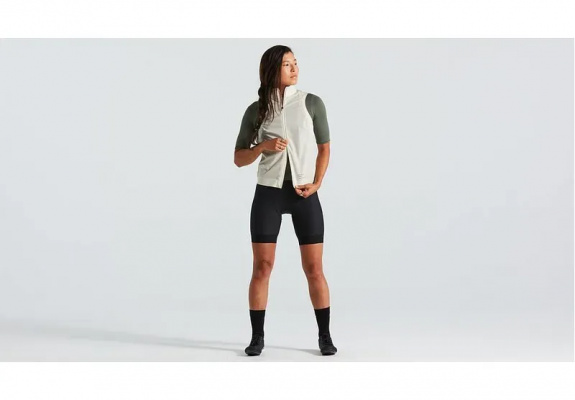
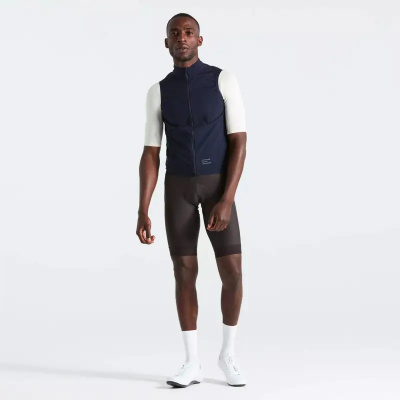
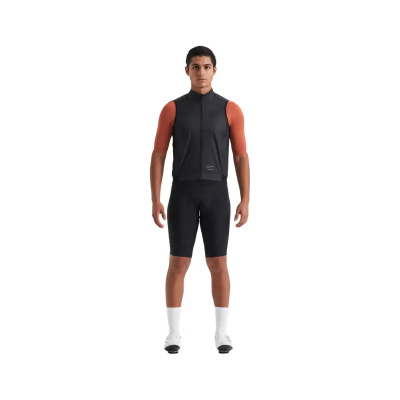
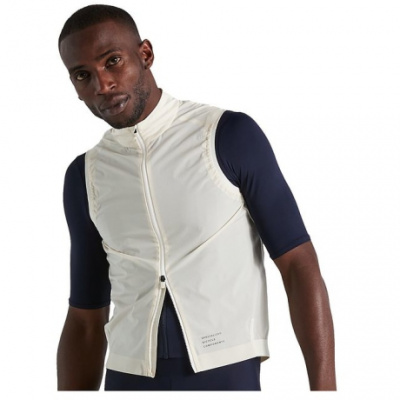
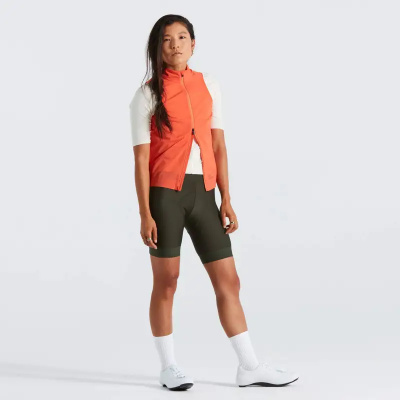
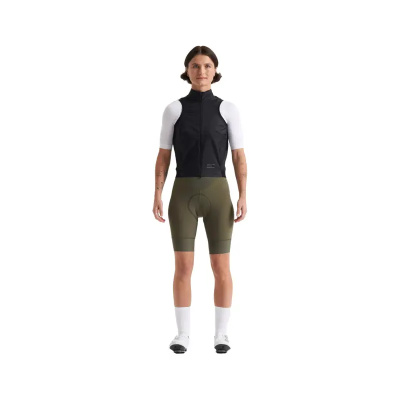
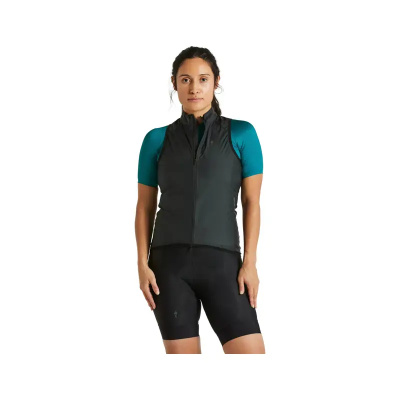
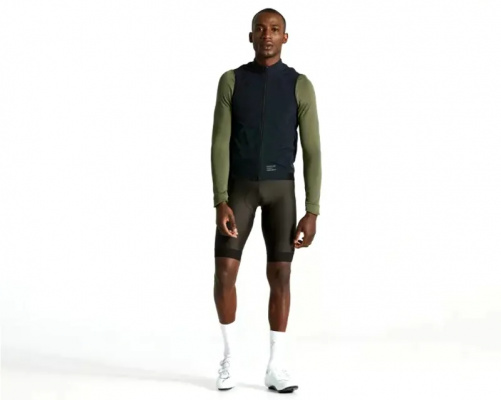
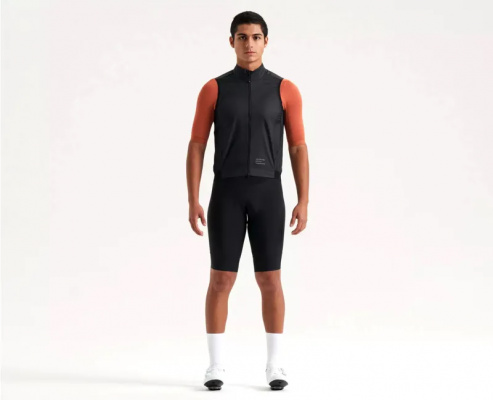
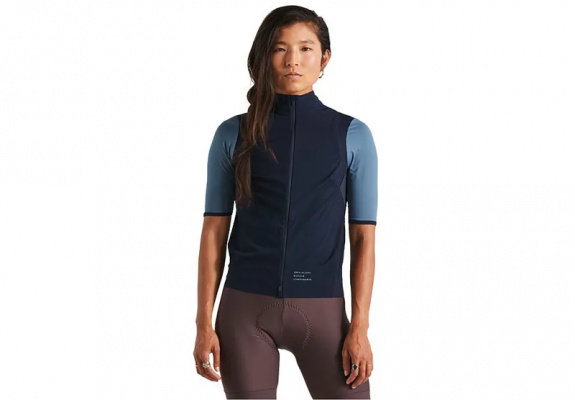
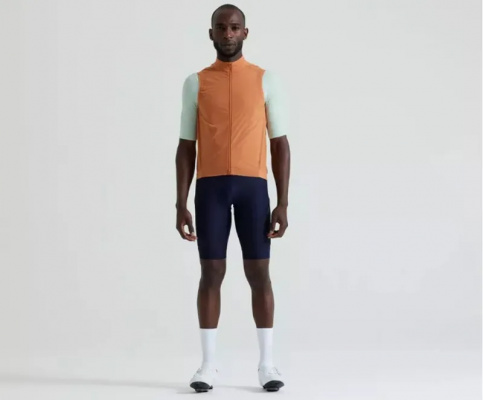
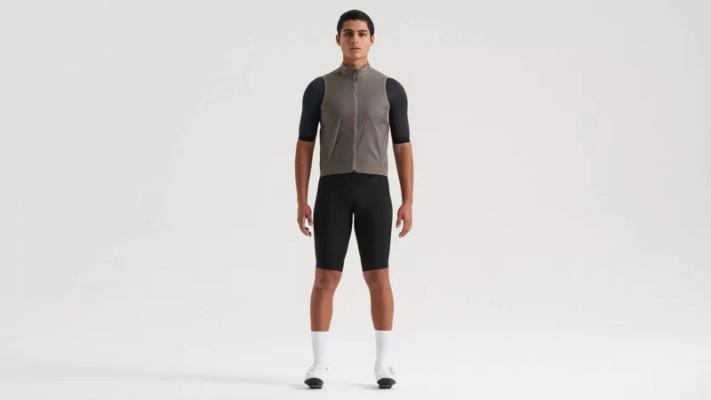
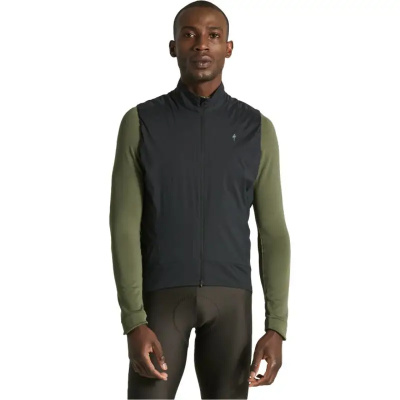
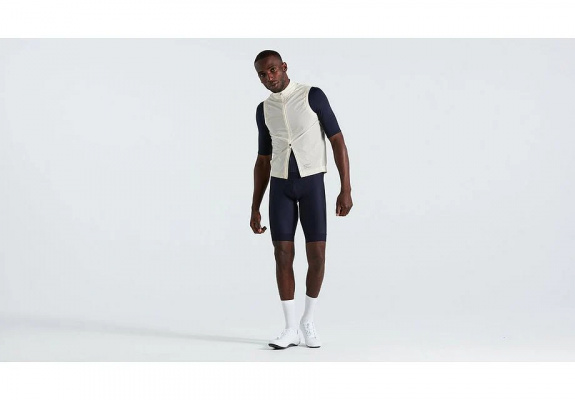
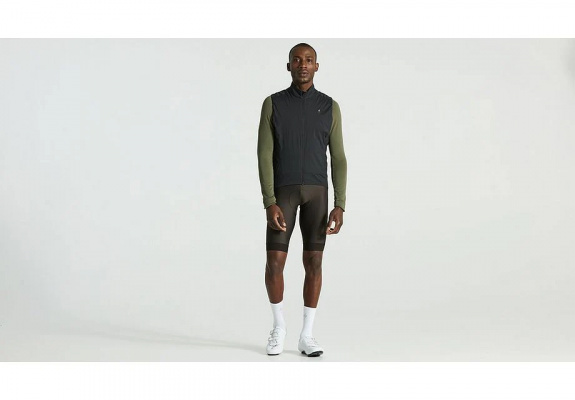
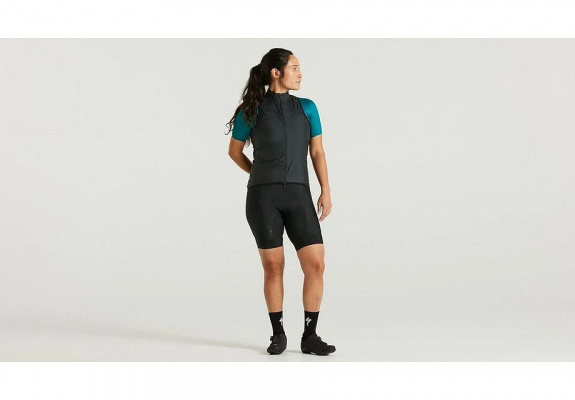
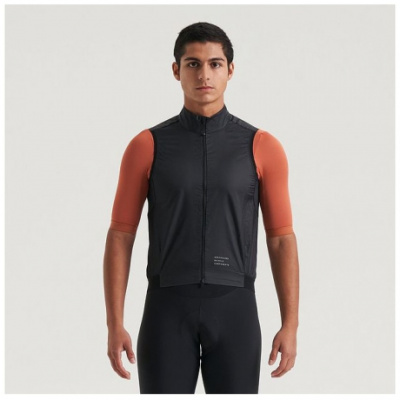
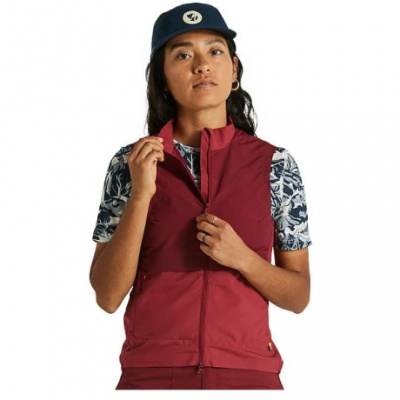
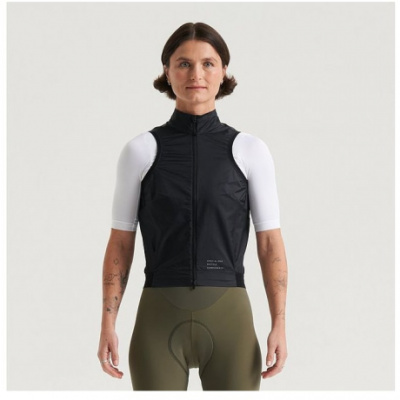
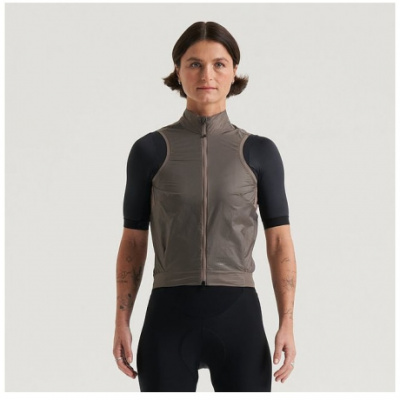
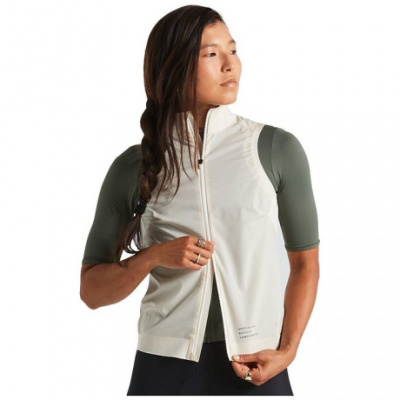
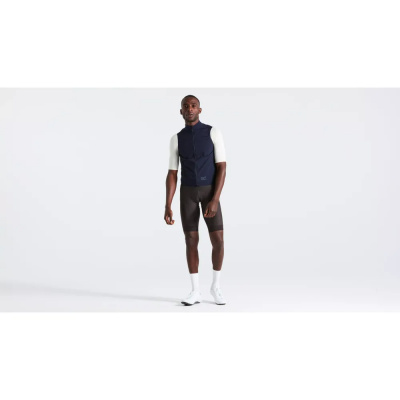
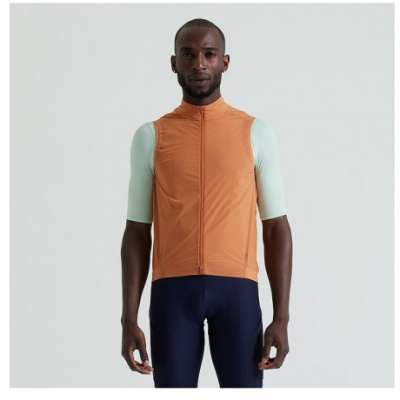
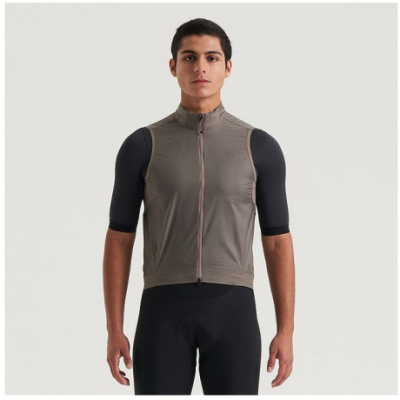
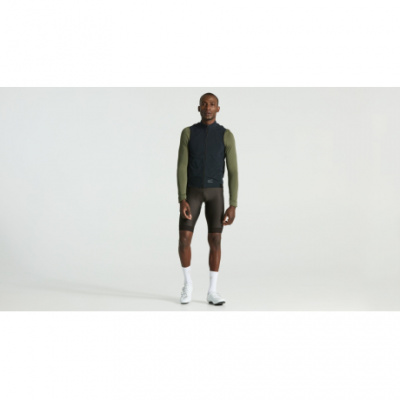
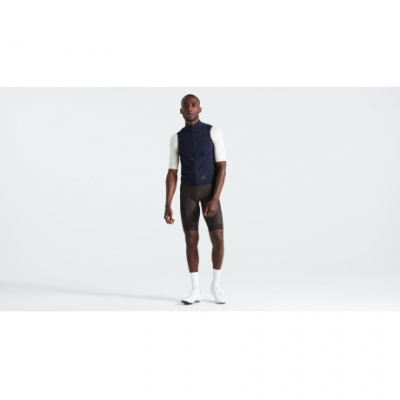
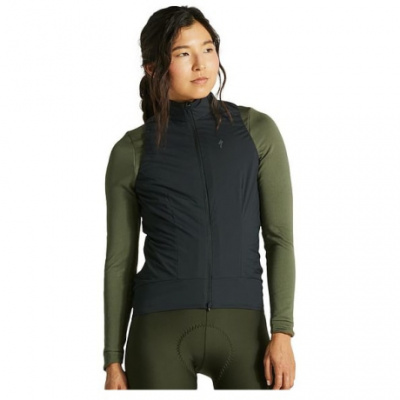

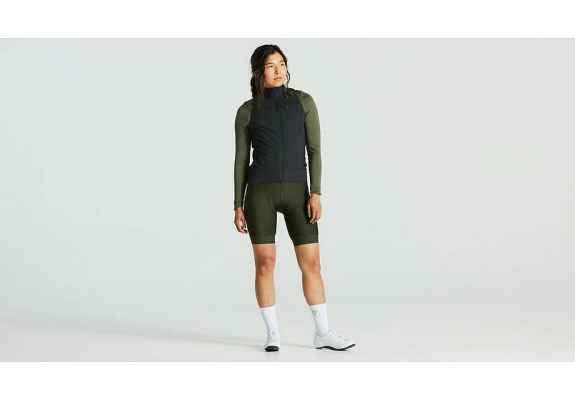
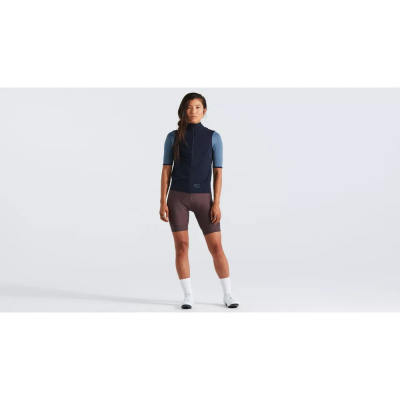
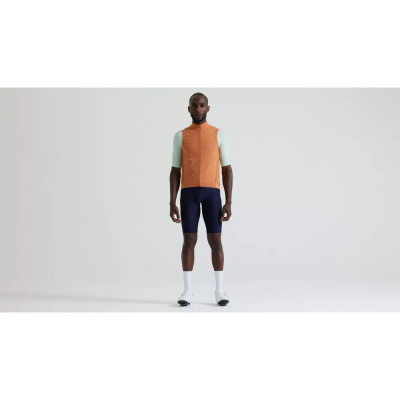
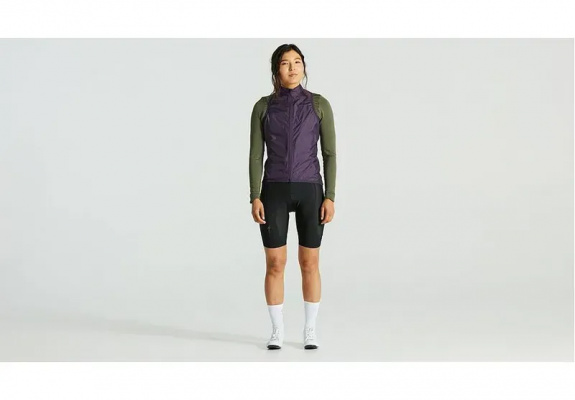
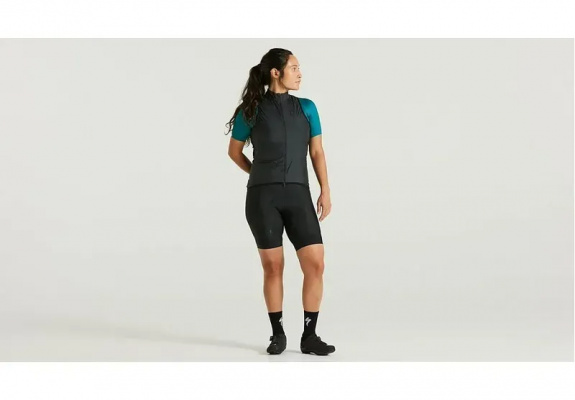
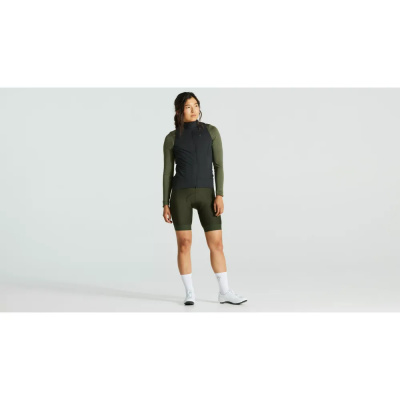
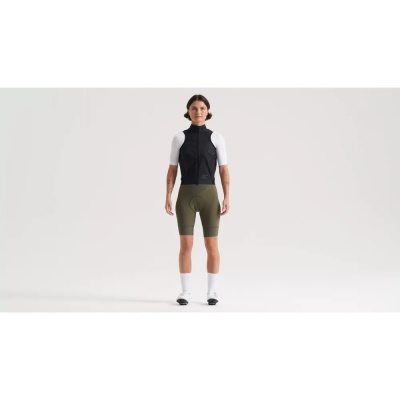
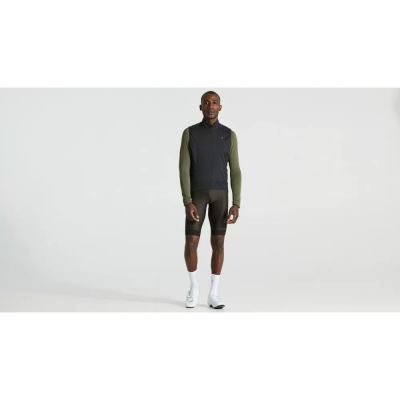
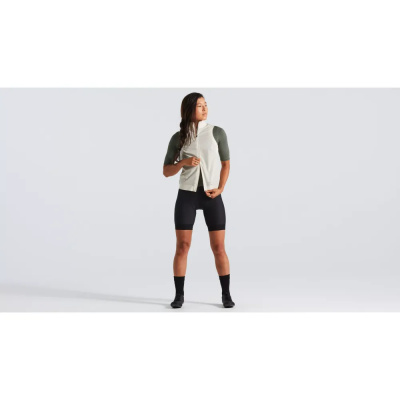
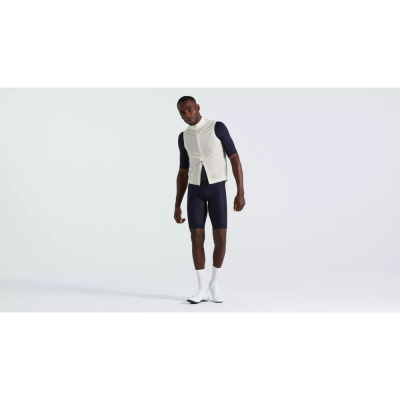
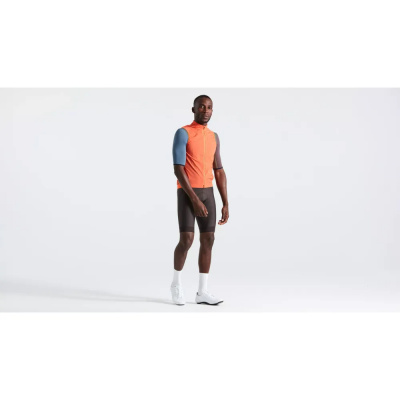
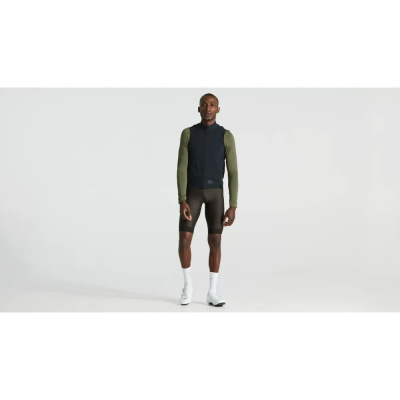
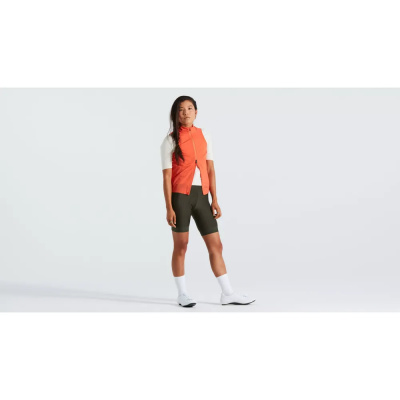
Prices and availability can change quickly. Delivery charges are not always included in listed prices.
Final price, stock status and delivery terms are set by retailer. We may receive a commission on purchases made.
Fabric Tech and Weather Performance
The foundation of most Specialized gilets is Deflect windproof fabric - a lightweight woven material that blocks moving air without the crinkly, stiff feel you get from cheaper laminate constructions. In practice, that means your core stays warm on a fast descent without the gilet acting like a sail. It's a meaningful difference when you're pushing pace on exposed roads.
Thermal models bring in Polartec Alpha active insulation, which is worth understanding properly. Unlike a traditional wadding, Alpha is an open-structure fill designed to keep moving air from stripping heat away, while still letting moisture vapour escape. It's the reason these gilets work on harder efforts where a conventional insulated vest would leave you damp inside five minutes.
The DWR coating handles light rain and road spray well. Be clear-eyed about what that means, though - a DWR treatment will see off a passing shower or a wet road, but it isn't a substitute for a waterproof jacket when the sky opens properly. Think of it as the difference between a waxed cotton jacket and a Gore-Tex shell. For typical British riding conditions - damp starts, spray from wheels, the odd drizzly spell - it does the job.
Mesh back panels appear across several models and they matter more than they might look. A climb that starts cold can turn sweaty quickly, especially on a humid summer morning in somewhere like the Surrey Hills. The mesh vents heat from the warmest part of your back without requiring you to stop and stuff the gilet away. It's a simple solution to a real problem.
The two-way zipper system is another detail worth noting. You can crack it open from the hem upwards on a climb, venting the bottom section without the front flapping around. On fast descents, you zip it back up in a couple of seconds. It sounds minor until you've wrestled with a single-direction zip mid-ride.
Understanding the Specialized Fit and Range
Specialized breaks their apparel into distinct lines and the gilet range follows that logic. The Prime and SL cuts are the race-focused end - tight, aerodynamic Form Fit shapes that sit close to the jersey beneath with no loose fabric to catch the wind. If you're riding at pace and want the gilet to behave like a second skin, these are the ones. They're also the most packable, given how little material there is to compress.
Compared to something like a Castelli gilet or an Endura gilet at a similar race-fit level, the Specialized SL options hold their own on fabric feel and packability. The differences tend to come down to pocket placement and zip quality rather than any dramatic performance gap.
For commuting or gravel use, Specialized offers more relaxed cuts that sit over thicker mid-layers without pulling across the shoulders. This is where sizing decisions get interesting. If you're planning to wear your gilet over a heavyweight winter jersey or a light softshell, go up a size from your usual. The Form Fit race models are cut to work over a base layer and summer jersey - put them over a bulkier layer and you'll feel restricted through the chest. That's not a flaw, just a design reality worth knowing before you order.
Sizing itself runs broadly true across the range, with the caveat that the aero cuts will feel snug to anyone used to relaxed-fit riding kit. If you're between sizes in a Prime or SL model, size up. Assos gilets tend to run similarly fitted at this end of the market, so if you know your Assos size, that's a reasonable reference point.
Layering and Care for UK Riding
A gilet works hardest when it's part of a system rather than a standalone solution. On a cool autumn morning, a packable vest over a thermal base layer and arm warmers covers most conditions you'll encounter on a three-hour UK ride - and as temperatures shift through the day, you can peel layers without stopping. Pair a Specialized gilet with their own base layers and arm warmers and the silhouettes are designed to stack cleanly without bunching under the gilet's hem.
For winter riding, the insulated gilet plus a long-sleeve jersey and reflective detailing on the outer layer gives you good visibility alongside the warmth - relevant when you're out in the grey half-light of a British January afternoon. A saddle bag is worth having for the layers you shed mid-ride; Specialized's own saddle bags are sized to take a packed gilet without any fuss, which is a practical pairing. If you're riding after dark, a decent set of lights matters as much as any layer.
On washing: DWR coatings degrade with standard detergents and fabric softeners. Zip the gilet fully closed before it goes in the machine - this protects the zip teeth and stops the pull tabs catching on anything. Use a dedicated tech-wash, cold or cool cycle, and skip the softener entirely. When the DWR starts to bead less effectively, a short tumble dry on a low heat setting will often reactivate it. It sounds fiddly but it's genuinely worth doing - a neglected DWR coating turns a water-resistant gilet into a cold, wet sponge on a damp ride.
Specialized Gilets FAQs
Are Specialized gilets true to size?
Generally yes, but the cut varies by range. The Prime and SL lines use a close Form Fit designed for aerodynamic riding - they'll feel snug if you're used to relaxed kit, and you should size up if you're layering over anything heavier than a summer jersey. Commuter and gravel-oriented models are cut with more room and fit more conventionally.
Are Specialized gilets waterproof?
No - most are water-resistant rather than waterproof. The DWR coating handles light rain, road spray, and brief showers well, but persistent heavy rain will work through eventually. For a full soaking, you need a proper waterproof jacket. Think of these as a wind and drizzle layer, not a rain jacket replacement.
How small do Specialized gilets pack down?
The lightweight models, particularly the Prime gilet, pack down to roughly the size of an apple - small enough to sit in a standard rear jersey pocket without noticeably affecting your position. Insulated thermal versions are slightly bulkier due to the Polartec Alpha fill, but most still compress into a jersey pocket or a small saddle bag without trouble.