
Rapha Sunglasses
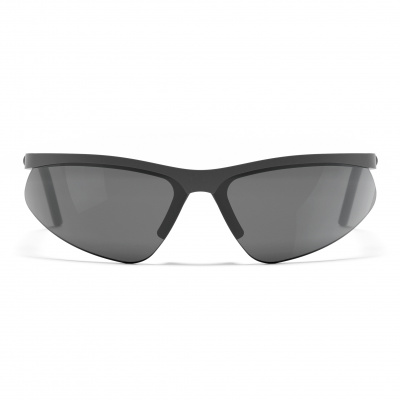
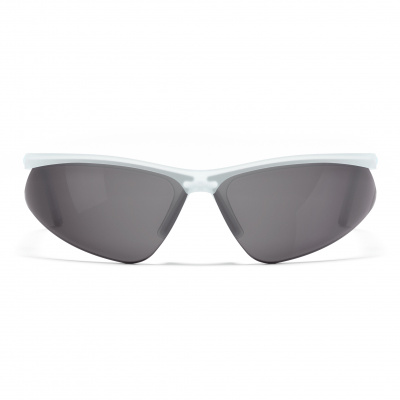
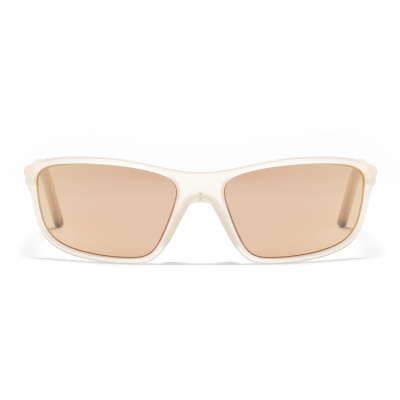
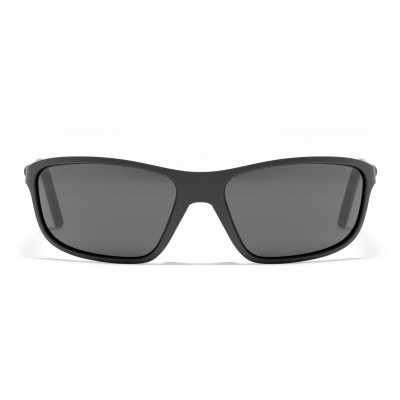
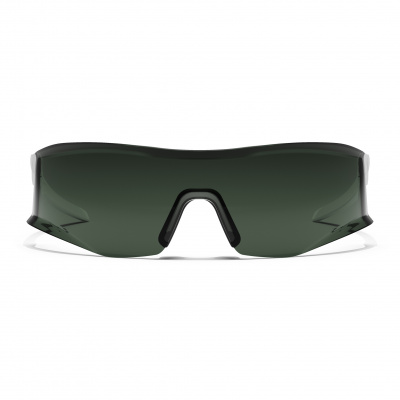
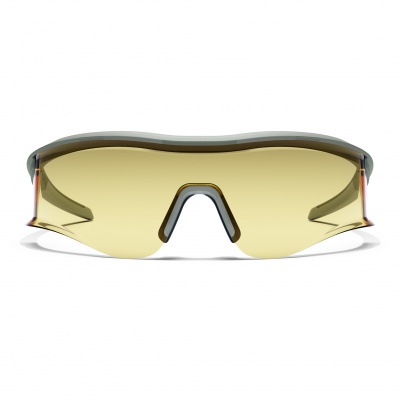
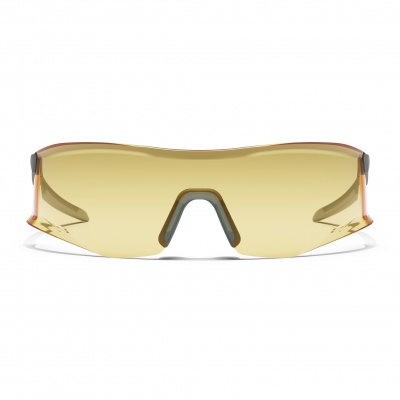
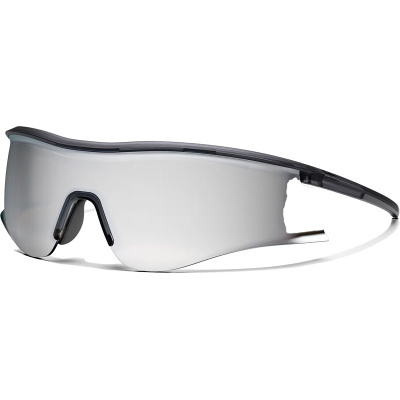
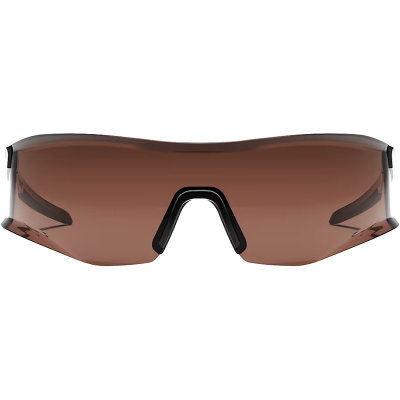
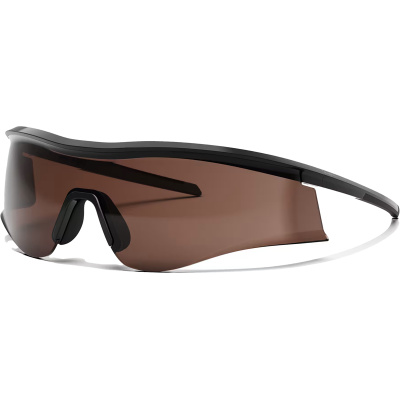
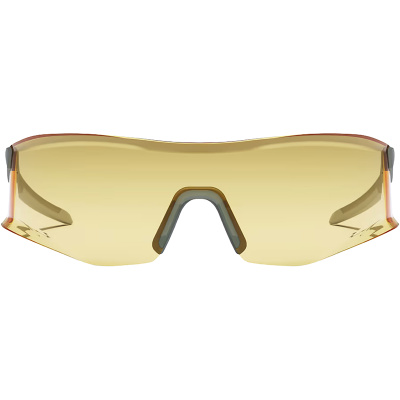
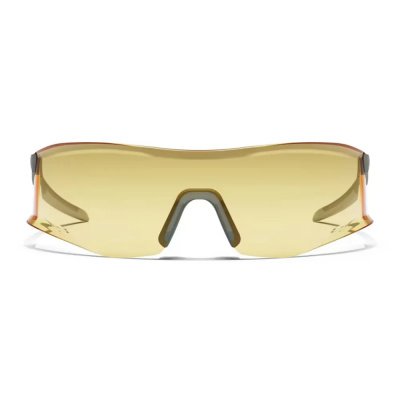
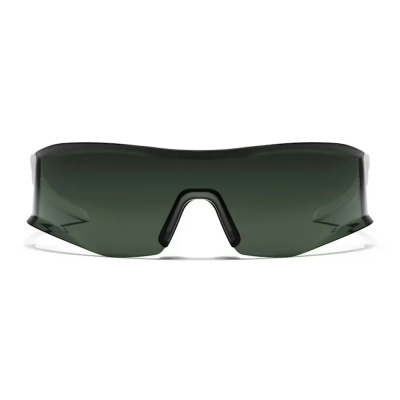
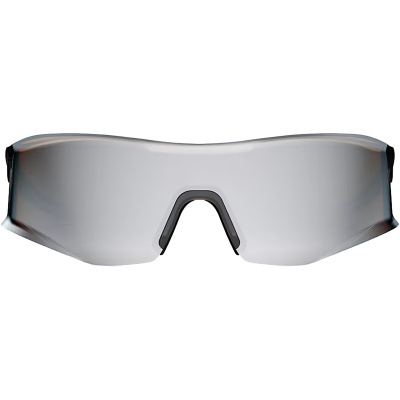
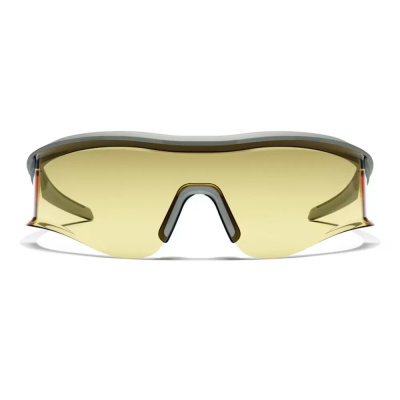
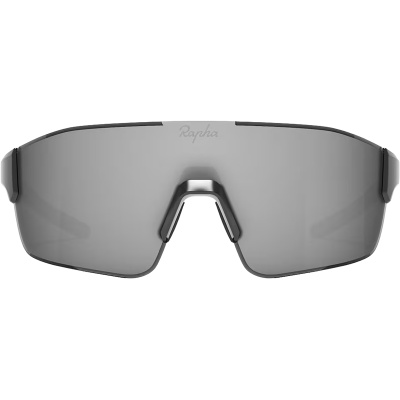
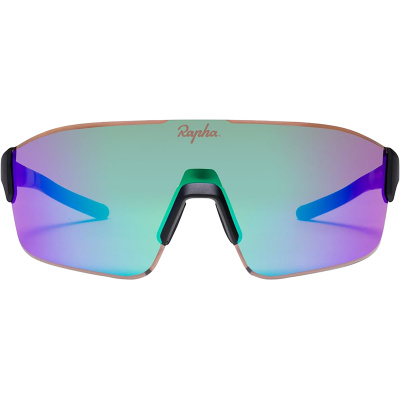
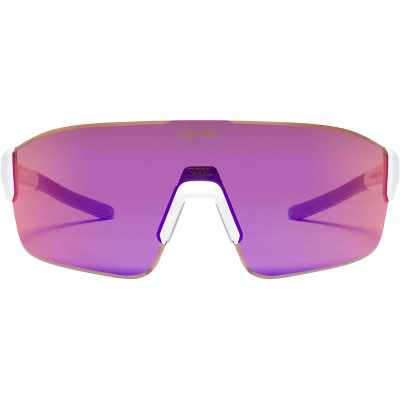
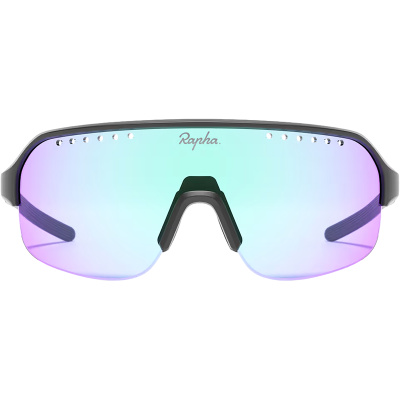
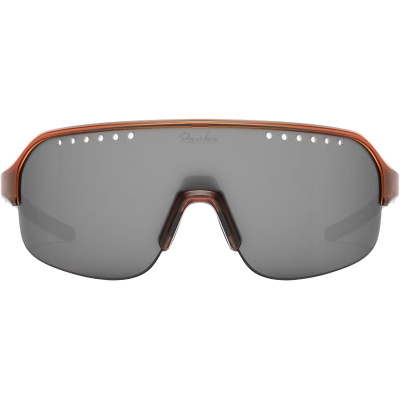
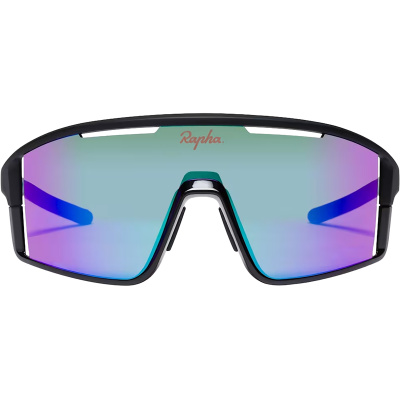
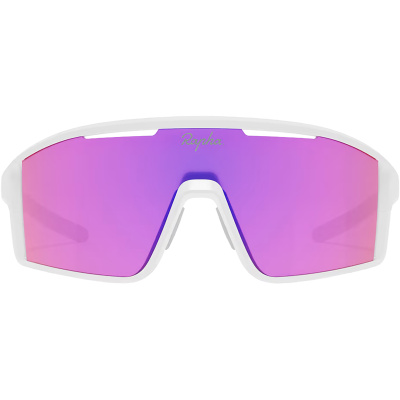
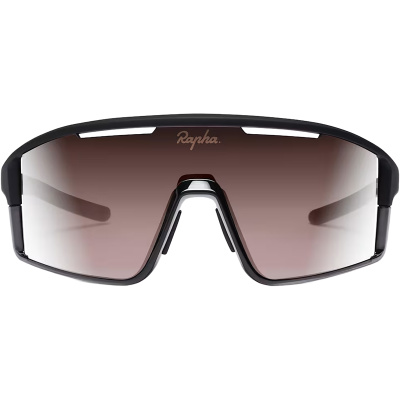
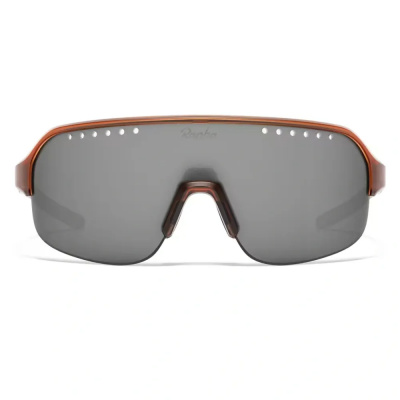
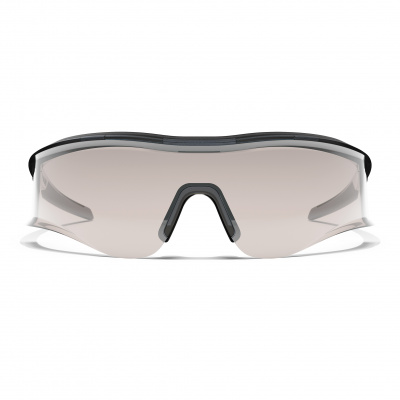
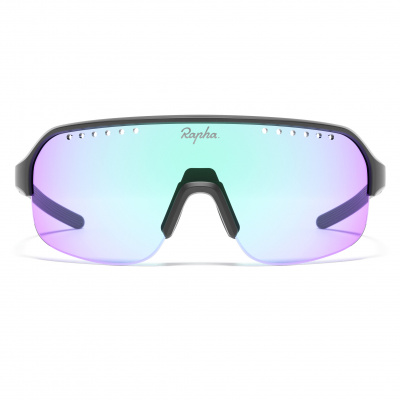
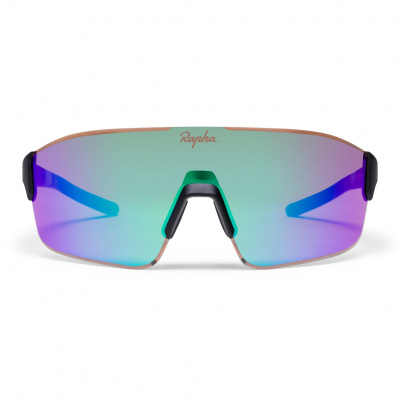
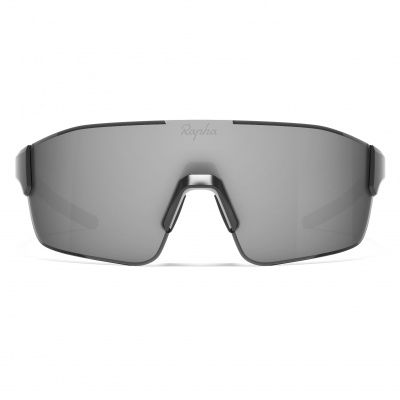
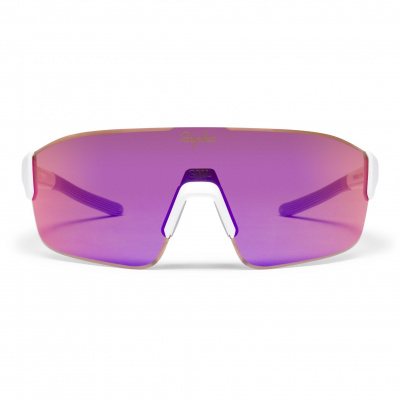
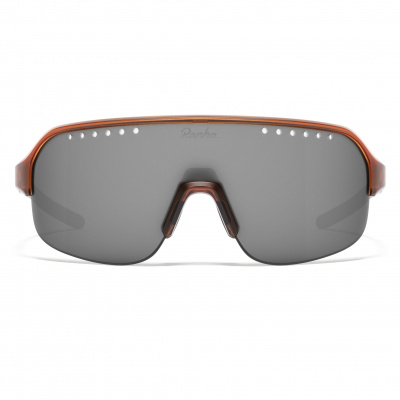
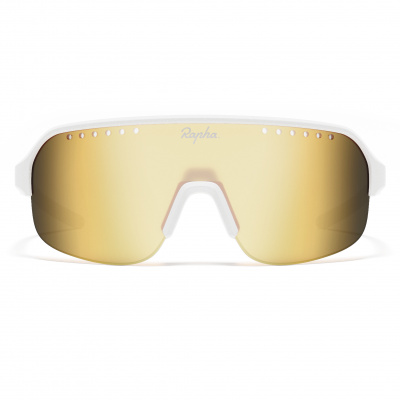
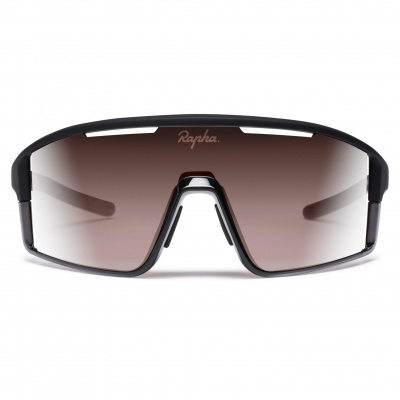
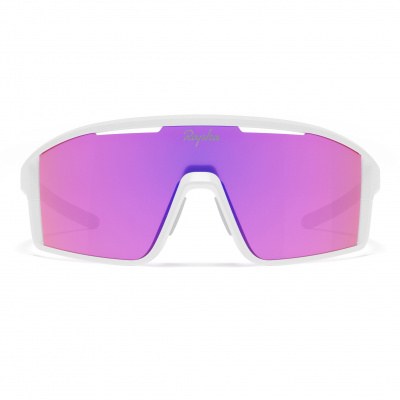
Rapha sunglasses are built around a simple idea: your eyes need to work harder on a bike than almost anywhere else. Whether you're threading a wet lane in the Peaks or grinding up a loose gravel climb in Wales, the difference between spotting a pothole and hitting it often comes down to what's in front of your eyes. Rapha's optics are purpose-engineered for exactly that - lightweight Grilamid TR90 frames keep the weight down without sacrificing durability, while proprietary ROSE (Rider Optimized Surface Enhancement) lens technology filters light to sharpen contrast, pulling out road texture and hazards that flat grey skies tend to swallow. Megol rubber grippers on the arms and nose piece hold the frame in place even as the effort climbs - they actually grip tighter when wet or sweaty, so the glasses stay put when you're out of the saddle and breathing hard. Add hydrophobic and oleophobic lens coatings that bead away drizzle and road spray, plus military-grade anti-fog treatments with strategic frame venting for humid, low-speed climbs, and you've got a genuinely considered piece of kit. The range covers everything from the aero-focused Pro Team line to the gravel-ready Explore range, so there's a clear fit for most riding styles.
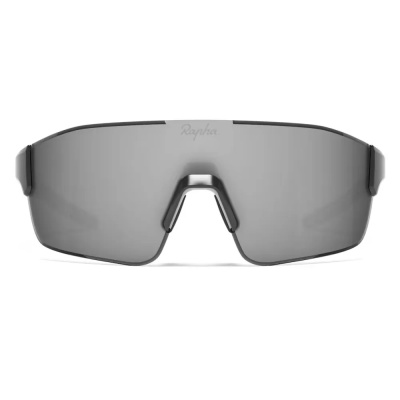
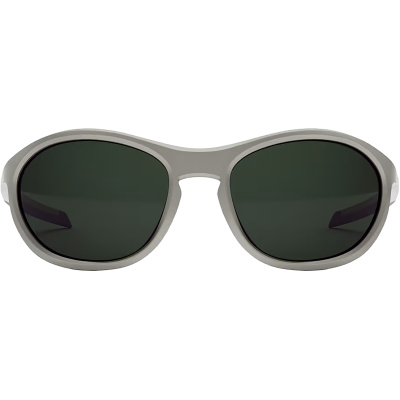
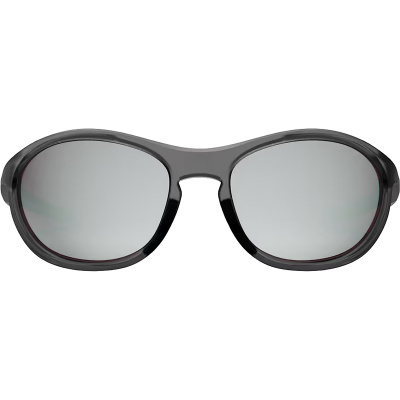
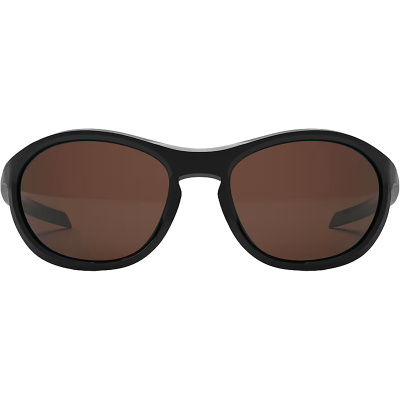
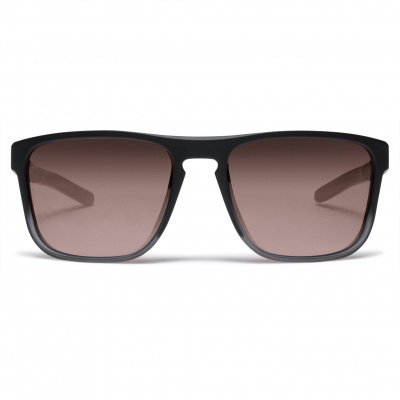
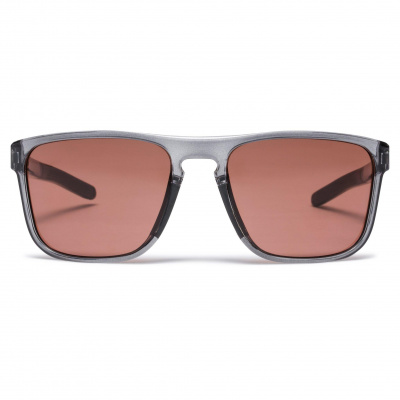
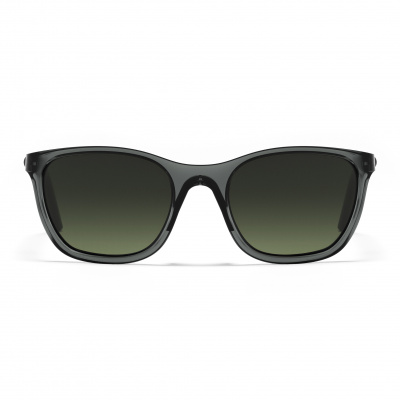
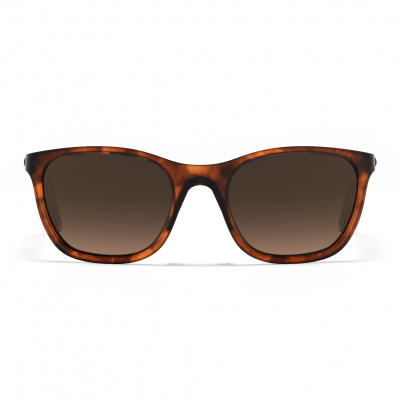
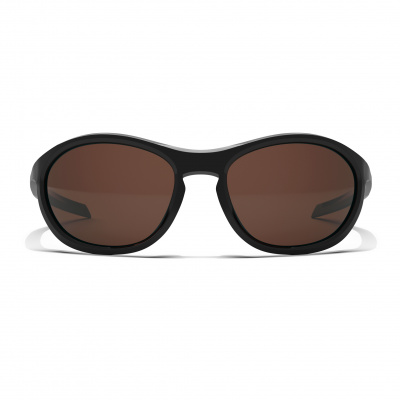
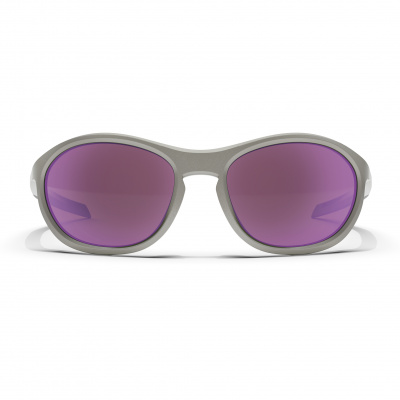
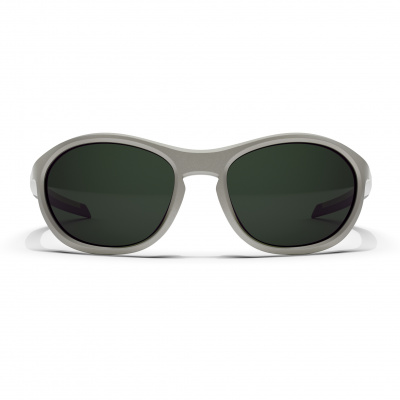
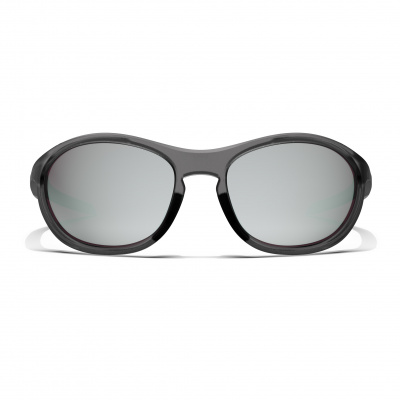
Prices and availability can change quickly. Delivery charges are not always included in listed prices.
Final price, stock status and delivery terms are set by retailer. We may receive a commission on purchases made.
Seeing Through the Spray: Lens Tech and Weather Performance
The single biggest challenge for cycling optics in the UK isn't UV - it's contrast. Overcast skies flatten everything out, making wet tarmac look uniformly grey and turning a jagged pothole into nothing more than a slightly darker patch until it's too late. That's where ROSE technology earns its place. Rider Optimized Surface Enhancement works by selectively filtering wavelengths of light to sharpen the boundaries between surfaces - road, gravel, shadow, and puddle all read as distinct rather than blurred together. It's a meaningful difference on a drizzly morning in the Surrey Hills, where that split-second of clarity genuinely matters.
The hydrophobic lens coating handles what ROSE can't: the constant film of road spray and light rain that builds up during a wet British ride. Water beads off rather than spreading into a smear, which means you're not squinting through a frosted-glass effect every time a car passes. The oleophobic coating does the same for fingerprints and sunscreen - both inevitable over the course of a long day out. Worth knowing: these coatings are durable but not indestructible, so how you clean the lenses matters (more on that below).
On humid climbs - the kind of slow, sweaty effort you get on a Scottish glen road in August - fogging is a real problem for glasses with no airflow. Rapha addresses this with anti-fog coating applied to the inner lens surface alongside deliberate frame venting that channels air across the lens as you move. At speed it works well. At near-standstill gradient-grinding pace it's not magic, but it's noticeably better than unvented alternatives.
Pro Team vs Explore: Understanding the Rapha Range
Rapha splits its eyewear into two clear camps, and choosing between them is mostly a question of how you ride rather than how much you want to spend.
The Rapha Pro Team glasses are the road-racing end of the range. Frameless or half-frame construction maximises the field of vision - there's very little frame structure interrupting your sightlines, which matters when you're in a bunch or navigating fast descents. The fit is close and aerodynamic, sitting tight to the face to reduce wind noise and prevent the lens from lifting at speed. If your riding is mostly road-focused - sportives, club runs, time trials - the Pro Team line is the natural choice. The Grilamid TR90 frame material keeps weight impressively low while staying flexible enough to absorb minor impacts without snapping, which matters when you're stuffing them into a jersey pocket mid-ride.
The Rapha Explore sunglasses take a different approach. Fuller frame construction gives more robust protection against debris - relevant if you're spending time on loose gravel or forest tracks where small stones and grit get kicked up. The fit is slightly less aggressive, which suits a more upright bikepacking or gravel position. Interchangeable lenses are a feature across both ranges, but the Explore line leans into this more explicitly, recognising that gravel riders tend to start early, finish late, and pass through more varied light conditions in a single outing.
Across both ranges, the Megol grippers on the temple arms and nose piece are one of those details you don't appreciate until you've ridden without them. Silicone-based and moisture-activated, they grip harder as conditions get wetter - the opposite of most materials, which become slippery. On a hard climb or a technical descent where you can't afford to stop and adjust, that stability is quietly reassuring. Pair the glasses with a set of Rapha jerseys and you'll find the whole kit is designed with the same philosophy: secure, functional, and free of unnecessary fuss.
Picking the Right Lens and Looking After It
Lens choice is where most riders make their biggest mistake - defaulting to a single dark tint and then squinting through overcast rides or skipping glasses entirely on winter mornings. For UK riding, a varied approach makes far more sense.
Pink and bronze tints are the workhorses here. They lift contrast under flat, diffuse light - the kind you get most of the year north of Birmingham - without darkening the view to the point of being dangerous in shadowed lanes or tree-lined descents. Rapha photochromic lenses automatically shift between lighter and darker states as light changes, which is genuinely useful on rides where you move between open moorland and shaded woodland repeatedly. For winter riding or pre-dawn starts, a clear lens with UV400 protection keeps debris and wind out of your eyes without reducing visibility further. Save the darker tints for those rare high-summer days when the light actually deserves them.
On cleaning: grit is the enemy of coatings. If you wipe a lens that's covered in road spray and fine grit, you're effectively dragging abrasive particles across the anti-fog coating and hydrophobic layer, creating micro-scratches that compound over time. Rinse with clean water first to flush the surface clear, then pat dry or wipe gently with a microfibre cloth. It takes an extra ten seconds and genuinely extends the life of the coating. Keep a small microfibre cloth in your Rapha water bottle pocket or jersey - you'll use it more than you expect.
If you're running the Pro Team frameless lenses, handle them with a bit of respect when swapping. The lens clips into the frame at precise points, and forcing it creates stress fractures at the edges over time. Take your time, especially in cold weather when the Grilamid TR90 is marginally stiffer. And if you want to complete the kit properly, Rapha headwear is cut to sit cleanly under a helmet brim without pushing your glasses down your nose - a small detail that makes a real difference on longer days out.
Rapha Sunglasses FAQs
Are Rapha sunglasses good for cycling?
Yes, and specifically because they're designed for riding rather than adapted from general sport or fashion frames. The lightweight Grilamid TR90 construction, Megol grippers that hold firm when you're sweating hard, and ROSE lens technology tuned to sharpen road-surface contrast all address problems that are genuinely specific to cycling. They're not cheap, but the engineering is focused in the right places.
How do I change the lenses on Rapha Pro Team glasses?
Start at the nose bridge - gently pull the frame forward and away from the lens to release the centre point, then work outward to unclip the outer edges. To fit a new lens, do it in reverse: clip the outer edges in first, then press the nose bridge section firmly until it clicks. Cold weather makes the frame slightly stiffer, so don't rush it or force anything.
What is Rapha ROSE lens technology?
ROSE stands for Rider Optimized Surface Enhancement. It's a lens filtering system designed to increase contrast between road surfaces, making it easier to read tarmac texture, spot potholes, and pick out gravel patches in low or flat light. It's particularly useful under the overcast conditions that dominate UK riding for most of the year.