
Rab Gilets
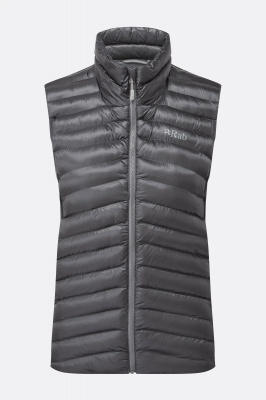
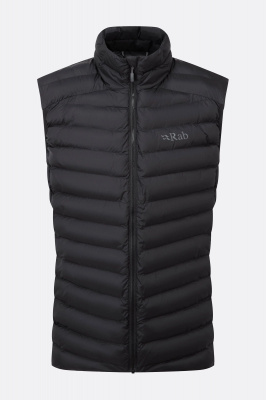
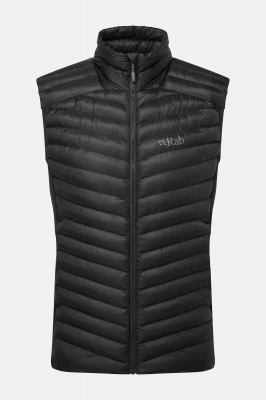
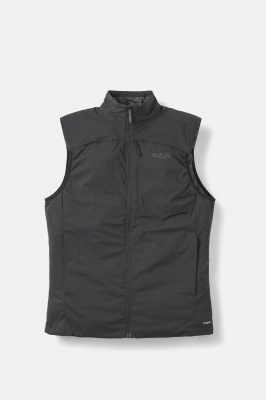
Rab cycling gilets bring decades of mountain-honed fabric engineering straight to the bike - and the results are hard to argue with. Where plenty of outdoor brands bolt a cycling label onto a generic softshell, Rab's dedicated Cinder range is cut specifically for riding, with the fit, packability, and weather resistance that UK roads and gravel tracks actually demand. Think biting Pennine headwinds on a Tuesday morning, or a damp Dartmoor climb where the temperature drops ten degrees in as many minutes. A gilet handles both without the bulk of a full jacket.
The core of the range sits around Pertex Quantum shell fabrics and PrimaLoft synthetic insulation - lightweight, packable, and genuinely useful when road spray starts working its way through. A fluorocarbon-free DWR finish handles the passing showers that make up most of our riding season without adding weight. When the sun breaks through, the gilet rolls down to pocket size and disappears into your back pocket. That kind of versatility is what makes it the most-reached-for piece of kit in a lot of riders' rotations. Whether you're doing fast road miles or loaded gravel overnighters, there's a Rab gilet that fits the day.
Prices and availability can change quickly. Delivery charges are not always included in listed prices.
Final price, stock status and delivery terms are set by retailer. We may receive a commission on purchases made.
Fabric Tech and Weather Performance
Rab's use of Pertex Quantum as a shell fabric is the headline here. It's an ultra-lightweight woven material that blocks wind effectively while breathing well enough that you're not cooking on the climbs - a trade-off that heavier windproofs consistently get wrong. On a fast exposed descent in the Brecon Beacons or a long flat drag into a sea wind on the Suffolk coast, Pertex Quantum keeps the chill off your chest without trapping heat when the road tips back up.
For the insulated models aimed at gravel riding and cooler months, Rab integrates PrimaLoft synthetic fill. The key advantage over down here is simple: synthetic insulation keeps working when it gets wet. Road spray, drizzle, crossing a ford on a bikepacking route - PrimaLoft doesn't collapse and leave you cold the way saturated down does. It's not as compressible as down, but the warmth-retention trade-off is firmly in synthetic's favour for British conditions.
The DWR coating across the range is fluorocarbon-free, which matters if you care about the environmental side of your kit choices. It handles light showers and mist well. Worth being honest though: DWR is a light-rain tool, not a substitute for waterproofing. If you're heading into sustained Welsh hill rain, a Rab jacket is the right call. The gilet is the layer you reach for when the forecast says changeable but not grim.
The Cinder Range: Fit, Cut, and What Sets It Apart
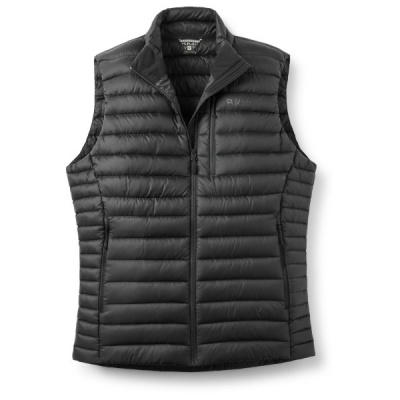
The Rab Cinder range is where the mountain brand's pedigree gets translated properly for cycling. The cut is articulated for the riding position - longer at the back, shorter at the front - so you're not fighting the gilet every time you drop onto the hoods. The dropped rear hem with a silicone grip strip keeps everything in place when you're out of the saddle. That detail sounds minor until you've spent a ride repeatedly tugging kit back down over your lower back.
The higher collar is another practical win. It seals out the draft that sneaks in at the neck on fast descents, the kind of cold that a short-zip gilet doesn't address. You notice it most on early-morning road rides where the air temperature hasn't shifted yet and you're picking up speed on the first long descent of the day.
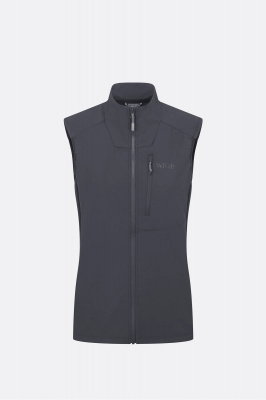
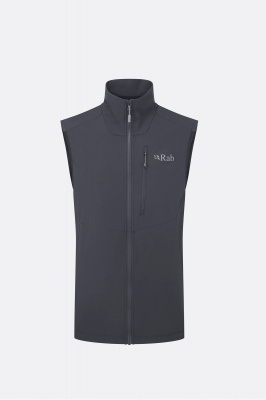
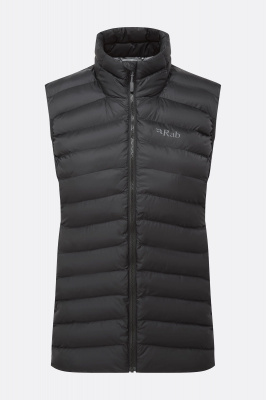
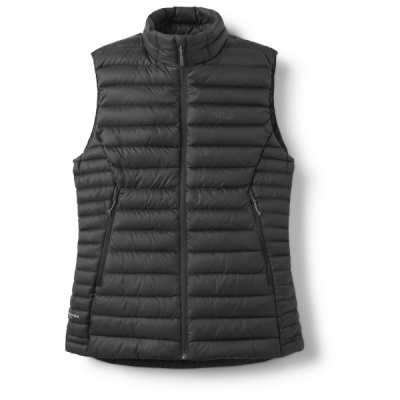
Within the range, there's a clear split worth understanding. The packable windproof gilets - thinner, lighter, aimed at road and fast gravel - are the ones that genuinely vanish into a jersey pocket. They're your insurance policy layer. The insulated Cinder vests add PrimaLoft fill and a bit more structure; they're less about pocket-stashing and more about being your primary warmth layer on a cold October gravel ride or a bikepacking start in the Cairngorms. If you're comparing options from other brands, Castelli gilets sit at a similar performance level for road use, while Endura gilets offer strong value for mixed-surface riding. Albion gilets are worth a look if your riding skews heavily towards gravel and adventure routes.
Sizing runs true to a slim athletic fit. If you're layering a heavier mid-layer underneath for winter bikepacking, go up a size - the articulated cut doesn't leave a lot of room and you don't want restricted movement when you're grinding up a loaded climb.
Layering Logic and Wash Care
The gilet works hardest when you treat it as part of a system rather than a standalone piece. Over a Rab jersey on a crisp autumn morning, the packable windproof version is usually all you need - it keeps the core warm while your arms do enough work to stay comfortable. Once temperatures drop into single figures and you're out for longer, layer the insulated Cinder vest over a base layer and under a Rab jacket as a mid-layer. That combination covers most of what a British winter throws at you without reaching for a heavyweight softshell that you'll overheat in by the first climb.
On multi-day gravel trips, the insulated vest doubles as a camp layer when you stop for the night, which is a genuinely useful bit of kit efficiency. Pack the Rab bib shorts and you've got a coherent kit system from one brand, which makes layering decisions on the road much simpler.
Wash care is straightforward but worth doing properly to keep the DWR working. Machine wash at 30°C with a dedicated technical gear wash - something like Nikwax Tech Wash. Skip the standard biological detergents and absolutely avoid fabric softener; both degrade the DWR finish faster than anything else. Tumble dry on a low heat setting after washing. The gentle heat is what reactivates the DWR coating, pushing the water-repellent treatment back to the surface of the fibres. If the DWR starts beading less effectively over time, a tumble dry alone (no wash) often revives it. It's a five-minute job that adds significant life to the gilet's weather performance.
Rab Gilets FAQs
Are Rab gilets good for cycling?
Yes, and specifically because the Cinder range is built for riding rather than adapted from hiking kit. You get dropped rear hems with silicone grippers, articulated cuts that work in the riding position, and genuinely packable fabrics designed to live in a jersey pocket. They're a strong choice for UK road and gravel riding where the weather shifts mid-ride.
How do Rab cycling gilets fit?
The Cinder range runs to a slim, articulated fit that's sized for the riding position - snug enough to kill wind flap, with enough stretch to move freely. If you're planning to layer a heavier piece underneath for cold-weather bikepacking, size up. Running it over a lightweight base layer or jersey, true to size works well for most riders.
How do you wash a Rab windproof gilet?
Wash at 30°C using a technical gear wash - no biological detergents or fabric softener, both of which damage the DWR finish. Tumble dry on low heat afterwards; the warmth reactivates the water-repellent coating. If the DWR starts to underperform between washes, a short tumble dry on its own often brings it back without a full wash cycle.