
Maxxis BMX Tyres
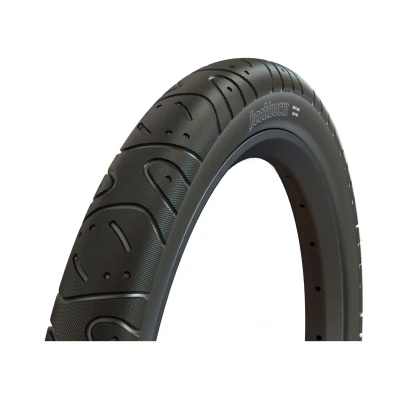
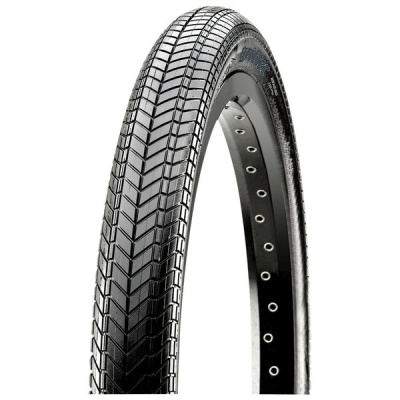
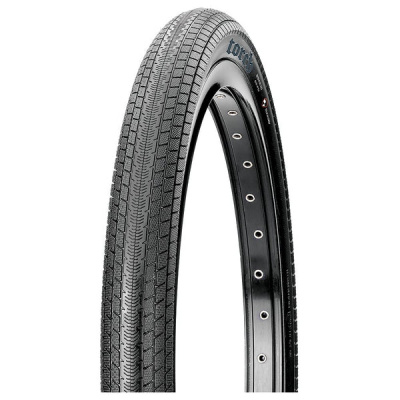
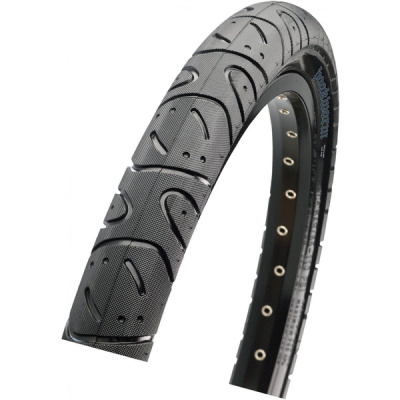
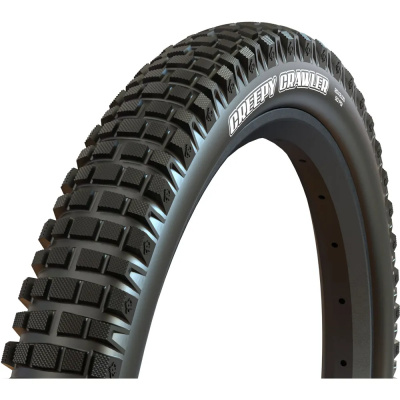
Maxxis BMX tyres sit at the top of the pile for freestyle, street, and racing - and there are good reasons the brand's treads turn up everywhere from concrete skateparks in Manchester to muddy dirt jump trails in the Welsh valleys. Whether you're sprinting out of a start gate, casing a double, or grinding a waxed ledge, Maxxis has a casing built to handle it. The flagship lineup - DTH, Grifter, Holy Roller, and Torch - covers every discipline with purpose-built tread patterns and compounds rather than one-size-fits-all compromises.
The technology behind them is worth understanding before you buy. High-pressure 110 PSI casings keep street and park tyres firm enough to resist pinch flats on square-edged impacts. SilkShield bead-to-bead puncture protection matters on UK roads where broken glass and flint are a given. Folding beads trim rotational mass and make fitting easier compared to wire bead equivalents. Width options run from race-slim to a chunky 20x2.40, so frame clearance is something to check before you commit.
Browse the full Maxxis range below and filter by tread, width, bead type, and compound to find exactly what your riding needs - no guesswork required.
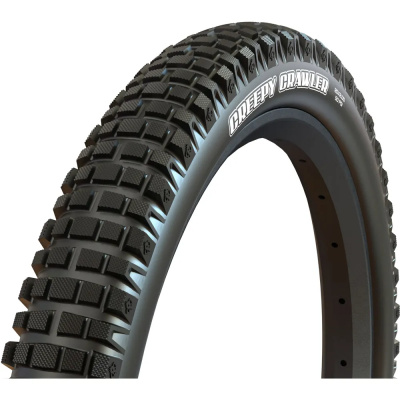
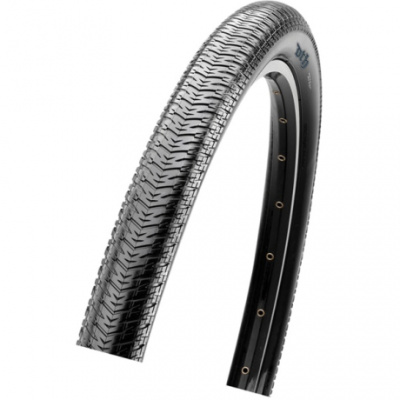
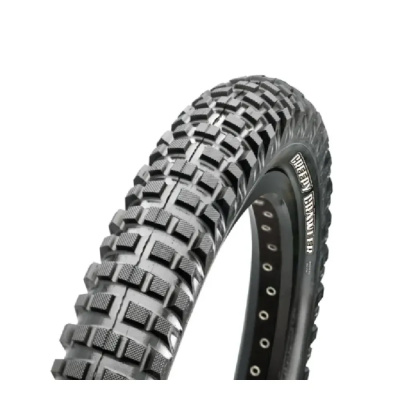
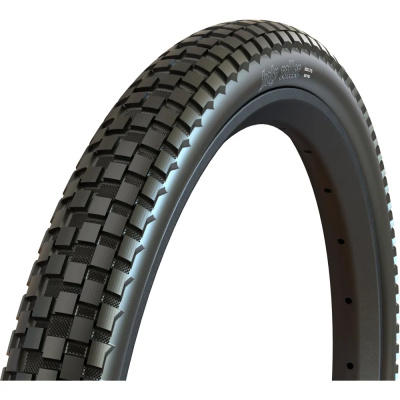
Prices and availability can change quickly. Delivery charges are not always included in listed prices.
Final price, stock status and delivery terms are set by retailer. We may receive a commission on purchases made.
Fitting Maxxis BMX Tyres: Sizes, Beads, and Frame Clearance
Most Maxxis BMX tyres are built around the standard 20-inch wheel, which uses a 406mm ISO bead diameter. That covers the vast majority of freestyle and racing frames. If you're on a cruiser - OS20, 22-inch, or 24-inch - the bead diameter changes entirely, so double-check your rim spec before ordering. Mixing up 406mm and 451mm is an easy mistake, and neither will seat on the wrong rim.
Width clearance is where things get trickier. Older frames and forks - anything designed before the current wave of wider tyre adoption - often max out at around 2.10 or 2.25 inches. Running a modern 20x2.40 in a tight frame isn't just a squeeze; it can cause tyre rub on the chainstays or fork legs mid-ride, which is as unpleasant as it sounds. Measure your clearance before sizing up. A good rule: allow at least 3 - 4mm either side of the inflated tyre. It's a five-minute job in the car park that saves a ruined tyre later.
On the bead question - wire bead or folding bead - the trade-off is straightforward. Wire bead tyres are heavier and stiffer, which makes them harder to lever onto the rim, but they're cheaper and perfectly functional for riders who aren't counting grams. Folding bead versions use Kevlar strands instead of steel wire, which cuts weight, reduces rotational mass (you feel it most in acceleration), and makes tyre changes noticeably less of a battle. For anyone doing street sessions where a flat means a kerbside change, the folding bead is worth the extra spend.
DTH, Grifter, Holy Roller, Torch: Picking the Right Model
The Maxxis range isn't just different widths of the same tyre. Each model has a specific job, and understanding those differences stops you buying the wrong one.
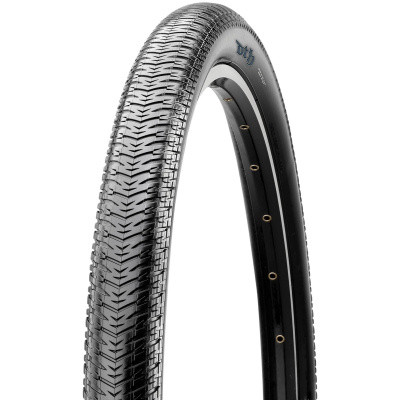
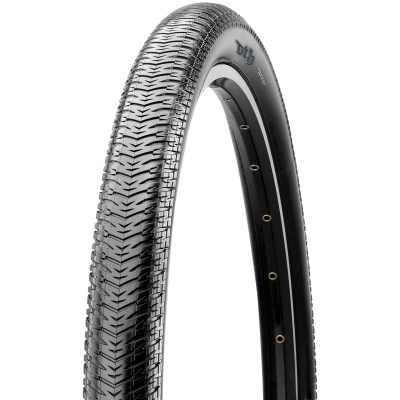
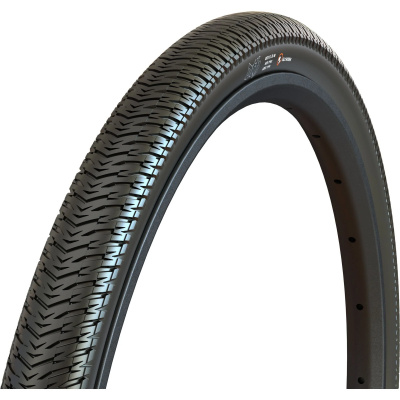
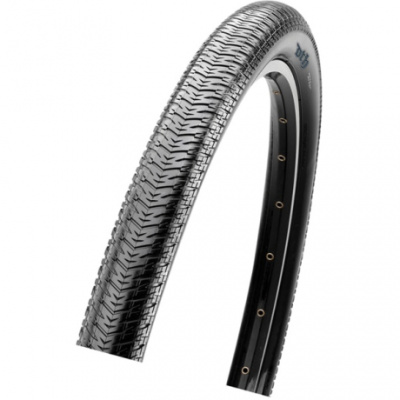
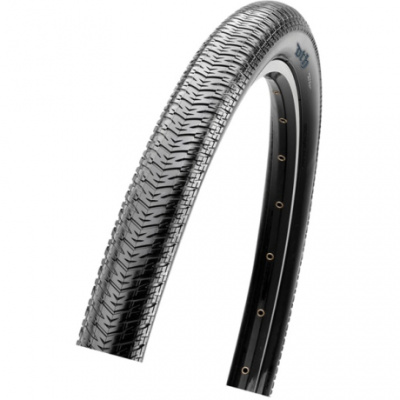
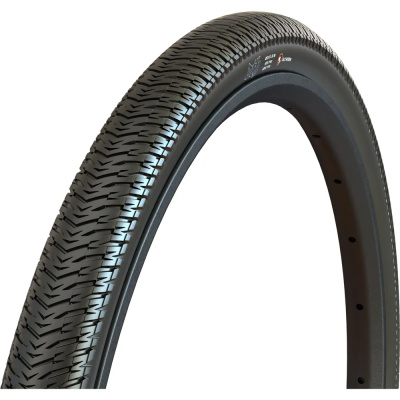
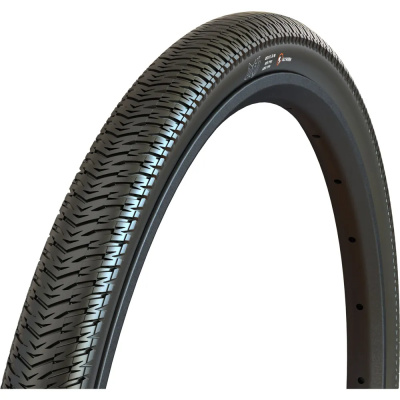
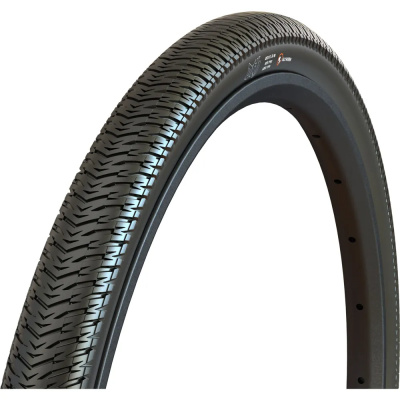
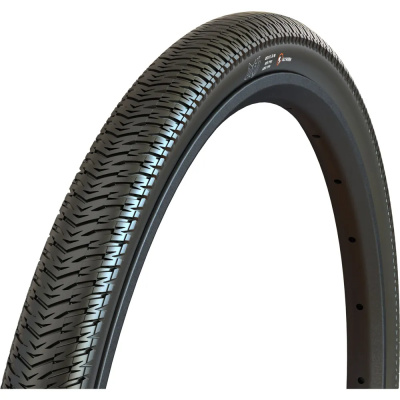
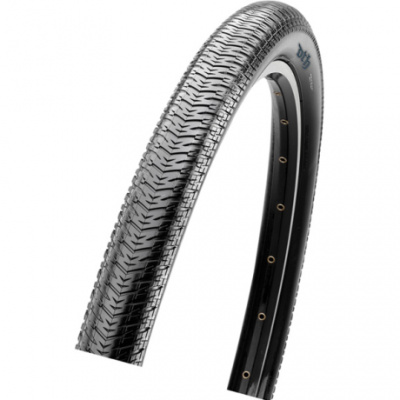
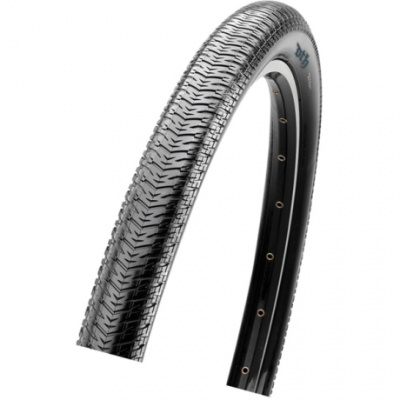
The DTH - Drop The Hammer - started life as a race-derived tyre and still carries that DNA in its low-profile, fast-rolling tread. It's the one to reach for on hardpack pump tracks, smooth concrete skateparks, and dry asphalt. The tread pattern offers enough texture for confidence through transitions without the rolling drag of a chunkier block. MaxxPro compound keeps rolling resistance low and tread life longer than softer rubber - useful when you're putting serious hours in. DTH versions with EXO sidewall protection add cut-resistant material to the sidewall, which matters if you're grinding rails and ledges and regularly dragging the tyre across sharp edges.
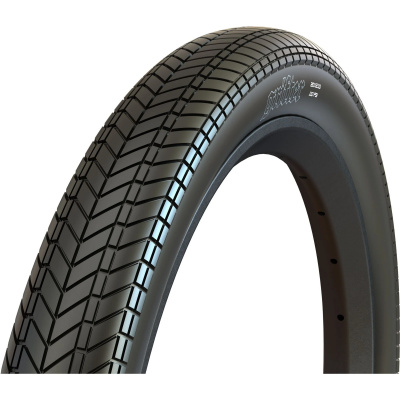
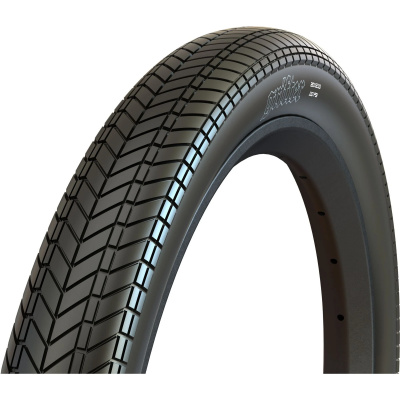
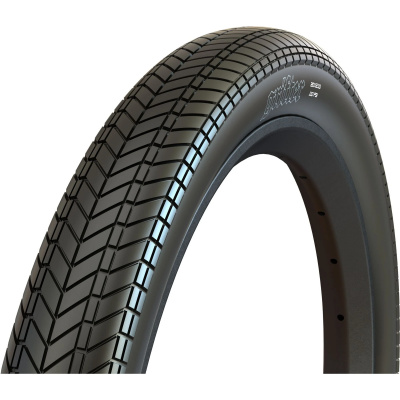
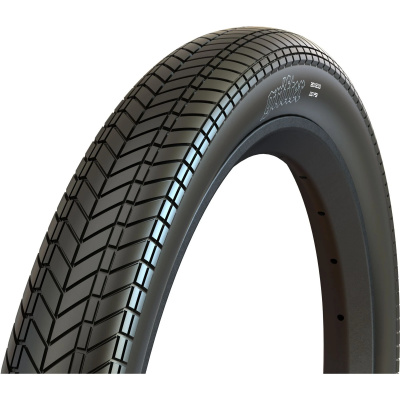
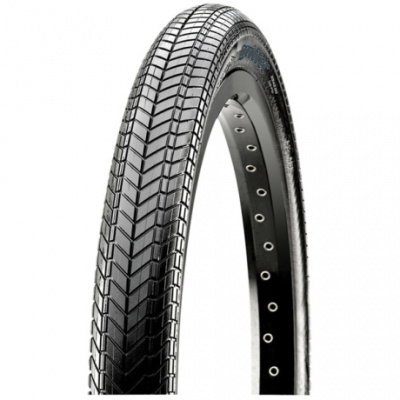
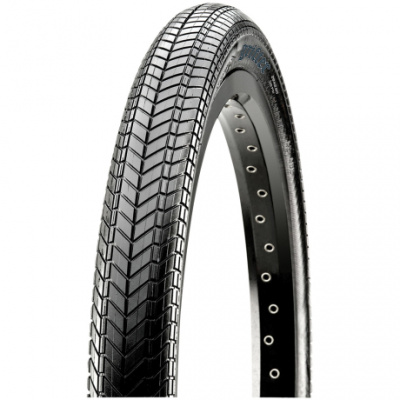
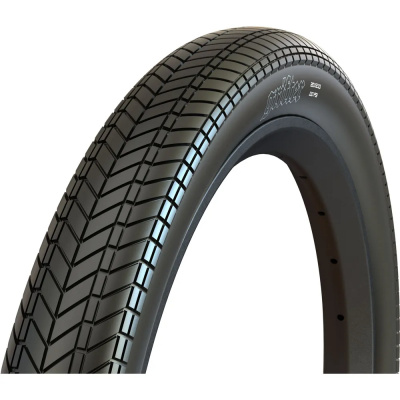
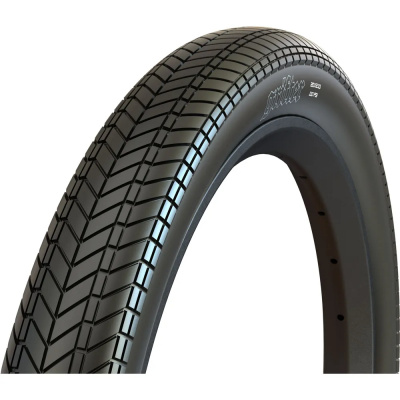
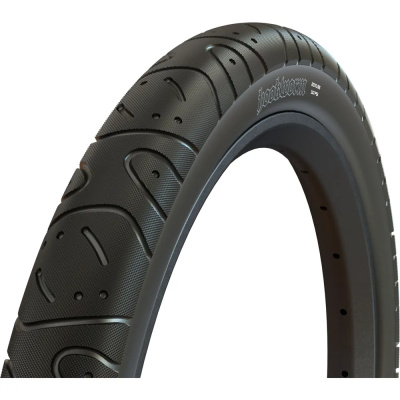
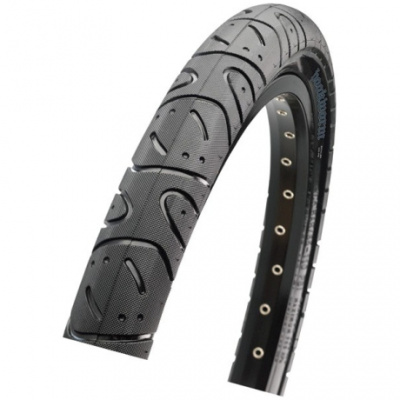
The Grifter is the go-to for street and freestyle. It runs high volume for its width, which gives a more forgiving ride over rough urban surfaces - the kind of broken tarmac you find around most UK city spots. It's fast-rolling but prioritises durability over outright weight savings, and the SilkShield bead-to-bead puncture protection layer is genuinely useful here. UK streets are littered with glass and sharp flint, and SilkShield acts as a barrier between the road and your inner tube. Worth paying for if you're riding street regularly. Compared to something like a Michelin BMX tyre, the Grifter tends to offer a firmer, more precise feel underfoot rather than prioritising plush compliance.
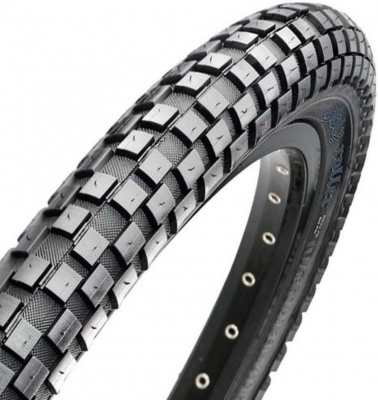
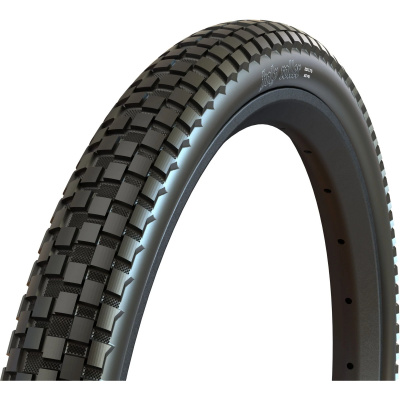
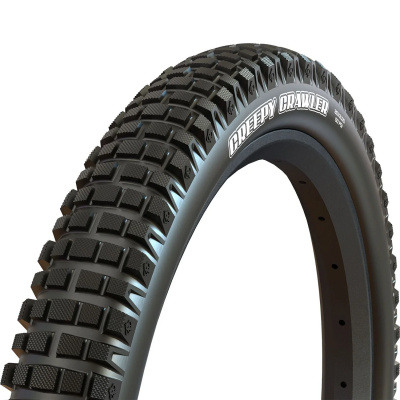
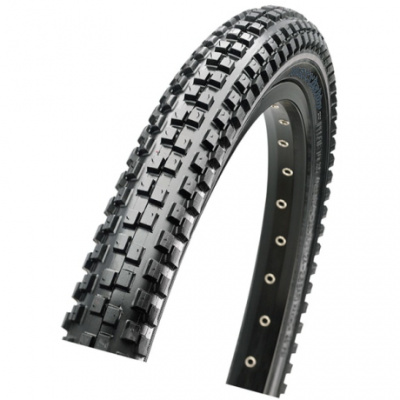
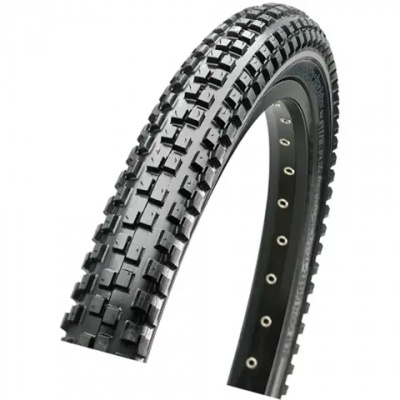
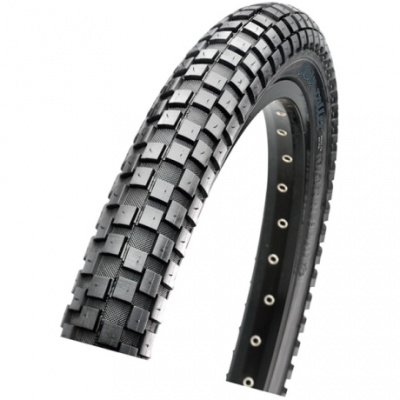
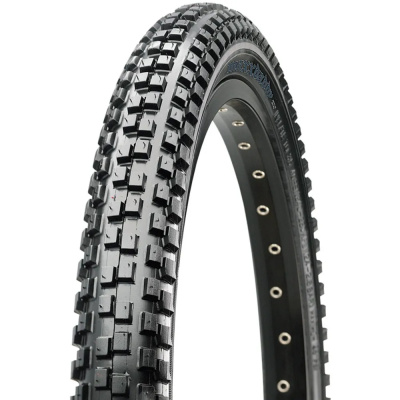
The Holy Roller is built for dirt. Its inverted block tread - raised centre blocks with open shoulders - does two things well: it rolls efficiently on the hardpack between jumps, and the blocks bite into loose or damp soil through the lip and landing. Winter UK dirt jump trails, which are essentially a mud lottery from October through March, suit the Holy Roller far better than the DTH. The DTH's shallow tread clogs and loses traction on anything soft; the Holy Roller clears and grips. That said, it's noisier on concrete and slower-rolling on hard surfaces, so it's a discipline-specific choice rather than an all-rounder. If you're comparing options, Vittoria's BMX range offers some interesting alternatives for dry dirt, but the Holy Roller remains a strong benchmark for mixed UK conditions.
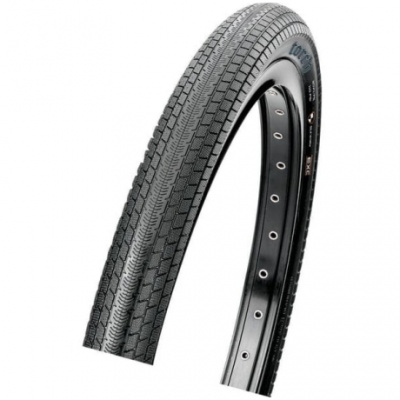
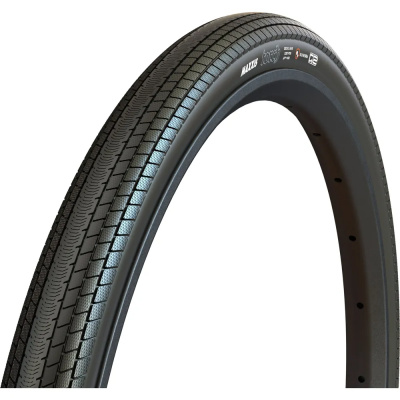
The Torch sits at the sharp end of the race-specific lineup. Lightweight, high-pressure, and built purely for gate starts and race circuits. If racing isn't your thing, it's overkill. But for competitive BMX racing where every gram off the wheels translates to faster acceleration, it's purpose-built. Dual compound rubber - harder in the centre for rolling efficiency, slightly softer on the edges for cornering grip - is what you're paying for at this end of the range.
Paying extra for SilkShield or EXO versions is a question of where you ride. Street riders dealing with debris and grinding ledges should prioritise EXO sidewalls and SilkShield protection as non-negotiable. Pump track and park riders on clean surfaces can save a few pounds with standard casings and put the money elsewhere.
Pressure, Sidewall Checks, and Keeping Things Rolling
Tyre pressure on BMX is more critical than most riders realise. For street and park - hard surfaces, square-edge impacts, big drops - you want to be running 80 - 110 PSI depending on your weight and the specific tyre's rated maximum. Soft tyres on concrete are asking for pinch flats; the rim hits the tube against a hard edge and you're done. Keep a decent track pump at home and check pressure before sessions, not just when it looks flat.
For dirt jumps, drop it. Running 60 - 75 PSI on a Holy Roller gives the tyre more contact patch on loose or damp surfaces. On the damp loam you'd find at a UK trail spot mid-autumn, that compliance makes the difference between traction and washing out on the landing. It's a simple swap in mindset - firm for hard surfaces, softer for loose - and it costs nothing to adjust.
Sidewall inspection matters most if you're running pegs. Every grind drags the sidewall across metal or concrete, and standard sidewalls wear through faster than you'd expect. Check for cuts and fraying after sessions. If you're seeing consistent wear, moving to an EXO-protected version is the straightforward fix rather than replacing standard tyres repeatedly. For street riding specifically, keeping a couple of Maxxis inner tubes and a set of Maxxis tyre levers in your bag means a street flat doesn't end the session. Folding bead tyres make kerbside changes much quicker - another reason to choose them for street use.
On the broader Maxxis BMX range, the tube range is matched to the same 20-inch standard, so compatibility isn't something you need to worry about when buying both together.
Maxxis BMX Tyres FAQs
What is the best Maxxis tyre for street BMX?
The Grifter is the strongest choice for street - high volume, SilkShield puncture protection, and a durable compound that handles UK roads and urban debris well. The DTH is also solid on smooth concrete and asphalt if you want a lower-profile, faster-rolling feel. Both support high-pressure casings up to 110 PSI, which is what you need to avoid pinch flats on hard surfaces.
Are Maxxis DTH tyres good for dirt jumping?
On hardpack or dry pump tracks, yes - the DTH rolls fast and handles well. On loose or damp UK dirt jump trails, it's not the right tool. The Holy Roller's inverted block tread clears mud and bites into loose soil far better. If your local jumps stay tacky through winter, the Holy Roller is the call.
What tyre pressure should I run on Maxxis BMX tyres?
Street and park riding calls for 80 - 110 PSI - firm enough to resist pinch flats on hard landings and square-edge impacts. For dirt jumping, drop to 60 - 75 PSI to get more tyre contact and traction on loose or damp surfaces. Check the maximum PSI printed on the sidewall and don't exceed it.