
Lundhags Gilets
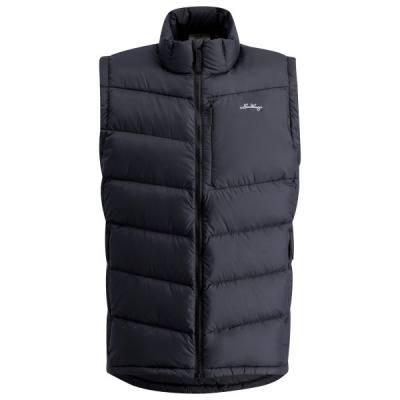
Lundhags gilets are built for riders who want durability and weather resistance baked into the fabric, not bolted on as an afterthought. Where most cycling vests optimise for aero and sacrifice longevity, Lundhags takes a different line - rugged construction, sustainable materials, and core warmth that earns its place on exposed gravel routes and multi-day bikepacking trips alike. If you've ever had a lightweight vest snag on a bramble hedge mid-bridleway, you'll understand why that matters.
The range leans on LPC (Lundhags PolyCotton) blends and recycled polyester construction, treating the fabric with a fluorocarbon-free DWR coating that handles UK drizzle without trapping heat on the climbs. Wind resistance is the headline feature - essential when you're dropping off an open moorland ridge and the temperature falls faster than your speed increases. Stretch panels keep movement free in the saddle, and practical pocket layouts mean snacks and tools stay accessible whether you're mid-ride or making camp.
The fit is relaxed and versatile, designed to layer comfortably over a Merino base or mid-layer rather than sit skin-tight. Both Lundhags men's gilets and Lundhags women's gilets follow this utilitarian approach. Round out your gravel kit with a look at Lundhags belts for off-bike practicality.
Prices and availability can change quickly. Delivery charges are not always included in listed prices.
Final price, stock status and delivery terms are set by retailer. We may receive a commission on purchases made.
Fabric Tech and Weather Performance
The LPC fabric - Lundhags' own PolyCotton blend - is the foundation of what makes these gilets feel different from standard cycling kit. The tight weave blocks wind effectively, which matters when you're pushing into a headwind across open farmland or losing heat fast on a long descent. It's not paper-thin performance fabric that flinches at a thornbush; it's built to take knocks, rubs, and the general rough treatment that gravel riding and bikepacking hand out.
The fluorocarbon-free DWR treatment adds a layer of practicality without the environmental baggage of older PFAS-based coatings. Light rain, road spray, and the persistent drizzle that defines a British autumn ride will bead off and roll away rather than soaking through. Worth being clear, though: DWR is not a substitute for a waterproof membrane. In a proper downpour, you'll want a shell over the top. What the DWR does brilliantly is handle the grey area - those rides where the sky can't commit - without turning the gilet into a sweat trap.
Breathability is where this fabric genuinely separates itself from cheaper windproof options. Humid winter climbs, the kind you find all over the Welsh Valleys or the North Yorkshire moors, generate real heat fast. A vest that blocks wind but traps moisture quickly becomes a liability. The LPC construction and the recycled polyester panels work together to move vapour out while keeping the chill off your core. That balance is harder to achieve than brands make it sound, and Lundhags gets it right without relying on expensive membrane tech.
Fit, Range, and What Works on the Bike
Compared to the close-cut, aerodynamic vests you'd find from Endura or Altura, Lundhags gilets sit in a noticeably more relaxed place. That's a deliberate choice rather than a sizing oversight. The cut accommodates a thicker mid-layer underneath - a Merino long-sleeve or a lightweight fleece - without pulling or restricting movement across the shoulders. On a bikepacking trip where you're dealing with variable conditions across a full day, that versatility counts for a lot.
Strategic stretch panels across the back and sides mean the relaxed fit doesn't translate into a billowing, wind-catching mess when you're down on the drops or reaching forward on a gravel bike. Mobility in the saddle is maintained without compromising the overall silhouette. The two-way zip is a practical detail that earns its keep - open it from the bottom on steep pitches to dump heat, close it back up on the descent. Simple, effective, and the sort of feature you miss on vests that don't have it.
Pocket layouts are designed with access in mind rather than pure weight saving. Deep, secure pockets mean you can carry a bar, a small tool, or a phone without worrying about it bouncing free on a rough track. This is a gravel cycling gilet built around how you actually ride, not how you look on a product shot. If you want a direct comparison to a more trail-oriented approach, Bergans gilets occupy a similar space in terms of outdoor-first construction philosophy.
Sizing runs true for most riders, but if you're planning to wear the gilet over a single base layer for faster road or gravel rides and want it to sit close without flapping, going down a size is worth considering. The relaxed cut is an asset for layering and off-bike movement, less so if you're after a tighter, more race-adjacent fit.
Layering for UK Conditions and Keeping the DWR Working
A Lundhags gilet slotted over a long-sleeve Merino base layer is a genuinely capable combination for crisp autumn gravel rides - the kind of October morning where it's eight degrees at the start and twelve by midday. The gilet handles the wind and the odd shower; the Merino regulates temperature and manages moisture from the inside. When winter arrives properly and the rain turns serious, layer the gilet under a packable waterproof shell. The breathability of the LPC means you won't create a steam room between layers, which is a real problem with less technical fabrics in that sandwich position.
For bikepacking, the packable nature of the gilet means it lives in a hip pack or top-tube bag without taking up meaningful space. Pull it on at the top of a climb before the descent, stuff it away once you're back in sheltered lanes. That kind of quick-deployment practicality is where a packable bikepacking gilet earns its place in the kit list.
Keeping the DWR performing is straightforward but worth doing properly. Wash the gilet at 30 degrees using a non-biological liquid detergent - avoid fabric softener, which clogs the fibres and kills water repellency fast. When you notice water no longer beading on the surface and instead spreading into damp patches, the DWR needs reviving. A wash-in proofer works well for thorough coverage; a spray-on proofer is fine for a quick refresh. After either treatment, a short run in the tumble dryer on a low heat reactivates the coating. It takes ten minutes and adds months to the gilet's performance. Do it before a big trip, not after you've already had a miserable wet ride wondering why your vest has stopped working.
Lundhags Gilets FAQs
Are Lundhags gilets waterproof or windproof?
Lundhags gilets are highly windproof and the fluorocarbon-free DWR coating sheds light rain and drizzle reliably. They're not fully waterproof, though - that's a deliberate trade-off in favour of breathability and core temperature management during active riding. In heavy rain, layer a waterproof shell over the top.
How do Lundhags gilets fit for cycling and bikepacking?
The fit is relaxed and utilitarian, cut to work comfortably over a mid-layer or thicker base - exactly what you want for bikepacking or variable-weather gravel riding. If you prefer a closer fit for faster, flap-free riding with just a single base layer underneath, sizing down usually does the job.
How should I wash a Lundhags gilet to maintain its DWR coating?
Wash at 30°C with a non-biological liquid detergent and no fabric softener. When water stops beading on the surface, treat with a wash-in or spray-on proofer, then tumble dry on a low heat to reactivate the DWR finish. Doing this once or twice a season keeps the coating working properly.