
Kranx Pannier Bags
KranX pannier bags are a practical, no-nonsense choice for UK cyclists who want reliable commuter storage without paying over the odds for a brand name. The range covers everyday commuters through to weekend tourers, and the recurring theme across the lineup is straightforward fitment, decent weatherproofing, and hardware that doesn't feel like it'll snap off the moment winter grit gets involved.
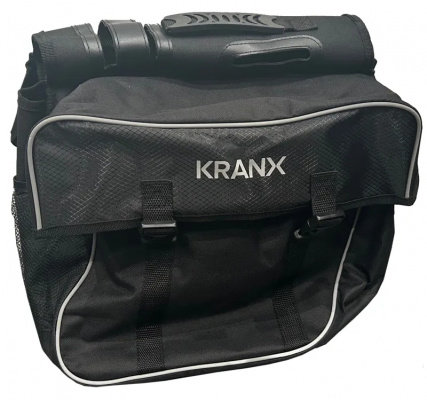
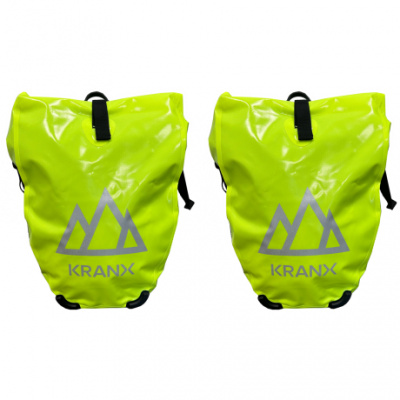
Every bag in the range uses reinforced rigid back panels designed to sit flush against the rack and keep the bag's body clear of your spokes - a small detail that matters enormously when you're running a loaded bag at pace. The mounting hooks are built around standard rack tubing dimensions, so fitting is usually a five-second job rather than a ten-minute fumble. Reflective detailing runs across the range too, which counts for a lot during the short, murky days of a British winter commute.
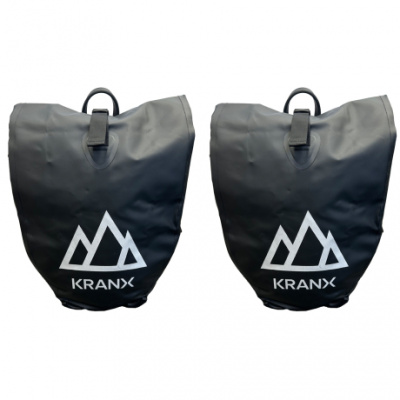
Whether you're after a compact zippered bag for dry-day errands or a fully sealed roll-top model for year-round riding in the kind of persistent rain that the UK does so well, there's a KranX option worth considering. Use the grid below to compare the current range and find the right bag for your rack, your load, and your budget.
Prices and availability can change quickly. Delivery charges are not always included in listed prices.
Final price, stock status and delivery terms are set by retailer. We may receive a commission on purchases made.
Rack Fitment and Getting the Position Right
Most KranX panniers are engineered to clip onto rear rack tubing between 8mm and 12mm in diameter - that covers the vast majority of aftermarket carriers you'll find on commuter and touring bikes. The mounting hooks drop over the top rails of the rack, and the key thing to check before you ride off is that the lower retention hook is properly engaged with the rack's side leg. Miss that step and the bag will bounce free the first time you hit a decent pothole. It's not a design flaw; it's just the nature of hook-based systems and worth making a habit of checking.
Fore and aft positioning matters more than people realise. Slide the bag too far back and your heel clips it on every pedal stroke - an annoying problem that's easy to avoid. Most riders find the correct position by standing next to the bike, aligning the bag's front face roughly level with the rear axle, then adjusting slightly forward until there's clear heel clearance through the full pedal rotation. Do that check before your first loaded commute rather than discovering the issue halfway down a wet A-road.
If you're running an oversized e-bike rack with thicker tubing, check the hook diameter limits on the specific KranX model before buying. Standard hook systems aren't always compatible with the beefier carriers fitted to cargo-oriented e-bikes, and a wobbly fit on a heavy load isn't something you want to find out about at speed.
Comparing the KranX Range by Capacity and Waterproofing
KranX split their pannier lineup broadly into two tiers, and the difference is more meaningful than a simple price gap. Entry-level zippered models are water-resistant - fine for a dry commute or a light drizzle, but sustained downpours will eventually find their way in through the zip. If most of your riding happens in fair weather and you only occasionally get caught out, these bags do the job well and the load capacity at this level typically sits around 15 litres per bag, which handles a laptop, change of clothes, and lunch without drama.
Step up to the roll-top models and you're in different territory. These use waterproof PVC construction with high-frequency welded seams - meaning the panels are essentially fused together rather than stitched, so there's no thread channel for water to track along. Pair that with a roll-top closure that seals properly when rolled down three or four times and you've got a bag that'll handle a proper Welsh hill day or a grim November commute without complaint. Capacity on these models tends to push past 20 litres, which gives you meaningful extra room for touring or bigger shop runs.
The hardware also improves as you move up the range. Stronger springs in the quick-release system, more robust hook construction, and better stitching at stress points all add up to a bag that lasts longer when you're using it five days a week through winter. If you're comparing KranX against alternatives at a similar price point, it's worth looking at Oxford panniers for a like-for-like comparison, or Altura panniers if you want to see what a step up in build quality looks like. For fully welded waterproof performance with no compromises, Ortlieb panniers are the benchmark - though the price difference is significant.
The honest trade-off with KranX's affordable UK pannier bags proposition is longevity. For occasional use or a first serious set of panniers, the value is genuinely good. Riders covering 200-plus miles a week through winter may find the mounting hardware shows wear sooner than a premium alternative - which leads neatly into keeping things maintained.
Keeping KranX Panniers Working Through a UK Winter
Road grit and salt spray are relentless on plastic mounting components. The quick-release system springs and hook mechanisms are the parts most likely to suffer first - grit works into the pivot points, the spring tension weakens, and eventually the hook doesn't hold as firmly as it should. A rinse with clean water after wet winter rides takes about thirty seconds and makes a real difference to how long those components stay functional. Every couple of months, a small amount of light lubricant on the spring mechanism keeps things moving cleanly.
For the roll-top bags, the welded seams are durable but the roll-top itself is worth inspecting periodically. If the PVC starts to stiffen or crack around the fold line - usually a sign of UV degradation over time - a wipe with a silicone-based conditioner can slow the process down. The reflective detailing on the outer panels doesn't need maintenance as such, but it's worth checking it hasn't been obscured by mud or scuffing, particularly on the panels facing rearward traffic.
The reinforced rigid back panels that prevent spoke contact don't generally need attention, but if you've had a minor knock or the bag has taken a fall, it's worth checking the panel hasn't cracked or warped - a deformed back panel can shift the bag's position and reduce that spoke clearance margin you want to keep intact.
If you're refreshing your commuter setup more broadly, KranX bar tape and KranX grips are worth a look at the same time - straightforward upgrades that complete the picture without stretching the budget. And if you're sorting the cockpit end of things, KranX top caps and spacers keep everything tidy and brand-consistent.
Kranx Pannier Bags FAQs
How do I attach a KranX pannier bag to my bike rack?
Drop the upper mounting hooks over the top rails of your rear rack, then make sure the lower retention hook clips firmly onto the rack's side leg. That lower hook is what stops the bag bouncing off over rough ground - don't skip it. Once fitted, check heel clearance by rotating the cranks before you ride.
Are KranX pannier bags fully waterproof?
Roll-top models with welded seams offer proper waterproofing that'll handle sustained UK rain without letting water in. Zippered entry-level bags are water-resistant rather than waterproof - fine for light use, but worth pairing with a rain cover if you're regularly riding in heavy downpours.
Will KranX panniers fit any rear bike rack?
They're designed for standard rack tubing between 8mm and 12mm in diameter, which covers most aftermarket rear carriers. If you're running a beefier rack on an e-bike or cargo bike, check the hook specifications for that specific model before buying - oversized tubing can take the fit outside the safe working range.