
Keada Sports Gilets
Keada Sports gilets are built around a straightforward idea: block the wind where it matters, breathe where you need it, and disappear into a jersey pocket when the sun finally shows up. Core temperature management is the whole game on British riding, where a sharp descent can follow a sweaty climb by minutes, and the weather can shift before you've finished your gel.
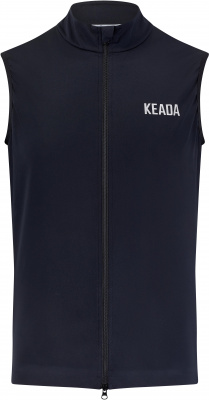
What makes Keada's range genuinely useful is the combination of a windproof front panel - cutting through that biting headwind on open roads - and a highly breathable mesh back that keeps heat moving when the gradient tips upward. A DWR coating handles the casual cruelty of UK drizzle and road spray without weighing you down. The two-way zipper means you can crack it open from the hem mid-climb, venting without fully committing to taking it off. And when the layers come off, the gilet rolls tight and slots into a rear pocket without creating an awkward lump at the small of your back. Whether you're heading out on a crisp autumn morning or bridging that cold gap before a long sportive neutralised section, a well-chosen Keada gilet earns its place in your kit bag every single time.

Prices and availability can change quickly. Delivery charges are not always included in listed prices.
Final price, stock status and delivery terms are set by retailer. We may receive a commission on purchases made.
Fabric Tech and Weather Performance
The front panel on a Keada cycling gilet is doing serious work. High-stretch windproof fabric sits flush against your chest and shoulders, cutting windchill on exposed descents without the annoying flutter you get from cheaper, more rigid materials. That flap-free fit isn't just about aerodynamics - a loose, billowing gilet acts like a sail and makes a fast descent feel distinctly agricultural.
The mesh rear panel is the other half of the equation. On a hard climb - think a long pull up something like Porlock Hill or a Peak District drag - your back generates heat fast. A solid rear panel would trap that warmth and leave you overheating within minutes. The open mesh construction dumps excess heat rapidly, keeping your core comfortable without forcing you to strip the gilet off entirely. It's a ventilation system built into the structure of the garment.
The DWR (Durable Water Repellent) coating is worth understanding properly. It's not a membrane - it's a surface treatment that causes water to bead and roll off the face fabric rather than soaking in. For the kind of light showers and road spray that define a British spring or autumn ride, it's genuinely effective. You'll stay dry and comfortable in a passing squall. What it won't do is stand up to sustained heavy rain; for that, a Keada jacket with a proper waterproof membrane is the correct call. Think of the DWR gilet as your first line of defence, not your last.
The two-way zipper is one of those details that sounds minor until you're mid-ride and grateful for it. Unzipping from the hem on a long climb lets air circulate through the base without you having to wrestle the gilet over your helmet on the move. It also makes reaching into the rear pockets of your jersey a less awkward operation - something you appreciate when you're fumbling for a bar at 200 watts.
Understanding the Keada Sports Fit and Range
Keada offers two broad fit directions across their gilet range, and picking the right one makes a real difference to how the garment performs. The race-cut options are cut close and short in the body, sitting flush against your jersey with minimal excess fabric. In an aggressive road position, they stay put and don't ride up. These are the ones to consider if you're regularly doing fast club runs or sportives where aerodynamic efficiency and pocket access without faff are priorities.
The more relaxed club-fit options give a little more room across the chest and shoulders. They suit riders who spend more time in a comfortable endurance position, or who want to layer the gilet over a slightly heavier jersey in autumn without it feeling restrictive. Neither fit is better in absolute terms - it's about how you ride and what you're wearing underneath.
So, should a cycling gilet be tight? It should be close-fitting but not compressive. The practical test: zip it up fully over your jersey with loaded rear pockets, then take a deep breath and roll your shoulders forward into your riding position. If you can do that without the fabric pulling across your chest or the zip straining, the fit is right. Too loose and the windproof front panel starts losing its effectiveness; too tight and you'll spend the ride feeling constricted. If you're between sizes, sizing up is usually the smarter move for a gilet worn over multiple layers.
Compared with the tighter race geometries you'll find in Castelli gilets or the more varied fit profiles across the Endura gilet range, Keada sits in a practical middle ground - performance-focused without being unforgiving on sizing.
Layering and Care for UK Riding
The gilet works best as part of a system, not as a standalone answer to the cold. On a sharp autumn morning, pair it over a Keada jersey - you get wind protection at the front, the jersey's own fabric doing the breathable work across the back. As the temperature drops further into the colder months, adding a thin thermal base layer under that combination extends the useful range significantly without adding bulk. The gilet's mesh back means you won't cook on climbs even with more layers beneath.
Knowing when to pack it away matters as much as knowing when to put it on. Once you're generating enough heat that you're actively sweating through the front panel, it's done its job - roll it up and pocket it. Fold it vertically in half lengthways, then roll tightly from the collar downward, squeezing out trapped air as you go. The resulting compact roll drops into a standard rear jersey pocket without creating a hard lump that digs into your back. It's worth practising this at home before you need to do it one-handed at 25mph.
Care is straightforward but important if you want the DWR coating to keep performing. Wash at 30 degrees with a non-biological detergent - avoid fabric softeners entirely, as they clog the DWR treatment and reduce its effectiveness over time. Tumble drying on a low heat or ironing on a cool setting can actually help reactivate the DWR after washing. Check the specific care label on your gilet, but those are the principles that apply across most DWR-treated fabrics. If you notice water no longer beading on the surface after several washes, a specialist DWR re-proofer spray will restore the coating without you needing to replace the garment.
Rounding out your kit with Keada socks in cooler conditions is worth considering - cold feet arrive faster than you expect when you're standing into a headwind, and having the layering sorted from head to toe makes a consistent difference. If you're weighing up more protective options for genuinely bad days, the Le Col gilet range is worth a look for a comparison point at the higher end of the market.
Keada Sports Gilets FAQs
Should a Keada Sports cycling gilet be tight?
Close-fitting, yes - but not restrictive. The windproof front panel only does its job properly when the fabric sits flush against your body rather than billowing. Zip it over your loaded jersey and check you can breathe and move freely in your riding position. If you're between sizes, go up rather than down.
Are Keada gilets waterproof or just windproof?
They're windproof with a DWR coating that handles light showers and road spray well. That's the right tool for most UK spring and autumn days. For heavy or prolonged rain, swap to a dedicated waterproof jacket - the gilet's mesh back means it was never designed to be a sealed barrier against sustained downpours.
How do you pack a cycling gilet into a jersey pocket?
Fold the gilet in half lengthways, then roll it tightly from the collar toward the hem, pressing out any trapped air as you go. Done right, it compresses into a compact roll that fits cleanly into a standard rear pocket without creating an uncomfortable pressure point against your lower back.