
Ion Road Shoes
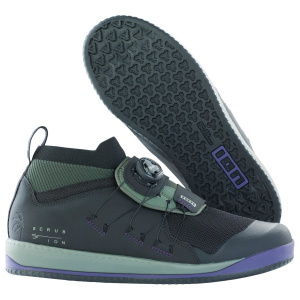
ION road shoes are built around a straightforward idea: lock your foot down properly and let the power go where it's supposed to go. Stiff composite or carbon outsoles keep that energy transfer clean, so you're not losing watts to a flexy platform mid-climb. The micro-adjustable BOA dial closures let you fine-tune instep pressure on the fly - useful when your feet swell on a long summer sportive and you need a quick release without stopping to fiddle with velcro. Ergonomic heel cups hold the back of the foot firmly during out-of-the-saddle efforts, which is where a poorly fitting shoe really starts to betray itself. The breathable mesh and perforated synthetic uppers manage heat sensibly on sticky summer days, and the wipe-clean construction handles the gritty reality of UK B-roads without deteriorating quickly. 3-bolt cleat compatibility means you're covered across all the major road pedal systems. ION has been making performance cycling apparel and footwear with a focus on function over flash, and these shoes reflect that - purposeful, well-constructed, and honest about what they're for. If you want a road shoe that fits precisely and transfers power without drama, these are worth a close look.
Prices and availability can change quickly. Delivery charges are not always included in listed prices.
Final price, stock status and delivery terms are set by retailer. We may receive a commission on purchases made.
Upper Materials and What They Mean in Practice
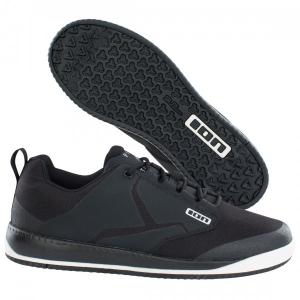
The uppers on ION road shoes use a combination of perforated synthetic leather and breathable mesh panels. That mix does two things well. On a humid August climb in the Surrey Hills, the mesh zones pull heat away from the foot and keep things from getting swampy inside. On a damp spring morning on gritty Cheshire lanes, the synthetic leather sections wipe down easily - a quick cloth after the ride and you're not carrying last week's road debris into the next one.
What synthetic leather also does, which matters more than people often acknowledge, is resist stretching under load. A soft, stretchy upper feels comfortable in the shop but can allow the foot to shift laterally when you're putting real watts through the pedals. ION's upper construction stays dimensionally stable, which keeps your foot in the position you dialled in at the start of the ride. That's not a small thing when you're two hours into a hard effort and your shoes are the only thing between you and the pedal.
The perforations are placed deliberately at the forefoot, where heat builds fastest, rather than distributed randomly for aesthetic reasons. It's a practical choice. Compared to something like Giro road shoes, which often use broader mesh panels, ION's approach is more conservative but arguably more durable over time.
Fit Profile, Sole Stiffness, and the Dial System
Fit is where road shoes either earn your loyalty or end up listed second-hand after three rides. ION road shoes run with a reasonably standard last - not as narrow as some Italian-heritage options, not as roomy as a dedicated touring shoe. The toe box has enough volume to avoid that pinched, numb feeling on long rides, and the arch support is present without being aggressive. Riders with a higher instep will want to check the specific model's instep volume before committing; it varies across the range.
Sole stiffness is the other variable that separates road shoes from everything else. ION offers models across a stiffness spectrum - entry-level options use a stiff composite outsole that handles most riders and most efforts well, while the higher-end models step up to a full carbon composite sole. The difference is tangible. A stiffer sole means more of your pedalling effort reaches the pedal rather than being absorbed by the shoe flexing. For riders doing structured interval sessions or racing, that carbon composite sole is worth the attention. For long-distance sportive riders, the composite option is often the more comfortable choice over five or six hours.
The micro-adjustable BOA dial closure is one of the genuinely useful pieces of technology in modern road shoes. You can tighten or loosen the fit in tiny increments without stopping, which matters when your feet expand over the course of a long ride. The dial sits at the instep, so adjustments affect the part of the foot where fit issues most commonly arise. It's a more precise system than a single velcro strap, and it's faster to release in a hurry. If you're comparing this to Shimano road shoes or Fizik road shoes, the dial closure mechanism is broadly comparable at similar price points - what differs is the last shape and upper construction.
The heel cup deserves a mention too. ION's ergonomic heel cup wraps firmly around the back of the foot, which prevents the micro-movement that causes hot spots and blisters on longer rides. Out of the saddle on a steep pitch, a secure heel cup is the difference between feeling planted and feeling like your foot is floating in the shoe.
Pairing, Care, and Getting the Most from UK Conditions
British roads don't respect your kit. A road shoe that looks clean in September will have seen mud, standing water, road salt, and grit by November. The synthetic uppers on ION road shoes handle that reasonably well, but a bit of basic maintenance goes a long way. After a wet or dirty ride, wipe the uppers down with a damp cloth and mild soap - avoid anything solvent-based, which can break down the bonding on the upper panels over time. Don't soak them.
The BOA dial mechanism is where most riders fall down on maintenance. Grit works its way into the dial housing and, if left, starts to compromise the smooth micro-adjustment that makes the system worth having. A soft dry brush around the dial and cable exit points after a gritty ride keeps everything moving cleanly. It takes thirty seconds. The dials themselves are replaceable if one does eventually fail - ION and BOA both offer replacement units, which extends the lifespan of the shoe considerably.
For shoulder-season riding, a neoprene overshoe over an ION road shoe works well. The fit is snug enough that most standard overshoes sit properly without bunching. If you're planning to ride regularly in October and November with thicker merino socks, it's worth factoring that into your sizing - the toe box has some volume, but not unlimited room. If you're between sizes and riding into colder months, sizing up half a size is a reasonable call.
Post-ride, if you're heading straight for coffee or a casual spin to the café, ION trousers and ION shirts are worth pairing up - the brand's off-bike range carries the same functional, low-fuss approach as their footwear. And if you're looking at alternatives in the road shoe market, Specialized road shoes offer a different fit profile that suits narrower feet particularly well - useful context if the ION last doesn't quite work for you.
Ion Road Shoes FAQs
Are ION road shoes true to size?
Generally yes - ION road shoes follow a standard fit. If you have wider feet or plan to wear thicker socks through the colder months, going half a size up is sensible. Always cross-reference with the CM measurements on the size chart rather than relying on your usual shoe size alone.
What cleats are compatible with ION road shoes?
ION road shoes use a standard 3-bolt cleat pattern, so they work with all major road pedal systems - Shimano SPD-SL, Look Keo, and Time Xpresso included. No adapters needed. Check your specific model's sole to confirm bolt spacing if you're running a less common pedal system.
How do I clean the dials and uppers after a wet ride?
Wipe the synthetic uppers with a damp cloth and mild soap - avoid harsh degreasers. For the BOA dial, use a soft dry brush to clear grit from around the mechanism and cable exits. Keeping the dial clear of debris ensures smooth micro-adjustment and prevents premature wear on the closure system.