
Gt Bicycles Hybrid Bikes
GT Hybrid Bikes carry a reputation built on decades of BMX and mountain bike engineering - and that toughness transfers directly to the daily commute. Where some hybrid brands prioritise looking the part, GT prioritises structural integrity, and you feel that difference the first time you clip a kerb or bounce through a potholed rat run on the way to the station.
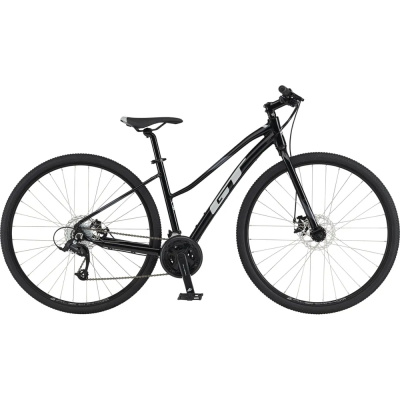
The range splits into two clear personalities. The GT Transeo leans into fitness and efficiency - suspension fork, more aggressive riding position, and a drivetrain that keeps pace on faster mixed-surface routes. The GT Nomad is the unhurried counterpart: relaxed geometry, wide tyres, swept-back bars, and a ride character that makes canal towpaths genuinely enjoyable rather than something to survive.
Across both families, the signature Triple Triangle frame design does real work. It's not just a visual flourish - those floating seat stays are there to take the edge off rough tarmac without bolting on extra weight or complexity. For UK riders dealing with broken city roads and changeable conditions, that matters. Solid rack and fender mounts mean you can set these bikes up properly for year-round use, not just dry-day rides.
Prices and availability can change quickly. Delivery charges are not always included in listed prices.
Final price, stock status and delivery terms are set by retailer. We may receive a commission on purchases made.
Decoding the GT Hybrid Lineup
GT keeps the hybrid range focused rather than sprawling, which makes picking your bike considerably less stressful. The two main families are the Transeo and the Nomad, and they serve genuinely different riders.
The Transeo is the fitness-forward option. It runs a suspension fork to take the sting out of broken tarmac, sits you in a more active riding position, and is built around 700c wheels for efficient rolling. It's the bike for riders who want to make decent time on a longer commute or push it on a weekend towpath loop without feeling like they're fighting the bike. The Nomad flips those priorities: rigid fork, high-volume tyres, commuter geometry that keeps you upright and relaxed, and a character better suited to pottering than pace-chasing.
Within each family, trim levels follow a familiar Comp-to-Elite pattern. Moving up the range typically gets you hydraulic disc brakes over mechanical units - a meaningful upgrade in wet weather, where mechanical discs can feel vague before they bite. Higher trims also bring wider-range Shimano drivetrains, which is worth having if your route involves any meaningful climbing. The 6061 alloy frame spec stays consistent across the range; GT doesn't water that down at lower price points.
If you're weighing GT against alternatives, Cannondale hybrid bikes and Giant hybrid bikes occupy similar ground - both offer solid alloy builds with disc brakes - but GT's frame geometry tends to suit riders who want something that feels more planted on rough surfaces rather than pared-back and racy.
The GT Triple Triangle: What It Actually Does
Every GT frame carries the Triple Triangle design, and it's worth understanding why rather than treating it as badge dressing. The concept dates back to GT's BMX roots, where frame stiffness under load was non-negotiable. The idea is straightforward: by triangulating the rear end into two distinct triangles rather than one, you distribute stress more effectively across the frame.
On modern GT hybrids, the iteration that matters is the floating seat stay configuration. Instead of the seat stays meeting the seat tube at the conventional junction, they bypass it and weld directly to the top tube. That bypass creates a small amount of independent flex in the rear triangle - passive vertical compliance, essentially. It's not dramatic movement; you won't mistake it for a full rear suspension setup. But on a long commute over rough London streets or a grinding ride along a gritty northern towpath, that micro-suspension quality reduces the cumulative fatigue that stiff, unyielding frames build up over miles.
The practical appeal is that you get a degree of comfort without adding the weight, mechanical complexity, or maintenance demands of a rear shock. A rear shock on a commuter bike means seals to service and pivot bearings to replace. Floating seat stays just work, quietly, every ride. For a 6061 T6 aluminum frame category where some competitors produce chassis that feel like riding a tuning fork, GT's approach is a considered one.
Running a GT Hybrid Day-to-Day in the UK
Practicality is where GT hybrids hold up well for British conditions. Both the Transeo and Nomad are specced with rack and fender mounts built into the frame - proper eyelets, not afterthoughts. That means fitting a set of full-length mudguards for autumn riding is straightforward, and adding a rear pannier rack for the commute won't require any bodging. Given the state of UK weather for roughly eight months of the year, that's not a minor detail.
The suspension fork on the Transeo does add weight compared to a rigid setup, and if your commute is mostly smooth tarmac, you might find yourself wishing you had those grams back. That said, on anything resembling a potholed urban road or a rougher canal path, the fork earns its keep. It's a trade-off worth making for most mixed-surface UK commutes rather than a pure road slog.
One genuinely useful habit: keep a spare GT derailleur hanger tucked in your saddlebag. Crowded station bike racks have a habit of bending hangers when bikes get knocked about, and it's a cheap fix that turns a stranded commute into a five-minute roadside repair. GT hangers are model-specific, so having the right one already with you is the kind of prep that pays off.
The disc brakes across the range - hydraulic on upper trims, mechanical lower down - are genuinely reassuring in wet conditions. British autumn riding tests brakes hard; canal paths in particular get muddy and slippery, and having consistent stopping power regardless of rim condition is something you notice and appreciate. If you're comparing at the budget end of the range, Carrera hybrid bikes and Boardman hybrid bikes are worth a look as alternatives, though both take different approaches to geometry and component specification.
On fit: GT hybrid geometry runs fairly true to size, with a slightly more upright stance than a dedicated fitness bike. If you're between sizes, the longer reach of the Transeo makes sizing down more forgiving than sizing up. The Nomad's relaxed position suits riders who want comfort over the first five miles rather than efficiency over twenty.
Gt Bicycles Hybrid Bikes FAQs
Are GT hybrid bikes good for commuting?
Yes, solidly. The GT Transeo in particular is set up well for daily use - upright geometry, rack and fender mounts for carrying kit and keeping the spray off, and disc brakes that stay reliable in wet conditions. The robust 6061 alloy frame handles the kind of knocks that come with locking up at busy station racks without drama.
What is the difference between the GT Transeo and GT Nomad?
The Transeo is the more performance-oriented of the two - suspension fork, active riding position, and 700c wheels geared toward faster commutes and mixed-surface riding. The Nomad prioritises comfort: rigid fork, swept-back handlebars, wider tyres, and a more relaxed geometry that suits riders who want a steady, unhurried ride rather than chasing the clock.
Why do GT bikes have a Triple Triangle?
The Triple Triangle is GT's structural frame signature, originally developed for BMX rigidity. On modern hybrids, the key detail is the floating seat stays - they bypass the seat tube and attach to the top tube instead, which allows a small amount of vertical flex in the rear end. That flex quietly absorbs road chatter and reduces fatigue on rough surfaces without adding any moving parts.