
Gonso Trousers
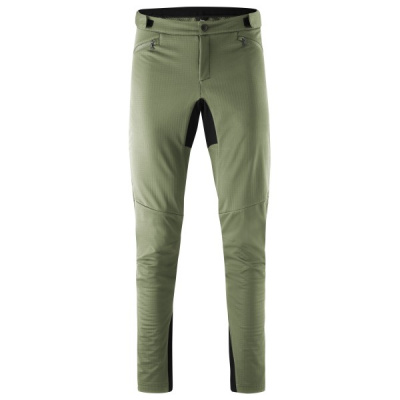
Gonso cycling trousers have been doing something that most legwear still struggles with: combining a genuinely cycling-specific cut with fabrics that deal with real weather rather than just looking the part. Gonso has spent decades refining fit and comfort in cycling clothing, and that focus shows in how these trousers move. The 4-way stretch fabrics flex with your pedal stroke rather than fighting it, so you get the freedom of movement you'd expect from a tight without the self-consciousness of wearing one on the high street.
For UK riders, that versatility matters. Whether you're rolling through a damp Tuesday commute, bagging miles on a windswept A-road, or picking lines on a muddy trail, these are dedicated cycling trousers built for the job - not repurposed hiking gear with a reflective tab added as an afterthought. Softshell construction keeps biting headwinds out on exposed stretches, PFC-free DWR coatings handle the drizzle that appears from nowhere, and articulated knees stop fabric bunching mid-stroke. The reflective detailing earns its place on dark winter mornings too. If you want legwear that works across commuting, touring, and trail riding without demanding a change of context, Gonso is worth a close look.
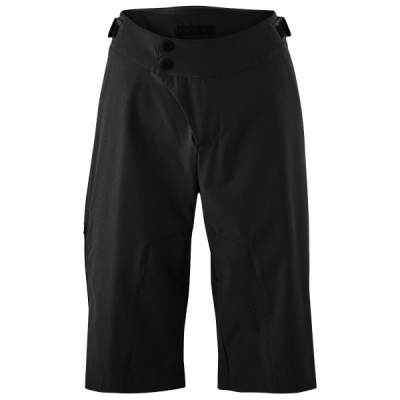
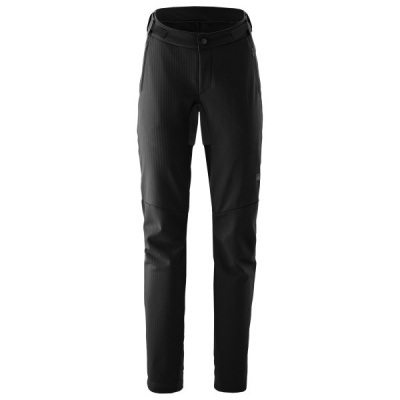
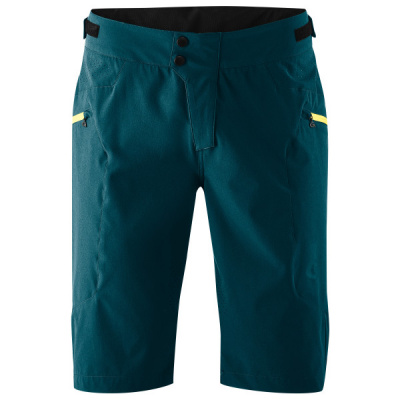
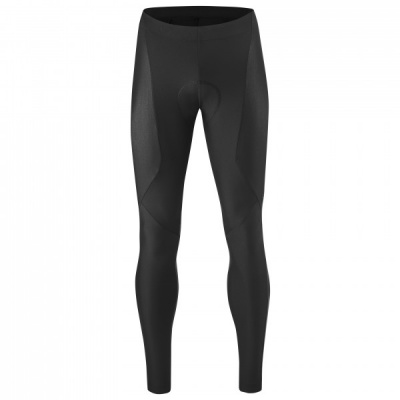
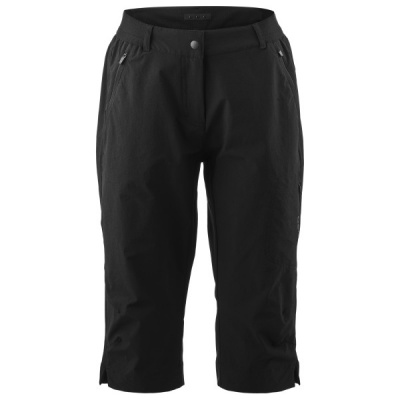
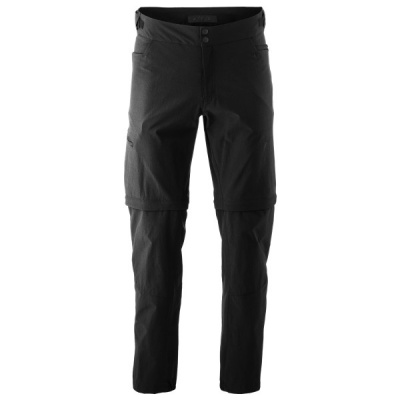
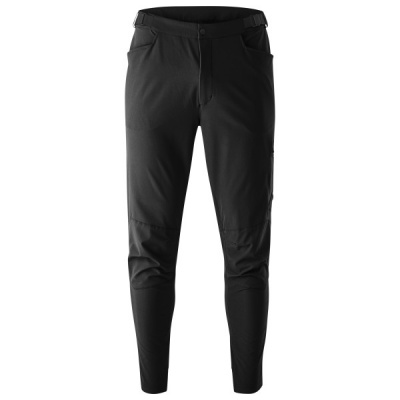
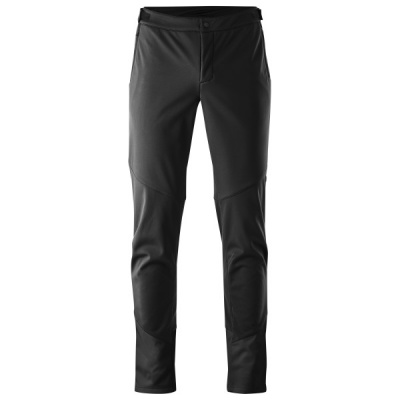
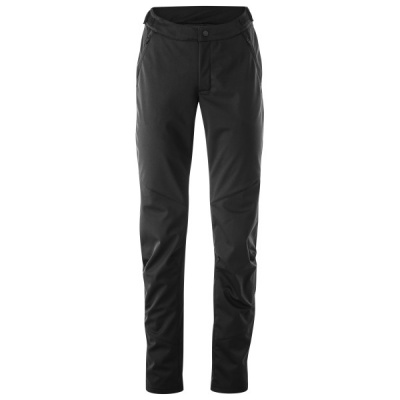
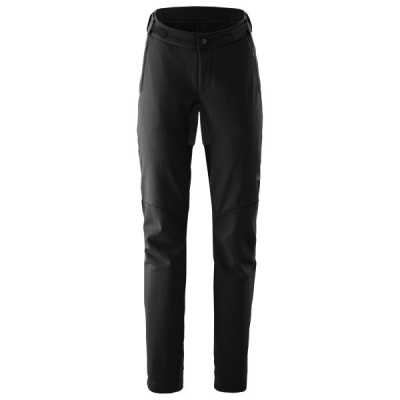
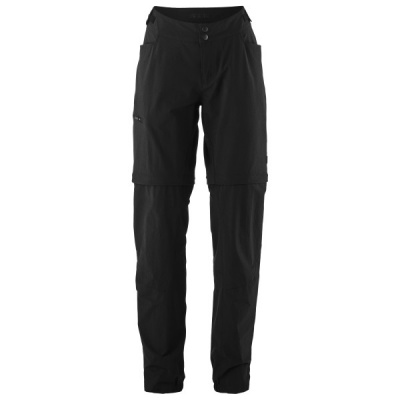
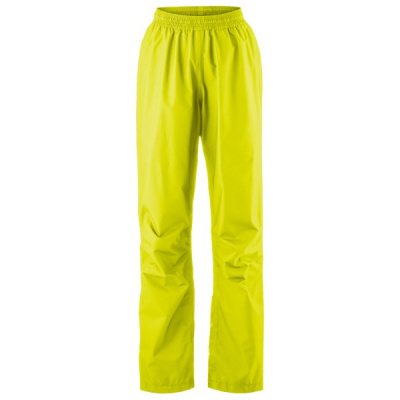
Prices and availability can change quickly. Delivery charges are not always included in listed prices.
Final price, stock status and delivery terms are set by retailer. We may receive a commission on purchases made.
Fabric Tech and Weather Performance
Gonso leans heavily on softshell fabric construction, and it's a sensible call for UK conditions. Softshell sits in a useful middle ground - it's windproof enough to block the kind of cutting headwind you get crossing an exposed viaduct in January, yet breathable enough that you're not cooking on a steady climb. Full waterproofs can feel like riding inside a crisp packet; softshell avoids that entirely, at the cost of not being seam-sealed against sustained heavy rain.
The PFC-free DWR coating handles the everyday stuff well - road spray, light showers, that persistent damp that never quite turns into proper rain. PFC-free formulations matter because older fluorocarbon-based treatments, while effective, carry a significant environmental cost. Gonso's move to PFC-free chemistry keeps performance credible without the ecological baggage. Worth knowing: DWR does degrade with washing, but it's easily refreshed with a tumble dryer cycle or a spray-on DWR product after a few muddy outings.
For trail riding, the more robust models use abrasion-resistant ripstop fabrics that can take a bramble catch or a low-speed slide without immediately showing the damage. Urban and commuter-focused trousers tend to use lighter, more packable stretch fabrics - you lose some toughness but gain a trimmer profile and easier movement in traffic. The reflective detailing on commuter models is practical rather than decorative; positioned to catch headlights from the side as well as behind.
If Gonso's softshell approach isn't quite waterproof enough for your commute, Endura trousers and Madison trousers both offer more heavily weather-proofed options worth comparing, as does the Altura trouser range for commuter-specific builds.
How the Fit Works Across the Range
The defining feature of Gonso's cut is the articulated knee - the fabric is pre-shaped to match a bent leg rather than a straight one. It sounds like a small detail until you've worn trousers that aren't built this way and felt the fabric pull tight across the kneecap every time your leg comes up. Articulated knees keep the fit consistent through the full pedal stroke. Pair that with a higher rear waistband, and you've got a trouser that doesn't gap at the back every time you lean forward on the bars. No cold strip of lower back on a frosty morning.
The adjustable waistband is genuinely useful here, not just a token feature. Cycling trousers need to sit securely at the hip without restriction around the belly when you're hunched over the bars, and a fixed waistband rarely nails both simultaneously. The adjustment lets you dial that in properly.
Within the range, there's a meaningful split between relaxed trail fits and tapered commuter profiles. Trail-fit trousers give you more room around the thigh and knee - useful when you're throwing a leg over a saddle or scrambling up a rocky bit on foot - while commuter cuts sit closer to the leg and look more considered off the bike. Neither is wrong; it's about where most of your riding happens.
A quick signpost on what these trousers aren't: if you need fully seam-sealed protection for riding through sustained downpours, you want our Gonso overtrousers page instead. And if your riding is primarily road-based and aerodynamics matter, the Gonso regular tights or Gonso bib tights are the right starting point.
Layering, Padding, and Keeping Them Working
Most Gonso cycling trousers are sold without a chamois, which is actually the more flexible approach. Wearing them over your own Gonso liner shorts means you can match the padding level to the ride - a well-padded liner for a three-hour road loop, a lighter one for a short commute, or none at all for running an errand. It also means washing is simpler: liner shorts can go in on a standard cycle without risk, while the softshell outer gets treated differently.
Softshell fabrics need a bit more care than a standard jersey. Machine wash on a cool, gentle cycle, skip the fabric softener (it clogs the DWR coating), and where possible, tumble dry on low rather than hang drying - the heat reactivates the DWR treatment. If beading starts to flatten out after repeated washes, a dedicated DWR re-proofer spray applied after washing and then heat-activated brings it back. It's a five-minute job that adds months of useful life.
For layering on colder rides, a decent Gonso base layer underneath handles the moisture management, so the softshell outer isn't trying to do everything at once. On longer winter days, combining the trousers with a Gonso jacket that uses compatible fabrics keeps the overall system coherent - stretch panels and DWR treatments working together rather than against each other.
Check the ankle fit before your first ride too. Some models have ankle zips or velcro tabs to narrow the hem around the shoe; worth using if you're riding without overshoes to stop the cuff catching a chainring.
Gonso Trousers FAQs
Are Gonso cycling trousers waterproof?
Not fully waterproof, no. Most Gonso cycling trousers carry a PFC-free DWR coating that handles light rain and road spray without issue. In sustained heavy rain, the fabric will eventually wet through - for that, you want seam-sealed overtrousers worn on top. For most UK drizzle and commuting conditions, the DWR holds up well enough on its own.
Do Gonso cycling trousers come with a padded liner?
Most models don't include a chamois - they're cut to be worn comfortably over your own padded liner shorts, which gives you more flexibility around padding choice and makes washing easier. A small number of specific models do include a removable liner, so check individual product listings if that matters to you.
How do Gonso cycling trousers fit?
They're cut specifically for time on the bike - articulated knees, a raised rear waistband, and an adjustable waist to fine-tune the fit. Generally true to size, with the range splitting between relaxed trail fits (more room around the thigh and knee) and tapered commuter profiles. If you're between sizes, go up rather than down for comfort on longer rides.