
Gaerne MTB & Gravel Shoes
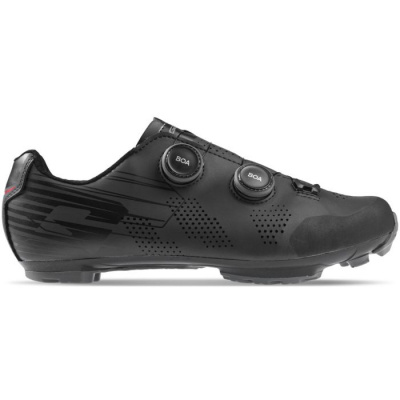
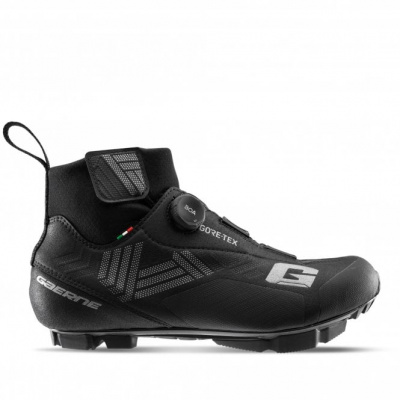
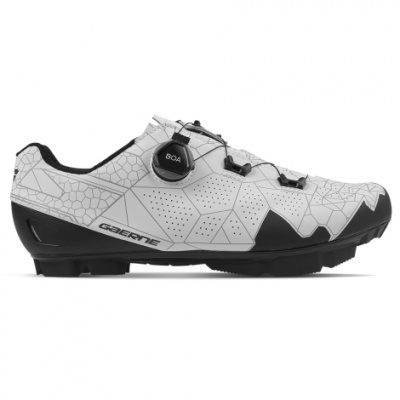
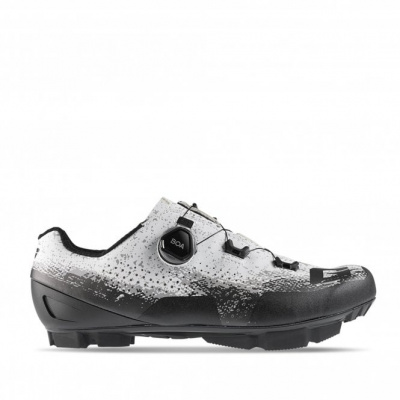
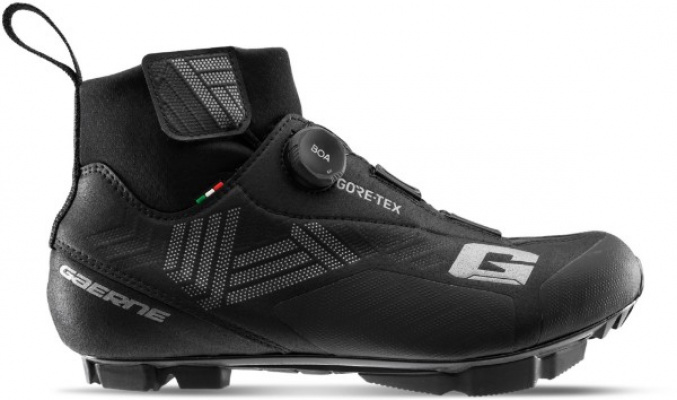
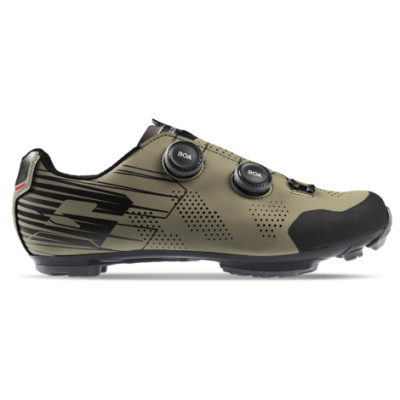
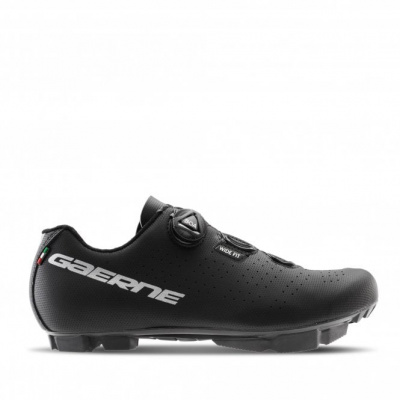
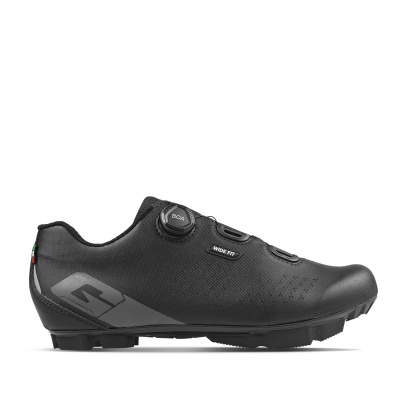
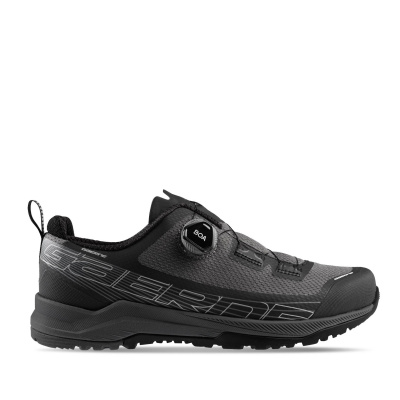
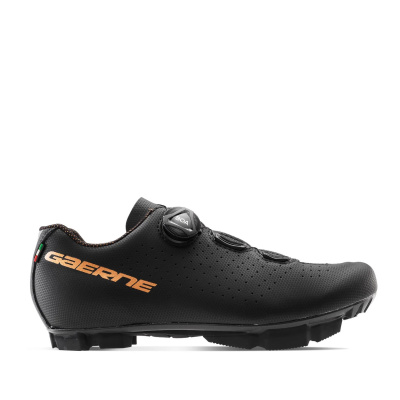
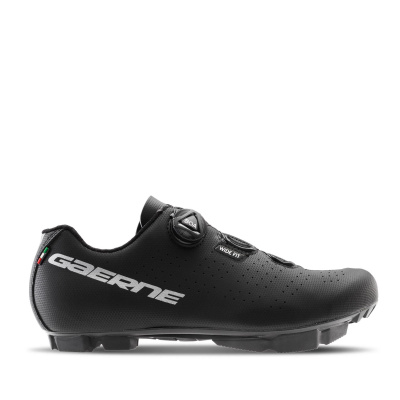
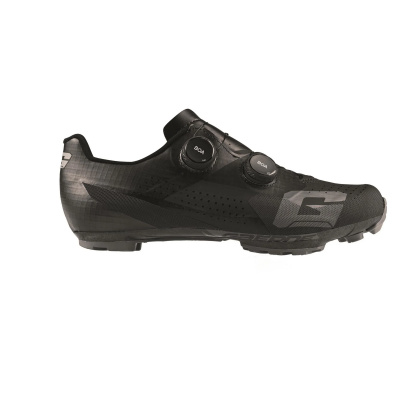
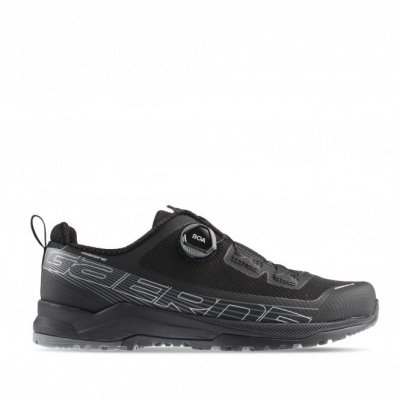
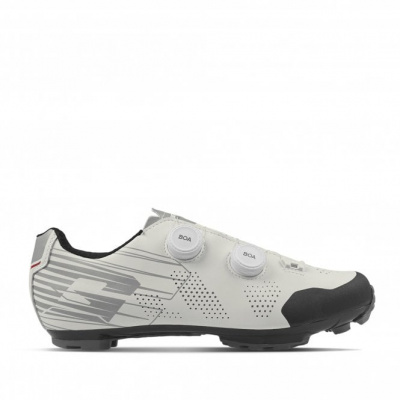
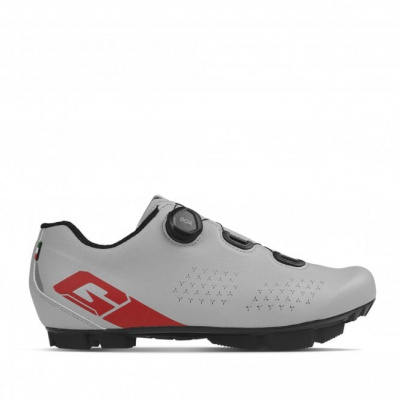
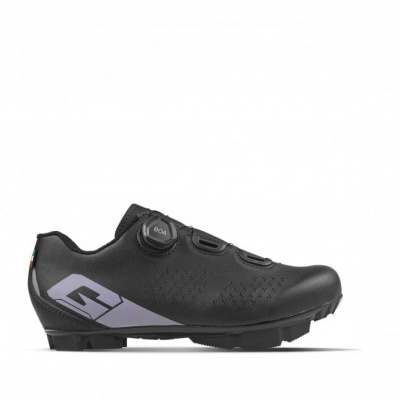
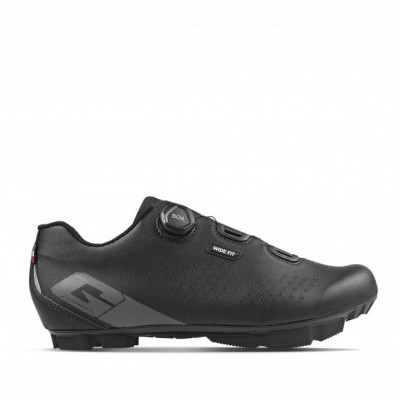
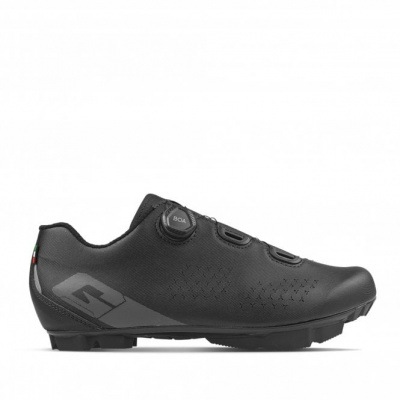
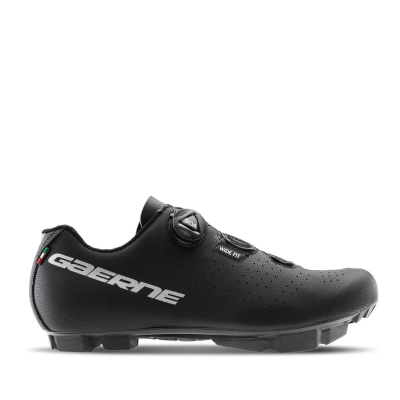
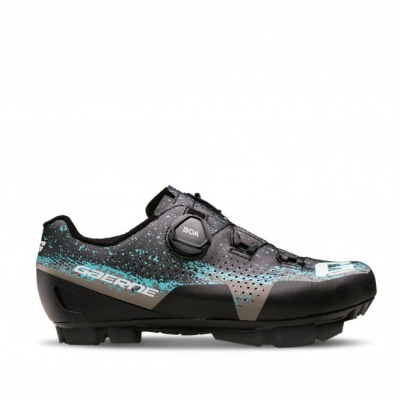
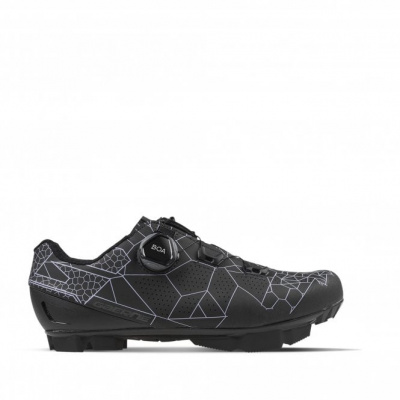
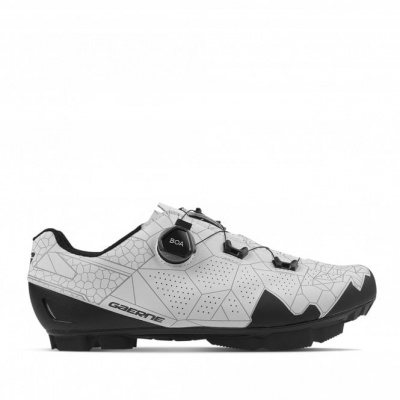
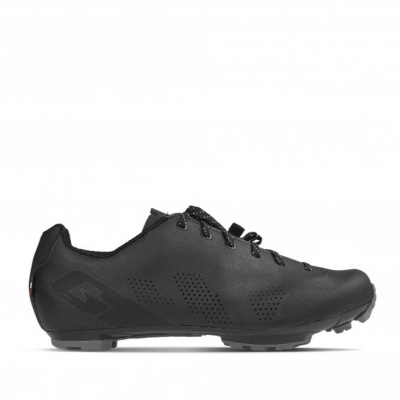
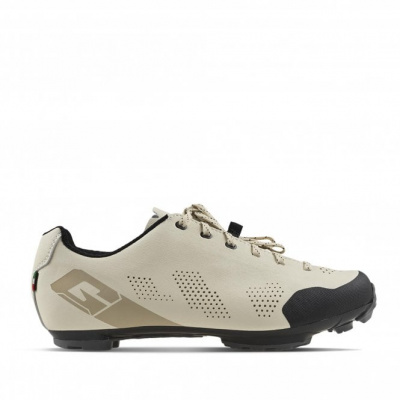
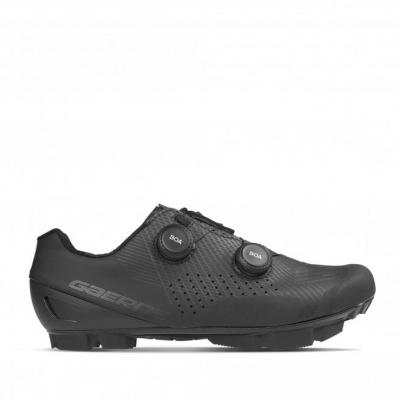
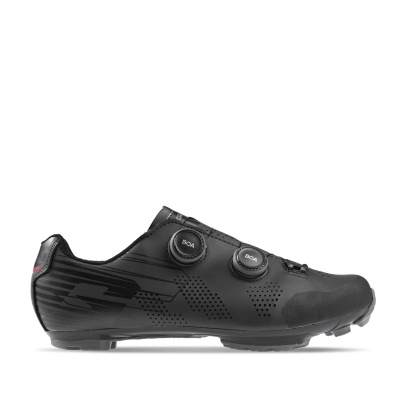
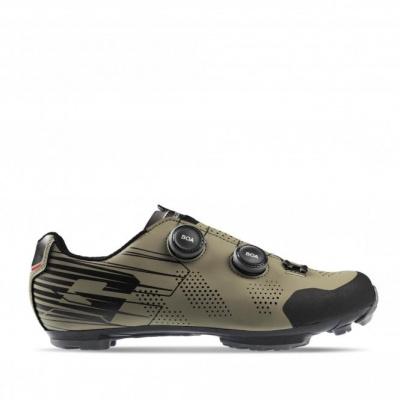
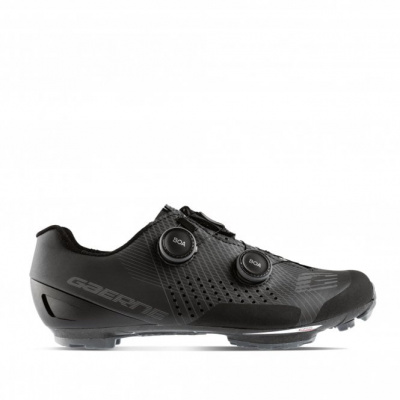
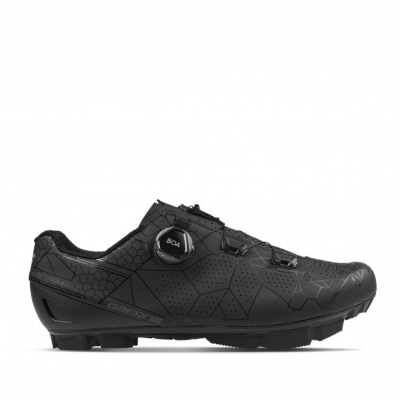
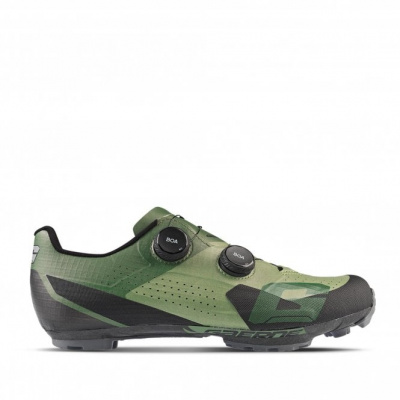
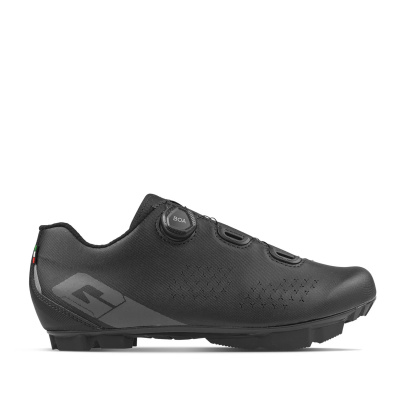
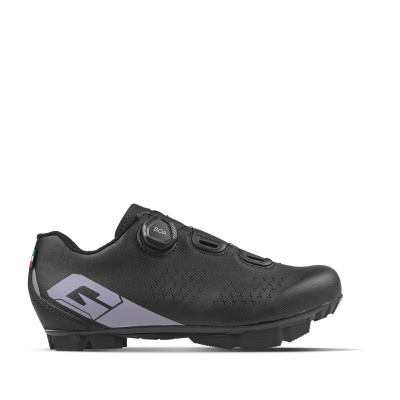
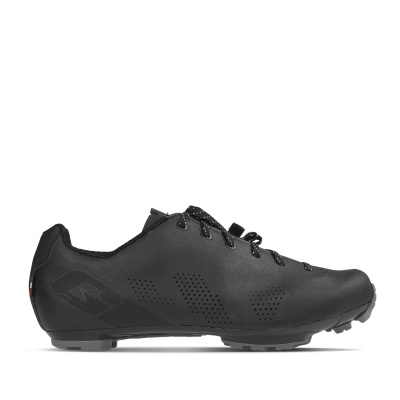
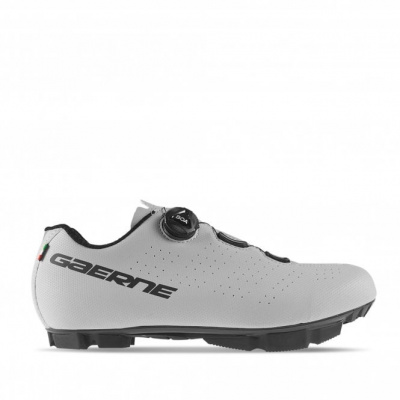
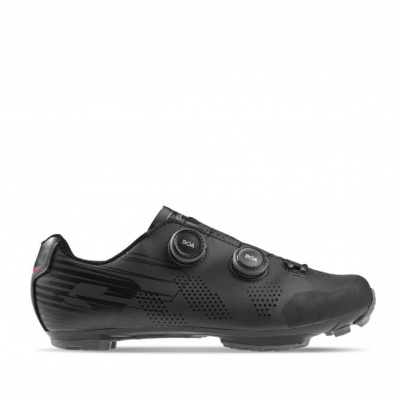
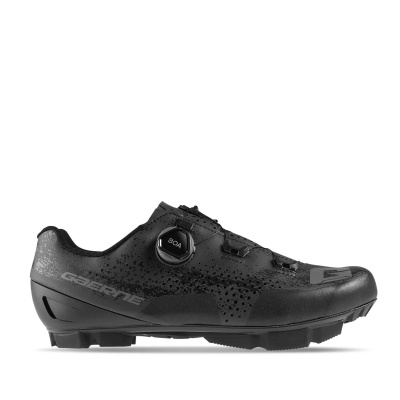
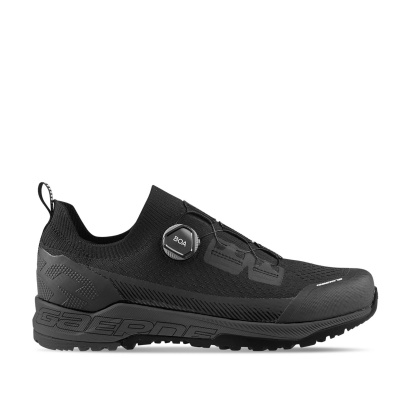
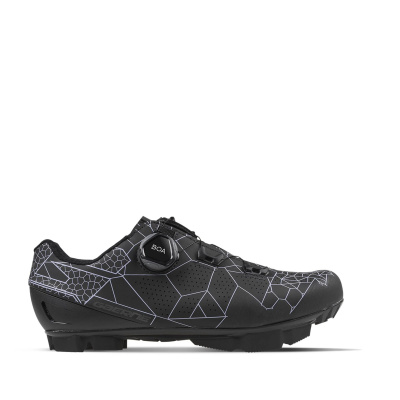
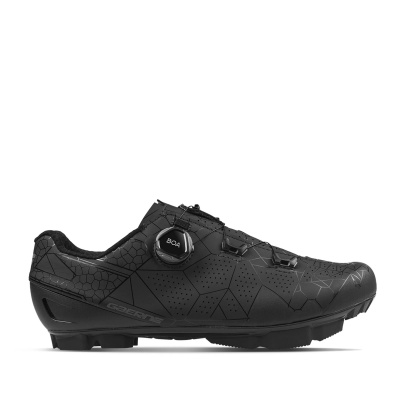
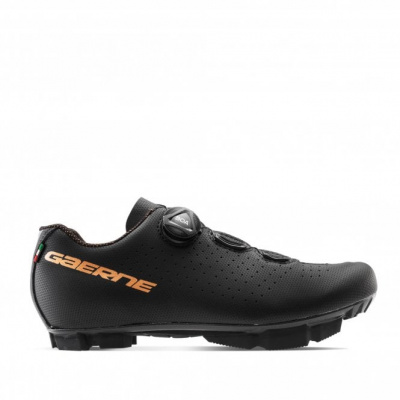
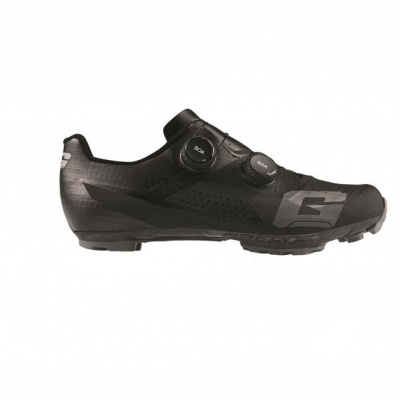
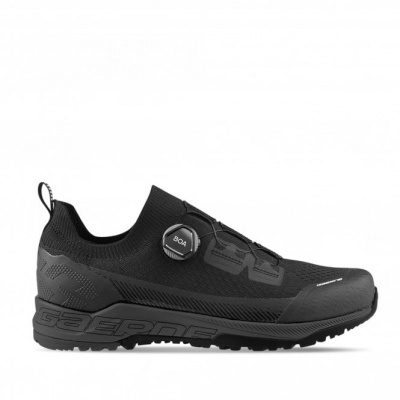
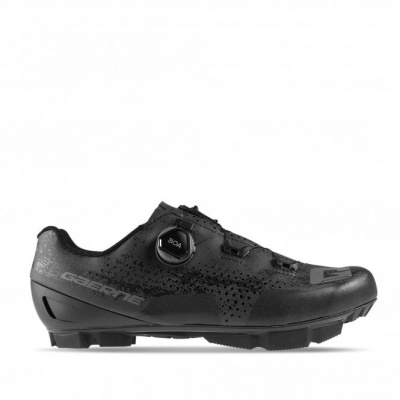
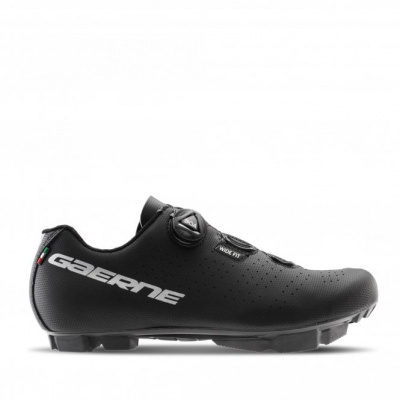
Gaerne MTB & Gravel Shoes are made in Italy the old way - hand-lasted, carefully assembled, and built to last longer than the enthusiasm of a January training plan. What sets them apart from the crowd isn't marketing copy; it's the tangible stuff. Soles built around an EPS Light Weight Carbon Fiber MTB construction that transfers every watt into the cranks without the spongy give you get from cheaper nylon bases. Michelin rubber tread patterns engineered specifically for cycling - not just borrowed from a boot catalogue - so the grip on wet Pennine rock or slick bridleway clay is real, not optimistic. For winter, the G.Ice Storm range brings Gore-Tex membranes that handle persistent British wet without turning your feet into cold sponges. Closure is handled by BOA Fit System dials - either Li2 or L6 depending on the model - giving you precise, micro-adjustable tension mid-ride without stopping to fuss with buckles. Whether you're racing XC, piecing together a gravel bikepacking loop through the Brecon Beacons, or just trying to survive a soggy December trail ride, there's a Gaerne off-road shoe that fits the brief. The range runs from featherlight summer racing shoes to fully waterproofed winter boots. Worth a proper look.
Prices and availability can change quickly. Delivery charges are not always included in listed prices.
Final price, stock status and delivery terms are set by retailer. We may receive a commission on purchases made.
Upper Materials & Sole Tech: Built for the Elements
The foundation of any off-road shoe is the sole, and Gaerne's use of the EPS Light Weight Carbon Fiber MTB sole is where the range earns its credibility. Carbon soles have a stiffness index that matters practically - the stiffer the platform, the more of your pedalling effort goes directly into the drivetrain rather than being absorbed by flex. On a steep, loose Peak District climb where every pedal stroke counts, that stiffness is the difference between spinning out and getting over the top cleanly. Gaerne grades their soles across models, so you can match the stiffness level to your riding style rather than defaulting to one-size-fits-all.
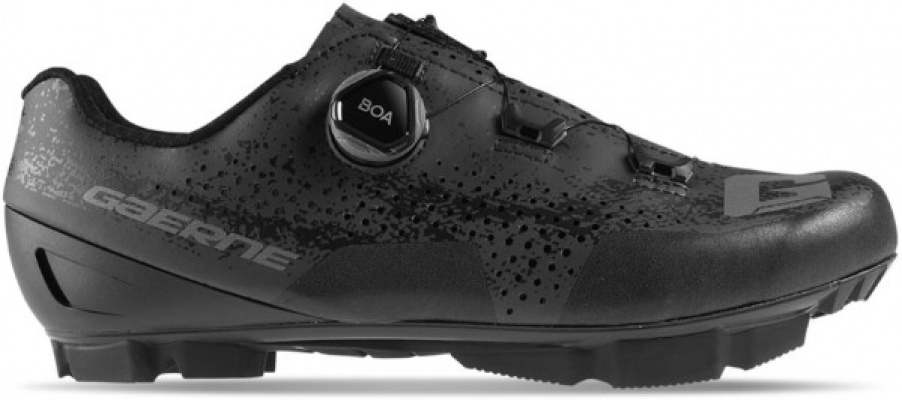
The Michelin rubber tread deserves its own mention. Michelin designs these compounds specifically for cycling applications, which means the lug pattern and rubber hardness are optimised for mud clearance and re-grip rather than just looking aggressive. On wet roots or the kind of greasy clay you find on Surrey bridleways after rain, the difference versus a generic rubber outsole is noticeable. The tread clears quickly too - important on hike-a-bike sections where clogged soles become slippery soles.
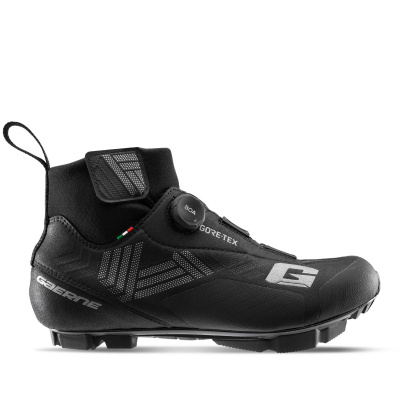
For winter, the G.Ice Storm models integrate a Gore-Tex membrane into the upper construction. Gore-Tex works here the same way it does in your best waterproof jacket - wind and water stay out, and there's enough breathability to stop your feet cooking on a hard effort. If you've ever spent the back half of a winter ride with soaked feet because a cheaper shoe gave up in the first puddle, you'll understand why this matters. The G.Ice Storm range is genuinely suited to the kind of persistent, sideways-rain riding that defines a Scottish or Welsh winter. Compare this approach to Lake MTB & Gravel Shoes, which also prioritise winter protection but tend toward a wider, more cushioned fit profile.
Synthetic and microfibre uppers on the non-Gore-Tex models keep weight down and dry faster than leather equivalents - useful when you're not doing full winter kit but still hitting damp trails. They're also easier to clean, which matters when you're back in the car park trying to get the worst of the mud off before the drive home.
Understanding the Gaerne Fit & Range
Gaerne shoes come from an Italian last tradition, which means the fit is typically slightly narrower through the midfoot and toe box than, say, a Giro or Northwave equivalent. It's not extreme, but if you have a broader foot you'll want to factor that in. The good news is that the TSS (Tarsal Support System) does serious work here - it's a structured heel cup design that locks your heel in place, reducing the micro-movement that causes hot spots and blisters on longer rides. Combine that with dual BOA L6 dials on the higher-spec models and you get a genuinely micro-adjustable fit. You can tension the forefoot and midfoot independently, which is something you appreciate on a long gravel day when your feet swell slightly in the afternoon heat.
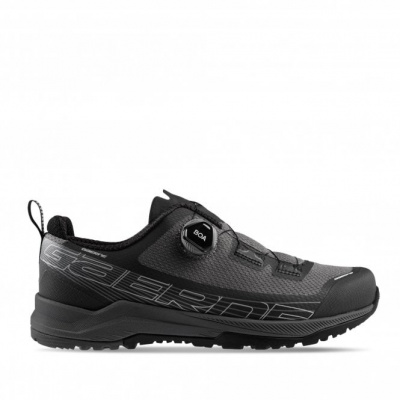
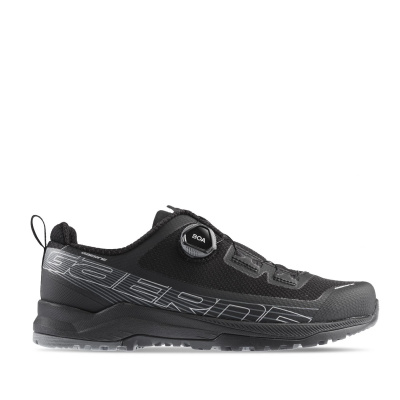
The product range splits fairly cleanly between race-focused MTB shoes and gravel-oriented models. The MTB end of the range features the stiffest carbon soles and the most aggressive Michelin tread - these are shoes designed for getting on and off the bike quickly and putting maximum power down on SPD-compatible pedals. SPD compatible two-bolt cleat mounting is standard across the off-road range, as you'd expect. The gravel models dial back the sole stiffness slightly - not to the point of flex, but enough that walking between café stops or pushing through a hike-a-bike section feels less like shuffling on planks. The tread is also less aggressive, which suits mixed-surface riding where you're not always deep in the mud.
So the question is simple: are you racing or roaming? If you're lining up for a cross-country event, go stiff and aggressive. If you're loading a bikepacking rig for a multi-day gravel route, the more forgiving gravel models will serve your feet better over 60-mile days. Fizik MTB & Gravel Shoes and Giro MTB & Gravel Shoes offer similar range splits if you want a direct comparison at the point of purchase. Gaerne's edge tends to be the build quality and the specificity of the sole engineering. If you ride Gaerne road shoes already, you'll find the Gaerne Road Shoes range uses a comparable fit philosophy - useful context if you know your road size already.
Shoe Care & Winter Protection for UK Riding
A decent pair of off-road shoes will last years if you treat them reasonably well. The biggest mistake riders make is reaching for the pressure washer. High-pressure water forces grit directly into BOA L6 dial mechanisms, and once grit is in a BOA dial, it's grinding away at the ratchet every time you tension it. Use a soft brush and a bucket of water instead - get the Michelin tread clean, rinse the uppers, and work any mud out of the dial housing gently with a cloth.
Drying is where shoes take the most damage. Stuffing them with newspaper after a wet ride pulls moisture out of the lining without forcing the upper to distort. Keep them away from radiators - direct heat degrades both synthetic uppers and the bonding on carbon soles faster than any amount of trail use. Gore-Tex uppers are particularly worth protecting here; the membrane stays effective for much longer when it's not repeatedly cooked and cooled. Air drying at room temperature is the right call, even if it's slower.
For the BOA dials specifically, a tiny amount of dry lube in the mechanism once or twice a season keeps things running smoothly. If a dial ever stops ratcheting cleanly, BOA's replacement programme covers most models - worth knowing before you bin a perfectly good shoe over a fixable closure issue. Treat them properly and a pair of Gaerne Gaerne off-road cycling shoes should realistically see three or four seasons of hard use before they need replacing. That's decent value when you amortise it across the mileage. If you're building out a full kit, Gaerne's broader range - including Northwave MTB & Gravel Shoes for comparison - is worth browsing alongside.
Gaerne MTB & Gravel Shoes FAQs
Are Gaerne MTB shoes true to size?
Generally yes - Gaerne shoes run true to length, but the Italian last is slightly narrower through the toe box than many riders expect. If you have wider feet or plan to wear thick winter socks, go half a size up. The TSS heel cup and BOA dials help fine-tune the fit once you're on the bike, but getting the length right from the off matters.
What is the difference between Gaerne MTB and gravel shoes?
Gaerne's MTB shoes use stiffer carbon soles and more aggressive Michelin rubber lugs - optimised for power transfer and mud clearance in cross-country or trail riding. Their gravel models soften the stiffness index slightly and use a less aggressive tread, making them more practical for mixed surfaces and long days where you're on and off the bike regularly.
How do you clean Gaerne off-road cycling shoes?
Avoid the pressure washer - it forces grit into the BOA dial mechanism. Use a soft brush and clean water to shift mud from the Michelin tread and uppers. Stuff with newspaper and air dry at room temperature, away from radiators. A drop of dry lube in the BOA dials once or twice a season keeps the closure running cleanly for much longer.