
G Form Trousers
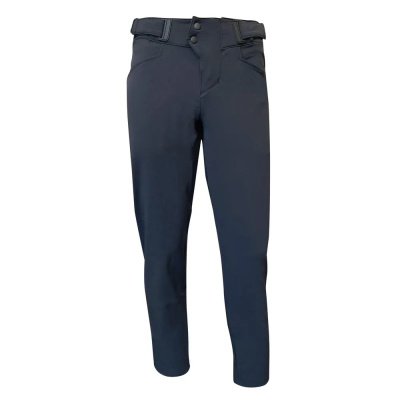
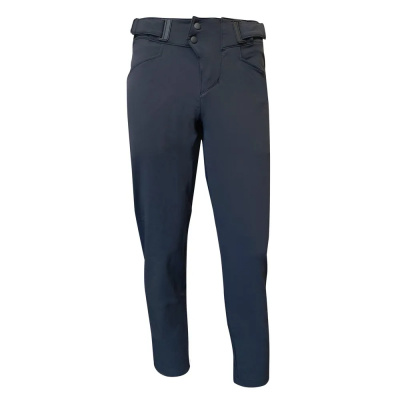
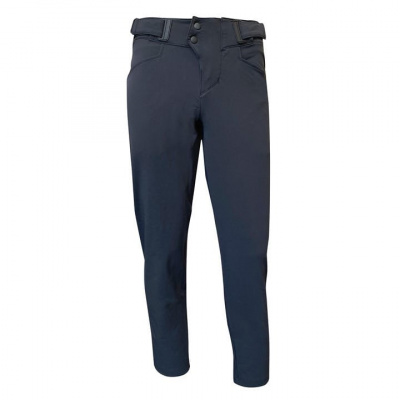
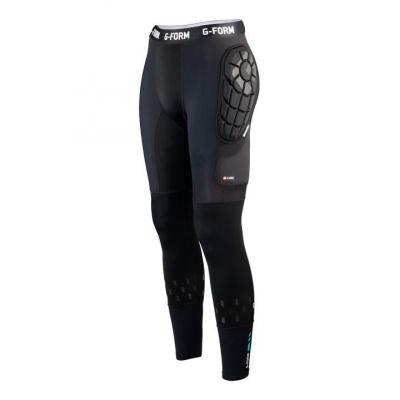
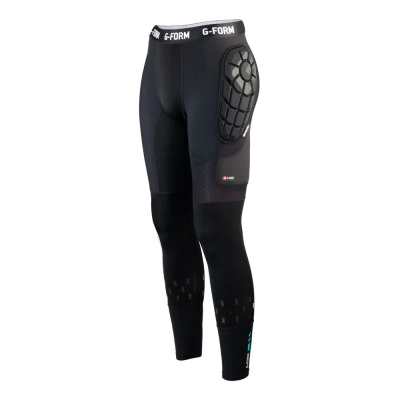
G-Form cycling trousers sit at a genuinely interesting crossroads: proper crash-ready protection that doesn't punish you on the pedals. Whether you're threading tight singletrack on the South Downs or committing to steeper lines in the Tweed Valley, G-Form has built its legwear range around the idea that mobility and impact protection shouldn't be a forced choice. At the core of that thinking is SmartFlex™ technology - padding that stays pliable and low-profile while you're riding, then stiffens on impact to absorb the energy that would otherwise go through your hip, tailbone, or knee. It's a clever bit of materials science, and it means these trousers don't carry the bulk you'd associate with traditional armour. The fabrics are 4-way stretch woven constructions that follow your legs through every pedal stroke and corner without binding at the knee. A DWR coating keeps trail spray and light Welsh drizzle from soaking in and dragging you down mid-ride. Some models integrate SmartFlex padding directly; others are cut as clean shells designed to sit neatly over your existing guards. Either way, G-Form MTB trousers are a considered option if you want enduro-capable protection without wearing what feels like a suit of armour.
Prices and availability can change quickly. Delivery charges are not always included in listed prices.
Final price, stock status and delivery terms are set by retailer. We may receive a commission on purchases made.
Fabric Tech and Weather Performance
The 4-way stretch woven fabric G-Form uses across its trouser range is doing real work here. It stretches fore-to-aft and side-to-side, so when you're grinding up a steep Peaks climb with your knees pushed wide, the fabric moves with you rather than fighting you. That might sound like basic product-speak, but if you've ever worn stiff trail trousers that lock up mid-pedal stroke, you'll know exactly what a difference the right fabric construction makes.
The DWR (Durable Water Repellent) finish is worth understanding clearly. These trousers are not waterproof - there's no membrane - but the DWR treatment causes water to bead and roll off the face fabric rather than soaking straight through. In practice, that covers the typical UK scenario: trail spray, a quick shower, the usual damp forestry-road slop. Extended rain on an exposed Lake District ridge will eventually wet them out, but for most three-season riding the DWR does its job. The trade-off is breathability: without a membrane blocking airflow, these trousers breathe far better than waterproof options, which matters on any climb that gets your legs working hard.
Laser-cut ventilation panels - typically positioned on the inner thigh and back of the knee - give heat somewhere to go. It's a detail that pays off on humid summer days when the air barely moves in thick woodland. The venting is cut precisely enough that it doesn't compromise structural integrity or leave you exposed on a fast descent.
Fit, Range, and Choosing the Right Style
G-Form cuts its trail trousers with a tapered lower leg. That taper keeps excess fabric away from your chainring and crank arm - a genuine practical point, not just aesthetics - while leaving enough articulation at the knee that you're not fighting the fabric every time you drop into a steep chute. The knee area is specifically designed to accommodate SmartFlex pads underneath without creating a banded, restrictive feel. Worn with separate G-Form body armour, the fit stays clean and the protection sits where it should.
The range splits broadly into two camps. Some trousers feature integrated SmartFlex padding at the hips and tailbone - useful if you want a single-layer solution for trail days where full kneepads feel like overkill. Others are unpadded shells, cut generously enough to wear straight over your knee guards without the trouser pulling tight across the pad or bagging awkwardly below it. Check the product specs carefully: G-Form is upfront about which is which, and the right choice depends on how much protection you typically ride with.
If you're comparing G-Form against the rest of the market, Fox trousers and Endura trousers cover similar ground - Fox tends towards a roomier fit with more storage, while Endura leans into waterproofing for Scottish conditions. G-Form's distinction is the SmartFlex integration: the padding system is genuinely lower profile than most competitors' sewn-in foam options. Leatt trousers also compete in this space, particularly at the CE-certified protection end, so they're worth a look if certification level is a deciding factor for you.
One clear signpost worth making: if you're after form-fitting, CE certified legwear for road sportives or XC racing rather than trail riding, G-Form's Regular Tights are a separate category entirely and the better starting point for that use case.
Layering These Trousers for Winter Riding
Come November, a single layer rarely cuts it in the UK. The approach that works well is pairing G-Form trail trousers over G-Form Liner Shorts - the liner handles the chamois comfort and adds hip and tailbone SmartFlex coverage that a plain shell trouser won't give you on its own. It's a combination that makes a real difference on long winter enduro sessions where you're spending time in the saddle as well as on the descents. The outer trouser's DWR then deals with the mud and grit, and the liner stays dry and functional underneath.
On warmer days, the same trousers work fine as a standalone over your usual padded shorts. That versatility across seasons is one of the practical strengths of the shell-style models in the range. Throw a G-Form jacket on top and you've got a coherent kit for variable UK days without mixing in brands that don't play well together in terms of fit.
Care matters more than most riders think with technical trousers. Machine wash cold on a gentle cycle - the SmartFlex padding doesn't react well to hot water, and the DWR coating degrades faster with heat. Skip the fabric softener entirely: it deposits a residue that blocks the DWR from functioning and is genuinely difficult to reverse. Air dry flat or hung; never put these in a tumble dryer. Treat the DWR with a wash-in or spray-on re-proofer every few months of regular use and the coating will keep performing the way it should.
G Form Trousers FAQs
Do G-Form trousers come with built-in knee pads?
It depends on the model. Some G-Form trousers integrate SmartFlex padding at the hips and tailbone, but knee protection is typically not built in. Their standard trail trousers are cut with an articulated knee fit specifically to work cleanly over separate G-Form knee guards, so the two-layer approach is the intended setup for most riders.
Are G-Form MTB pants waterproof?
Not fully waterproof - there's no membrane. G-Form trail trousers use a DWR coating that repels trail spray and light rain well, and keeps the fabric from wetting out in typical UK conditions. They breathe considerably better than a waterproof option as a result, which is the deliberate trade-off. Sustained heavy rain will eventually get through.
How should I wash my G-Form trousers to protect the fabric and pads?
Machine wash cold on a gentle cycle and skip the fabric softener - it degrades the DWR coating and is hard to undo. Air dry rather than tumble dry, as heat damages both the technical fabrics and any integrated SmartFlex padding. Re-proof the DWR with a spray-on or wash-in treatment every few months of regular use.