
Funkier Tri Clothing
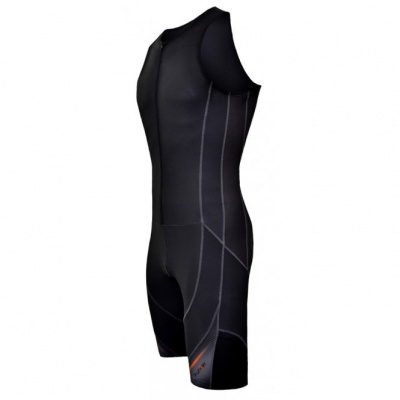
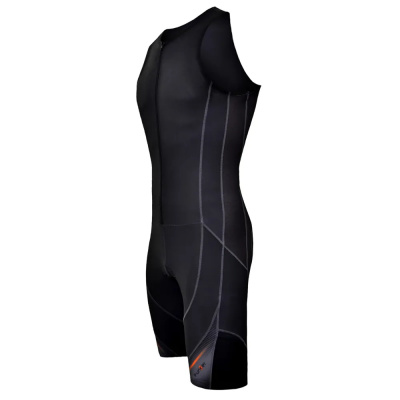
Funkier Tri Clothing is worth a serious look if you want race-ready multi-sport kit without paying the kind of prices that make your eyes water at the expo. Designed across the full swim-bike-run cycle, Funkier's triathlon range uses high-stretch compression Lycra and hydrophobic quick-dry fabrics to get you through T1 and onto the bike without feeling like you're wearing a wet flannel. The chamois pads are cut specifically for multi-sport use - thin enough that you're not waddling through the run finish, but substantial enough to take the sting out of a bumpy 40km on the bike. Flatlock stitching throughout keeps chafing off the table, whether you're three hours into a middle-distance effort or pushing hard through a sprint. For UK riders, that rapid dry time matters more than most - cold May morning open-water swims followed by a breezy bike leg are a real test of any fabric, and Funkier's Lycra blends are built with that windchill reality in mind. The aerodynamic fit also works neatly under a wetsuit, so nothing is bunching or shifting before you've even hit the water. Accessible, functional, and honest about what it is.
Prices and availability can change quickly. Delivery charges are not always included in listed prices.
Final price, stock status and delivery terms are set by retailer. We may receive a commission on purchases made.
Fabric Tech and What It Does on Race Day
The core of Funkier's tri range is its hydrophobic Lycra blend - fabric that's been treated to repel water rather than hold it. Pull yourself out of a reservoir or sea swim and the material sheds moisture fast, which cuts down the windchill you'd otherwise feel hammering out of T1 on the bike. That's not a small thing on a grey June morning at a UK event where the temperature hasn't got the memo about it being summer. Quick-dry fabric isn't just a comfort consideration; it's a performance one, because water weight in saturated kit creates drag and drops your core temperature.
Flatlock stitching runs throughout the range. Unlike standard overlocked seams, flatlock sits flush against the skin rather than creating a raised ridge - important when you're running a half marathon after two hours in the saddle. Any seam under your arm or across the hip that starts to irritate at kilometre three of the run will feel like sandpaper by kilometre fifteen. Funkier removes that variable cleanly.
The silicone leg grippers on the shorts and suit legs deserve a mention too. Their job is straightforward: keep the hem exactly where it should be when you're pulling a wetsuit on and off at speed in T1. Without them, rolled or rucked fabric is a time-sink you don't need. They grip consistently without digging in, which matters on a run leg when your legs are already doing enough work. If you're weighing up alternatives, Huub tri clothing and Castelli tri clothing sit at a higher price point with similar construction principles - Funkier's value here is real.
The Tri Chamois: Thinner by Design
This is the bit that confuses people who come to triathlon from a cycling background. A tri suit's chamois is not the same animal as the pad in your bib shorts, and it's not trying to be. Funkier uses a micro-fleece multi-sport chamois - compact, low-profile, and designed to dry out rather than soak up. It provides enough vibration dampening on the bike to keep you comfortable over a standard race distance, but it won't slow your stride or create that ungainly waddle that a full cycling pad produces the moment you start running.
So how should a Funkier tri suit fit? Think second skin. Zero bunching, no loose panels, nothing that catches water or wind. The compression Lycra should feel firm across the chest, thighs and core without restricting breathing. That snug fit also means the suit sits flat under a wetsuit - if it's bunching before you get in the water, size down or check the cut. The aerodynamic fit pays off on the bike leg when you're in the drops, and it keeps the suit from shifting out of position on the run.
Compared to standard cycling kit, the trade-off is straightforward: Funkier triathlon shorts and suits are purpose-built for race durations rather than long training days. The chamois is a considered compromise, not a limitation to hide. If you're after pure cycling comfort for longer training rides, Funkier bib shorts with a full cycling pad are the better call - keep the tri kit for race day and brick sessions.
Racing in the UK: Layers, Conditions and the Cold Truth
Anyone who's stood on the bank of a Welsh lake at 7am waiting for their wave start knows that UK triathlon has a particular relationship with cold. A fast-drying suit gets you out of the worst of it, but early-season racing often calls for a bit more. Arm warmers are your friend here - easy to pull on before the bike leg in T1 and simple to stash or bin if the sun eventually shows up. Funkier arm warmers are cut to work alongside their tri range and can be pulled off without stopping if you warm up mid-ride. It's a practical combination that adds very little transition time for a meaningful comfort gain.
On the care side, triathlon fabrics need a bit more attention than standard cycling jerseys. Chlorine from pool training is genuinely corrosive to Lycra elasticity over time - rinse your suit in cold fresh water immediately after every pool session. The same goes after saltwater sea swims, where salt crystals left in the fabric will degrade the fibres and the quick-dry treatment. Machine wash on a cool, gentle cycle with a mild detergent, and skip the fabric softener entirely. Softener coats the fibres and kills the moisture-wicking and hydrophobic properties you're paying for. Dry flat or hang - tumble dryers are the enemy of compression Lycra.
If you're building out the rest of your training kit, Funkier jerseys pair well for longer training rides where you'd rather not use race-day tri clothing. Keeping your tri kit for race-specific use also extends its lifespan, which matters when you're building a kit collection over multiple seasons. Endura tri clothing and Alé tri clothing are worth considering if you want to compare fits and price brackets - but Funkier holds its ground well on the value-to-function ratio for anyone from first-timer sprint racers to seasoned middle-distance competitors.
Funkier Tri Clothing FAQs
What is the difference between a tri suit and cycling shorts?
A tri suit uses a much thinner, multi-sport chamois designed to dry fast and stay out of your way when you're running. Standard cycling shorts have a thicker pad built to absorb road buzz over long rides - useful on the bike, but it soaks up water and feels heavy and awkward the moment you start running.
How should a Funkier tri suit fit?
Firmly - like a second skin with no bunching or loose fabric anywhere. That compressive fit keeps drag low in the water, sits flat under a wetsuit, and holds everything in position aerodynamically on the bike. If it feels slightly tighter than your usual cycling kit, that's correct. Loose panels are slower.
Can I wear triathlon clothing for regular cycling?
You can, and it works well for shorter, harder efforts. The thinner chamois is fine for rides up to a couple of hours, but beyond that you'll start noticing the difference compared to a proper cycling pad. For longer training days, dedicated bib shorts are the more comfortable choice.