
Fiveten MTB & Gravel Shoes
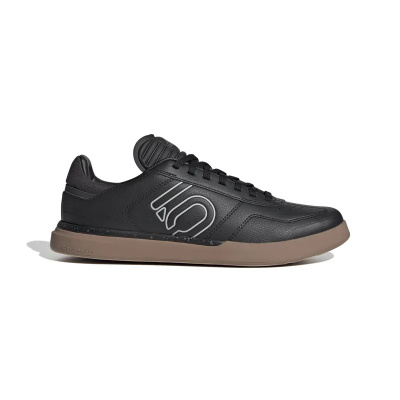
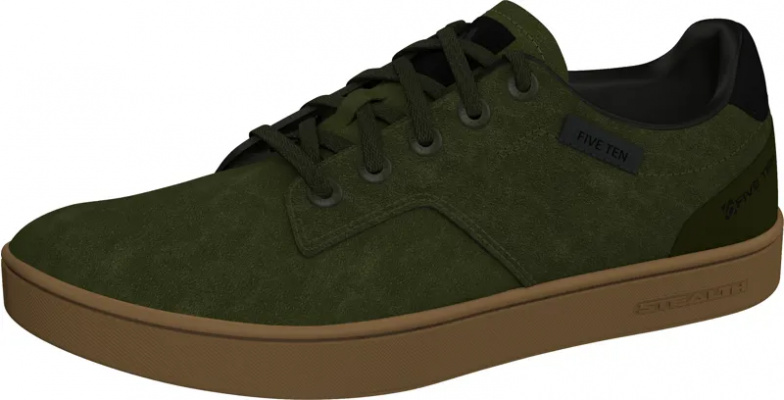
When it comes to flat pedal grip, Five Ten MTB & Gravel Shoes are the undisputed benchmark - the shoe that everyone else is measured against. The secret is Stealth rubber, a compound so sticky it makes your pins feel like they're bolted to your soles. Pair that with the classic Dotty tread pattern and you get a connection to the pedal that doesn't flinch on wet Gritstone edges or greasy chalk descents. Whether you're sessioning dirt jumps in the Freerider, grinding out a multi-day gravel epic in the Trailcross, or clipping in for enduro racing with the Hellcat, each model is built for sustained abuse rather than showroom appearances. Expect impact-resistant toe boxes, DWR-coated uppers that shed puddle splashes, and a locked-in fit designed to keep you planted when the trail turns to slop. For UK riders dealing with everything from boggy winter moorland to sun-baked hardpack on the same ride, that breadth of engineering genuinely matters. This is footwear that earns its reputation on the bike, not on a marketing slide.
Prices and availability can change quickly. Delivery charges are not always included in listed prices.
Final price, stock status and delivery terms are set by retailer. We may receive a commission on purchases made.
Stealth Rubber, DWR, and the Weather Performance That Actually Counts
Five Ten's grip advantage starts with two distinct Stealth rubber compounds. Stealth S1 is the softer, all-round formulation - it deforms slightly around pin heads, maximising contact and giving you that famously planted feel on the pedal. Stealth Phantom is a firmer, non-marking variant used on shoes that cross into mixed-use or indoor sessions; it trades a fraction of raw grip for improved durability and cleaner release in packed mud. Both compounds are measurably stickier than the generic rubber you'll find on comparable shoes from brands like Ride Concepts or Crank Brothers, particularly when roots and rocks are wet.
Above the outsole, Five Ten uses synthetic uppers treated with a DWR (Durable Water Repellent) coating across most of the range. That handles the casual stuff - puddle splashes, morning dew, a brief rain shower on the Peak District moors. For longer, wetter days, the Trailcross GTX adds a full Gore-Tex membrane, keeping feet genuinely dry rather than just damp-resistant. There's also an EPS Primaloft-insulated version for riders who venture out when the temperature drops towards freezing - at that point, cold feet aren't just uncomfortable, they're a safety issue. Worth knowing: the GTX models sacrifice a bit of breathability, so they're a winter tool rather than a year-round default.
Breaking Down the Range - Which Five Ten Suits Your Riding?
The lineup is broader than people expect, so it helps to know where each model sits. The Freerider is the original - a relaxed, softly-soled flat shoe that works brilliantly for dirt jumps, bike parks, and casual trail days. It's comfortable straight from the box and forgiving underfoot. Step up to the Freerider Pro and you get a stiffer EVA midsole for better power transfer on longer pedalling sections, plus a more weather-resistant synthetic upper. If you're riding anything beyond bike parks or green trails, the Pro is worth the extra investment.
The Trailcross range is where Five Ten chases the gravel and trail-running crossover crowd. Lighter construction, a more breathable upper, and a lugged outsole that actually clears mud on hike-a-bike sections make it a serious option for all-day adventure rides. It comes in flat, clipless, and GTX configurations. At the performance end, the Hellcat and Kestrel are fully SPD-compatible clipless shoes - the Hellcat leaning into enduro and gravity riding with D3O impact padding at the ankle, the Kestrel targeting efficiency-focused trail and gravel riders with a stiffer, lower-profile build.
Sizing is worth a moment's thought. Five Tens generally fit snug and athletic - not narrow, but close-fitting through the midfoot. Riders with wider feet or those planning to layer up with thick winter socks should consider going half a size up. The Freerider Pro in particular runs fitted, and cramped toes on a cold January ride are nobody's idea of fun. If you're unsure, check how your current shoes compare to Five Ten's published sizing charts before ordering.
Compared to options like Fox MTB shoes or Endura footwear, Five Ten's flat pedal models offer a distinctly more aggressive grip compound - that's the core trade-off. Fox and Endura often prioritise walkability and all-day comfort slightly ahead of raw pin engagement. Neither approach is wrong; it depends whether your ride is more pedal-heavy or more of a mixed hike-and-bike affair.
Keeping Them Working Through a UK Winter
For wet-season riding, the smartest move is pairing any Five Ten - even a GTX model - with a waterproof sock. Merino-lined options from brands like Sealskinz give you a second line of defence and add warmth without bulk, turning a three-season shoe into something genuinely usable through February. It's a cheaper upgrade than replacing your shoes, and it works.
Shoe care matters more than most riders realise. After a muddy ride, let the mud dry, then brush it off - don't reach for the pressure washer. High-pressure water forces grit into the stitching and can work under the Stealth rubber bond at the outsole edges over time. A stiff brush and a damp cloth does the job properly. Equally important: don't dry them on a radiator or near a direct heat source. The heat degrades the DWR finish and can cause the Stealth outsole to delaminate at the edges - an expensive mistake on a shoe that otherwise lasts for years. Stuff them with newspaper, leave them somewhere with airflow, and they'll be ready for the next morning's ride without any drama.
If you're running Five Ten clipless MTB shoes like the Hellcat or Kestrel, keep the cleat threads clean and check the cleat for wear regularly - particularly if you're walking on hard surfaces between trail sections. SPD cleats are inexpensive to replace and a worn cleat puts unnecessary stress on both the pedal and the shoe's mounting plate. A quick check every few rides takes seconds.
To round out your kit, a pair of Five Tens pairs well with trail-specific pedals - wider platforms give the Stealth rubber more surface area to work with. And if you're running the Trailcross for gravel, flat pedal versions work well alongside Crank Brothers-compatible setups if you decide to move to a two-bolt clipless system later.
Fiveten MTB & Gravel Shoes FAQs
Do Five Ten MTB shoes run true to size?
Generally yes, but the fit is athletic and close through the midfoot. Models like the Freerider Pro run particularly snug. If you have wider feet or plan to wear thick waterproof socks for UK winter riding, go half a size up - you won't regret the extra room when it's cold.
What is the difference between the Five Ten Freerider and Freerider Pro?
The standard Freerider is softer and more relaxed underfoot - great for dirt jumps, bike parks, and casual days out. The Freerider Pro uses a stiffer EVA midsole for better power transfer on longer rides, and its weather-resistant synthetic upper holds up better on muddy, technical trails.
Are Five Ten shoes good for gravel riding?
Absolutely. The flat-pedal reputation can overshadow their clipless options, but the Trailcross range and the Kestrel are genuinely capable gravel shoes. Lightweight, walkable, and SPD compatible, they handle hike-a-bike sections and long days in the saddle without compromise.