
EVOC Bar Bags
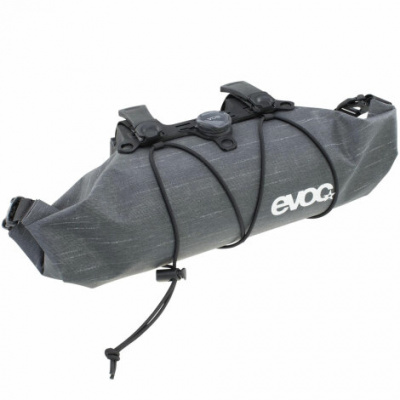
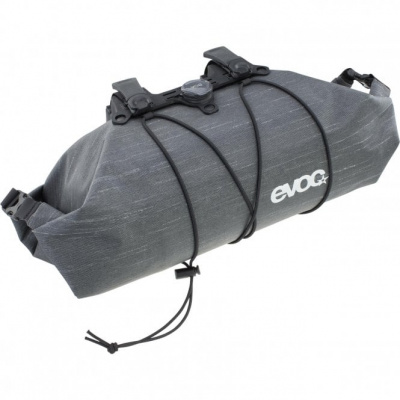
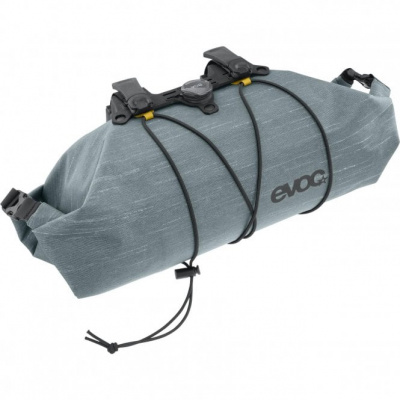
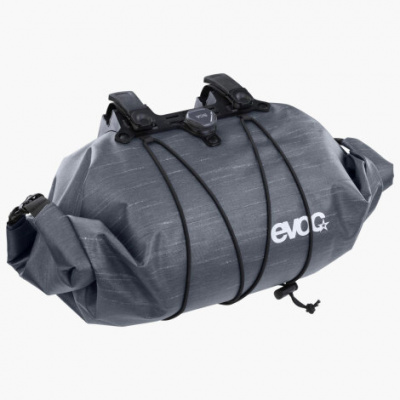
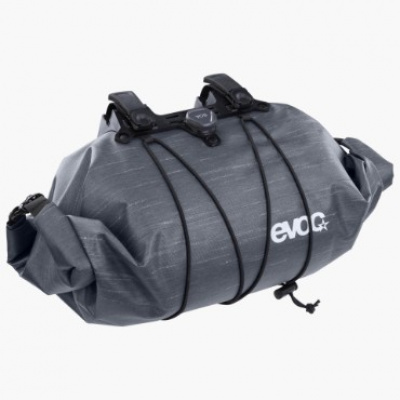
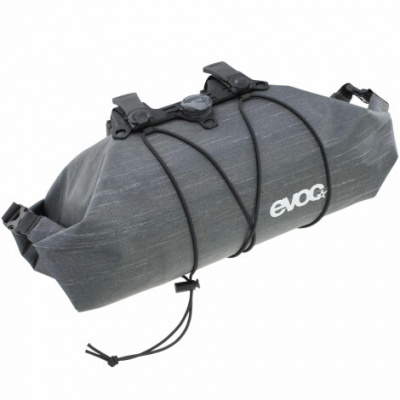
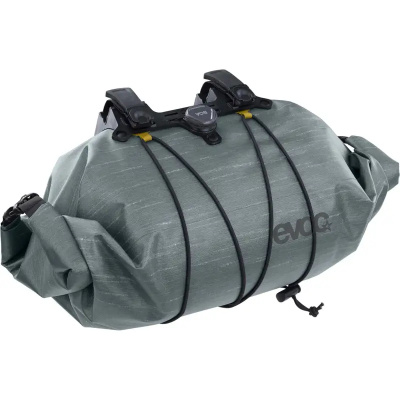
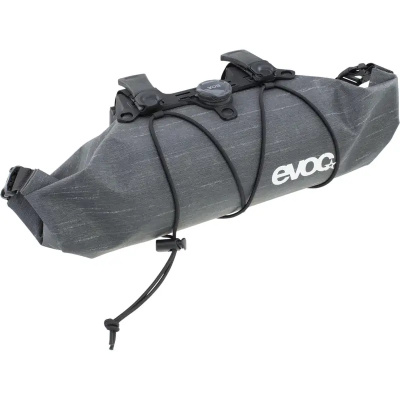
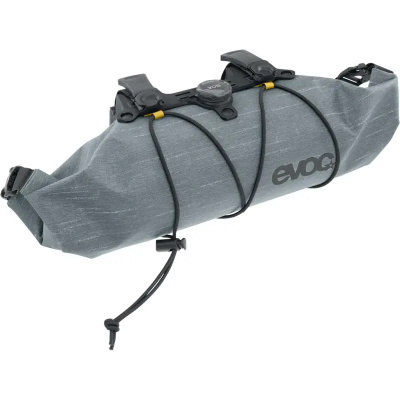
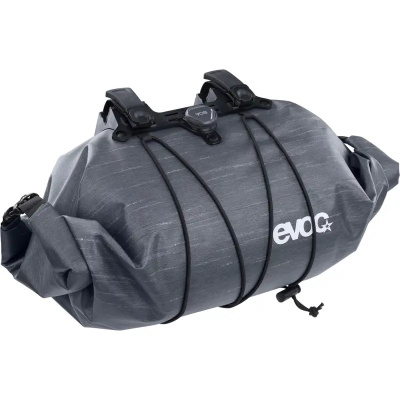
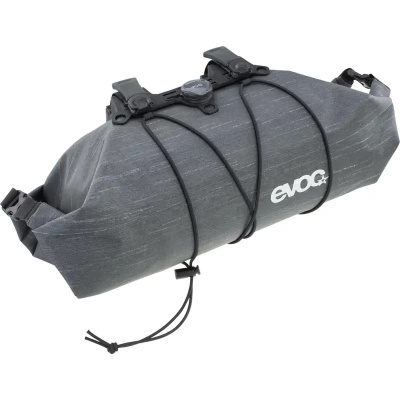
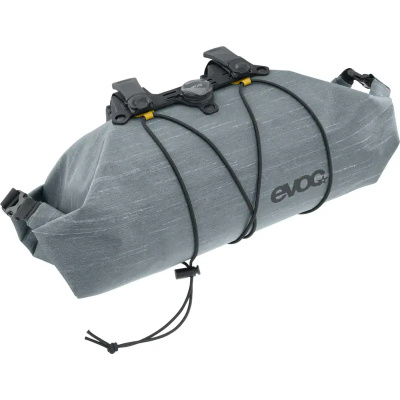
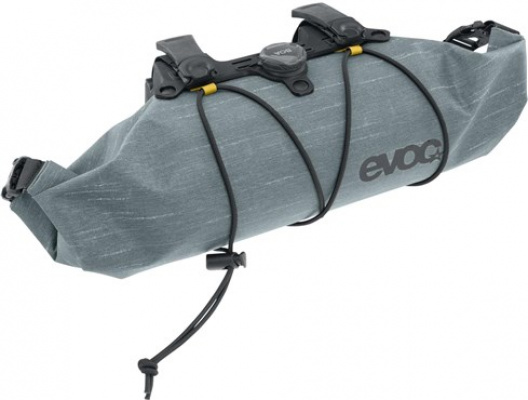
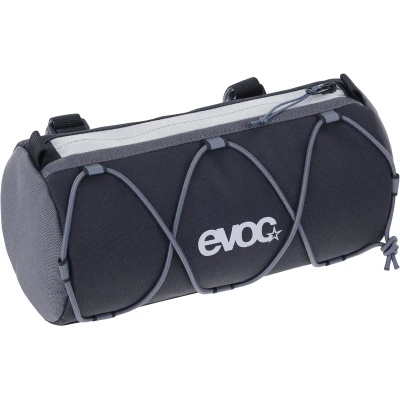
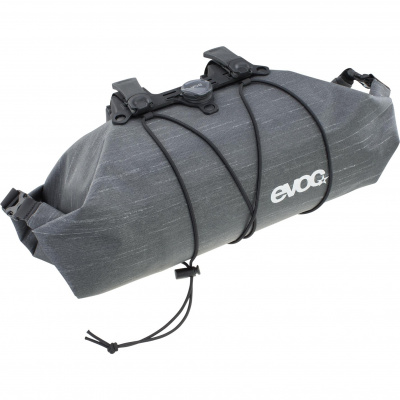
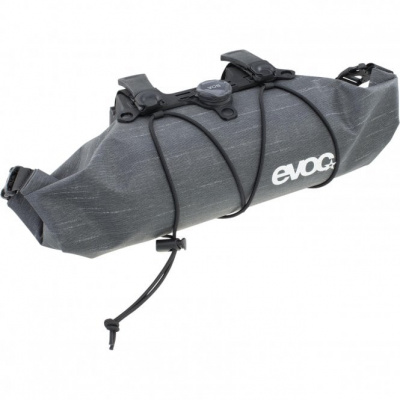
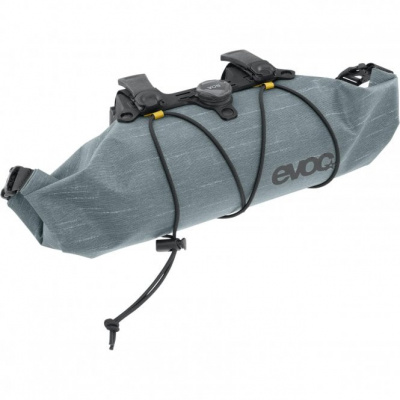
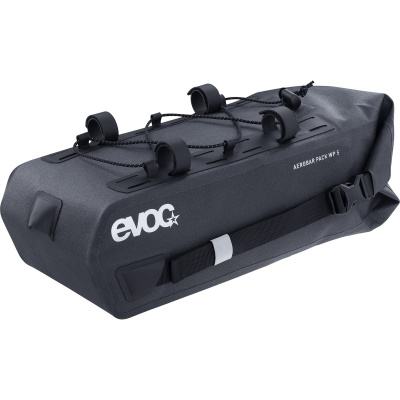
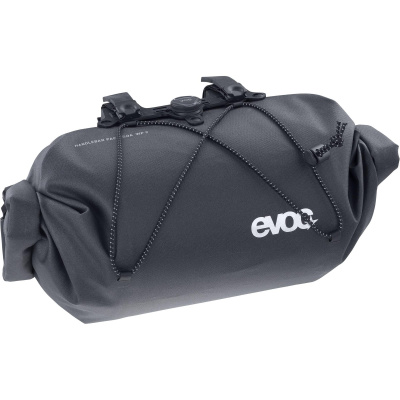
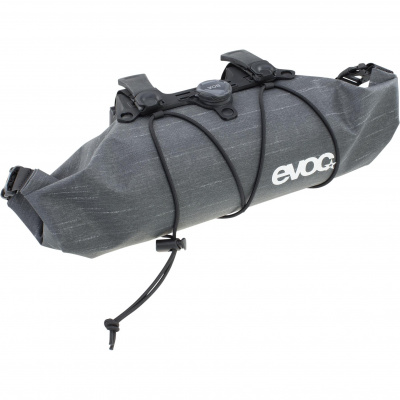
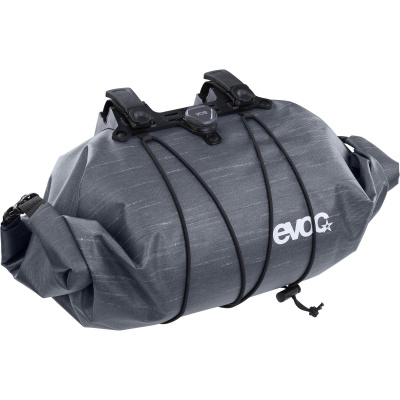
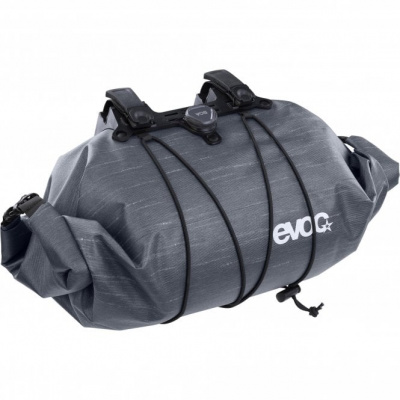
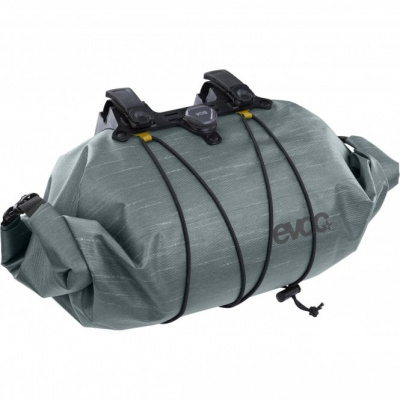
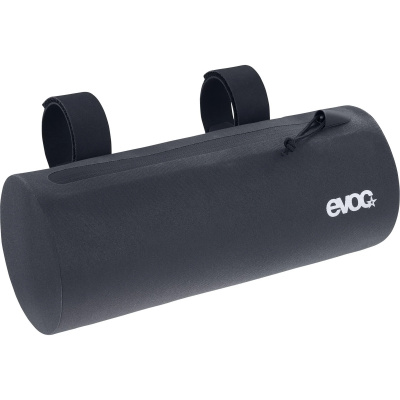
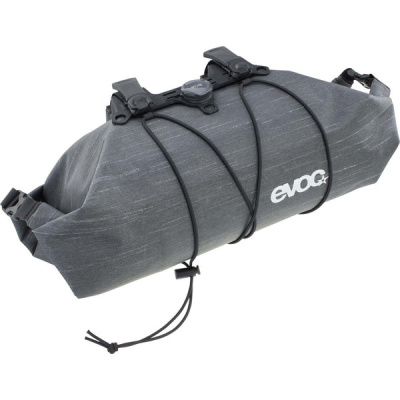
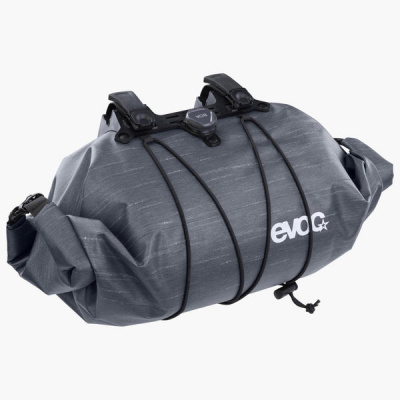
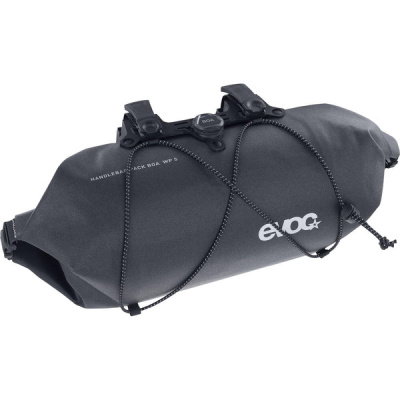
EVOC bar bags sit at the sharper end of bikepacking storage - built around a proprietary BOA Fit System that dials in to your handlebars with a twist rather than faffing with velcro straps in the dark at 5am. The result is a bag that doesn't wander, doesn't sag, and doesn't slap your front tyre on every pothole you clip on a rough bridleway.
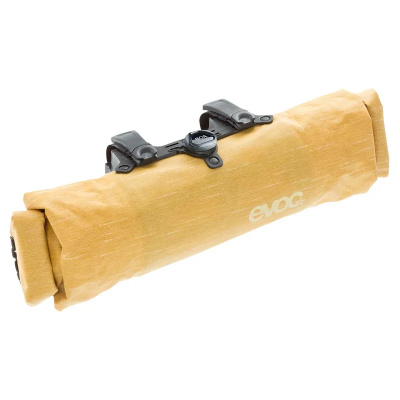
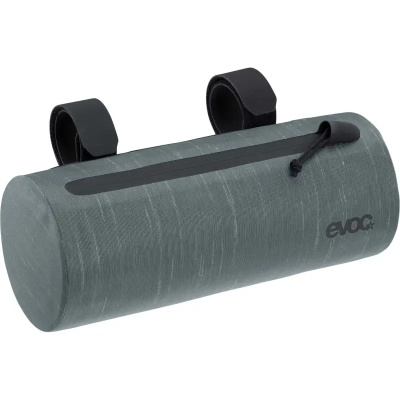
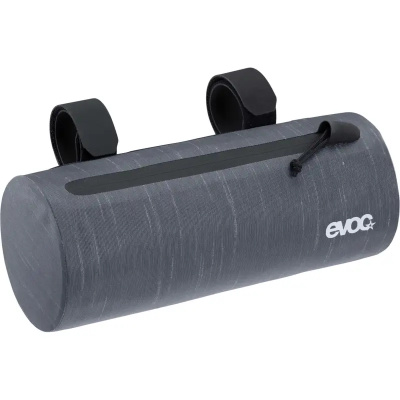
The waterproofing here is genuine. High-frequency welded seams rather than stitched construction mean there's no needle-hole wicking when you're deep into a Welsh winter ride and the rain has been falling sideways for two hours. Pair that with an adjustable roll-top closure and your sleeping bag liner or spare base layer stays dry regardless of what the sky throws at you.
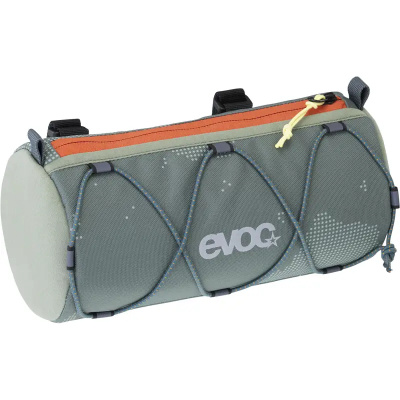
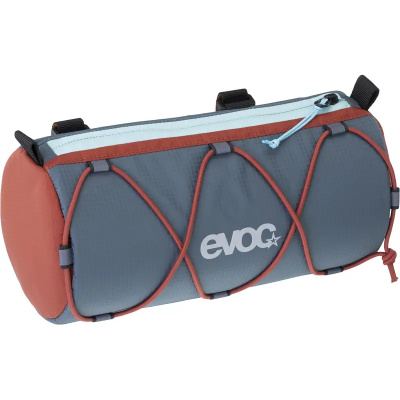
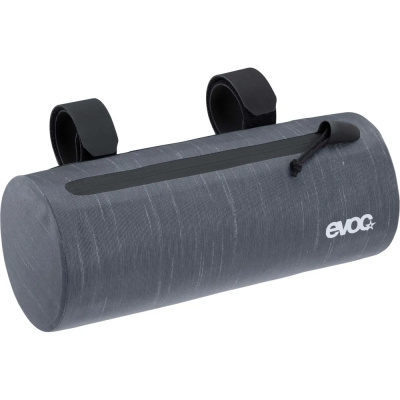
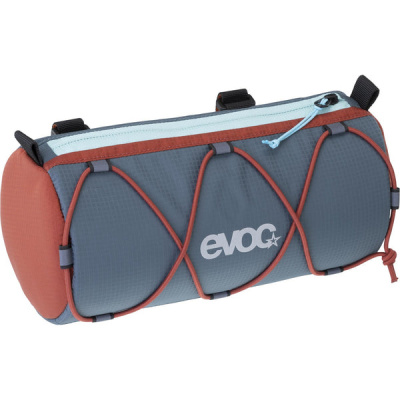
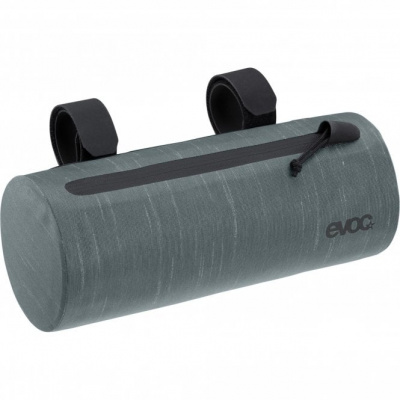
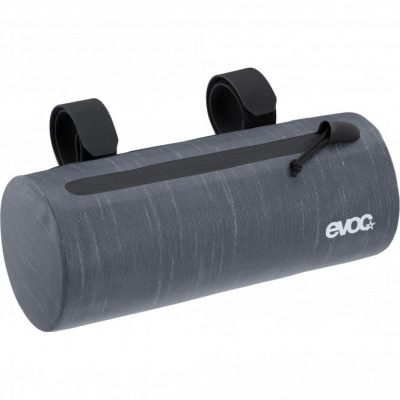
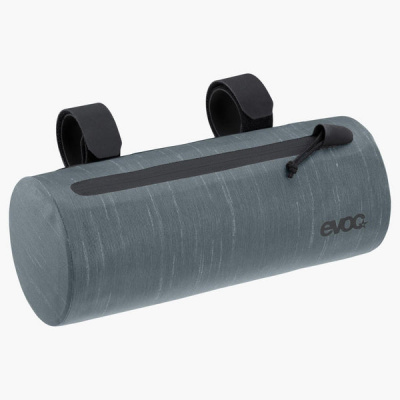
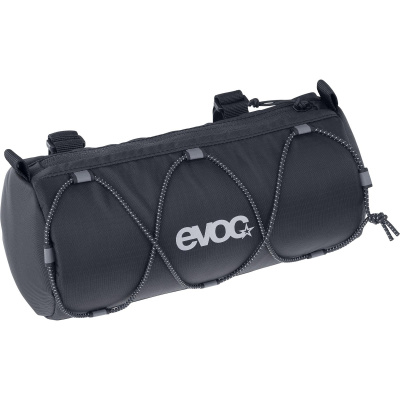
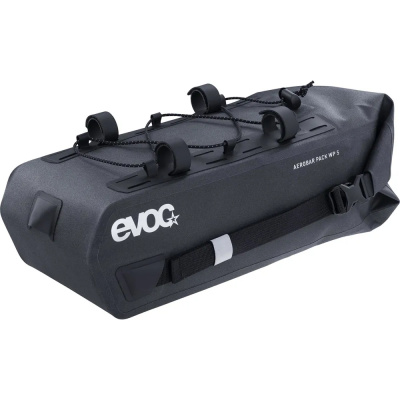
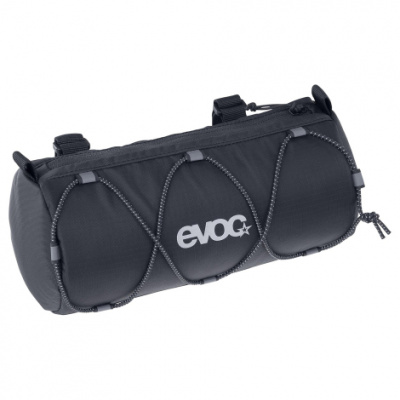
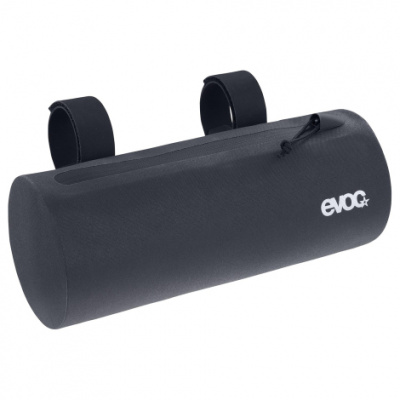
EVOC offers these bags in two capacities - 2.5L and 5L - covering everything from a quick overnight with a bivvy sack to a fully loaded multi-day gravel tour. Both are designed with handlebar clearance, cable routing, and cockpit clutter in mind. If you're running a GPS mount out front or external brake cables, that matters more than most brands acknowledge. For UK riders who spend real time in the wet and the grit, these bags earn their place on the bars.
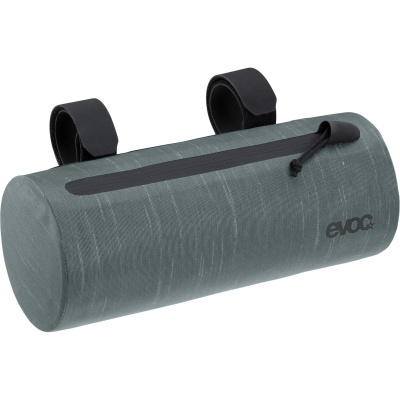
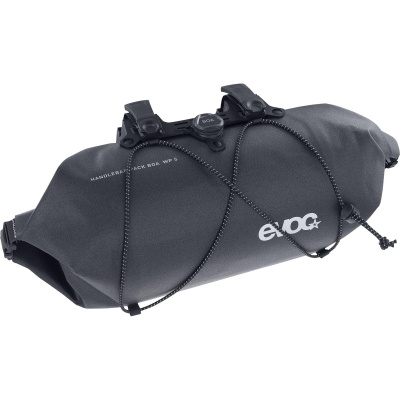
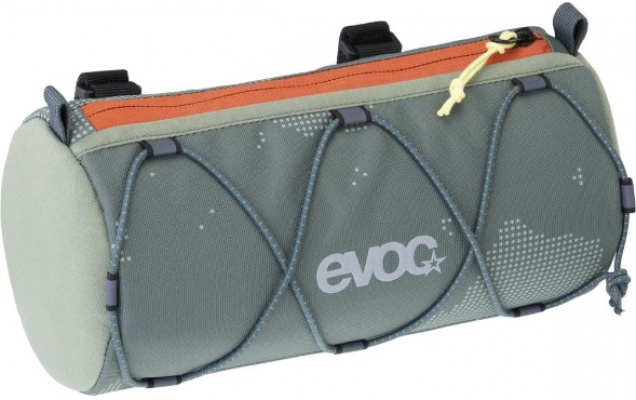
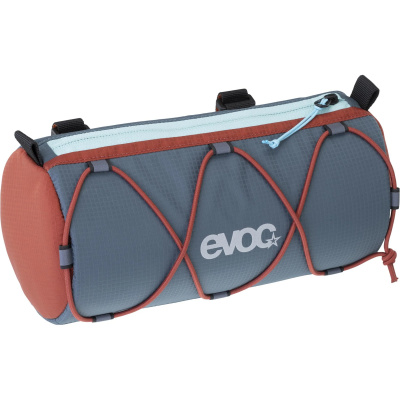
Prices and availability can change quickly. Delivery charges are not always included in listed prices.
Final price, stock status and delivery terms are set by retailer. We may receive a commission on purchases made.
Getting the Fit Right: Measurements, Drop Bars, and Cable Routing
Before you buy, measure the gap between your front tyre and the underside of your handlebar. On a hardtail or rigid gravel bike this is straightforward, but on a full-suspension MTB that gap closes under braking and compression - a bag that clears at static can rub badly on a steep Peak District descent. EVOC's sizing guidance gives minimum clearance figures; take them seriously rather than assuming it'll be fine.
Drop bar compatibility is one of the more common questions around EVOC handlebar bags for bikepacking, and the short answer is yes - but with a caveat. The 2.5L model sits neatly between the hoods on most 38 - 44cm drop bars. The 5L is wider and needs more space, so measure hood-to-hood before committing. The key concern is the roll-top closure: when the bag is stuffed, it shouldn't foul your inward shifter throw on STI levers. Give yourself a centimetre or two of buffer and you'll be fine.
External cable routing is where a lot of bar bags fall down. EVOC's mounting system is designed to leave cable ports accessible rather than clamping across them, which matters if your bike runs hydraulic hose or electronic shifting cables along the top of the bar. The BOA Fit System uses two separate dials - one per strap anchor point - so you can position the bag to work around your specific cockpit setup rather than fighting it. If you're running an out-front GPS mount, position the bag slightly rearward so the roll-top doesn't obscure your screen. Simple, but worth doing before your first loaded ride rather than on a dark towpath at 6am.
BOA Models vs. Standard Bags: Which EVOC Pack Do You Actually Need?
The EVOC Handlebar Pack BOA range - the 2.5L and 5L - represents the premium tier of what EVOC makes for the cockpit. The BOA Fit System is the reason to spend up: that micro-adjustable dial gives you a rock-solid connection to the bar with no play, no lateral drift on rough tracks, and no need to re-tension after the first few miles. On a long Scottish gravel day where the roads deteriorate from patchy tarmac to chunky forest track, a standard strap bag will loosen and bounce; the BOA holds position.
The practical upside beyond stability is speed. Snapping a BOA dial open releases the bag in seconds - useful when you're stopping to layer up in a biting Pennine wind with cold, wet hands. Refitting takes the same few seconds. That's not a gimmick; it's a genuinely different experience from fiddling with compression straps.
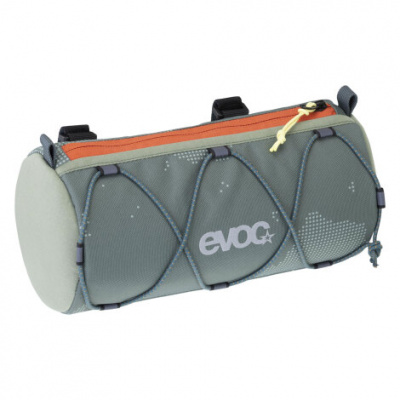
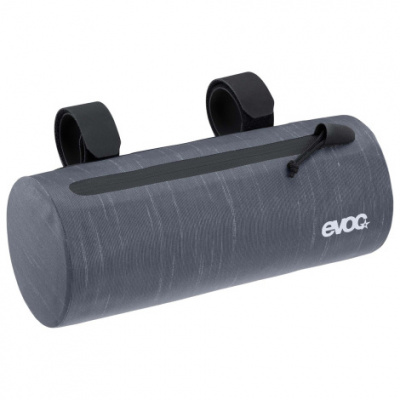
Capacity choice comes down to how you ride. The 2.5L suits day-long gravel rides where you're carrying a packable jacket, a tube, and a snack - it keeps the bag light and the front end feeling nimble. The 5L is aimed at multi-day trips where a lightweight sleeping kit or a dry set of clothes needs to live up front. Be honest about frame size too: a big bag on a compact frame can feel top-heavy. Compared to the frameless roll approach of Apidura bar bags, EVOC's structured shape holds its form better when partially loaded, which is handy mid-trip when you've eaten half the food and the bag isn't stuffed tight. Ortlieb bar bags offer comparable waterproofing but use a more traditional dry-bag roll rather than the BOA mounting system - a different trade-off between simplicity and precision fit.
UK Conditions: Mud, Grit, and Keeping Your Bars in One Piece
British riding is abrasive. Not dramatically, but persistently - the fine grit that coats a bike after a wet Surrey Hills loop gets into everything, and dried mud cakes mechanisms you didn't know existed. EVOC's outer fabrics are abrasion-resistant and wipe clean without much effort, which matters after a muddy bridleway more than any lab rating does.
The waterproof welded seams construction is worth understanding. Unlike stitched seams sealed with tape - which can peel at the edges over time - high-frequency welding fuses the fabric panels together without puncturing the material. In practice, this means the bag genuinely sheds water rather than slowing its ingress. The roll-top closure handles the rest: roll it down three or four times, clip it, and you've got a sealed package that'll survive wheel spray and full submersion on a flooded bridleway. Just make sure the top is actually dry before you roll it - stuffing a wet lid into the closure defeats the point.
If you're running carbon handlebars, put a strip of clear frame protection tape under each BOA strap anchor before fitting the bag. The BOA system cinches tight and holds firm, which is exactly what you want for bounce-free mounting - but on bare carbon, repeated micro-movement under load can leave marks. A thin layer of protection tape costs almost nothing and keeps the bars pristine. Check it occasionally; tape edges can catch grit and start to lift after heavy use.
Cleaning the BOA dial after a particularly muddy ride is simple: rinse it under running water and work the dial back and forth to flush dried mud out of the mechanism. Don't use pressure washers directly on it - the same advice applies to any precision dial system. The EVOC adapter range can extend mounting compatibility if you're switching the bag between bikes with different bar diameters, which saves buying a second bag for a second bike. While you're sorting the cockpit, EVOC phone cases and mounts keep your navigation tidy up front, and EVOC pump accessories round out the bikepacking setup without adding unnecessary weight or clutter. Lezyne bar bags are worth a look if you're after a more minimal, lightweight option - but they don't match EVOC's waterproofing credentials for serious all-weather use.
EVOC Bar Bags FAQs
Do EVOC bar bags fit drop bars?
Yes. The 2.5L and 5L BOA models are designed to fit between drop bar hoods. Measure hood-to-hood before buying - the 2.5L works on most 38 - 44cm bars, while the 5L needs a bit more room. The main thing to check is that the roll-top, when stuffed, doesn't interfere with your STI shifter throw. A centimetre or two of buffer sorts it.
Are EVOC handlebar bags completely waterproof?
Yes. EVOC's bikepacking bar bags use high-frequency welded seams and waterproof fabrics - no stitched holes for water to wick through. Roll the top down properly and clip it, and your kit stays dry through persistent rain and wheel spray. It's genuine waterproofing, not water resistance that gives up after an hour in a Welsh downpour.
How does the BOA fit system work on EVOC bags?
The BOA dial micro-adjusts the mounting straps directly onto your handlebars, cinching them down for a firm, bounce-free connection. Twist to tighten, click to release - the whole bag comes off in seconds. That speed is genuinely useful when your hands are cold and wet at the side of a road. It also means no strap loosening gradually over rough ground the way velcro and buckle systems can.