
Dreamscape Mountain Bikes
Dreamscape mountain bikes are built around a clear idea: that precision engineering and trail-proven geometry shouldn't be reserved for racers with unlimited budgets. Whether you're threading chalk-cut singletrack in the South Downs or pointing downhill on a Bike Park Wales black run, the range covers short-travel trail riders through to committed enduro riders chasing chunk and consequence. Dreamscape's proprietary Active-Pivot Kinematics and Aero-Core Carbon Layup aren't marketing shorthand - they're specific engineering choices that shape how each bike pedals, corners, and holds its line mid-descent. Progressive Trail Geometry runs through the entire lineup: slack head tube angles for stability when it matters, steep seat tubes so you're actually over the pedals on the way up. The range splits cleanly into trail and enduro platforms, with trim levels from durable alloy Comp builds to lightweight carbon Pro specs. If you're after junior bikes, our Dreamscape Kids Bikes page is the place to go. Otherwise, use the live UK price comparisons below to find the Dreamscape MTB that fits your riding.
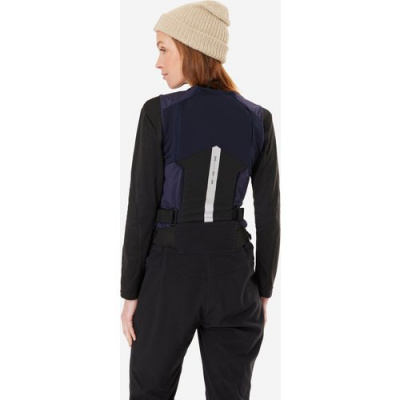
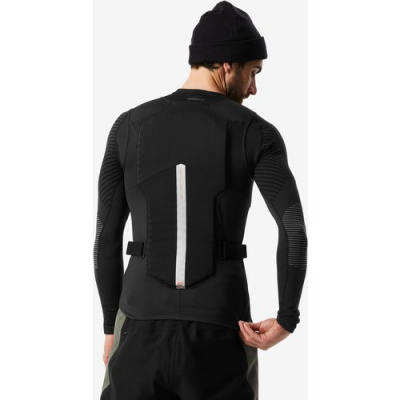
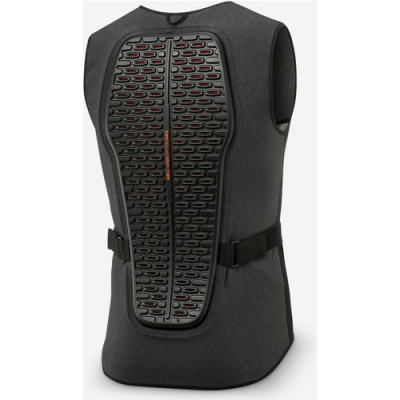
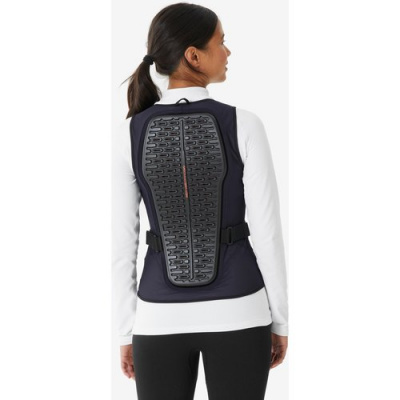
Prices and availability can change quickly. Delivery charges are not always included in listed prices.
Final price, stock status and delivery terms are set by retailer. We may receive a commission on purchases made.
Decoding the Dreamscape Mountain Bike Lineup
Dreamscape splits its range into two clear families, and knowing which side of the fence you sit on saves a lot of head-scratching. The Trail platform runs roughly 120 - 140mm of rear travel - enough to handle rooty Peak District singletrack or a fast Forestry Commission loop without feeling like overkill on the climbs. The Enduro rigs push into 160 - 170mm territory, built for riders who spend most of their time looking for the steepest line down rather than the fastest way up.
Trim levels follow a consistent naming logic. Comp models use quality alloy frames with reliable component packages - these are the workhorses, sensibly specced and built to take a knock without drama. Step up to the Pro tier and you're into Aero-Core Carbon Layup frames, electronic drivetrains, and top-shelf suspension units. There's a meaningful weight and performance gap between the two, which is exactly what you'd expect. A 29er wheel setup is standard across most of the trail range for rollover and momentum; some longer-travel Enduro builds offer a mullet setup - 29-inch front, 27.5-inch rear - which sharpens the handling feel on technical descents without sacrificing that front-wheel roll.
If you're weighing up alternatives, Cube mountain bikes and Giant mountain bikes sit in a similar space on trail geometry and component value, though Dreamscape's kinematics approach gives it a distinct character on rougher ground.
The Dreamscape Tech Philosophy: Kinematics and Carbon
The engineering story at Dreamscape starts with Active-Pivot Kinematics. The principle is straightforward: most suspension designs compromise between pedalling efficiency and small-bump sensitivity because the forces from pedalling and braking both feed through the same pivot points. Dreamscape's approach separates braking inputs from suspension movement, so when you're hauling on the brakes into a loose corner, the rear wheel stays planted rather than trying to skip over braking bumps. That's a meaningful advantage on a rooty descent - you feel it as rear-end composure rather than a bike that's hunting around underneath you.
Aero-Core Carbon Layup is Dreamscape's answer to the classic carbon trade-off: stiff enough laterally to sprint and corner with confidence, but not so rigid vertically that every trail imperfection fires straight into your hands. Carbon layup schedules vary by region of the frame - more material where torsional stiffness matters, less where you want the frame to absorb rather than transmit. The result is a Pro-tier bike that feels lively without the nervous, twitchy edge that over-stiff carbon can produce.
Progressive Trail Geometry ties it together. A slack head tube angle - typically in the 64 - 65-degree range on Enduro models - gives you a long, stable front centre that's forgiving when the trail kicks up unexpectedly. Pair that with a steep seat tube angle (around 77 - 78 degrees) and the riding position shifts forward over the bottom bracket on climbs, reducing front-wheel lift and keeping the bike tracking straight. Bottom bracket drop is tuned to keep the centre of gravity low without sacrificing pedal clearance on technical, rocky lines. These aren't isolated geometry numbers - they work together, which is why Dreamscape frames feel cohesive rather than a collection of spec-sheet wins. For riders considering Cannondale mountain bikes, the geometry philosophy is broadly comparable on trail models, though Dreamscape's pivot bearing approach is more specifically tuned for mixed-condition riding.
Living with a Dreamscape MTB in the UK
UK trails do not care about your new bike. Afan in November will pack mud into every gap it can find; a winter loop in the Tweed Valley will throw grit, standing water, and the kind of persistent damp that ruins pivot bearings by spring. Dreamscape has clearly spent time thinking about this. The rear triangle on both trail and enduro models runs generous tyre and swingarm spacing - wide enough that the clag from a Welsh winter doesn't pack solid and lock the wheel against the frame mid-ride. That matters more than most buyers realise until the first genuinely horrible day out.
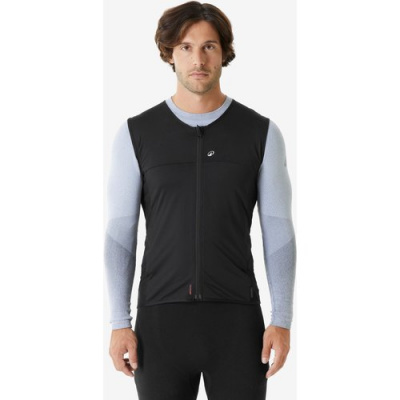
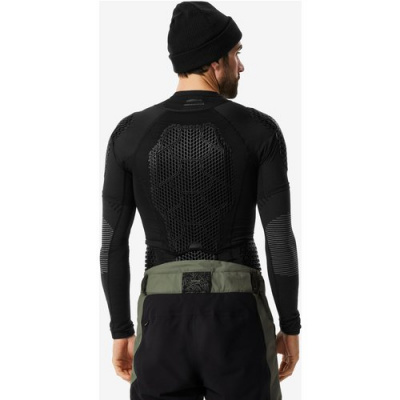
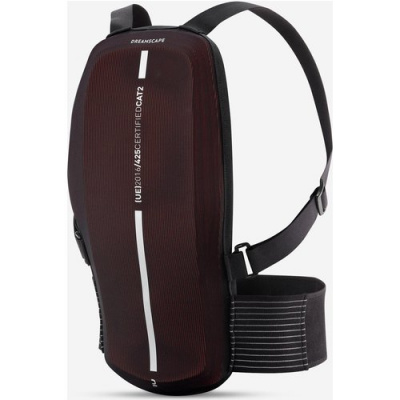
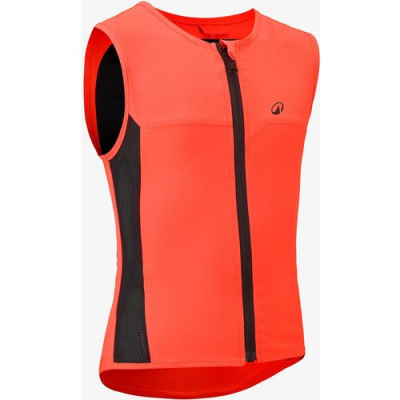
Pivot bearings are double-sealed as standard, which is the right call for UK conditions. Sealed bearings resist the fine grit that works its way in through standard seals and turns smooth pivots into grinding ones inside a season. That said, sealed doesn't mean maintenance-free. A proper rinse after a muddy ride - low-pressure water away from bearing faces - and a bearing check every few months will extend linkage life significantly. If you're picking up a Dreamscape and expecting to ride it hard through winter, a tube of appropriate bearing grease and a basic linkage service kit is worth having before you need it. Pairing the bike with quality Dreamscape body armour makes sense too, particularly on longer-travel builds where the riding tends to be committing enough to warrant the protection.
Are Dreamscape mountain bikes good for beginners? The Comp-tier trail models are genuinely approachable - the progressive geometry builds in stability and the handling stays predictable when you're still learning to read trail. It's not a beginner-specific bike, but it doesn't punish inexperience either. Suspension setup is helped by built-in sag indicators on the linkage: set your rear shock sag to 25 - 30% of total stroke with your full riding weight and gear, and the indicator takes the guesswork out of that initial dial-in. From there, adjust rebound damping to taste - faster for loose, loamy conditions; slower when the trail is rougher and more consequential. Frame warranty covers the main frame for the original owner's lifetime, with suspension linkages and swingarms on a five-year comprehensive warranty. That's a confident position for a brand to take, and it tells you something about how Dreamscape rates the longevity of its own hardware.
Dreamscape Mountain Bikes FAQs
Are Dreamscape mountain bikes good for beginners?
The entry-level Comp models are a solid starting point - stable geometry keeps the handling predictable while you're building trail confidence, and the component spec is durable enough to take the knocks that come with learning. They're not dumbed-down bikes, just approachable ones.
What is the warranty on a Dreamscape mountain bike frame?
Dreamscape covers the main frame with a lifetime warranty for the original owner against manufacturing defects. Suspension linkages and swingarms come with a five-year comprehensive warranty - a notably strong position that reflects confidence in the build quality.
How do I set up the suspension on my Dreamscape MTB?
Start with rear shock sag at 25 - 30% of total stroke, measured with your full riding weight and kit on. Dreamscape frames include built-in sag indicators on the linkage, so you're not guessing with a zip tie. Once sag is set, adjust rebound to suit your trail conditions before touching compression.