
Dirtlej Skinsuits
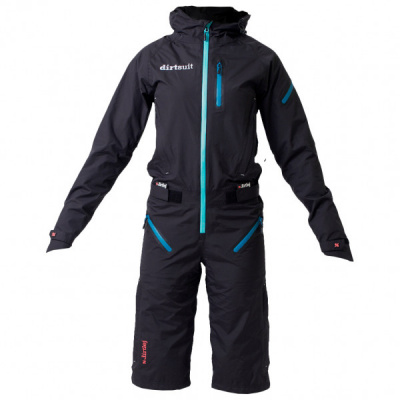
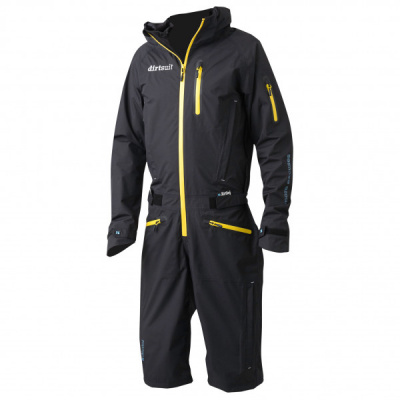
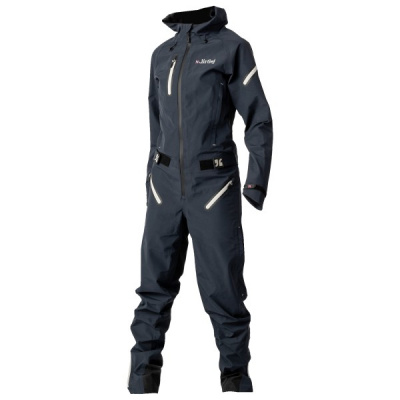
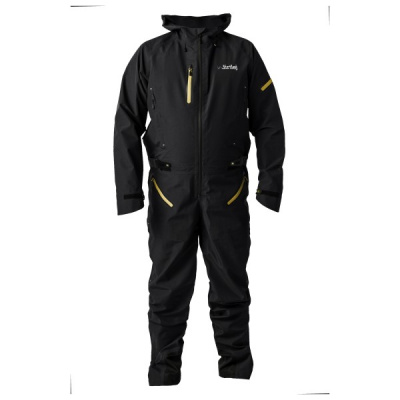
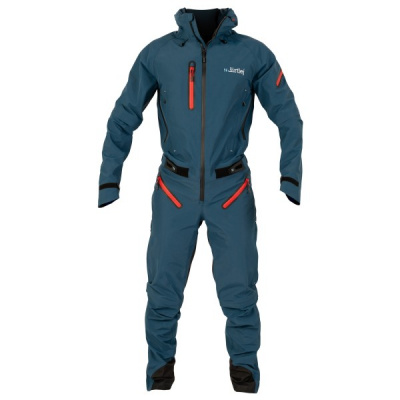
Dirtlej Dirtsuits solve a problem every UK trail rider knows well: the gap. That strip of exposed skin or thin jersey fabric between your jacket hem and shorts waistband that turns a wet Peak District descent into a cold shower. A one-piece waterproof MTB suit removes the gap entirely, and Dirtlej has spent years refining exactly that concept into something riders actually want to wear all day.
The suits are built around serious waterproof membrane technology - we're talking water column ratings north of 18,000mm - paired with fully taped seams and waterproof zippers that mean water genuinely has nowhere to sneak in. At the same time, 15,000g/m² breathability figures and generous venting systems across the underarm, torso, and legs mean you won't spend a fire-road climb feeling shrink-wrapped. The DWR coating sheds surface water before it even becomes a breathability problem.
Whether you're lapping a Welsh trail centre on a December Saturday or grinding out an all-day Scottish epic where the forecast changes every hour, a Dirtlej suit keeps the elements where they belong - outside. Here's what to know before you pick one.
Prices and availability can change quickly. Delivery charges are not always included in listed prices.
Final price, stock status and delivery terms are set by retailer. We may receive a commission on purchases made.
Fabric Tech and Weather Performance: Built for the Bog
The numbers behind Dirtlej suits aren't just marketing column-fillers. An 18,000mm water column rating means the fabric can withstand sustained, heavy pressure from water - far beyond what a typical UK winter ride throws at you, even on the grimmest Welsh or Scottish days. Pair that with fully taped seams and you've closed off every needle hole in the construction. Add waterproof zippers and there's genuinely no easy route in for water.
Where a lot of heavily waterproofed kit fails is breathability. Seal out all the rain and you risk sealing in all your heat, which on a punishing climb feels about as comfortable as pedalling in a bin bag. Dirtlej counters this with a 15,000g/m² breathability rating - capable enough to keep moisture vapour moving outward during hard efforts - and backs it up with physical venting: underarm zips, leg vents, and torso zip options depending on the model. You can crack these open before a long grind and close them at the top before the descent. Practical, fast, no fumbling.
The robust nylon and polyester blends used throughout take serious punishment from repeated crashes, brambles, and bike park kicker lips without shedding waterproofing performance quickly. Stretch panels are positioned in the shoulders and key movement zones so the suit moves with you rather than fighting your body position on steep technical sections. Structurally, the one-piece format simply beats a separate jacket and trouser combo in deep mud - there's no junction to fail, no waistband to ride up, and no gap for grit-laden spray to find.
Making Sense of the Dirtlej Fit and Range
Dirtlej offers a few distinct routes into their suit range, and picking the right one matters more than most riders realise before they order.
The Core Edition is the heavier, more robust option - thicker waterproof fabric, maximum thermal retention, and built for the worst of a British winter. Think deep January mud, persistent rain, temperatures near freezing. It's the suit you reach for when conditions are genuinely hostile and you want no compromise on protection. The Pro Edition runs lighter and more packable, using thinner membranes that make it noticeably more comfortable on milder, wet days where a full-winter-weight suit would have you overheating on anything with a gradient. It's the more versatile choice if you ride through October and November as much as the January deep-freeze.
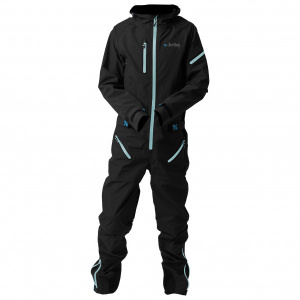
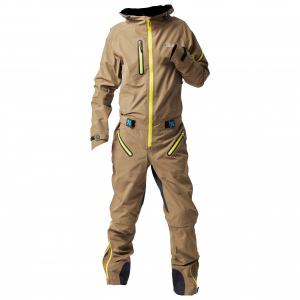
The SF (Short Fit) versions cater to riders who find standard-length suits bunch at the ankle or feel awkward in shorter proportions. Worth considering if you're on the shorter side of average and want the suit to sit correctly across the hips and shoulders without excess fabric.
On sizing: these suits are cut to accommodate a merino or thermal base layer underneath, plus MTB knee and elbow pads worn over the top. That means the fit is already generous in the right places. Don't size up automatically - most riders find their usual size works correctly, and going larger can create excess fabric across the back and shoulders that catches wind on descents. Only go up if you're particularly tall and need extra length through the torso. If you're between sizes, check the inseam measurement specifically - that's where tall riders usually run short.
Compared to modular solutions from brands like Endura or Assos, Dirtlej's one-piece approach gives up some versatility in exchange for total coverage and a simpler layering system. Whether that trade-off works for you depends largely on how much of your winter riding involves mixed-weather days where you might want to strip a layer mid-ride.
Layering, Riding, and Keeping the Suit in Good Shape
Getting the layering right under a Dirtlej suit makes a significant difference to how comfortable a full winter day feels. A lightweight or mid-weight merino base layer is the go-to: it manages moisture effectively, adds warmth without bulk, and doesn't compress awkwardly under a close-fitting suit. Avoid thick fleece mid-layers - the suit's own insulation and breathability are calibrated for a slim profile underneath, and adding a bulky layer disrupts both the fit and the heat management.
For riders who prefer to mix and match pieces depending on the day, Dirtlej Jackets and Dirtlej Trousers are worth a look as a modular alternative. And on days where conditions don't demand full waterproof coverage, Dirtlej MTB Baggy Shorts slot in neatly as a lighter option. But for committed winter riding - the kind where you're leaving the car park before sunrise - the one-piece suit remains the more reliable choice.
Care is straightforward but specific. Wash at 30°C using a dedicated technical apparel cleaner - brands like Grangers or Nikwax Tech Wash work well. Avoid standard biological detergents entirely, and never use fabric softener; both degrade the waterproof membrane and strip the DWR coating faster than normal wear would. After washing, tumble dry on low or hang dry and apply heat with a warm iron over a cloth - this reactivates the DWR. Every few washes, or when you notice water starting to soak into the fabric surface rather than beading off, apply a spray-on or wash-in DWR reproofer. That's the step most riders skip, and it's the reason suits start to feel damp inside long before the membrane actually fails.
Dirtlej Skinsuits FAQs
Are Dirtlej Dirtsuits completely waterproof?
Yes. Dirtlej Dirtsuits use waterproof membranes rated at 18,000mm or higher, combined with fully taped seams and waterproof zippers. That combination keeps you genuinely dry through sustained heavy rain and deep mud - not just light showers. Maintaining the DWR coating with periodic reproofing keeps the outer fabric performing as intended over the long term.
How should I wash and care for my Dirtlej suit?
Wash at 30°C with a technical apparel cleaner - Grangers or Nikwax Tech Wash are solid choices. Skip bio detergents and fabric softener completely; both break down the waterproof membrane and DWR coating. After washing, low tumble dry or apply gentle heat to reactivate the DWR. Reproof with a spray-on or wash-in proofer every few washes, or whenever water stops beading on the surface.
What is the difference between the Dirtlej Core and Pro suits?
The Core Edition uses heavier, more robust waterproof fabric - it's built for full winter conditions where warmth and maximum protection matter most. The Pro Edition is lighter and more breathable, which makes it the better call on milder wet days or when you're generating a lot of heat on longer, climbing-heavy rides. If you ride year-round in genuinely harsh conditions, Core. If your worst days are more autumn than January, Pro.