
Cube Time Trial & Triathlon Bikes
When the clock is your only competitor, CUBE Time Trial and Triathlon bikes are among the most aerodynamically focused machines you can buy. The Aerium platform sits at the sharp end of that effort - developed alongside Swiss Side's wind-tunnel engineers to reduce aero drag and convert every watt you push into forward motion. CUBE splits the range deliberately: UCI-compliant TT rigs built for sanctioned events, and no-holds-barred triathlon superbikes loaded with integrated hydration system storage and nutrition boxes for Ironman-distance self-sufficiency. Underpinning both is the C:68X carbon layup - 68% carbon fibre bonded with nano-resin for a frame that's stiffer and lighter than older construction methods allow. Whether you're chasing a 10-mile PB on a flat A-road course or grinding through the bike leg of a full-distance triathlon, there's a purpose-built machine in this lineup for you. Trim levels step through groupset and wheelset options, so you can match the build to your budget without compromising the core aero frame. Compare the best UK prices on the full CUBE Aerium range below.
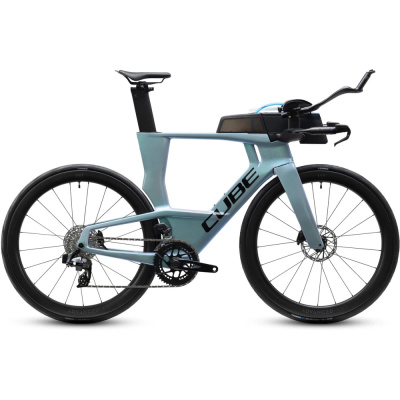
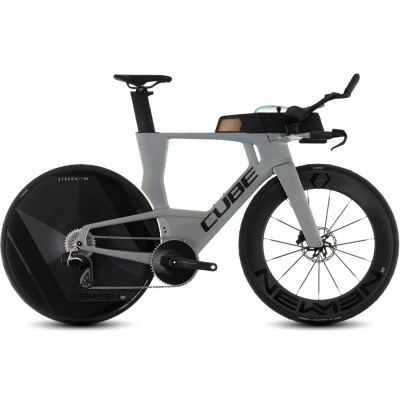
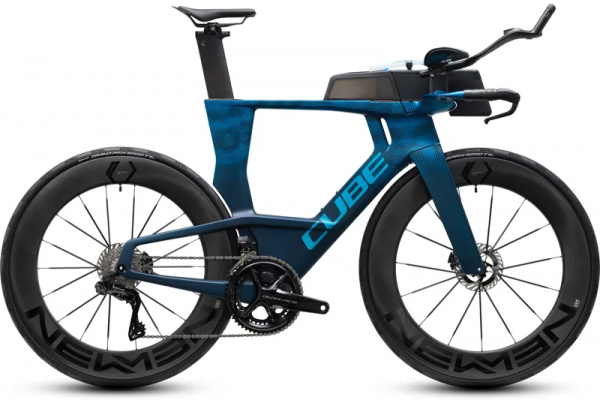
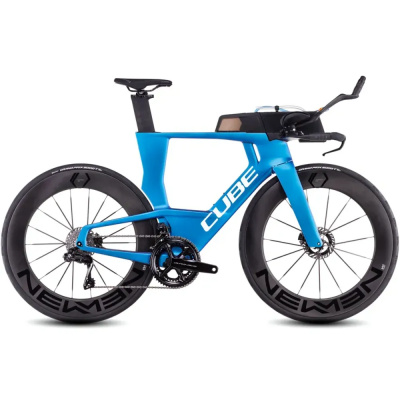
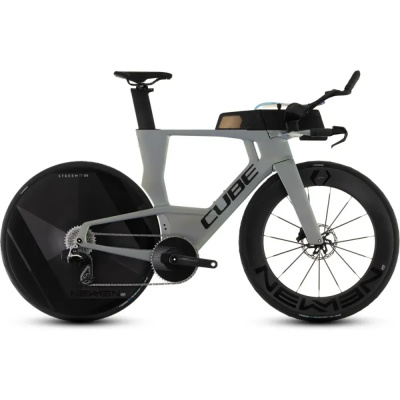
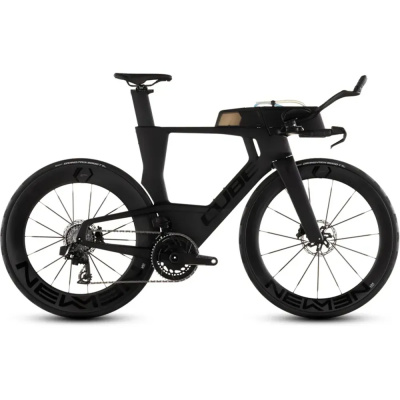
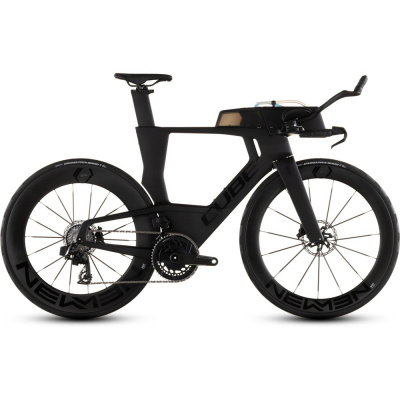
Prices and availability can change quickly. Delivery charges are not always included in listed prices.
Final price, stock status and delivery terms are set by retailer. We may receive a commission on purchases made.
Decoding the CUBE Aerium Lineup
The Aerium family breaks into two clear camps. The Aerium C:68 TT is CUBE's UCI-compliant time trial bike - stripped back, geometry-tight, and built to meet the strict frame shape regulations that govern sanctioned events. No fairings, no on-board storage. Just a clean, fast profile you can race on a club 10 or a national championship course without a question from the commissaires.
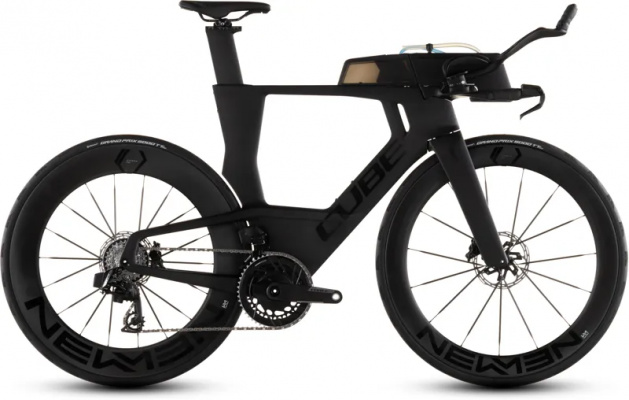
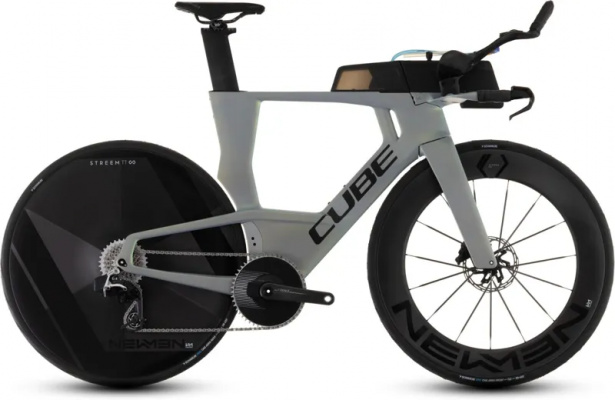
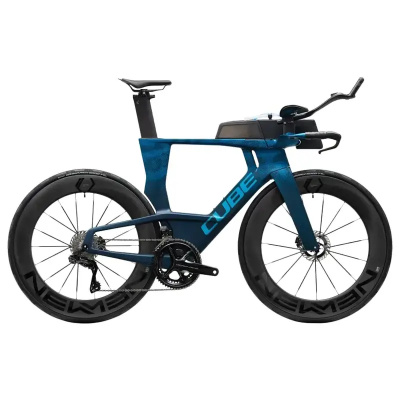
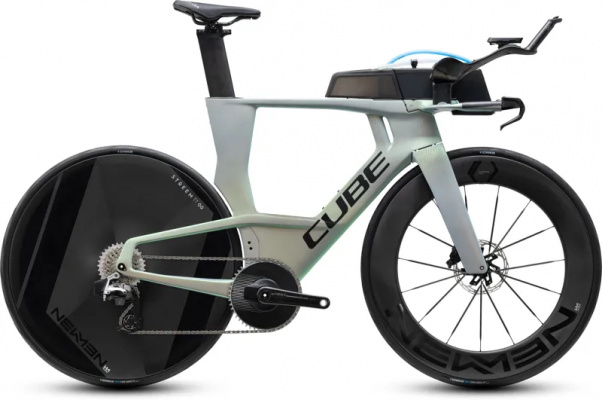
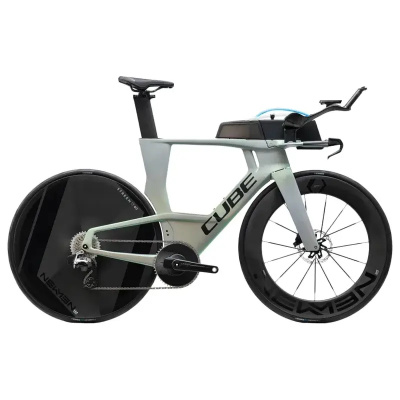
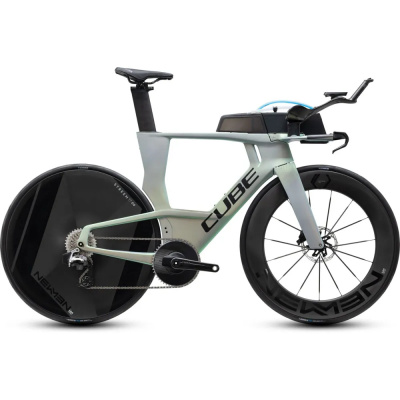
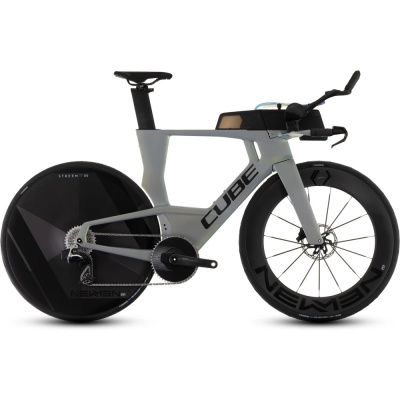
The Aerium C:68X Triathlon takes a different path entirely. Deep frame fairings, an Integrated Gear Box and Food Box built directly into the frame, and a front-end hydration system that keeps nutrition within reach without you sitting up or fumbling with pockets. It's not UCI legal - those integrated fairings and storage compartments rule it out - but for Ironman or 70.3 racing, that's completely irrelevant. Long-distance triathlon runs under different rules, and CUBE has exploited every millimetre of that freedom.
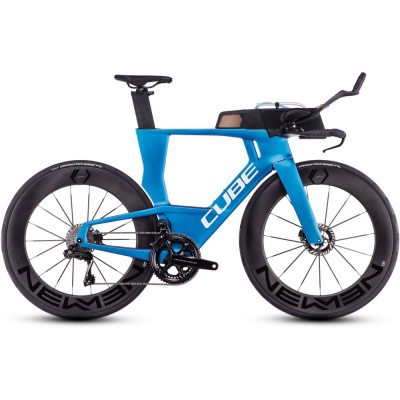
Within each model, trim levels denote groupset and wheel specification. SLT builds sit at the top with Dura-Ace Di2 and deeper carbon wheelsets; SLX steps down to Ultegra Di2 with slightly shallower rims. The frame and fork geometry stay consistent across trims - you're paying up for drivetrain refinement and wheel aero depth, not a different chassis. If you're comparing similarly positioned machines, it's worth also looking at what Cervélo TT and Triathlon bikes offer at each price point, since Cervélo targets an overlapping audience with a comparable philosophy.
The Tech Behind the Speed
CUBE's C:68X carbon layup is more than a marketing badge. The 68% carbon fibre ratio, combined with nano-resin rather than conventional epoxy, reduces resin weight while improving fibre-to-resin bond strength. In practical terms, that means a stiffer bottom bracket area for crisper power transfer under load, and a frame that doesn't carry unnecessary grams in the layup itself. Advanced Twin Mold technology allows CUBE to produce more complex internal tube shapes without the compromises that come from simpler moulding processes - the result is cleaner internal profiles and more consistent wall thickness throughout.
The standout structural feature is the Twin Tube head tube. Rather than a conventional single-tube design, CUBE's head tube uses a twin-spar construction that splits airflow around the fork crown and steerer junction. This reduces frontal drag at the most turbulent part of the frame and, critically, improves crosswind stability by managing how disturbed air interacts with the front end. On an exposed A-road course - the kind of dual-carriageway blast that defines most UK club time trials - gusty crosswinds are a constant nuisance. A twitchy front end costs you focus and speed. The Twin Tube geometry keeps the handling more predictable when a lorry passes or a gap in a hedgerow lets a gust through sideways.
Disc brakes are integrated into the aero profile rather than bolted on as an afterthought. The hydraulic caliper placement is shaped into the frame's silhouette, so you keep clean airflow lines without sacrificing wet-weather braking reliability - something you'll appreciate on a damp autumn morning in the East Midlands. For comparison, Trek TT and Triathlon bikes take a broadly similar integrated-disc approach, and it's worth seeing how their Speed Concept stacks up on cockpit adjustability specifically.
Running a CUBE Aerium on UK Roads
UK time trial courses aren't always kind. Chip-seal tarmac, road camber, and patchy surfaces are the norm rather than the exception. The Aerium's tyre clearance accommodates 28c rubber without drama, which makes a genuine difference on rough surfaces - wider tyres at slightly lower pressures absorb vibration and maintain rolling speed more consistently than a 23c squeezed to maximum pressure. If your course has a rough section, don't leave a tyre swap on the table.
Keeping the integrated front end in good shape takes a little more attention than a conventional stem-and-bar setup. After wet, gritty rides, headset bearings in integrated aero cockpits can accumulate debris faster than you'd expect. A quick rinse and periodic bearing check will save you from notchy steering developing mid-season. It's not complicated, just easy to forget when you're focused on interval training.
Dialling in your aero tuck is the other variable that the frame alone can't fix. Stack and reach need to match your fit data precisely - if you need to adjust reach after buying, CUBE stems are the logical starting point before you start swapping base bar extensions. Getting the cockpit right before race day rather than on it will repay the effort many times over. Giant TT and Triathlon bikes are another option worth checking if fit flexibility is a priority, as Giant's Trinity range offers its own approach to modular cockpit adjustment.
One thing worth knowing before you buy: the Triathlon version's Integrated Gear Box and Food Box is frame-specific. You can't retrofit it to the TT model, and the storage compartments are designed around CUBE's own nutrition packaging dimensions. It works well once you're familiar with it, but plan your race nutrition setup in training, not on the morning of the event.
Cube Time Trial & Triathlon Bikes FAQs
Is the CUBE Aerium UCI legal?
The Aerium C:68 TT is fully UCI compliant and legal for sanctioned time trials. The Aerium C:68X Triathlon is not - its integrated fairings and storage boxes fall outside UCI frame shape rules. That's no issue for Ironman or 70.3 racing, which operates under different regulations entirely.
What is the difference between CUBE Aerium TT and Triathlon bikes?
The TT version removes all integrated storage and meets strict UCI frame geometry rules. The Triathlon version adds deeper aerodynamic fairings, a built-in food box, and an integrated hydration system designed for long-distance self-sufficiency. Different tools for different race formats - the core C:68X carbon chassis underpins both.
How do you adjust the cockpit on a CUBE Aerium?
The Aerium cockpit uses a modular system - stack height adjusts via spacers, and extension reach can be dialled in through base bar adapters. For more significant reach changes, CUBE-specific stems are the practical route. Get a proper bike fit before you start swapping parts; small adjustments compound quickly on a TT position.