
Cube Gloves
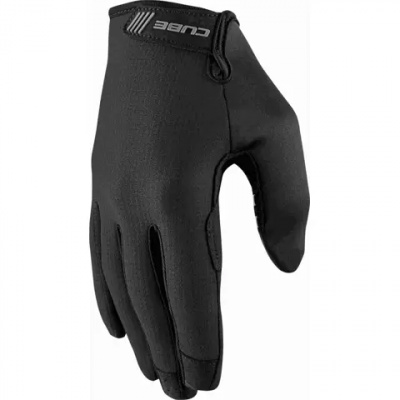
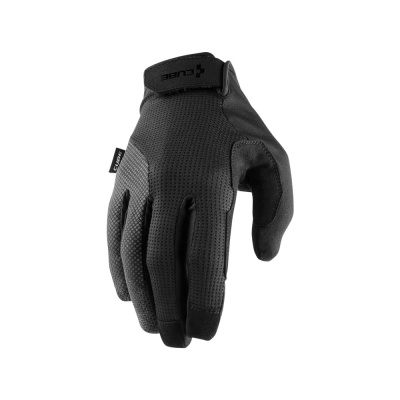
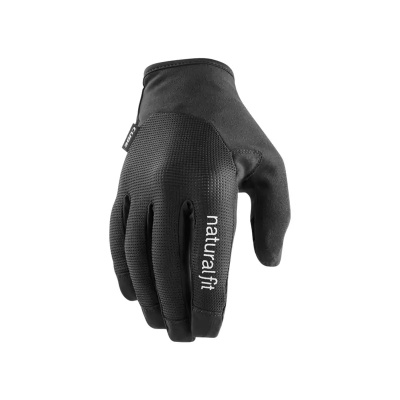
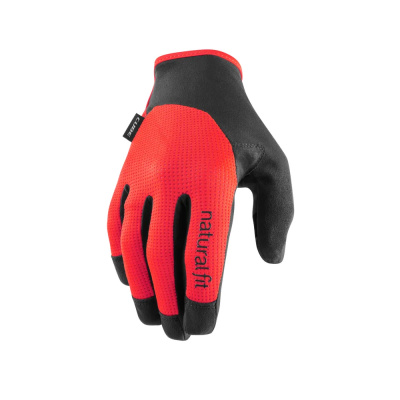
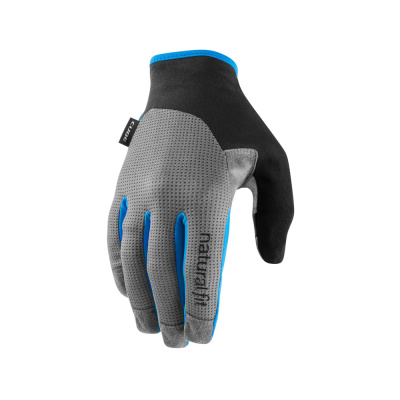
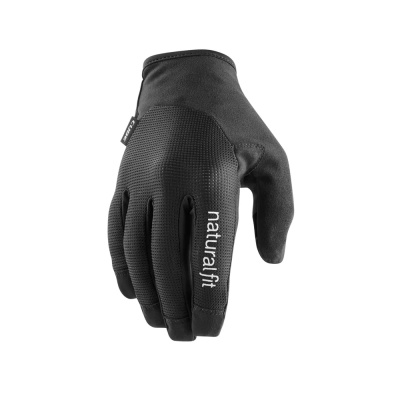
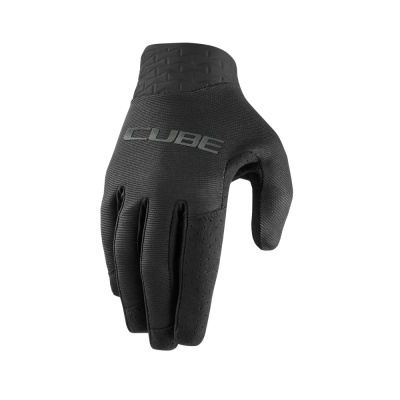
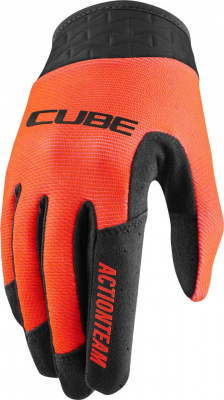
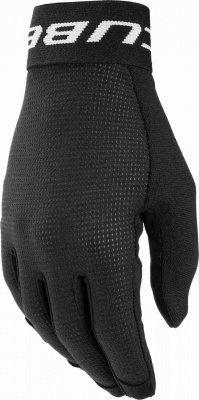
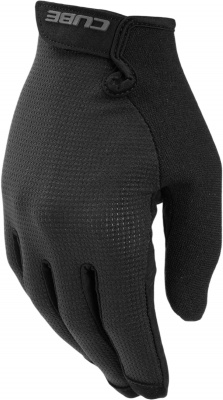
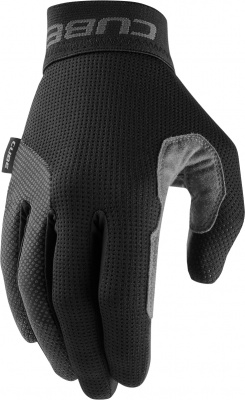
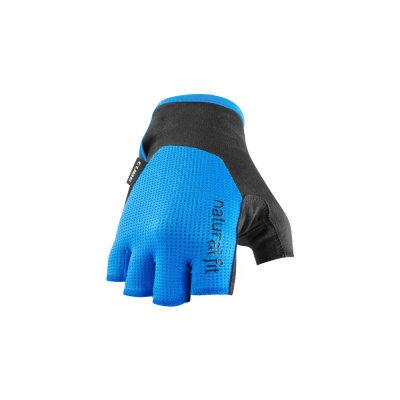
Cube cycling gloves sit at one of the most overlooked contact points on the bike - and getting them wrong means numb hands by the top of the climb or slipping fingers on wet brakes. Cube's range runs from featherlight summer mitts to heavily insulated winter gloves, and the thread connecting them all is Natural Fit technology: an ergonomic design system that positions gel and foam padding to take pressure off the ulnar nerve, the one responsible for that familiar tingle on long rides. It works. Hand fatigue drops noticeably on rides where you'd normally be shaking out your fingers at every set of lights.
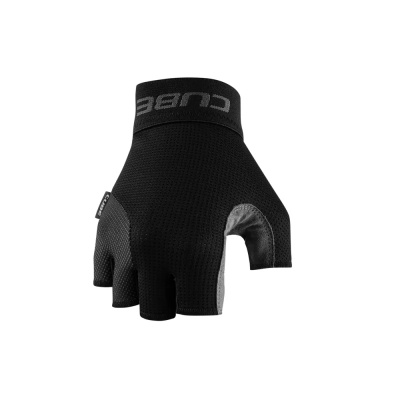
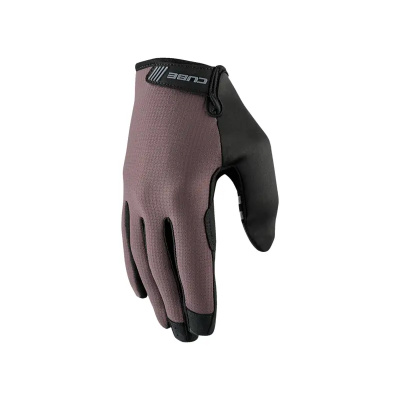
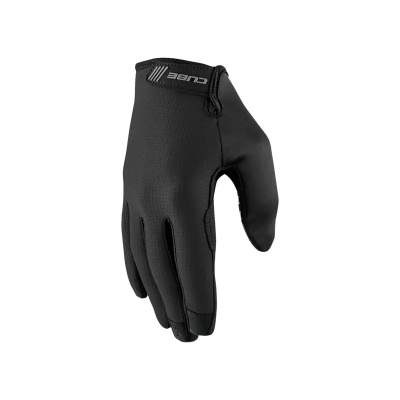
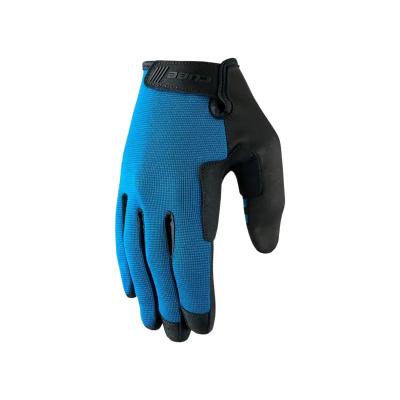
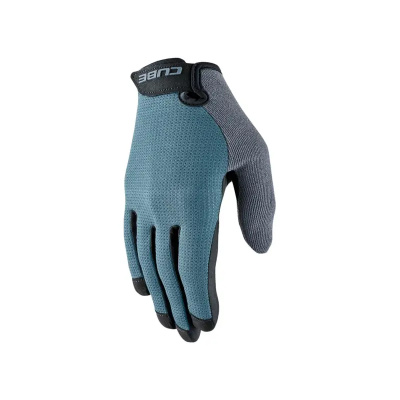
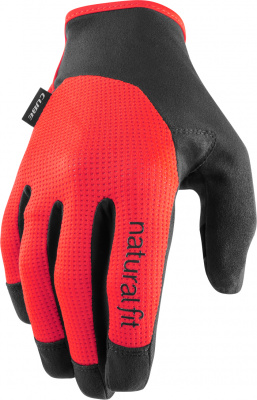
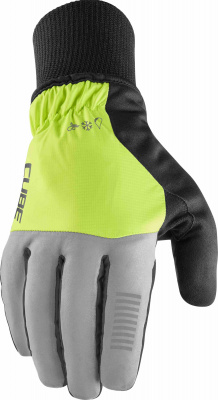
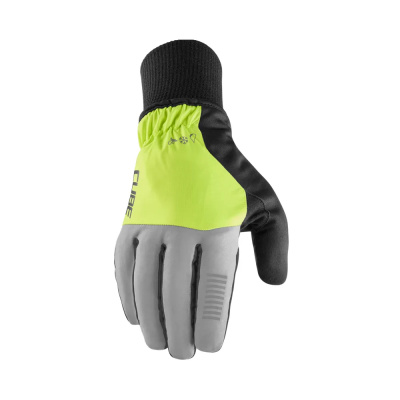
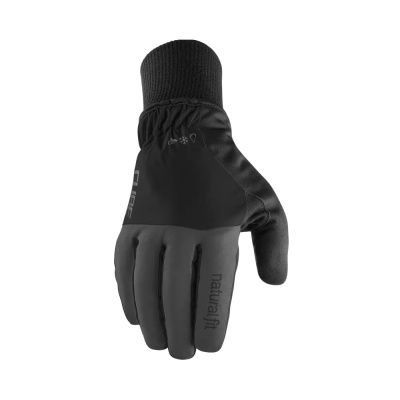
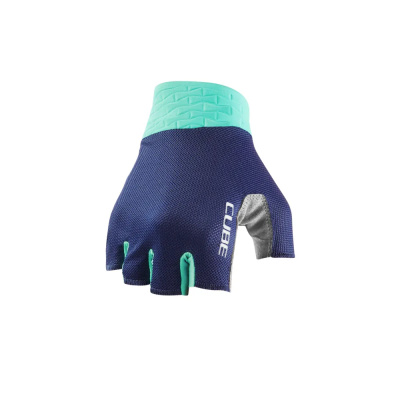
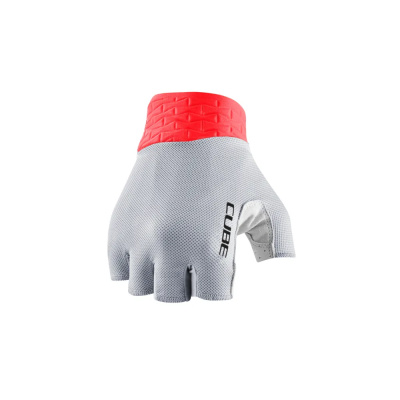
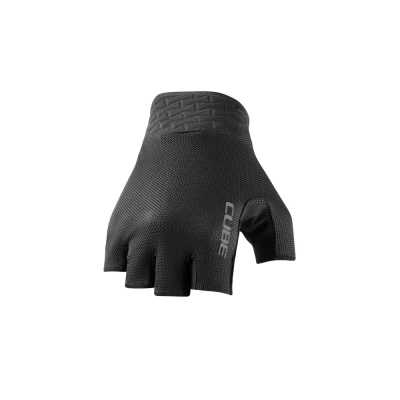
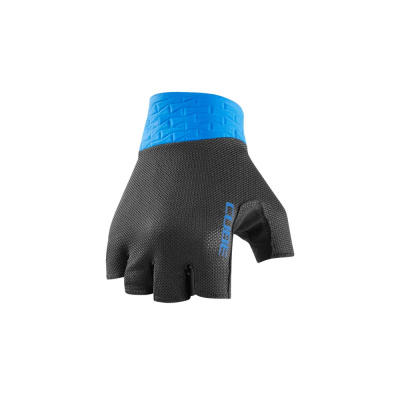
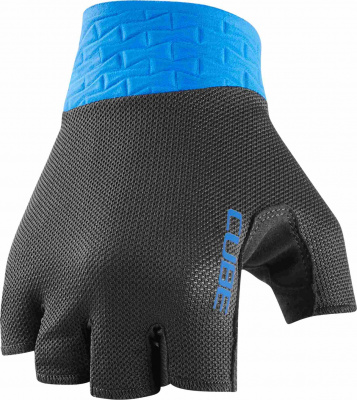
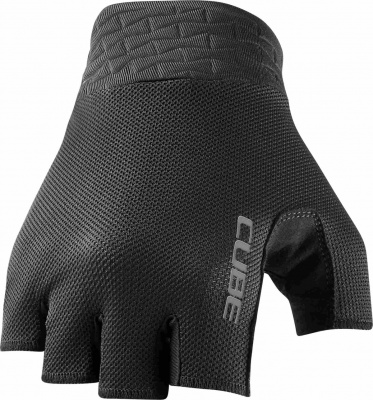
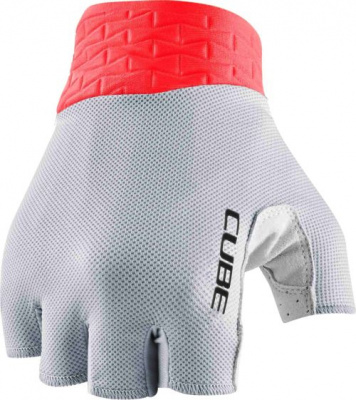
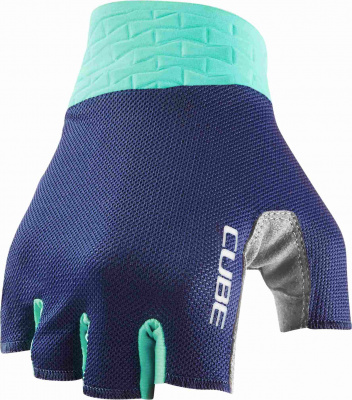
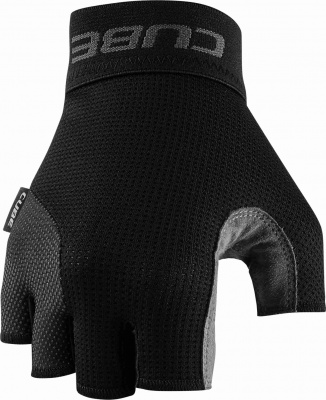
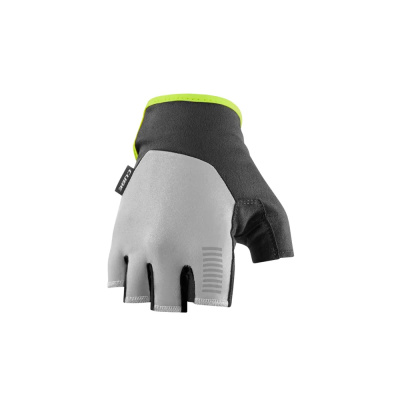
For UK riders, the range earns its keep across the board. Summer short-finger options use breathable mesh uppers and moisture-wicking liners to handle humid Welsh valley climbs without turning your palms into a swamp. Step into autumn and the mid-weight long-finger gloves bridge the gap between arm warmers and full winter kit. When the cold properly bites - think Scottish highlands in January or exposed Peak District ridgelines - Cube's CUBE WS winter gloves bring windproof membranes and water-resistant coatings. Touchscreen-compatible fingertips mean you're not pulling gloves off every time you need to check your route. Silicone grip prints on the palm keep your hands planted on the bars when the roads are greasy.
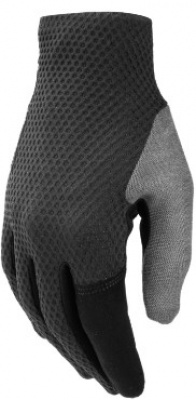
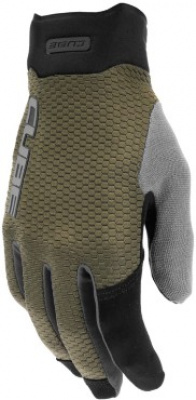
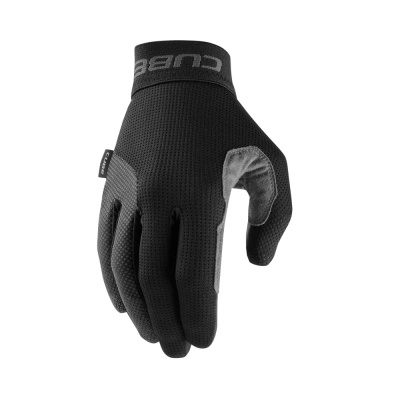
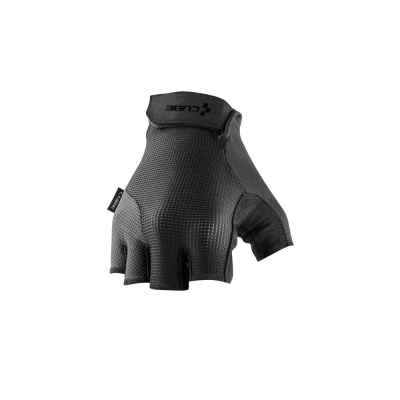
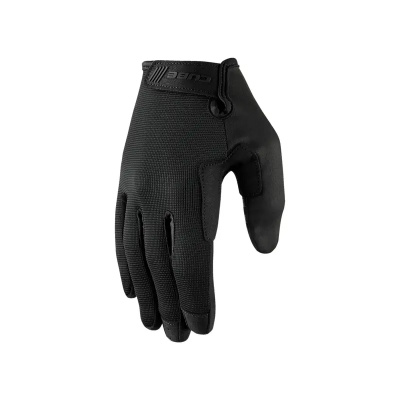
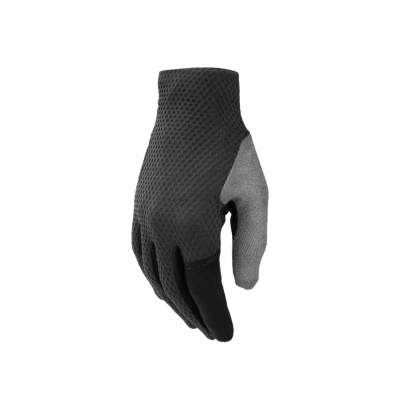
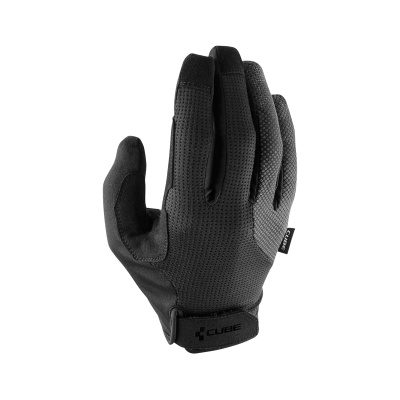
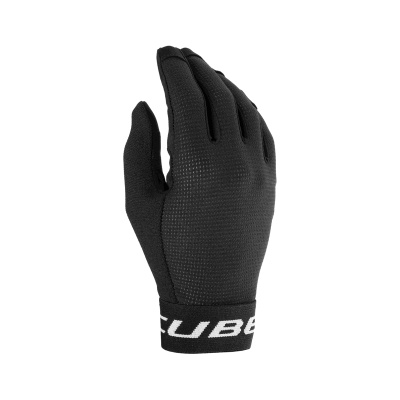
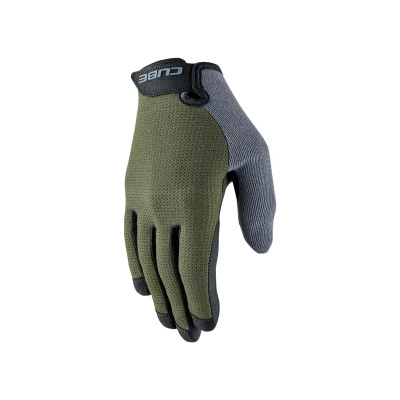
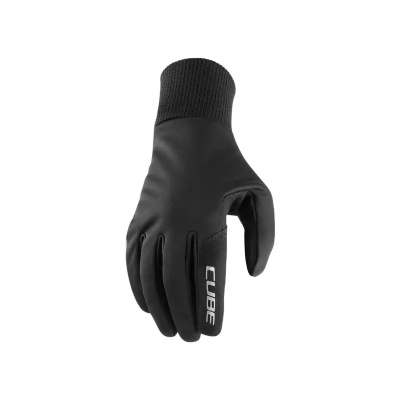
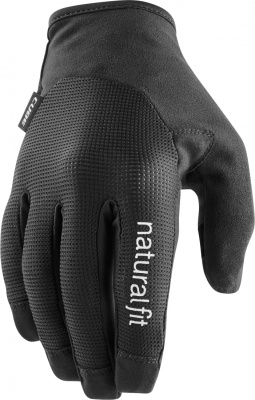
Prices and availability can change quickly. Delivery charges are not always included in listed prices.
Final price, stock status and delivery terms are set by retailer. We may receive a commission on purchases made.
Fabric Tech and Weather Performance Across the Range
Cube splits its glove fabrics sensibly by season, and it shows in the details. The summer road and Cube short finger gloves use open-mesh uppers that move air across your hands without letting them flap around on the bars. Moisture-wicking construction pulls sweat away from the skin - useful when you're grinding up a long climb in August humidity and your hands would otherwise feel like you've been holding a hot mug for an hour. The mesh panels are thin enough that bar feel isn't compromised, which matters more than people admit on technical descents.
Winter is where the engineering gets more involved. Windproof membranes in the Cube winter cycling gloves block the kind of headwind chill that cuts through standard fleece in minutes on exposed routes. Water-resistant coatings - most using a DWR finish - handle light drizzle and spray from wet roads without making the glove feel like a rubber glove. Neoprene cuffs on the heavier models seal the gap between sleeve and glove, which is the spot where cold air always finds a way in. The silicone prints on the palm are a practical detail worth flagging: they keep your grip on the brake levers solid even when your gloves are wet through, which on a sketchy descent is exactly when you need it most. Vibration dampening from the gel padding also does useful work on rough B-roads, where road chatter through the bars over miles of patchy tarmac adds up.
The Cube Fit and What Separates Road from MTB
Natural Fit technology is Cube's answer to a genuine problem. The ulnar nerve runs along the outside edge of your palm, and sustained pressure there - from gripping bars over hours - causes the hand numbness that sends riders reaching for thicker bar tape or softer grips. Cube's approach places gel padding precisely where that pressure builds, rather than padding the whole palm and adding unnecessary bulk. The result is a glove that feels lighter than the protection it offers, and one that works across both road and trail riding.
On the road side, Cube road bike gloves and short-finger mitts keep the profile slim. Less bulk means your hands sit naturally on the hoods without fighting the glove's shape, and the targeted gel keeps palm pressure in check on longer sportive efforts. These aren't gloves that add an inch of foam between you and the bar - they're designed for feel with just enough cushioning where it counts.
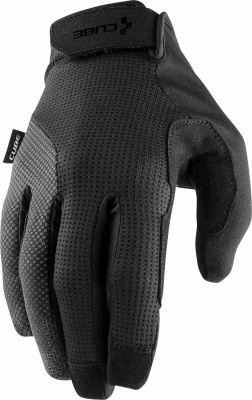
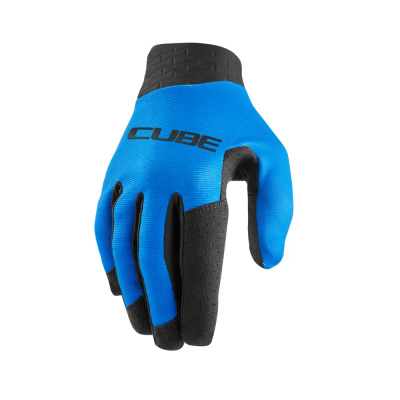
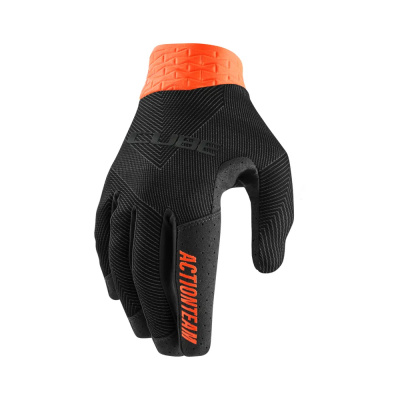
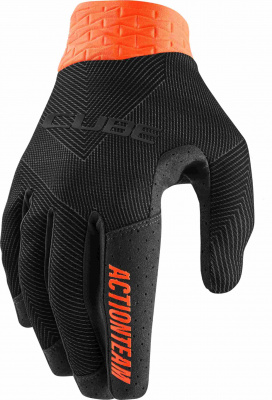
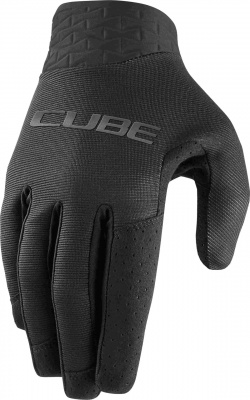
The Cube MTB gloves take a different approach. Long-finger construction protects knuckles from trail-side vegetation and the odd low branch, and the materials are tougher to handle repeated contact with rocks or bark on a technical descent. Bar feel is still prioritised - these aren't padded mittens - but durability and protection get more weight in the brief. If you're running Cube's own contact points, it's worth checking how your gloves pair with Cube grips, since the silicone palm prints and grip compound work together to give you consistent feel without over-gripping. For riders who split time between road and trail, the mid-weight long-finger options sit in a reasonable middle ground. On sizing: Cube gloves generally run true to size, but the winter models can feel snug once the insulation is factored in. If you're between sizes or planning to layer a thin liner glove underneath, go up.
Compared to options from Endura or Castelli, Cube tends to offer slightly more padding in the palm without going as far as the heavily cushioned touring-style gloves. Fox and GripGrab cover similar ground on the MTB and all-weather ends respectively, but Cube's Natural Fit ergonomic system is a more considered approach to nerve pressure than most at this price bracket.
Layering, Pairing, and Keeping Them in Good Shape
Gloves are part of a system, not an afterthought. For those awkward March and October days - cold at the start, warm by the first café stop - a lightweight long-finger glove paired with arm warmers gives you options. You can stash the warmers in a jersey pocket; you can't really stash a mid-weight winter glove. The Cube Natural Fit gloves in the lighter long-finger spec are a decent pick for this kind of transitional riding, where you want coverage without committing to full winter mode.
Your gloves interact directly with your bar setup, so it's worth thinking about the full picture. If you're running Cube bar tape, the combination of gel padding in the tape and gel padding in the glove can occasionally feel like too much cushioning - you lose some direct feedback. In that case, a thinner glove with a well-padded tape tends to work better than stacking both. Personal preference plays into it, but it's a trade-off worth knowing about before you kit up.
On care: wash your gloves on a gentle 30-degree cycle with a mild, non-biological detergent. Fabric softener is the enemy here - it breaks down the DWR coating on winter models and ruins the moisture-wicking properties of summer ones. Air dry them away from radiators. The synthetic leather palms found on most Cube gloves will crack and shrink if you try to speed-dry them on a hot source, and once that leather starts peeling, the grip and durability go with it. A little patience after washing keeps them functional for multiple seasons.
Cube Gloves FAQs
Are Cube cycling gloves true to size?
Generally, yes. Most Cube gloves fit as expected from the size guide, but their winter models can feel tighter once the extra insulation is factored in. If you're on the boundary between two sizes, or you plan to layer a thin liner glove in deep winter, it's worth sizing up to avoid a restricted feel.
How do I wash my Cube cycling gloves?
Use a gentle 30-degree cycle with a mild, non-biological detergent. Skip the fabric softener - it degrades both the DWR coating on winter gloves and the moisture-wicking properties on summer ones. Always air dry away from direct heat; radiators cause synthetic leather palms to crack and shrink, which shortens the glove's lifespan considerably.
What is Cube Natural Fit technology in gloves?
It's Cube's ergonomic padding system, designed to target pressure on the ulnar nerve - the nerve running along the outer edge of your palm that causes hand numbness on long rides. By placing gel or foam padding precisely where that pressure builds, rather than across the whole palm, Natural Fit reduces fatigue without adding unnecessary bulk between your hand and the bar.