
Cube Gilets
Cube cycling gilets are the layer you'll reach for more than almost anything else in your kit bag. One pocket-sized vest can turn a cold, blustery morning ride into something genuinely enjoyable - and when the sun finally shows up, it folds away before you've crested the climb. That's the whole point.
Cube builds these vests around a straightforward principle: block the wind where it matters, let heat out where it doesn't. A windproof front deals with the chest-freezing chill of a fast descent or an exposed bridleway, while a mesh back panel keeps air moving so you're not soaked through by the top of the first hill. Add a DWR coating to bat away light road spray and you've got something genuinely useful for British riding, not just a marketing layer.
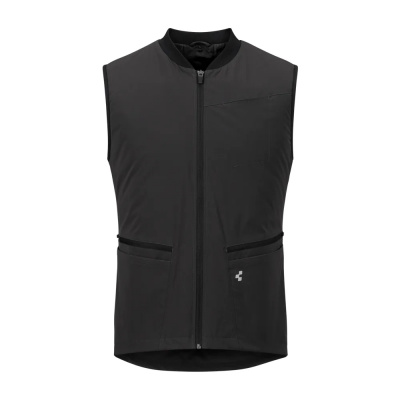
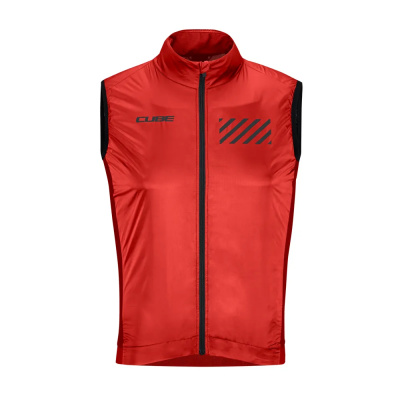
The range covers everything from aerodynamic race fits to relaxed commuter-friendly cuts, with packable designs that genuinely disappear into a rear jersey pocket. Reflective detailing on darker models means you're not invisible on grey November afternoons either. If you only add one piece of kit this season, a Cube cycling gilet makes a strong case for itself.
Prices and availability can change quickly. Delivery charges are not always included in listed prices.
Final price, stock status and delivery terms are set by retailer. We may receive a commission on purchases made.
Windproof Fabrics, DWR Coatings and Why the Back Matters
The fabric split on a Cube gilet isn't arbitrary. The front panel uses a tightly woven, windproof face fabric - often with a DWR coating - that kills wind chill on open roads and descents without trapping heat when you're working hard. That coating also sheds light spray and the persistent drizzle that passes for summer in most of the UK. It won't replace a waterproof jacket in a proper downpour, but it handles the stuff that catches you out on a two-hour loop.
The mesh back panel is where Cube earns its keep on climbs. British humidity is real - a ride up something like the Cat and Fiddle or any sustained Welsh valley grind will have you overheating fast if your back has nowhere to breathe. The open mesh structure pulls moisture away and lets heat dissipate, so your core temperature stays manageable rather than spiking. It's a simple fix that makes a genuine difference.
Most models in the range also feature a two-way zip, which lets you crack the bottom of the gilet open for extra airflow on the way up, then close it back down on the descent. It also means you can reach into your rear jersey pockets without peeling the whole thing off - genuinely useful when you're grabbing a gel mid-ride. Thermal winter models add Primaloft insulation to the mix, giving meaningful warmth for sub-five-degree mornings without the bulk of a full jacket.
The Cube Range: Race Fit, Team Replica or Trail-Ready
Cube structures its gilet range in a way that mirrors how it approaches its bike lineup - there's something for most rider types, but the differences matter when you're choosing. Getting the right cut for how you actually ride makes the difference between a gilet you wear constantly and one that sits in a drawer.
The Blackline series is the performance end of the range. Tighter through the chest and shoulders, minimal extra material at the back, and cut to work with an aggressive road or gravel position. If you're spending long days in the drops on one of Cube's road bikes or pushing distance on a gravel bike, the Blackline's aerodynamic cut makes sense. The fabric flap-free fit also means it behaves predictably at speed. A Cube Blackline gilet is about as close to race-ready as a gilet gets.
The Teamline sits in the middle - inspired by Cube's pro team kit, so it carries the same colour language, but the fit is slightly more forgiving than the Blackline without losing the road-oriented shape. It's a good call for riders who want the look of team kit without committing to a fully race-tight cut.
At the other end, the ATX range uses a more relaxed, upright geometry fit. It works for commuters, sportive riders, and anyone on a more relaxed bar position. It also layers more comfortably over a heavier base layer or a long-sleeve jersey. On sizing, the general rule is straightforward: if you're wearing the gilet over a summer jersey, go true to size. If you're planning to layer it over a winter jersey or a thicker mid-layer, go one size up. Cube's sizing runs fairly consistent with European road kit - if you're between sizes, lean larger rather than smaller for layering purposes.
For comparison, brands like Castelli tend to cut very close at the performance end, while Endura often offers slightly more generous proportions through the torso - useful context if you've ridden either brand's kit before. Altura sits closer to the commuter end of the market with a more relaxed cut throughout.
Building a Layering System for UK Riding - and Keeping It Working
A gilet works hardest as part of a system rather than a standalone piece. For spring and autumn riding - the seasons that make up about two-thirds of the actual UK riding year - the combination of a moisture-wicking base layer, a long-sleeve jersey, and a Cube gilet on top covers a wide temperature range. Add arm warmers and you've got a kit setup that handles everything from a seven-degree start to a fifteen-degree midday without needing to stop and reorganise. If you're running Cube kit through, pairing with their arm warmers keeps the layering system cohesive and the sleeve-to-gilet join tidy.
For winter, the Primaloft-insulated thermal models work well over a thermal base layer when temperatures drop properly. They're not designed to replace a full winter jacket on truly bitter days, but for three-season use - including cold British autumns and mild winters - they handle the range without fuss.
Care is worth getting right. Wash at 30 degrees using a technical apparel detergent - avoid standard fabric softener entirely, as it clogs the DWR coating and kills both the water repellency and the breathability of the mesh back. Tumble drying on low heat after washing can actually help reactivate the DWR, but check the label first. Hang drying is fine but won't restore the coating the same way. Store packable models loosely rather than compressed for months at a time - keeping the fabric rolled tight in a saddle bag all winter won't do the insulation or face fabric any favours long-term.
On packability - most Cube gilets compress into a rear jersey pocket without drama. Fold the gilet in half lengthways, roll it tightly from the hem up, then tuck it into the pocket. If yours has a stuff pocket built in, use it. For anything bulkier, a small saddle bag gives you more options without adding meaningful weight to the bike.
Cube Gilets FAQs
Should a Cube cycling gilet be tight?
A close fit is the right call - it stops the fabric catching wind and billowing at speed. That said, you need enough room across the chest to layer comfortably over your jersey. If you're planning to wear it over a winter jersey or base layer combination, sizing up one step is worth considering.
Are cycling gilets worth it for UK riding?
For UK conditions, yes - arguably more than almost any other single layer. A gilet keeps your core protected from wind chill while letting excess heat out through your arms, which means it works across a wider temperature range than a jacket. It's the piece of kit that gets pulled out on the most rides.
How do you pack a Cube cycling gilet?
Fold it in half lengthways, roll it tightly from the hem, and it'll slot into a rear jersey pocket without much fuss. Models with a built-in stuff pocket make this even quicker. If you're out for longer and want the option back, a small saddle bag keeps it accessible without losing the pocket space.