
Bluey Kids Bikes
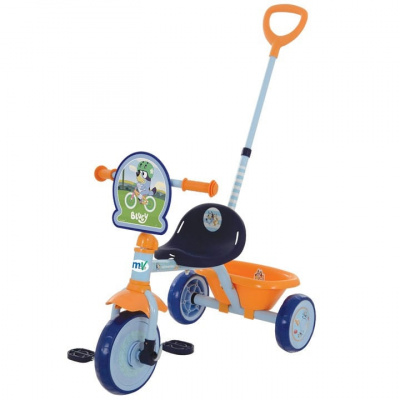
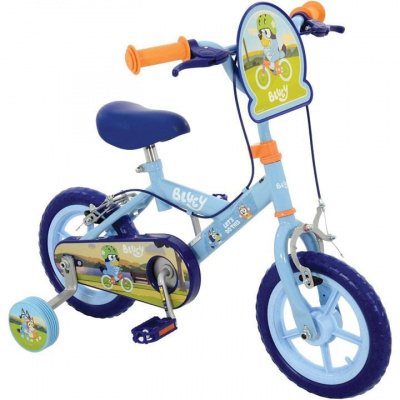
Bluey kids bikes turn the wobbly, nerve-wracking business of learning to pedal into something a child actually wants to do. Designed for fans of the hit Australian show, these bikes wrap genuine child-specific engineering in vivid character graphics that make the school run feel like an adventure. The low standover geometry means small riders can get a foot flat to the ground without any top-tube drama, and the short-reach brake levers are sized so little hands can actually squeeze them - not just grab at them uselessly. A fully enclosed chainguard keeps shoelaces and curious fingers away from the drivetrain, and matching removable stabilisers come in the box for those first tentative pedal strokes on the driveway. Mudguards handle the inevitable UK puddle encounters. What you get is a bike that looks brilliant in the eyes of a three or four-year-old, but is quietly doing the serious work of building real cycling confidence underneath. For parents carrying a tired child and a bike across a soggy park, the lightweight frame matters too. These are bikes that make learning feel less like a lesson and more like playtime.
Prices and availability can change quickly. Delivery charges are not always included in listed prices.
Final price, stock status and delivery terms are set by retailer. We may receive a commission on purchases made.
Decoding the Bluey Kids Bike Lineup
The range splits cleanly into two wheel sizes, and picking the right one is mostly about inside leg length rather than age alone. The 12-inch wheel bikes suit riders roughly between three and five years old - think 85 - 100cm in height - who are just making the leap from a balance bike or taking their very first pedal strokes with stabilisers fitted. The geometry is compact and low, so there's very little bike to manage. The 14-inch options step up for children aged around four to six, typically 95 - 110cm tall, who've already found their feet and want something with a bit more range. Both sizes come with tool-free removable stabilisers, which is a genuinely useful detail - you can drop them in the car park without needing a spanner, and put them back just as quickly if confidence wobbles.
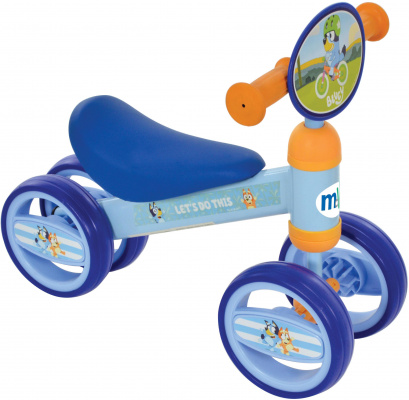
The stabiliser adjustment is worth knowing about: rather than removing them in one go, try raising them a centimetre off the ground first. The child still feels safe but starts loading each pedal stroke naturally, which speeds up the transition to riding free considerably. Once they're barely touching the floor, they're probably ready to go without. If your little one isn't quite ready for pedals, starting without them is the best way to learn core stability. Check out our dedicated Bluey Balance Bikes page to get them rolling.
Worth noting on sizing: always measure the inside leg and check the standover height of the specific model before buying. Bluey bikes sit alongside other character options - Cocomelon kids bikes and Disney kids bikes follow similar size conventions if you're comparing across ranges - but the Bluey colourways tend to be the deciding factor for fans of the show.
The Bluey Tech Philosophy: Safety Meets Fun
Strip away the Bluey graphics and what's underneath is a thoughtful set of child-specific decisions that make a real difference when a small person is learning to control a bike for the first time. Start with the low standover geometry. On an adult bike, catching the top tube during a sudden stop is an annoyance. On a child's bike, it's what causes the kind of crash that puts them off riding for weeks. Getting the standover low means a child can dab a foot instinctively without thinking about it, which keeps momentum and confidence intact.
The child-specific short-reach brake levers are the detail most parents overlook until they watch a child frantically grabbing at levers that are simply too far away to squeeze properly. Bluey bikes position the lever blade much closer to the handlebar, matched to the span of a small hand. A child who can actually stop the bike is a child who'll ride more boldly - and more safely. It sounds obvious, but plenty of budget bikes skip this and fit adult-proportioned levers as standard.
The fully enclosed character chainguard does two jobs. It keeps the chain protected from the worst of the weather, reducing the frequency of drivetrain maintenance, and it physically stops shoelaces, trouser hems, and small fingers from getting anywhere near the moving parts. The character graphics on the guard are part of the design rather than a sticker bolted on as an afterthought, which means it holds up better to the scrapes and park knocks that are unavoidable at this age.
Pneumatic tyres - air-filled rather than solid foam - give a noticeably smoother ride over cracked pavements and gravel paths. A child on solid tyres will feel every bump through the handlebar; a child on pneumatic tyres is cushioned just enough to stay comfortable and in control. It's the difference between a ride that's enjoyable and one that's tiring.
Living with a Bluey Bike in the UK
Most kids' bikes in the UK spend their lives in a damp garage or a shed that leaks in February, and the Bluey range is no exception to that reality. The chain and bearings will corrode faster than you'd expect if the bike gets wet and is then left without any attention. A quick wipe of the chain with a dry rag after a wet ride, and a light application of a basic chain lubricant every few weeks, will extend its life significantly. It takes two minutes and saves you from a grinding drivetrain mid-park-run.
The mudguards fitted as standard are worth their weight on a British school run. Puddles are non-negotiable from October through April, and a mudguard that actually covers the tyre properly keeps your child's back dry and the bike a bit cleaner. Check the guards are still sitting square after any tumbles - they can rotate slightly on their mounts after a fall and start rubbing the tyre if left unchecked.
Adjustable saddle height is one of those features that earns its keep over a full season. Children grow faster than you expect, and being able to raise the saddle by a centimetre or two without specialist tools means the bike stays comfortable across two winters rather than one. It also means you can fine-tune the fit as their confidence improves - dropping the saddle slightly when they're learning gives them more ground contact; raising it once they're pedalling freely gets the leg extension right for efficiency.
On the weight question: a lighter frame matters enormously when a tired four-year-old has decided they're done and you're carrying the bike plus a wriggling child across a muddy park back to the car. The lightweight frame on Bluey bikes is a genuine consideration, not marketing padding. Pair the bike with a well-fitted Bluey kids helmet and you've covered the safety basics from the start. If you're browsing more widely, the full character kids bikes range on Bikesy covers a broad spread of sizes and themes.
Bluey Kids Bikes FAQs
What age is a 12-inch Bluey bike suitable for?
Generally, a 12-inch Bluey bike fits children aged three to five, but height matters more than age. Aim for an inside leg that lets them sit on the saddle with both feet comfortably flat to the floor. If they're stretching to reach the ground, drop down a size or adjust the saddle before anything else.
Does the Bluey kids bike come with stabilisers?
Yes. Bluey pedal bikes include matching removable stabilisers straight out of the box. They're tool-free to adjust or remove, so you can raise them gradually as your child's balance improves rather than going cold turkey - which tends to work far better than a sudden switch.
Are the brakes on a Bluey bike easy for a child to use?
They are. Bluey bikes use child-specific short-reach brake levers, positioned much closer to the handlebar than you'd find on a standard bike. Small hands can get a proper squeeze without stretching, which means your child can actually stop when they need to rather than fumbling at levers that don't respond.