
Bioracer Gilets
Bioracer gilets are engineered in Belgium and refined through years of pro-peloton development - and that pedigree shows the moment you pull one on. Where a full jacket feels like overkill and a base layer alone leaves you cooked by the first climb, a gilet sits right in the gap. Keep your core warm, free your arms, manage your temperature on the move. That's the job, and Bioracer does it well.
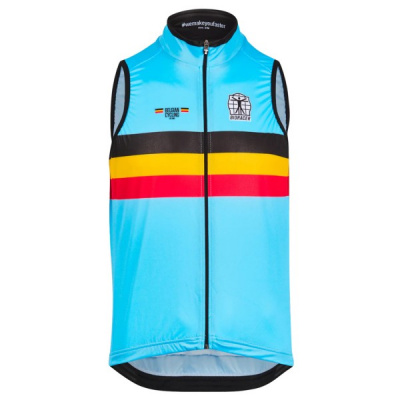
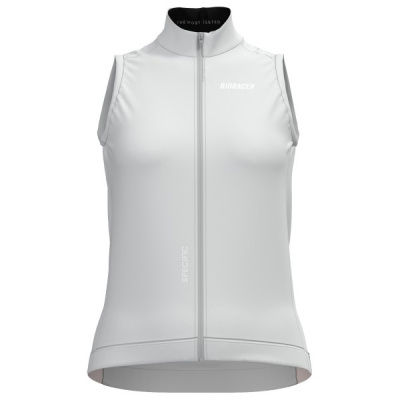
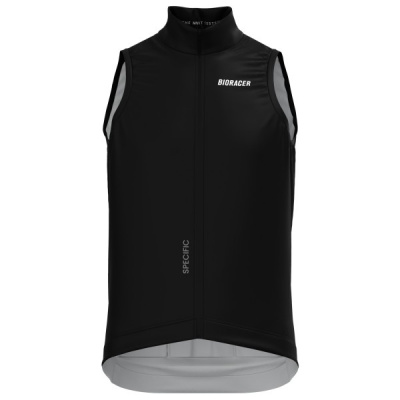
Two proprietary fabrics do the heavy lifting. Tempest handles the biting stuff - wind, light rain, damp autumn mornings when you're not quite sure what's coming. Stratos goes the other way: featherlight, highly packable, made for summer descents when you want protection in your back pocket rather than on your back. Both fabrics sit in an aero fit that stays flat at speed, no flapping, no drag.
For UK riders specifically, that packability matters. Spring and autumn rides here can throw four seasons at you before you've hit the café stop. Being able to stuff a gilet into a jersey pocket on the climb and pull it back out on the descent is a genuine, practical advantage - not a brochure claim. If you're sizing up the range, that's the first thing to think about: Tempest for shoulder-season protection, Stratos for warm-weather versatility.
Prices and availability can change quickly. Delivery charges are not always included in listed prices.
Final price, stock status and delivery terms are set by retailer. We may receive a commission on purchases made.
Tempest vs Stratos: What the Fabrics Actually Do
Bioracer's two core gilet fabrics serve different briefs, and picking the right one is straightforward once you know what each one prioritises. Tempest fabric is Bioracer's workhorse - a thermal, windproof material with a DWR coating that handles light rain and persistent drizzle without turning into a sauna. On a raw Welsh morning or a damp Peak District loop, it's the one you want. It blocks the wind chill on descents, takes the edge off showers, and still breathes well enough that you're not overheating on the climbs.
Stratos fabric is a different animal entirely. It's ultra-lightweight and so compressible it folds down to roughly the size of an apple - small enough to live in a jersey pocket without you noticing it's there. The trade-off is straightforward: less thermal protection, but serious packability and enough wind resistance to make summer descents comfortable. Think of it as your just-in-case layer for July rather than your defence against October.
Both fabrics benefit from perforated or mesh rear panels that actively dump heat when you're grinding up a steep climb. On a humid day in the Surrey Hills, that mesh back is the difference between riding comfortably and feeling like you're wrapped in cling film. It's a small detail with a big effect on how long you actually keep the gilet on.
The Bioracer Range: Fit, Cut, and Who Each Model Suits
Bioracer structures its gilet range around two distinct fits, and knowing which one you need saves a lot of second-guessing. The Bioracer Epic gilet is the race-end option - an aggressive, close-cut aero fit designed to sit flat over a skinsuit or race jersey without any loose fabric interrupting your position. If you're riding sportives hard, doing club chain-gang mornings, or just prefer that locked-in feeling, the Epic is built for you. One practical note: if you're planning to layer it over a long-sleeve jersey in autumn, size up. The fit is genuinely close.
The Icon line offers a more relaxed club cut - still trim, still tidy, but with a bit more room through the chest and shoulders for all-day comfort on longer endurance rides. Less aero than the Epic in pure terms, but more forgiving when you're out for four hours rather than racing a local crit. It suits riders who want a Bioracer cycling gilet that works as an everyday layer rather than a race-specific piece.
Across the range, two-way zippers are worth flagging specifically. Being able to unzip from the bottom means you can reach your rear jersey pockets without pulling the whole gilet off - genuinely useful mid-ride when you're fishing for a gel or a bar. It also lets you open the hem on long climbs for a bit of ventilation without fully exposing your core. Small feature, but you notice it quickly when it's there.
For riders comparing options, Castelli gilets offer a similar race-cut philosophy and are worth a look if you want to compare aero fits side by side. Endura gilets tend to offer a slightly roomier cut with strong UK weather credentials, while Le Col gilets sit closer to the pro-fit end of the spectrum, much like Bioracer's Epic line.
Layering It Right and Keeping It Working
A gilet only does its job properly if the rest of your kit is doing its job too. For autumn and spring riding - the kind of mixed-bag days you get across most of the UK - a Tempest gilet over a Bioracer long-sleeve jersey is a solid combination. The jersey handles your arms and base warmth, the gilet locks down your core and blocks the wind where you feel it most. You get flexibility without carrying a full extra layer.
In summer, a Stratos gilet over a short-sleeve jersey is the move for early morning starts when the temperature is 10°C but you know it'll be 20°C by 10am. Pack it away at the first decent climb and you'll barely know it's in your pocket for the rest of the ride. That's the packable cycling gilet case in one sentence: it gives you options without adding weight or bulk to your kit.
When the temperature drops properly - early November through to March - a gilet alone won't cut it. That's when you want to look at a Bioracer jacket with full sleeve coverage and deeper insulation. A gilet is a brilliant in-between layer, but it has limits and it's worth being honest about that.
On care: wash at 30 degrees, skip the fabric softener (it clogs the DWR membrane and kills the water repellency), and tumble dry on low or re-treat with a DWR spray every few washes to keep the core temperature management working as it should. A gilet that's had ten softener washes will wet out rather than bead, and you'll feel the difference immediately on a damp ride.
Bioracer Gilets FAQs
Are Bioracer gilets waterproof or windproof?
Bioracer gilets are windproof and highly water-resistant thanks to their proprietary Tempest fabric and DWR coating, making them well-suited to light rain and damp conditions. They're not fully taped waterproof garments - they prioritise breathability and packability, so in heavy sustained rain you'd want a full jacket.
How should a Bioracer cycling gilet fit?
Bioracer gilets are cut close with an aero fit to prevent fabric movement at speed. The Epic line in particular runs tight, so if you're planning to layer it over a long-sleeve jersey or prefer a more relaxed feel, sizing up is a sensible call.
Do Bioracer gilets pack down into a jersey pocket?
Lightweight Stratos models compress down to roughly the size of an apple and fit easily into a standard rear jersey pocket. Tempest gilets are less compressible due to their heavier fabric, but most still pack down small enough to stow when you no longer need them.