
BBB Dropper Posts
BBB dropper posts sit in a part of the market that makes a lot of sense for UK riders: genuinely capable kit that doesn't ask you to remortgage before heading out on the trails. The range is built around sealed alloy cartridges and low-friction wiper seals - two details that matter far more than badge prestige once you're washing November grit off the bike for the third time that week.
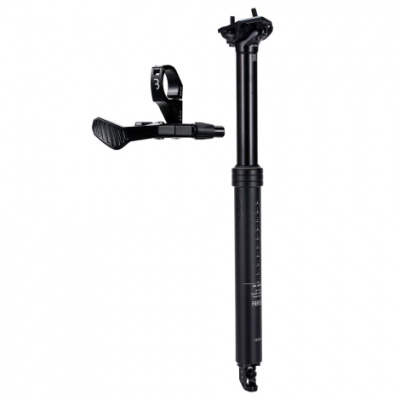
Drop the saddle on a steep, rooty descent, flick it back up for the next climb - that's the whole point, and BBB's actuation feels consistent rather than vague. The remote levers are designed to sit cleanly under the bar without fouling a 1x drivetrain shifter, which is a small thing until it isn't. Travel options cover the range from shorter-travel options suited to XC-influenced frames through to longer-travel setups for more committed trail riding.
What makes the BBB lineup worth looking at seriously is the serviceability angle. Cartridges you can swap at home, seals designed to cope with the kind of sustained wet that British riding dishes out regularly - these aren't marketing points, they're practical advantages. If you need a reliable dropper that you can actually maintain yourself, BBB is worth your time.
Prices and availability can change quickly. Delivery charges are not always included in listed prices.
Final price, stock status and delivery terms are set by retailer. We may receive a commission on purchases made.
Will It Fit Your Frame? Sizing and Compatibility Explained
Getting the right BBB dropper post starts with two measurements: your seat tube's internal diameter and your frame's maximum insertion depth. Most modern trail and enduro frames run either 30.9mm or 31.6mm seat tube diameters - check inside the seat tube with a vernier calliper rather than assuming, because a millimetre matters here. BBB dropper posts are available in both common diameters, so compatibility is rarely a problem, but always confirm before you buy.
Maximum insertion depth is the measurement that catches people out. Drop a tape measure or a thin rod into the seat tube until it hits the bottom bracket shell, mark the point where it exits the top of the tube, and that's your usable depth. Compare that figure against the dropper's total collapsed length. If your insertion depth is limited - common on smaller frames - you'll need to prioritise a post with a lower stack height, otherwise you won't be able to run the saddle at the right height with the post fully extended.
Routing is the other variable. Internal cable routing is standard on most trail bikes built in the last four or five years, and BBB's posts support this cleanly. If your frame runs external routing, check the product spec carefully - not all models include both options out of the box. Getting the cable run wrong means the actuator won't pull cleanly, and you'll feel it in the lever action almost immediately.
If you're after a standard rigid post for a road bike, gravel build, or an XC setup where you're chasing weight savings, this isn't the page for you. Head over to our BBB Seatposts page instead, where you'll find the full range of non-dropper options.
Choosing Your Travel: Matching the Post to How You Ride
BBB dropper posts span a range of travel options - typically 125mm, 150mm, and 170mm - and picking the right one comes down to two things: your frame's insertion depth and how aggressively you ride. Taller riders on longer-reach frames can usually run 150mm or 170mm without issue. Shorter riders, or anyone on a frame with limited seat tube length, often find 125mm is the practical ceiling. Don't try to force more travel than your frame allows; a post that bottoms out against the frame is noisier than a wet chainring and will wear faster.
The sealed alloy cartridge design is the detail that gives BBB's lineup genuine long-term value. Rather than sending the post back to a service centre when the internals start to feel spongy, you can swap the cartridge yourself with basic tools - something that riders used to spending a small fortune on annual dropper services will appreciate. Pair that with BBB's own tools and the job is straightforward.
The included remote levers are ergonomically shaped for under-bar mounting and are designed to work alongside a 1x shifter without creating a cluttered cockpit. The actuation pull is light enough to use mid-descent without breaking your grip on the bar. If you're coming from a brand like PNW Components or RockShox, the lever feel is comparable - maybe slightly firmer on the return spring, but nothing that takes adjustment. Zero offset on the head means saddle position transfers directly from your old post, which saves a faffing session on the turbo trainer getting your position back.
For riders who want a budget-friendly alternative without stepping down on travel options, Brand X dropper posts are worth a look alongside the BBB range - useful context when you're deciding where to spend.
Keeping It Running Through a UK Winter
A dropper post that starts sticking in January is one of the most demoralising things you can encounter mid-ride. British winter riding - liquid grit, sustained rain, repeated bike washes - is hard on wiper seals and cable runs alike, but a bit of consistent upkeep makes a significant difference.
After every wet ride, wipe the stanchion down before the mud dries. Dried-on abrasive grit is what degrades the wiper seal fastest - it acts like fine sandpaper every time the post cycles. Once clean, apply a light coat of bike-specific silicone suspension spray to the stanchion. Avoid oil-based lubricants near the seal; they attract dirt and accelerate wear. BBB's low-friction wiper seals are designed to resist heavy water ingress, but they'll last considerably longer with this basic routine behind them.
The inner cable to the remote lever actuator is the other common failure point in winter. Water tracks down the outer cable housing, pools at the lowest point, and corrodes the inner cable - you'll feel it as a gritty, sticky lever pull before the cable eventually seizes. Replacing the inner cable at the start of the season, or whenever you notice lever action becoming stiff, is cheap insurance. If your frame has internal cable routing, make sure the cable entry points are sealed; a small amount of frame tape around the entry port keeps road slop out of the down tube. For grips that stay put in the wet while you're focusing on the post, BBB grips are worth adding to the setup at the same time.
One habit worth dropping: don't pull upward on the saddle when the post is in the dropped position. It sounds counterintuitive, but doing so can draw air and moisture past the seals and into the cartridge, accelerating internal wear. Push down to extend, let the cartridge do the work.
BBB Dropper Posts FAQs
How do I measure my bike for a BBB dropper post?
Measure your seat tube's internal diameter first - most frames run 30.9mm or 31.6mm, but confirm with a calliper. Then measure the maximum insertion depth by dropping a tape measure into the seat tube until it hits the bottom bracket shell. Cross-reference both figures against the dropper's total collapsed length and stack height to ensure it fits your riding position at full extension.
Do BBB dropper posts come with the remote lever and cable?
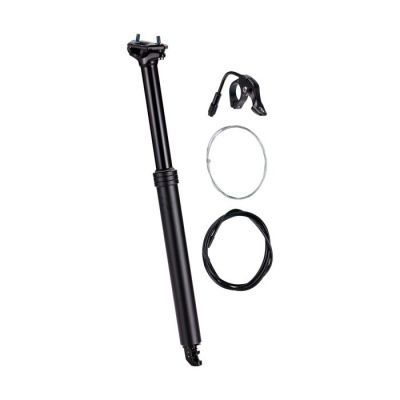
Most BBB dropper posts include a handlebar remote and the necessary inner and outer cables - but check the specific product listing before buying, as this can vary by model. Also confirm whether your frame requires internal or external routing before ordering, since getting this wrong means a return trip before you've even headed out.
How do I stop my dropper post sticking in winter?
Clean the stanchion and wiper seal after every wet ride before the grit dries, then apply a light coat of silicone suspension spray. Replace the inner cable to the remote actuator at the start of each winter season - corrosion in the housing is the most common cause of sticky lever action. Avoid pulling up on the saddle when the post is dropped, as this draws moisture past the seals.